
Overview of Real Estate Photoshoot
Conducting a professional real estate photoshoot is a pivotal element in the marketing strategy for property sales in Miami. This process entails capturing high-quality images that showcase the property’s best features, interiors, exteriors, and the surrounding neighborhood. The primary goal of a real estate photoshoot is to create visually compelling content that attracts potential buyers and helps sellers present their properties in the most attractive light.
In a highly competitive Miami real estate market, visually appealing photos can significantly influence a property's marketability. Professionally taken images can enhance online listings, making properties stand out on multiple listing services (MLS), social media platforms, and real estate websites. These images serve as the first impression for prospective buyers, often determining whether they will schedule a viewing or continue browsing other listings.
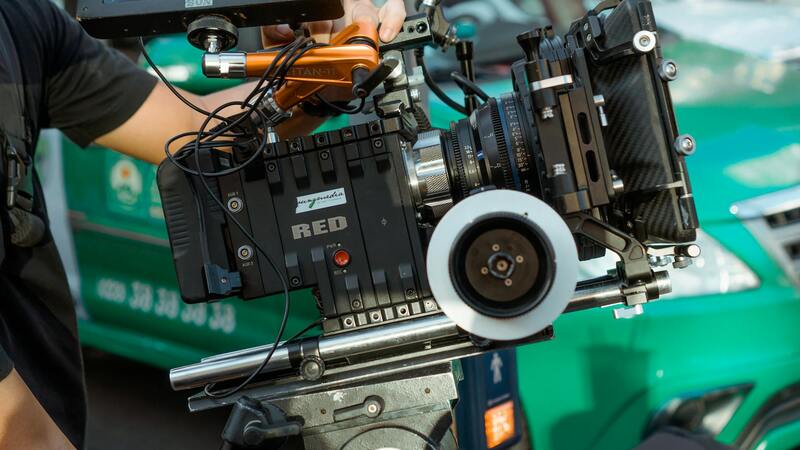
The benefits of a well-executed real estate photoshoot extend beyond just attracting attention. High-quality images aid in building trust and credibility for real estate agents and agencies by demonstrating professionalism. Moreover, compelling visuals can shorten the sales cycle, reduce time on the market, and potentially increase the final sale price.
When planning a real estate photoshoot, attention to detail is crucial. From preparing the property to selecting the right time of day for optimal lighting, every step influences the final outcome. Additionally, integrating modern photography techniques, such as drone shots or 3D virtual tours, can further elevate the property's presentation.
Types of Real Estate Photoshoot Content
A comprehensive real estate photoshoot encompasses diverse content that highlights various aspects of the property. Besides standard exterior and interior shots, including lifestyle images, neighborhood features, and architectural details can offer a well-rounded view. This variety not only appeals to a broader audience but also helps in telling a compelling story about the property.
Pre-Photoshoot Preparation
Effective preparation is vital for a successful photoshoot. This includes decluttering and staging the property to ensure the spaces look inviting and spacious. It also involves scheduling the shoot during the optimal time of day, usually when natural light enhances the property's appeal. Preparing the property in advance minimizes the need for reshoots and guarantees the best quality visuals.
Choosing the Right Photography Equipment
The quality of visuals hinges significantly on the equipment used during the shoot. Professional-grade cameras with wide-angle lenses are standard for capturing expansive spaces effectively. In addition, using appropriate lighting equipment and stabilizers ensures clarity and sharpness in every shot. When incorporating aerial shots, drones equipped with high-resolution cameras are essential for capturing breathtaking views of Miami's scenic landscapes and urban skyline.
Best Practices During the Photoshoot
During the photoshoot, adhering to best practices enhances image quality and consistency. This includes ensuring all lights are turned on to brighten rooms, adjusting for reflections and glare, and capturing images from various angles to highlight the property's best features. Maintaining a steady camera setup and shooting in RAW format also helps in achieving high-resolution images suitable for various marketing platforms.
Effective Strategies for a Successful Real Estate Photoshoot
Executing a professional real estate photoshoot requires careful attention to detail and adherence to proven methods that showcase the property’s unique features effectively. A well-planned photoshoot accentuates the property’s best attributes, influences potential buyers’ impressions, and helps the listing stand out in a competitive market. To achieve this, it's essential to focus on several key aspects of the process, from selecting appropriate equipment to optimizing the shoot environment.
Selecting Optimal Timing and Lighting Conditions
The time of day plays a critical role in capturing stunning real estate images. Conducting the photoshoot during the property's peak natural light hours—typically late morning or early afternoon—ensures that rooms are well-lit without harsh shadows. Overcast days can also provide diffuse lighting that softens shadows and highlights interior features without the need for extensive artificial lighting.
Utilizing natural light not only minimizes the need for supplementary lighting but also creates warm, inviting atmospheres that resonate with viewers. Additionally, scheduling the shoot when exterior sunlight emphasizes curb appeal—such as during the golden hour—enhances outdoor shots, making properties appear more attractive and vibrant.
Preparing the Property for Photography
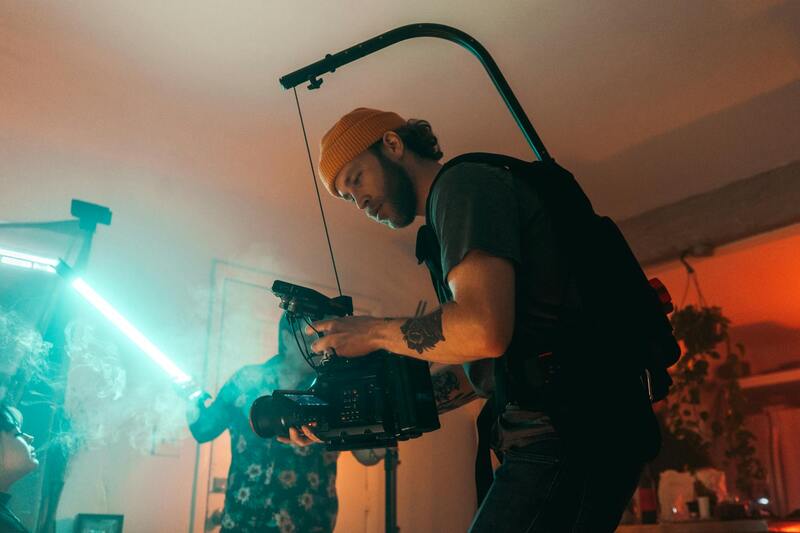
Thorough preparation is vital to ensure the property looks its best during the shoot. This involves decluttering all spaces to create a sense of openness and neatness. Removing personal items such as family photos, excess furniture, and clutter allows potential buyers to envision themselves in the space. Staging can further elevate rooms by arranging furniture and décor to highlight the room’s functionality and style.
Cleaning windows, polishing surfaces, and ensuring that all lights are operational will improve the overall quality of the images. Consider adding fresh flowers or neutral décor accents to evoke warmth and appeal. Additionally, addressing minor repairs such as repainting chipped paint, fixing squeaky doors, and mending broken fixtures helps maintain a professional presentation.
Serene and Well-Organized Environment
Creating an environment that looks serene and organized can significantly boost the visual impact of the property. For exterior shots, ensure that landscaping is tidy, driveways are swept, and outdoor furniture is arranged tastefully. Consider adding seasonal plants or décor to match the current season, which can make the property more relatable and appealing.
Color and Decor Considerations
Choose neutral, light colors for interiors, as they appeal to a broader audience and make spaces appear larger and brighter. Avoid overpowering patterns or bold colors that might distract viewers from the architectural features. Thoughtful décor accents such as throw pillows, rugs, and artwork should complement the overall aesthetic without overwhelming the space.
Utilizing Local Contexts and Landmarks
When photographing properties within Miami or similar vibrant locales, incorporating local landmarks or iconic scenery can add a unique contextual backdrop to the visuals. These elements not only emphasize the property's prime location but also help tell a richer story that appeals to prospective buyers looking for a lifestyle as well as a home.
In conclusion, a successful real estate photoshoot hinges on meticulous planning, from timing and location preparation to the choice of equipment and staging techniques. Executing these strategies ensures that each image captures the property's essence, appeals visually to prospective buyers, and ultimately accelerates the selling process.
In-Depth Techniques for Conducting a Professional Real Estate Photoshoot
Executing a high-quality real estate photoshoot requires adherence to precise methods that guarantee the final images effectively showcase the property's best features. From selecting appropriate angles to optimizing natural and artificial lighting, each step plays a vital role in producing compelling visuals that appeal to potential buyers.
Optimal Lighting Strategies
Consistent and well-diffused lighting is fundamental in real estate photography. Utilizing natural daylight during morning or late afternoon hours enhances the clarity and warmth of interior spaces. When natural light is insufficient, professional-grade artificial lighting, such as softboxes or LED panels, should be employed to eliminate shadows and evenly illuminate rooms. Accurately balancing color temperature between natural and artificial sources ensures the images look inviting and true to life.
Strategic Camera Angles and Composition
The choice of camera angles significantly influences the perceived space and flow of the property. Utilizing a wide-angle lens enables the photographer to capture expansive views of rooms, giving prospective buyers a comprehensive sense of the interior. Shooting from a corner angle can highlight the room's dimensions and architectural details, creating a more dynamic depiction. Maintaining level horizons and aligning vertical lines in the frame enhances image professionalism and avoids distortions.
Staging and Property Arrangement
Pre-shoot staging elevates the aesthetic appeal of each space. Clear surfaces, selective furniture arrangement, and tasteful decorative accessories create an inviting environment. It's crucial to declutter clutter, remove personal items, and hide any distractive elements. Accent pieces like fresh flowers, plush throws, or coordinated pillows can add vibrancy without overwhelming the space. Ensuring each room is tidy and welcoming reflects well on the property's overall presentation.
Use of Advanced Equipment and Techniques
Investing in high-quality camera gear, such as full-frame sensors and tilt-shift lenses, can drastically improve image clarity and perspective control. Drone photography offers unique aerial perspectives that showcase the property's surroundings and land features, especially for larger estates or properties with significant outdoor amenities. Employing HDR (High Dynamic Range) imaging techniques merges multiple exposures to balance shadows and highlights, resulting in balanced, eye-catching photos that accurately reflect the property's real appearance.
Attention to External and Contextual Elements
Exterior shots should depict the entire facade with proper focus on curb appeal. Ensure landscaping is neat, and the driveway is free of debris. Incorporate seasonal decor when appropriate to make the exterior more appealing. Incorporating objects that reflect the local environment, such as nearby parks or landmarks, can establishing a contextual connection that appeals to prospective buyers seeking a lifestyle aligned with the locale.
Final Review and Quality Assurance
After capturing images, a thorough review process ensures only the best shots are selected for editing. Look for photos that are sharp, well-lit, and properly framed. Check for distractions or imperfections and mark images that need retakes. A consistent editing style, involving color correction, brightness adjustments, and minor enhancements, guarantees a uniform and professional look across the property portfolio.
Essential Techniques for Achieving High-Quality Real Estate Photos
Capturing compelling real estate images demands more than just the right equipment; it hinges on discipline, technical mastery, and adherence to strategic guidelines. For instance, proper lighting is paramount. Utilizing natural light during the optimal hours—typically early morning or late afternoon—ensures the property is vibrant and inviting without harsh shadows or overexposure. Additionally, supplemental lighting may be incorporated to fill in shadows or highlight specific features, especially in interior shots.
Framing the shot correctly plays a critical role. Employing the rule of thirds can enhance visual interest, ensuring key architectural details or features are focal points. Maintaining level horizons avoids distortion, particularly in exterior shots. When it comes to lens selection, wide-angle lenses—usually between 14mm to 24mm—are standard in real estate photography, as they allow the capture of more expansive spaces, providing prospective buyers with a comprehensive view of each room.
Advanced techniques such as HDR imaging can significantly improve the quality of real estate photos. HDR involves capturing multiple exposures of the same scene and merging them to balance lighting contrasts, revealing details in both shadows and highlights. This method is especially effective for interior shots with windows or exterior photos taken during sunset or sunrise, where lighting conditions fluctuate considerably.
In addition to the technical aspects, maintaining a consistent perspective across all images enhances the professional look of the property portfolio. This consistency involves using tripod-mounted shots to ensure steady, straight images, which simplifies the editing process and creates a cohesive visual presentation. Prospective buyers are drawn to properties that appear well-maintained and professionally presented; thus, refined image quality directly influences their perception of the property's value.
Key Equipment for Real Estate Photography
- High Dynamic Range (HDR) Cameras: Capable of capturing a wide tonal range to handle challenging lighting conditions.
- Drone Technology: Provides aerial perspectives, ideal for showcasing property land, outdoor amenities, and surrounding landscapes.
- Wide-Angle Lenses: Essential for enlarging interior spaces and capturing more of each room in a single shot.
- Tripods and Stabilizers: Stabilize cameras for sharp, distortion-free images, especially in low-light interior environments.
- Post-Processing Software: Programs like Adobe Lightroom or Photoshop facilitate color correction, perspective adjustment, and minor retouches to ensure image perfection.
Employing cutting-edge technology, such as drone photography, not only enhances visual appeal but also allows potential buyers to gain a comprehensive understanding of the property's land and neighborhood context. Wide-angle lenses ensure that rooms appear spacious and inviting, while stabilization tools guarantee clarity and sharpness. The overall goal is to create a visually compelling, accurate representation that resonates with prospective buyers.
Detailed Guidance on Conducting a Successful Real Estate Photoshoot
Executing a professional real estate photoshoot involves a multifaceted approach aimed at highlighting a property’s best features while ensuring visual appeal and accuracy. This process begins with the strategic selection of locations within the property, ensuring each shot emphasizes space, natural lighting, and the overall ambiance. Properly staging rooms, removing clutter, and adjusting furniture positioning contribute significantly to creating inviting and spacious visuals that resonate with prospective buyers. A well-prepared setting speaks volumes about the property's condition and potential, influencing buyer interest from the first glance.
During the shoot, photographers focus on leveraging natural light, which is often the most flattering and authentic. Shooting during the day, when sunlight can stream through windows, enhances the vibrancy and warmth of interior spaces. Supplementing natural light with professional lighting equipment, such as softboxes or reflectors, can eliminate shadows and ensure even illumination. Maintaining consistent lighting across images fosters a cohesive visual narrative that accurately represents the property.
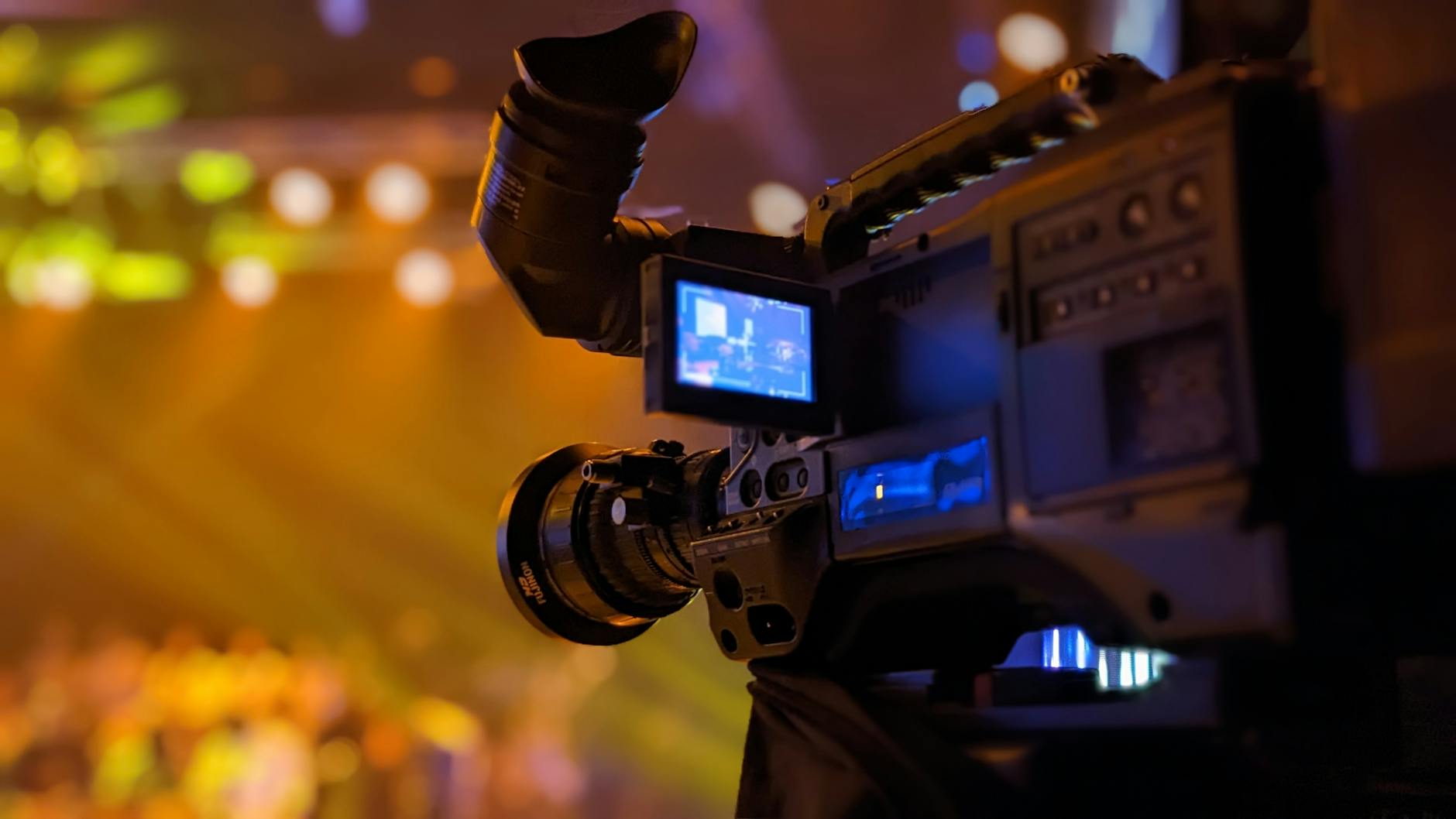
Furthermore, optimal camera angles play a crucial role in conveying the scale and functionality of each room. Shooting from a corner perspective or utilizing a wide-angle lens can create an expansive feeling, making rooms appear larger and more welcoming. Vertical lines should be kept straight to avoid distortion, which maintains the structural integrity of the space. It’s equally important to capture exterior shots from multiple angles, showcasing curb appeal, outdoor amenities, and the property's surroundings to give a comprehensive view of the estate.
Utilization of Advanced Photography Equipment
Modern real estate photography relies on specialized equipment to produce high-quality images. Wide-angle lenses are favored for their capacity to encompass more of a room within a single shot, highlighting spaciousness. Tripods and stabilizers ensure steady images, particularly in interior spaces where low-light conditions are common. Drones add an aerial perspective, especially effective for large estates, land parcels, or properties with extensive outdoor features. These aerial shots provide potential buyers with a vantage point that reveals context within the neighborhood and land layout.
High Dynamic Range (HDR) cameras are instrumental in capturing scenes with challenging lighting conditions, balancing interior brightness with exterior views. Post-shoot editing employs software such as Adobe Lightroom or Photoshop to fine-tune color accuracy, straighten images, and remove imperfections. Effective editing enhances the images without misrepresenting the property, maintaining veracity and building trust with viewers.
Best Practices for Maximizing the Impact of Your Real Estate Photoshoot
- Identify key selling points: Focus on areas that showcase the property's unique features, such as a renovated kitchen, outdoor pool, or scenic views.
- Optimize lighting conditions: Schedule shoots during times when natural lighting is most abundant, usually mid-morning or late afternoon.
- Employ strategic angles: Center shots and use the rule of thirds to create balanced compositions that lead the viewer’s eye through the space.
- Maintain consistency: Use similar settings and editing styles across all images for a cohesive presentation.
- Capture exterior and landscape: Highlight the property's curb appeal by photographing from multiple angles and including landscaping details.
Meticulous attention to detail during the shoot, combined with the proper use of equipment and techniques, results in compelling images that attract prospective buyers and enhance marketing efforts. The goal is to create a visual story that accurately reflects the property’s charm and encourages engagement from online visitors.
Effective Strategies for Capturing High-Quality Real Estate Photos
Achieving striking real estate photos hinges on a series of methodical techniques that prioritize accuracy, clarity, and aesthetic appeal. This involves a careful combination of strategic planning, technical proficiency, and understanding of what appeals most to potential buyers. Standardizing shot compositions is vital; utilizing consistent angles, lighting conditions, and focal points ensures a cohesive visual narrative across all images.
Properly managing lighting is central to producing compelling images. Leveraging natural daylight, especially during mid-morning or late afternoon, can accentuate the property’s features without harsh shadows or overexposure. When natural light isn’t sufficient, supplementary lighting equipment such as diffused flash or umbrella lights can fill shadows, creating a balanced exposure for interior shots.
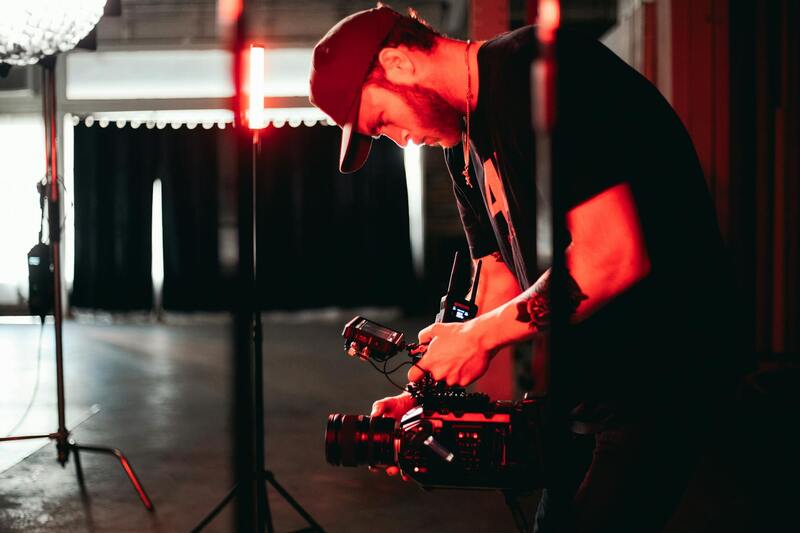
Another critical aspect involves selecting the appropriate camera equipment. It’s recommended to use high-resolution digital cameras with wide-angle lenses, ideally between 14mm and 24mm, to capture expansive views of the interior and exterior spaces. A sturdy tripod ensures stability during longer exposures required in low-light conditions or when aiming for uniform sharpness across images.
In addition to the right equipment, employing professional-grade accessories like remote shutter releases and circular polarizers can significantly improve the quality of the captured images, minimizing ghosting and reflections from windows. These tools enable the photographer to maintain precision and consistency, resulting in images that accurately reflect the property’s true appearance.
Techniques for Maximizing the Impact of Each Shot
- Utilize the rule of thirds: Position key elements along the grid lines to create balanced compositions that naturally draw viewers’ eyes through the space.
- Capture multiple angles: Photograph rooms from various perspectives to showcase their layout and functionality effectively.
- Highlight curb appeal: Take exterior shots from multiple vantage points, including close-ups of landscaping and architectural features.
- Control reflections and glare: Use polarizing filters and adjust camera angles to minimize unwanted reflections on glass surfaces.
- Ensure clarity and sharpness: Use autofocus and aperture settings that maximize depth of field, keeping entire rooms in crisp focus.
During the photoshoot, attention to detail is paramount. Tidy up spaces beforehand—removing clutter, adjusting furniture placement if necessary, and ensuring surfaces are spotless. These small adjustments amplify the visual appeal and help prospective buyers envision living in the property.
Incorporating Lifestyle and Contextual Shots
Beyond static images of individual rooms, incorporating lifestyle shots adds emotional value. Capture images of the property’s environment such as outdoor entertaining areas, scenic views, or nearby amenities. These contextual images strengthen the property’s story and appeal, encouraging engagement from potential buyers.
Strategic positioning, lighting, and consistent styling throughout the photoshoot culminate in a material that not only showcases the property’s physical features but also evokes a sense of lifestyle and comfort. Each image should serve the purpose of creating an inviting, accurate depiction that motivates viewers to take the next step in the buying journey.
Comprehensive Strategies for a Successful Real Estate Photoshoot in Miami
Implementing an Effective Lighting Scheme
Optimal lighting is fundamental to capturing high-quality real estate images that spotlight a property’s best features. When preparing for the photoshoot, it is crucial to utilize natural light effectively. Schedule the shoot during daylight hours, ideally in the late morning or early afternoon when sunlight is abundant and soft, reducing harsh shadows. Employ reflectors and diffusers to direct and soften diffused light, ensuring interior spaces are evenly illuminated. For interior shots, turning on all available lights can help eliminate dark corners and create a welcoming ambiance. It's also advantageous to consider the use of professional lighting equipment, such as strobes or continuous lights, especially in poorly lit rooms or during overcast days. Proper lighting not only enhances clarity but also accentuates architectural details, textures, and colors, making the property more appealing to potential buyers.
Manipulating Space and Perspective
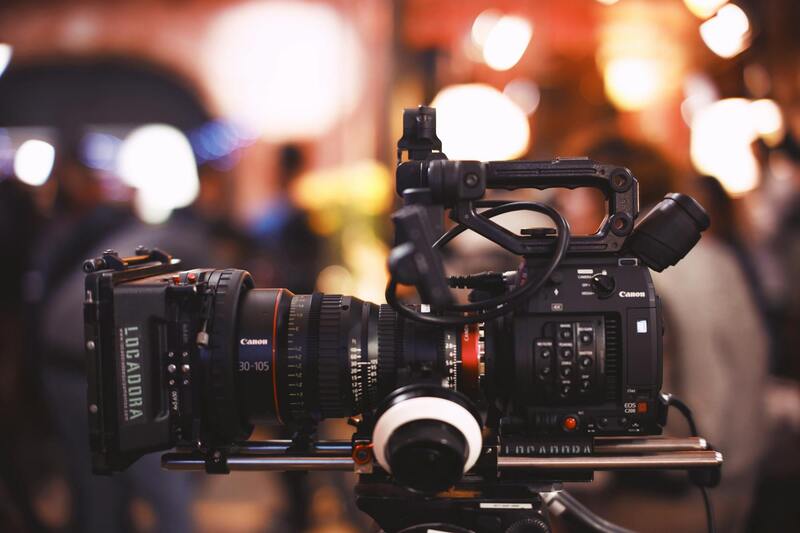
Creating a sense of space is vital for making rooms appear larger and more inviting. Wide-angle lenses are often employed to capture more of a room in a single shot, providing potential buyers with an accurate sense of scale. When using wide-angle lenses, be cautious to avoid distortions that could misrepresent the property's dimensions. Shooting from a central position within the room, at a height around chest level, ensures that vertical lines are straight, maintaining the room’s true proportions. Incorporating high and low perspective shots can also add variety to the visual portfolio, offering viewers multiple viewing angles. Additionally, including exterior shots from different vantage points enhances depth perception and highlights curb appeal. Highlighting unique architectural features from various perspectives allows prospective buyers to develop a comprehensive understanding of the property's layout and aesthetic value.
Attention to Detail and Space Tidiness
Meticulous attention to detail can significantly elevate the quality of a real estate photoshoot. Prior to the session, it's imperative to declutter and stage the property to ensure spaces appear clean, organized, and inviting. This involves removing personal items, excessive furniture, and any distracting objects that detract from the home's features. Small touches like arranging cushions neatly, wiping down surfaces, and ensuring curtains are open to maximize natural light contribute to a polished appearance. Attention to detail also extends to eliminating reflections or glare, especially in glass fixtures or mirrors, by adjusting angles and diffusing light sources. These preparatory steps can dramatically influence how prospective buyers perceive spatial harmony, cleanliness, and overall appeal of the property.
Capturing Lifestyle and Contextual Imagery
Beyond showcasing interior spaces, integrating lifestyle images provides a narrative that resonates emotionally with viewers. Exterior shots emphasizing landscaping, patios, and outdoor amenities help prospective buyers visualize living in the space. Incorporate images of outdoor entertaining areas, scenic surroundings, or nearby attractions to portray a desirable lifestyle. These contextual images can be used to highlight the property's proximity to community features, parks, or cultural landmarks, especially important within Miami's vibrant neighborhoods. Carefully planned composition, along with strategic lighting and consistent styling, evokes a sense of comfort and aspirational living, reinforcing the emotional connection to the property.
Utilizing Professional Equipment and Techniques
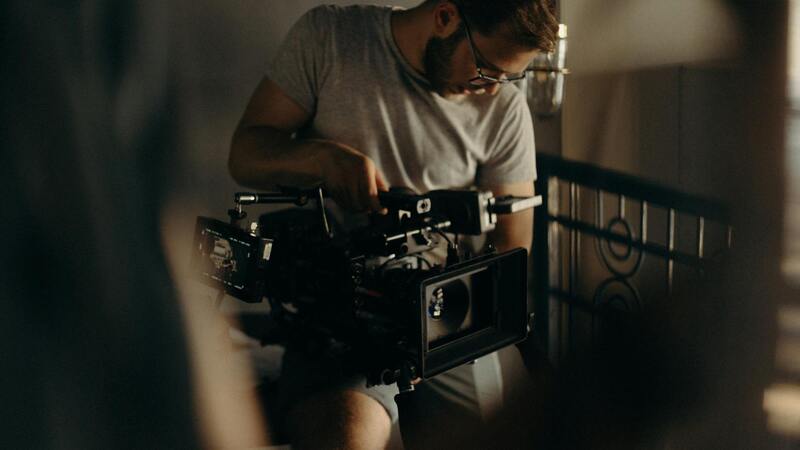
Employing specialized photography equipment ensures the production of sharp, high-resolution images that meet industry standards. Use of tripods enhances stability, particularly during interior shots, reducing blur and maintaining consistent framing. Drones are increasingly popular for capturing expansive exterior views and neighborhood context, especially in Miami's scenic and waterfront developments. Employing a tilt-shift lens or advanced camera systems can help correct perspective distortions, delivering natural-looking images. Additionally, implementing techniques such as bracketing and HDR (High Dynamic Range) photography ensures balanced exposures, capturing details in both bright and shadowed areas. These professionalism-fueled approaches guarantee the visual portfolio aligns with the high standards expected from discerning clients and competitive listings.
Enhancing Visuals with Post-Production Editing
Post-production editing refines the raw images, ensuring they accurately and attractively represent the property. This process involves adjusting brightness, contrast, color balance, and sharpness to enhance overall image quality. Correcting any distortions or unwanted reflections can be achieved through software tools, creating a clean and polished look. Subtle retouching, such as removing minor imperfections or distracting objects, helps maintain a professional appearance. Special attention should be given to maintaining the authenticity of the property; over-editing could mislead viewers and compromise the credibility of the marketing efforts. Additionally, creating a consistent visual style across all images helps establish a cohesive and professional presentation that stands out in Miami’s competitive real estate market.
Guidelines for Conducting a Professional Real Estate Photoshoot
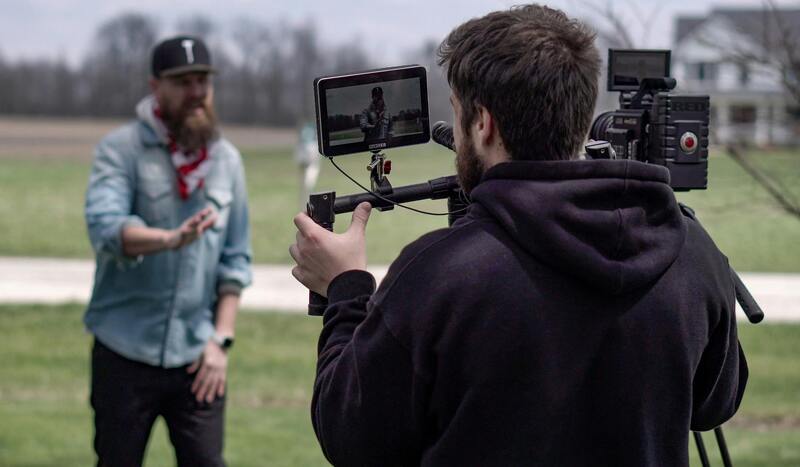
Executing a high-caliber real estate photoshoot requires methodical planning and adherence to established standards that guarantee optimal visual results. When approaching a property, it’s imperative to understand the specific features of the space and how best to showcase them through compelling imagery. Detailed planning begins with a comprehensive walkthrough of the property, highlighting key selling points such as spacious rooms, unique architectural elements, scenic views, or upgraded fixtures. This assessment helps determine the best angles and lighting techniques to accentuate these factors. Preparing a shot list ensures that all critical areas are captured systematically, avoiding missed opportunities for quality visuals.
Maintaining Consistency and Authenticity in Visual Content
Consistency across images plays a crucial role in creating a professional and cohesive visual portfolio. Implementing standardized framing, color treatment, and editing styles assures uniformity that reflects well on the listing and the marketer’s brand. Achieving this involves utilizing similar camera settings and post-production adjustments across all shots. Moreover, authenticity should always be prioritized; images must accurately represent the property to safeguard the trust of prospective buyers and enhance credibility. This entails capturing images with natural lighting and avoiding excessive filtering or retouching that could distort the property’s true appearance.
Adapting to Different Property Types and Environments
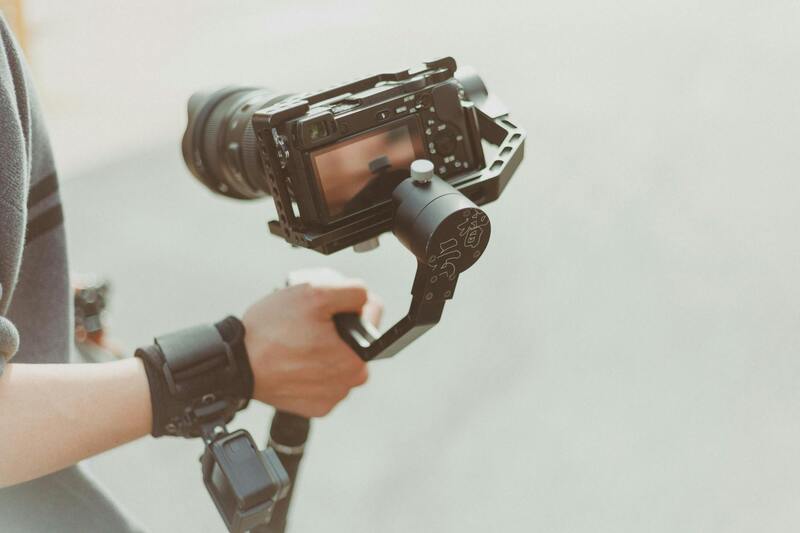
Different kind of properties and environments necessitate tailored approaches to drone and ground-based photography. Residential homes benefit from bright, inviting images that highlight interior spaciousness and exterior curb appeal. Commercial properties might require more structured shots, focusing on building facades and surrounding landscapes. For properties situated in scenic or nature-rich areas, incorporating natural vistas into the visuals accentuates their attractiveness. Adjusting angles, focal lengths, and lighting strategies according to property type ensures that each listing is presented in the most appealing and truthful manner possible.
Incorporating Advanced Techniques for Elevated Visuals
To surpass standard imaging, integrating advanced photographic techniques can significantly enhance the quality of real estate visuals. High Dynamic Range (HDR) photography involves combining images taken at different exposures, revealing fine details in both shadows and highlights—crucial for capturing well-lit interior spaces and vibrant exteriors. Bracketing, the process of capturing multiple exposures in quick succession, supports HDR processes by providing the necessary data. Additionally, employing wide-angle lenses ensures broader perspectives, making spaces appear more voluminous, while maintaining the integrity of proportions prevents distortions that can skew viewer perception. When used thoughtfully, these techniques result in compelling images that draw in prospective clients more effectively.
Ensuring Safety and Efficiency During the Photoshoot
Prior to the shoot, verifying that all areas are accessible and safe is essential. This includes clearing walkways, securing pets, and ensuring any necessary permissions are obtained when shooting in restricted or private spaces. Effective scheduling minimizes disruption to residents or staff and maximizes the use of natural light conditions, which are often ideal during early morning or late afternoon hours. Efficient workflow involves the deployment of appropriate gear, such as tripods, stabilizers, and drones, by trained personnel to prevent issues such as blurry images or accidents. A professional approach to timing and equipment handling fosters a smoother shoot, reducing the need for reshoots and ensuring a quick turnaround for delivery.
Post-Processing for Maximized Visual Impact
After capturing the images, diligent post-production work refines the footage to meet high standards suitable for real estate marketing. The editing process involves adjusting exposure levels, balancing colors, and sharpening details without oversanitizing the images. Correcting perspective distortions ensures walls and features look true to life, avoiding misleading representations. Removing distracting elements, such as reflections or minor imperfections, further enhances aesthetic appeal. Maintaining a consistent editing style across the collection sustains professionalism, helping potential buyers visualize themselves in the space. The final images serve as powerful tools to attract interest and generate inquiries, making post-production a critical phase in the real estate visual marketing process.
Partnering with Miami-Based Photography Experts
Collaborating with local, experienced real estate photography services in Miami ensures access to professional-grade equipment and seasoned photographers familiar with the area’s specific market dynamics. Selecting a reputable agency involves assessing their portfolio, understanding their approach to shoot planning, and evaluating their post-production capabilities. Working with professionals enables real estate agents and property owners to optimize investment return by producing striking visuals that meet high standards. Tailored packages and flexible scheduling further enhance the overall experience, ensuring that each property’s visual presentation aligns perfectly with its target audience and market expectations.