Definition and Purpose of Real Estate Videography
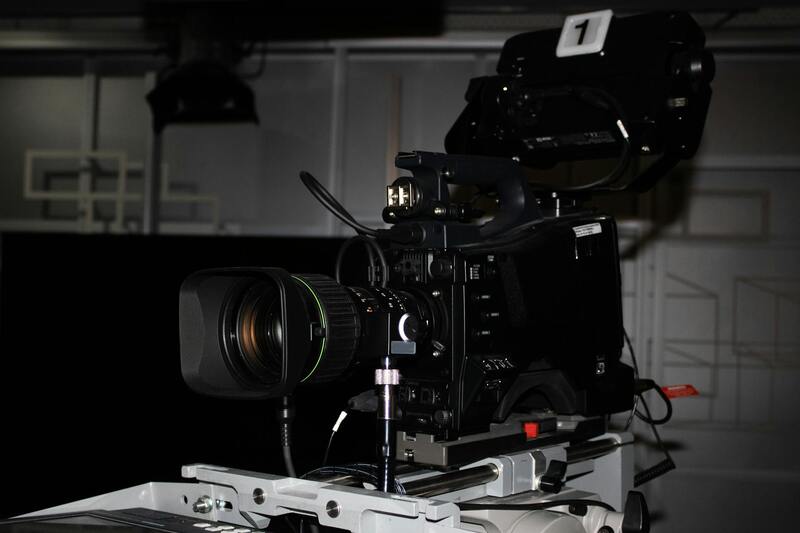
Real estate videography involves the professional creation of high-quality videos that showcase properties to prospective buyers and investors. Unlike static images, these videos provide dynamic visual narratives that highlight the property’s architecture, interior layout, exterior surroundings, and unique features. This form of visual marketing aims to immerse potential buyers in a virtual tour, enabling them to experience the property from a distance with ease and clarity.
The primary goal of real estate videography is to enhance the property’s appeal through compelling visual storytelling. Well-crafted videos not only attract more attention online but also foster quicker decision-making by presenting a realistic and engaging perspective of the property. Detailed walkthroughs, aerial shots, and cinematic angles help viewers better understand the space’s flow, size, and ambiance, making it a vital tool in the competitive Miami real estate market.
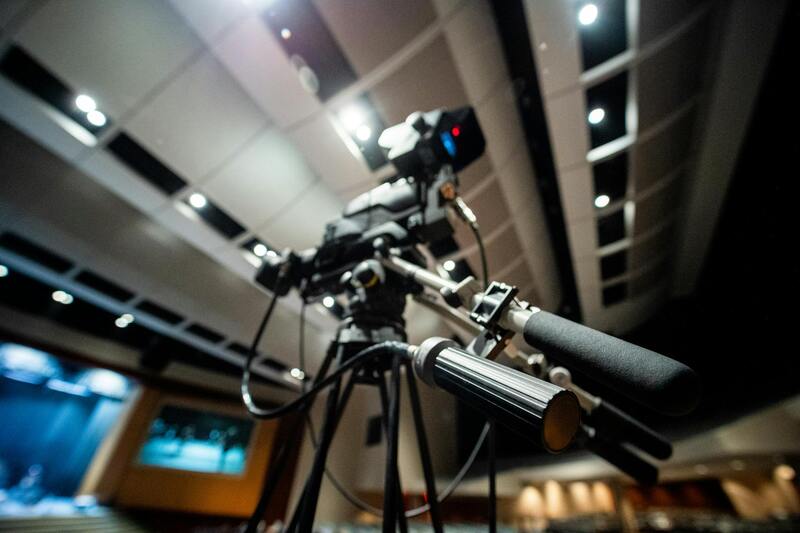
Utilizing professional real estate videography also optimizes listing exposure across digital platforms. Videos tend to generate higher engagement rates on social media, real estate portals, and websites, resulting in increased inquiries and faster sales. In vibrant markets like Miami, where luxury properties and unique listings abound, high-caliber video content differentiates one’s listings and positions agents and sellers as innovative market leaders.
Successful real estate videography demands a strategic combination of visual techniques, relevant technology, and a deep understanding of property presentation. The goal remains consistent: to communicate the essence of a property effectively, enticing viewers to envision themselves living there or making an investment. As the digital landscape evolves, the importance of immersive, professionally produced videos continues to grow, making it an indispensable component of modern property marketing in Miami and beyond.
Legal and Permissible Methods of Creating Real Estate Videography in Miami
In the competitive Miami real estate market, producing high-quality visual content requires adherence to established methods that ensure credibility, safety, and professionalism. The techniques employed must be based on official equipment, approved practices, and permissible usage standards that align with local regulations and industry standards. This approach not only safeguards the authenticity of the visual material but also enhances the trustworthiness of your listings.
Adoption of Certified Equipment and Standardized Techniques
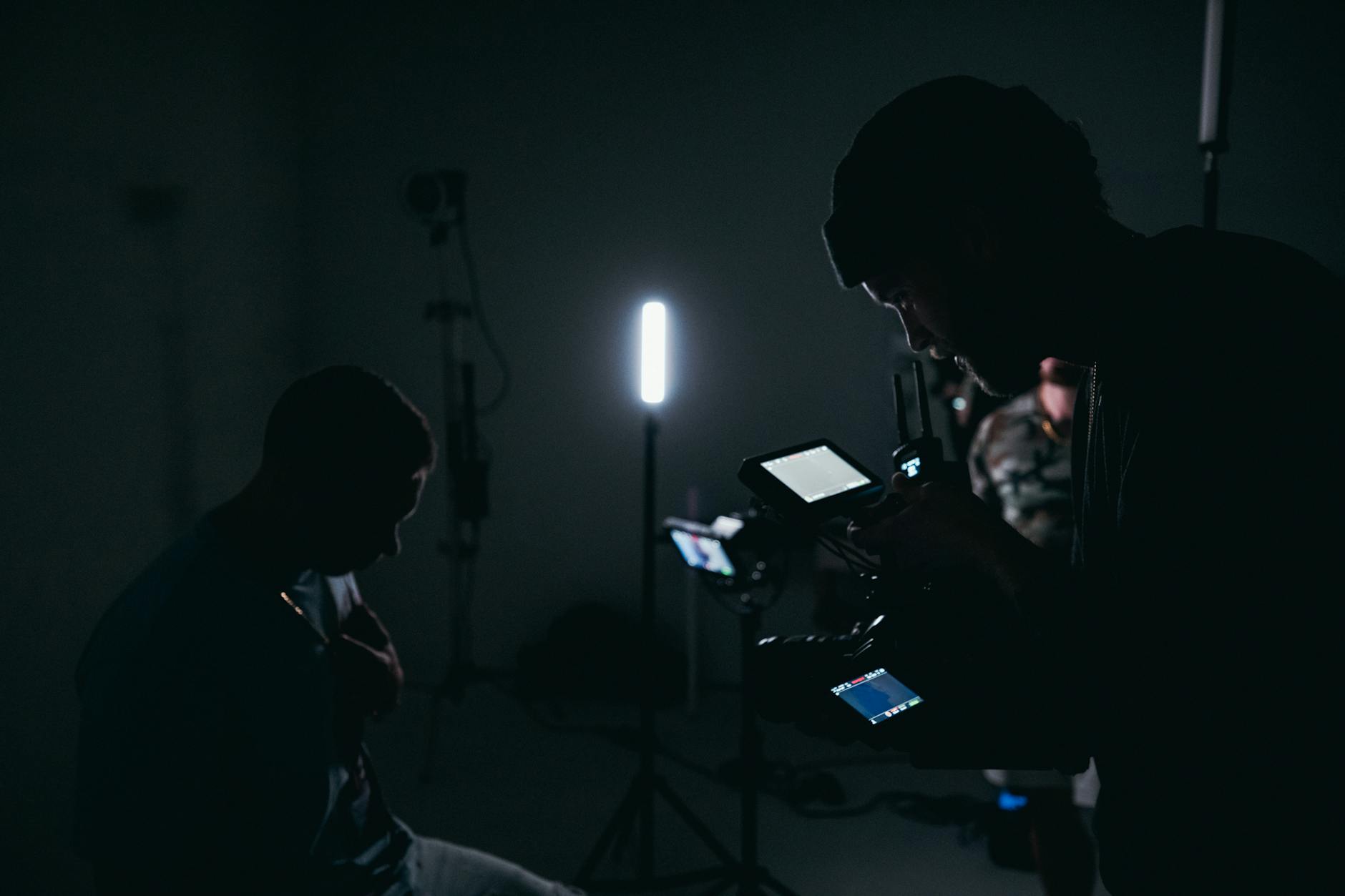
Choosing the right equipment is fundamental to legal and effective real estate videography. Cameras used should meet recognized standards for clarity and color accuracy, such as full-frame digital sensors and high-definition recording capabilities. When capturing aerial footage, licensed drone operators must employ FAA-certified devices operated under compliance guidelines that restrict flight altitude and ensure privacy protection. These certifications validate their proficiency and commitment to lawful operations.
Furthermore, employing stabilized camera rigs and professional drones ensures steady, cinematic footage while minimizing operational risks. The usage of gimbals and advanced flight planning software enables precise, safe, and compliant capturing of aerial views that showcase the property's full potential.
Standardized Procedures for Content Creation
Each video project should follow structured workflows, including pre-production planning, obtaining necessary permissions, and scripting that accurately reflects the property’s features. Pre-visit inspections confirm that filming complies with property access rights and privacy considerations. During the shoot, adherence to safety protocols protects both the crew and the property, aligning with official standards.
Post-production editing must be transparent and factual, avoiding deceptive embellishments. Incorporating branding elements should be done with explicit permission, maintaining professionalism and consistency. These practices reinforce legal integrity and provide clients with trustworthy representations.
Legitimate Usage and Digital Distribution
Utilizing legitimate digital platforms for sharing videos ensures compliance with copyright and intellectual property laws. When hosting videos online, platforms should be selected based on their official standing and security features to prevent unauthorized copying or misuse. Proper metadata tagging, including ownership rights and licensing details, further affirms the content’s authenticity.
Proprietary videography efforts should include signed agreements that outline usage rights, ensuring all promotional material aligns with legal standards. This safeguards both the videographer and the client, establishing a clear chain of ownership and permitted distribution channels.
Security and Privacy Considerations
Respecting privacy laws is paramount when producing real estate videos. Official methods involve obtaining written consent from property owners and occupants, especially when filming interior spaces or using drone footage near private homes or sensitive locations. This ensures that all visual content complies with Miami’s local privacy ordinances and broader data protection principles.
This approach includes informing residents about filming schedules and explicitly obtaining their permission, which mitigates potential disputes or legal complications. Documented consents also serve as proof of transparency and lawful practice.
Legal and Official Methods for Creating Real Estate Videos
When producing real estate videos, it is imperative to utilize distinct and recognized methods that uphold the integrity of the content. This involves adhering to established practices such as securing official permissions, ensuring authentic content creation, and following proper distribution channels. Implementing these methods guarantees that videos serve as reliable and accurate representations of properties, which is essential for maintaining professional standards within the industry.
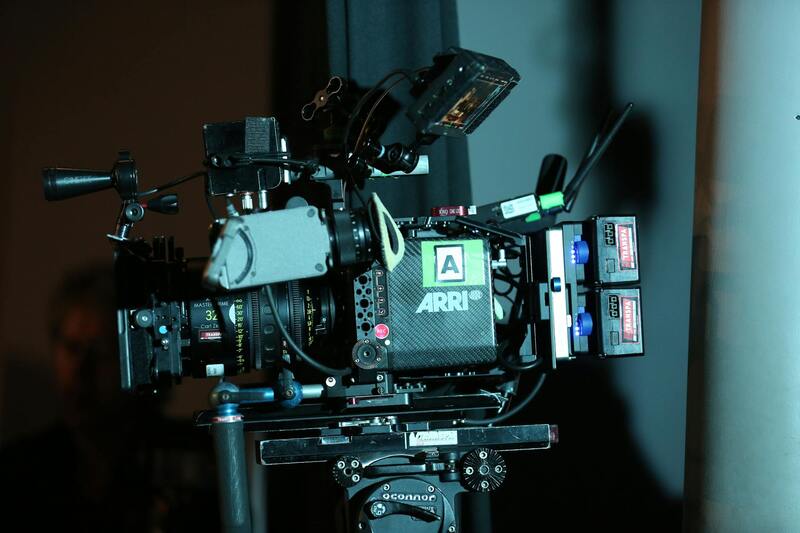
Central to legitimate real estate videography is the process of obtaining explicit approval from property owners or authorized representatives before filming. Signed consent forms not only formally document permission but also delineate the scope of usage, whether for online listings, promotional materials, or other marketing efforts. This practice minimizes misunderstandings and supports clear ownership rights, strengthening compliance with professional standards.
Moreover, leveraging authorized digital platforms for sharing videos—such as verified hosting sites that employ robust security measures and content management systems—is crucial. These platforms allow for controlled distribution and help prevent unauthorized dissemination, reinforcing the official nature of the content. Significantly, embedding metadata such as licensing details and copyright notices further authenticates the videos, establishing a consistent standard across all visual representations.
To further solidify legitimacy, videographers should develop comprehensive agreements with clients that clearly specify rights, responsibilities, and usage parameters. These legal instruments protect both parties, allowing for transparent management of the content’s dissemination and ensuring compliance with intellectual property regulations. Such formal documentation becomes an integral part of the production workflow, supporting a lawful and ethical approach to real estate videography.
Security and Privacy Considerations
Security and privacy are paramount concerns when creating videos of private properties. Respecting confidentiality involves meticulous attention to local privacy regulations and individual rights. Official strategies include obtaining written permissions from homeowners and residents, especially when filming interior spaces or capturing drone footage in residential neighborhoods. These steps prevent disturbances and serve as proof of adherence to privacy standards.
- During the filming process, informing residents about scheduled shoots and explicitly requesting their consent helps mitigate potential disputes.
- Ensuring that sensitive areas are either avoided or properly masked in the footage aligns with data protection principles.
- Documented consents should be stored securely and referenced when utilizing the footage in marketing materials.
Adherence to these procedures creates a trustworthy environment that respects the rights of individuals while supporting the accuracy and professionalism of the final video product. It also fosters long-term relationships with clients by demonstrating a commitment to lawful practices and ethical standards in every project.
Methods to Obtain Official and Permissible Footage for Real Estate Videography
In the realm of official real estate videography, employing legitimate and approved methods for acquiring footage ensures compliance with established standards and enhances the credibility of the final product. One of the foundational steps involves securing explicit written consent from property owners or authorized representatives before commencing any filming activities. This includes obtaining permissions not only for exterior shots but also for interior filming, especially in private residential settings where privacy concerns are heightened.
Utilizing drone technology for aerial footage demands adherence to specific regulations common in Miami, which require operators to hold appropriate certifications and follow designated flight protocols. Such measures guarantee that aerial views are captured within authorized airspace and avoid infringing upon restricted zones, thus aligning with official guidelines for drone use in real estate marketing.
For indoor shoots, the selection of approved equipment and environments plays a vital role. Employing high-resolution cameras and stabilized tripods allows for clear, distortion-free images that faithfully represent the property’s features. When filming in multi-unit buildings or in shared spaces, obtaining explicit permission from property managers or homeowner associations ensures the footage is gathered within approved boundaries, maintaining a lawful process.
In addition, careful planning of the filming schedule avoids disruption to tenants and residents, with prior notifications to all parties involved. This transparency not only fosters trust but also safeguards the process, reinforcing its official and legitimate nature. When editing and producing the videos, adherence to copyright laws concerning background music or graphical elements is essential. Employing licensed media assets and software ensures the final output remains fully compliant, avoiding potential legal complications.
Documented records of permissions and communications serve as vital proof of compliance, supporting the professional integrity of the videography service. By following official procedures—such as obtaining written consents, respecting privacy, adhering to drone regulations, and using licensed content—Miami videographers uphold high standards that reinforce trustworthiness and professionalism in real estate marketing efforts.
Choosing a Miami Videography Service
Selecting the optimal Miami-based videography service entails a comprehensive evaluation of the firm's expertise, reputation, and adherence to established industry standards. Prospective clients should prioritize services with a proven track record in real estate videography, particularly those experienced in capturing the unique architectural and cultural characteristics of Miami properties. An effective service will demonstrate proficiency in various filming techniques, including drone footage, interior walkthroughs, and high-definition aerial shots, all essential for highlighting a property's best features.
Providers should also have a thorough understanding of local permitting processes and drone operation regulations within Miami. This knowledge ensures that every project complies with official protocols, preventing legal challenges or delays. Moreover, a reputable Miami videography team maintains a portfolio showcasing diverse property types—from luxury condos overlooking Biscayne Bay to expansive waterfront estates—highlighting their versatility and commitment to quality.
Communication is a crucial factor when choosing a videography service. The ideal provider offers transparent consultation, detailing their process from pre-production planning to final editing. They should incorporate client feedback at each stage, ensuring the finished product aligns with marketing goals. Additionally, the ability to work within tight schedules—common in real estate transactions—without sacrificing quality is essential for seamless collaboration.
Benefits of Professional Real Estate Videos
Professional real estate videos significantly enhance property marketing efforts by providing a dynamic, immersive viewing experience that static images cannot match. These videos facilitate better emotional engagement, allowing potential buyers to envision living in the space. High-quality visuals showcase not only the property's layout but also its unique features, such as custom finishes, panoramic views, or outdoor amenities, which are critical selling points in the competitive Miami market.
Furthermore, professionally produced videos improve online visibility, increasing exposure across multiple digital platforms, including social media, real estate portals, and email campaigns. Videos tend to generate more clicks and engagement, driving qualified leads directly to the listing. This heightened engagement can accelerate the sale process, reduce time on market, and often command higher listing prices.
Best Practices for Creating Effective Real Estate Videos
- Pre-Production Planning: Establish clear objectives for the video, identify the key features to highlight, and prepare a detailed shot list. Collaborate with the property owner or listing agent to understand the property's story and unique selling points.
- Lighting and Staging: Proper lighting enhances the property's appeal, eliminating shadows and highlighting architectural details. Staging should be tidy, inviting, and reflective of the target market's preferences.
- High-Quality Equipment: Use professional-grade cameras, stabilizers, and drones within Miami's regulations to ensure smooth, distortion-free footage with vivid color reproduction.
- Authentic Interior and Exterior Shots: Capture the property from multiple angles, including wide shots to emphasize space and detail shots to show craftsmanship. Incorporate aerial views of the property’s surroundings when appropriate.
- Post-Production Editing: Incorporate smooth transitions, subtle music, and branded intros/outros without overwhelming the viewer. Keep videos concise—ideally between 1 to 3 minutes—to maintain viewer engagement.
- Optimization for Platforms: Tailor the video resolution and format for different digital channels to maximize quality and accessibility. Use relevant keywords and metadata to enhance searchability in Miami-specific real estate searches.
Determining Pricing Structures for Miami Real Estate Videography
Establishing a reliable pricing structure for Miami real estate videography involves evaluating multiple factors to ensure competitiveness while maintaining quality standards. The rates can vary depending on the complexity of the property, the scope of the video project, and additional services requested by clients. Accurate pricing not only sustains profitability but also builds trust with clients seeking premium marketing assets for their listings.
One of the fundamental steps in setting prices is assessing the property type and size. Larger estates or high-end condominiums in Miami typically require more extensive coverage and specialized equipment such as drones or 360-degree cameras, which can influence the overall cost. For smaller or less elaborate properties, streamlined packages focusing on key features may be more appropriate. This differentiation allows videographers to offer tailored solutions that appeal to a broader client base.
In addition to property size, the complexity of the shoot impacts pricing. Properties with intricate architectural details, extensive outdoor landscapes, or multiple levels may necessitate additional pre-production planning, advanced filming techniques, and more comprehensive editing. These factors often translate into higher fees but enhance the property's visual appeal, making it stand out in Miami’s competitive real estate market.
Additional Service Offerings and Their Cost Implications
- Aerial Footage and Drone Shots: Incorporating aerial perspectives adds significant value, especially for waterfront or sprawling properties. Drone videography requires specialized equipment and certification, affecting pricing accordingly.
- Virtual Tours and 3D Walkthroughs: These immersive experiences demand advanced software and editing skills, often commanding premium prices due to their high engagement potential.
- Interior Cinematography with Styling: High-quality interior shots complemented by professional staging and lighting can elevate the perceived value of the listing.
- Post-Production Enhancements: Color grading, graphical overlays, and branded introductions are additional layers that add professionalism, influencing overall project costs.
Market Trends and Competitive Pricing in Miami
Pricing strategies should also account for Miami's dynamic real estate environment. Given the high demand for luxury properties, clients often expect top-tier video content that aligns with their premium listings. Benchmarking prices against local competitors helps establish fair rates that attract business without undervaluing your services.
Many Miami videographers adopt tiered packages, enabling clients to select options that best fit their needs and budgets. Basic packages might include standard exterior and interior shots, while deluxe packages incorporate drone footage, virtual tours, and extended editing. Transparent quoting and clear deliverables foster positive client relationships and reputation growth.
Final Considerations for Pricing Real Estate Video Projects
To develop effective pricing, it is essential to analyze your operational costs, including equipment, software licenses, transportation, and labor. Factoring in these expenses ensures sustainability and allows for gradual growth as your reputation and demand increase. Additionally, considering regional economic factors and real estate cycles in Miami can help shape competitive yet profitable rates.
Offering customizable packages and flexible add-ons allows you to cater to diverse client needs while maintaining a consistent revenue stream. Regularly revisiting your pricing model, aligned with industry standards and emerging technology, ensures your services remain attractive and relevant in the vibrant Miami property market.
Strategies for Creating Engaging Real Estate Videos in Miami
Effective real estate videography in Miami requires a strategic approach that highlights a property's unique features while resonating with the local market. Showcase the property's architecture, interior design, and outdoor spaces through high-quality visuals that appeal to prospective buyers. Incorporating cinematic techniques such as smooth camera movements and natural lighting can elevate the footage, making it more compelling. Given Miami's vibrant and diverse neighborhoods, tailor your videos to reflect the character of each area, emphasizing lifestyle elements that attract target demographics.
Utilize advanced equipment like high-resolution cameras and stabilizers to ensure crisp, stable footage. Drone photography and videography are particularly impactful in Miami, offering sweeping aerial views of waterfront properties, cityscapes, and expansive estates. The integration of virtual walk-throughs and 3D virtual tours within your videos offers potential buyers an immersive experience, enabling remote viewing and reducing unnecessary physical visits. Editing should involve meticulous color grading and sound design, creating an inviting atmosphere that captures the essence of the property and its locale.
Optimization and Distribution of Real Estate Videos
Once the videos are produced, optimizing them for various platforms is essential to maximize reach and engagement. Embedding relevant keywords such as "Miami waterfront home for sale" and "luxury Miami estate video" within titles, descriptions, and tags enhances visibility in search engines. The videos should be formatted for compatibility across multiple devices and social media platforms, including Instagram, Facebook, YouTube, and industry-specific listing websites. Consistent branding and a clear call-to-action guide viewers toward further inquiries or appointments.
Moreover, sharing videos through targeted advertising campaigns can significantly boost exposure. Utilizing geotargeting features in social media ads ensures content reaches the intended Miami audience. Leveraging testimonials and behind-the-scenes footage in your distribution strategy can foster trust and showcase your professionalism. Regularly analyzing engagement metrics such as views, shares, and inquiries provides insights into what content resonates most effectively, guiding future production efforts and campaign adjustments.
Maximizing ROI Through High-Quality Real Estate Videography in Miami
Miami's dynamic real estate market demands visual content that not only captures the beauty of properties but also resonates with prospective buyers and investors. Professional real estate videography serves as a pivotal component in this strategy, offering immersive and compelling visuals that can significantly accelerate property sales and enhance brand reputation.
Strategic Investment in Video Content
Investing in professional videography services ensures that each property is presented in the best possible light. High-resolution footage combined with advanced filming techniques enables agents and developers to highlight key attributes such as panoramic ocean views, luxurious interiors, and unique architectural features. This investment not only elevates the property's appeal but also streamlines the buying process by reducing the need for multiple physical visits.
Enhancing Market Visibility
Published videos optimized for online platforms dramatically improve a property’s visibility within Miami's competitive market. Effective distribution across social media channels, real estate listing sites, and targeted advertising campaigns ensures that the right audience sees each property. Geotargeted ads and SEO-optimized video descriptions further enhance discoverability among local and international buyers searching for Miami properties.
Tailored Content to Meet Audience Expectations
Producing content that aligns with local market trends and buyer preferences is crucial. In Miami, showcasing waterfront vistas, luxury amenities, and vibrant neighborhood scenes appeals to high-net-worth individuals and international investors. Customized video narratives and virtual tours guide viewers through the property, creating an emotional connection that prompts action.
Leveraging Advanced Equipment and Editing Techniques
Utilizing state-of-the-art drones, gimbals, and stabilization equipment results in smooth, cinematic footage that accentuates the property’s best features. Post-production editing, including color correction, sound design, and motion graphics, transforms raw footage into polished marketing tools that stand out in digital landscapes.
Measuring Success and Adjusting Strategies
Continuous analysis of video performance metrics provides valuable insights into audience engagement levels. Tracking views, shares, and inquiry rates helps refine content strategies, ensuring that each property’s video marketing campaign is optimized for maximum return on investment.
By integrating these professional techniques and strategic practices, real estate professionals in Miami can significantly enhance their marketing impact. High-quality videos not only attract prospective buyers more effectively but also establish a reputable brand presence in this highly competitive market landscape.