Understanding Realty Photography
Realty photography, also known as real estate photography, is a specialized branch of commercial photography focused on capturing high-quality images of properties for sale or lease. Its primary purpose is to showcase a property's best features, providing prospective buyers and renters with a clear, enticing visual representation of the space. In fast-paced markets like Miami, where luxury homes, high-rise apartments, and beachfront properties abound, compelling photography is essential for standing out in a crowded marketplace.

Effective realty photography influences multiple aspects of property marketing, including online listings, brochures, and social media campaigns. Well-composed images can dramatically increase listing engagement, leading to faster sales and often higher offers. By visually emphasizing a property's unique attributes such as spacious interiors, scenic views, or luxurious finishes, real estate images become a vital tool in the sales process. This is particularly relevant in the Miami market, where luxury, lifestyle, and location influence purchasing decisions significantly.
In the competitive Miami real estate scene, professionally captured images can be the decisive factor that attracts potential buyers. They convey the ambiance, scale, and appeal of a property, helping buyers visualize living or investing in the space before physically visiting. High-quality realty photography also extends the reach of listings, as visually appealing images are more likely to be shared across various digital platforms, further amplifying the property's visibility.
Common goals of realty photography include demonstrating the flow and layout of homes, highlighting architectural details, and capturing the natural light that makes Miami properties especially attractive. It involves more than just pointing a camera and clicking; it requires an understanding of angles, lighting, and composition to produce images that are truthful yet compelling. With the right approach, real estate photography can transform an ordinary listing into an extraordinary visual story that resonates with buyers and positions the property as a desirable investment.
In summary, realty photography is a strategic component of modern property marketing. It relies on specialized techniques and professional equipment to create captivating visuals that significantly impact buyer behavior. For Miami real estate professionals, investing in expert photography is not just a matter of aesthetics but a crucial step towards maximizing a property's market potential and achieving successful sales outcomes.
Methods for Ensuring Legitimacy and Authenticity in Realty Photography
Maintaining transparency and trustworthiness is fundamental in realty photography, especially when presenting properties to prospective buyers and investors. Employing validated and verifiable techniques not only enhances the credibility of the visuals but also upholds the reputation of professionals involved in the process. One of the key strategies involves utilizing official property data and verified sources to accurately depict the real estate listing. This includes matching images with official floor plans, property descriptions, and other documentation provided by the seller or governing entities.
To establish authenticity, it is crucial to document the photography process meticulously. This can be achieved through timestamped images and updated photo logs that record when and where specific images were taken, demonstrating adherence to agreed standards and procedures. Equally important is the use of authoritative equipment compliant with industry standards. Certified cameras, lenses, and lighting equipment, when combined with professional editing tools, produce images that genuinely reflect the property’s condition without distortions or misrepresentations.
Another cornerstone involves partnering exclusively with reputable and fully licensed real estate photographers or agencies. These professionals often belong to recognized industry associations, which promote adherence to ethical standards and continuous professional development. Selecting service providers with demonstrated experience in official documentation practices can mitigate risks of inaccuracies or data misrepresentation.
In addition, ensuring that all property images undergo a transparent editing process is vital. When edits are made, they should be limited to enhancing clarity without altering the structural reality of the property. Clear communication with clients about the scope of post-processing fosters trust and prevents misconceptions.
Implementing these proven strategies—using official data sources, documenting the process, partnering with certified professionals, and maintaining clear protocols in editing—creates a solid foundation for reliable realty visuals. Such practices reassure clients and potential buyers that the representations are accurate and consistent with the actual property, ultimately fostering confidence and facilitating smoother transaction processes.
Methods for Ensuring Authenticity in Realty Photography
In the realm of realty photography, establishing credibility and trust hinges on adherence to proven, transparent practices. The foundation of accurate property representation begins with the use of verified data sources. When creating visuals, professionals must rely solely on officially recorded property details, such as verified floor plans, official property boundaries, and approved listings. This approach minimizes discrepancies between the images and the actual property, enhancing buyer confidence.
Documenting each step of the photographic process is another essential aspect. High-resolution images should be captured using calibrated equipment, with detailed records of camera settings, lighting conditions, and shooting angles maintained. This meticulous documentation ensures that the visuals can be cross-verified if necessary, providing a traceable record that upholds the authenticity of the content.

Partnering with recognized industry professionals further solidifies the integrity of realty photography efforts. Reputable photography agencies and individual professionals who hold certifications from established industry associations demonstrate a committed adherence to ethical standards. These credentials often require ongoing education and adherence to industry best practices, which reinforces the legitimacy of their work.
Comprehensive post-processing protocols are equally vital. When editing images, strict limitations should be applied to prevent alterations that could misrepresent the property's true appearance. Enhancements aimed at clarity, brightness, or color correction should be transparently communicated to clients at the outset. Implementing a review process where clients approve the final images before publication adds an extra layer of accountability and transparency.
Ultimately, these methods—rigorous data sourcing, detailed process recording, professional collaboration, and ethical editing—coalesce into a framework that promotes accuracy and authenticity. Such comprehensive practices reassure clients and prospective buyers, fostering a more trustworthy environment that facilitates seamless and confident property transactions.
Techniques for Capturing Stunning Property Images
Mastering the art of realty photography requires deliberate techniques tailored specifically to showcase properties at their best. This involves a combination of composition, lighting, and perspective adjustments that help convey the true essence and spatial dynamics of a space. Photographers committed to authenticity often employ a structured approach, starting with a thorough walk-through of the property, noting key features that should be highlighted in each shot.
Proper composition is critical; it’s important to frame each scene to emphasize the room’s spaciousness while minimizing distortions. Using wide-angle lenses is common, but care must be taken to avoid exaggeration of dimensions. When setting up each shot, maintaining a level camera and ensuring that vertical lines remain straight preserves the natural look of the space. Techniques such as shooting from elevated positions or near corners can add depth and perspective, providing viewers with a realistic sense of the property layout.
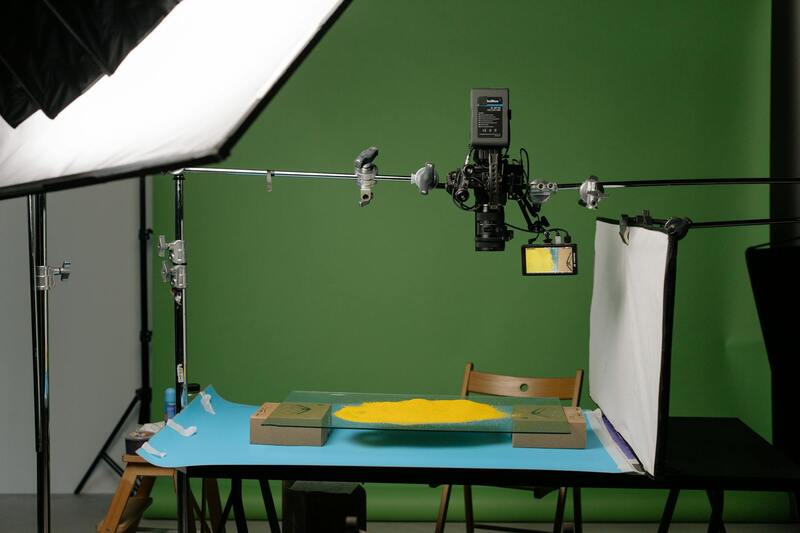
Lighting is another core element in realty photography. Natural light, when available, should be harnessed to illuminate interiors, presenting rooms as welcoming and vibrant. Photographers often shoot during the day, using window light to create soft, even illumination. Supplementing natural light with professional lighting equipment—such as softboxes or diffusers—can help eliminate shadows and accentuate key features without overexposing areas.
Posture and camera angle choices directly influence the viewer's perception of space. Shooting from eye level tends to produce more relatable images, while varying angles can highlight specific architectural details or unique property features. For exterior shots, capturing the home from multiple vantage points ensures that potential buyers can visualize the property’s curb appeal and surrounding environment comprehensively.
Additionally, setting the correct aperture allows for the desired depth of field while keeping most of the scene in sharp focus. Adjusting shutter speed appropriately helps avoid motion blur, especially in lower light conditions. Consistency in these technical aspects across all images enhances the overall professional appearance of a property’s visual presentation.
Finally, it’s vital to review each shot on-site to confirm that it accurately reflects the property's true appearance. This practice minimizes discrepancies between online visuals and actual conditions, fostering transparency and building trust with potential buyers. When combined, these techniques ensure that realty photographs are both compelling and truthful representations, ultimately facilitating smoother property transactions and elevating property marketing efforts.
Legal and Ethical Considerations
Maintaining adherence to official standards and practices in realty photography ensures that images portray properties accurately and responsibly. Securing the necessary permits for photographic activities, especially when employing drone technology, underscores a professional approach and aligns with established operational guidelines. Drone usage, for instance, often requires compliance with specific regulations governing airspace and privacy, necessitating proper authorization before capturing aerial shots of properties.
Respect for privacy and property rights forms the backbone of ethical realty photography. This involves obtaining explicit consent from property owners prior to conducting shoots, especially when photographing interior spaces or private surroundings. Photographers should also be diligent about respecting the privacy of neighboring properties when capturing wide-angle exterior shots. This ethical stance fosters trust between all parties involved and positions photographers and real estate agents as responsible professionals.
In practice, adhering to official protocols involves rigorous planning and consultation with local authorities when necessary. For drone operators, this includes understanding and complying with altitude restrictions, flight paths, and no-fly zones. For traditional photography, it involves respecting property access agreements and avoiding intrusive practices. Transparency about the methods used in property photography can also reassure clients and prospective buyers that all representations are trustworthy and legitimate.
Adoption of best practices, such as clearly informing homeowners of the scope of photography, avoids misunderstandings and fosters a cooperative environment. For real estate professionals, partnering with reputable photographers who demonstrate a strong commitment to ethical standards ensures consistency in quality and integrity. When all parties operate within a framework of official and ethical guidelines, the resulting images not only market properties effectively but also uphold the reputation of the realty market as a trustworthy and transparent marketplace.
Legal and Ethical Considerations in Realty Photography
Maintaining professionalism in realty photography extends beyond technical skills; it also involves strict adherence to official procedures and standards that uphold the integrity of property representations. Proper documentation of all photography activities ensures clarity and accountability, especially when working with property owners and real estate agents. Before capturing images, photographers should secure explicit permissions from property owners or authorized representatives, detailing the scope of the shoot and the intended use of images.
For exterior shots, especially those involving wide-angle lenses or drone footage, it is essential to operate within designated boundaries. This includes respecting property lines and adhering to any applicable local ordinances governing airspace and privacy. When drones are involved, compliance with altitude restrictions and flight zone regulations is mandatory, ensuring that drone activities do not interfere with restricted airspaces or neighboring properties.
Integral to ethical photography practices is transparent communication with all stakeholders—homeowners, real estate professionals, and the public. This transparency fosters trust and reassures clients that images accurately reflect the property's condition without misrepresentation. Communicating clearly about the methods and tools used, such as drone flights or panoramic captures, minimizes misunderstandings and promotes a cooperative environment.
Working with reputable photography professionals who follow established best practices guarantees consistency in quality and ethical standards. Such professionalism contributes to a positive reputation for real estate markets, ensuring that property listings are genuine, appealing, and trustworthy. Photographers demonstrating commitment to official guidelines also help uphold the standards of the industry, which benefits all parties involved in the realty process.
From a practical standpoint, official workflows include conducting site surveys beforehand, obtaining necessary permissions, and preparing a detailed shot list aligned with the property’s strengths. During the shoot, respecting personal privacy by avoiding intrusive angles or sensitive areas demonstrates professionalism. Post-shoot, editing and image processing should be executed truthfully, avoiding any manipulative enhancements that could mislead viewers or distort the property's real features.
Implementing these practices not only elevates the perceived value of real estate listings but also minimizes legal complications, bolsters client confidence, and enhances the reputation of realty photography specialists. Each image then becomes a reliable asset that supports transparent and effective property marketing, aligning with the high standards expected within the industry.
Understanding Realty Photography
Realty photography is the cornerstone of effective property marketing in today's competitive real estate environment. It involves capturing high-quality images that accurately showcase a property's features, layout, and ambiance. These images serve as the first point of contact for prospective buyers, making the visual presentation crucial for generating interest and facilitating faster sales. Professional realty photography emphasizes clarity, composition, lighting, and accuracy to ensure that each property is represented in the best possible light. This form of photography not only enhances the property's appeal but also builds trust with potential clients by providing truthful and compelling visuals that reflect the property's true condition and character.
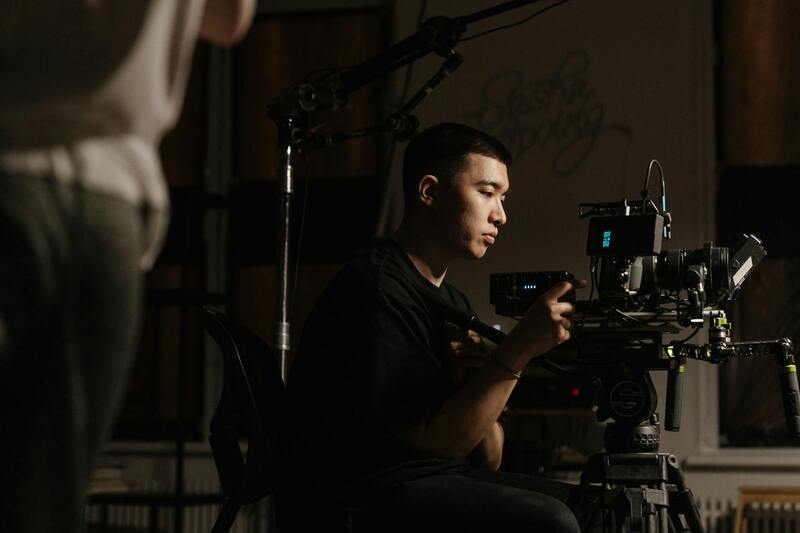
In real estate marketing, the importance of professional imagery cannot be overstated. Well-executed photography helps differentiate a listing in a crowded market, creates emotional connections, and encourages viewers to take the next step—whether scheduling a viewing or initiating negotiations. As realty photography continues to evolve, professionals are adopting specialized techniques and equipment to ensure each shot maximizes the property's visual potential while adhering to ethical standards that promote honesty and transparency in property representation.
Key Equipment and Tools for Realty Photography
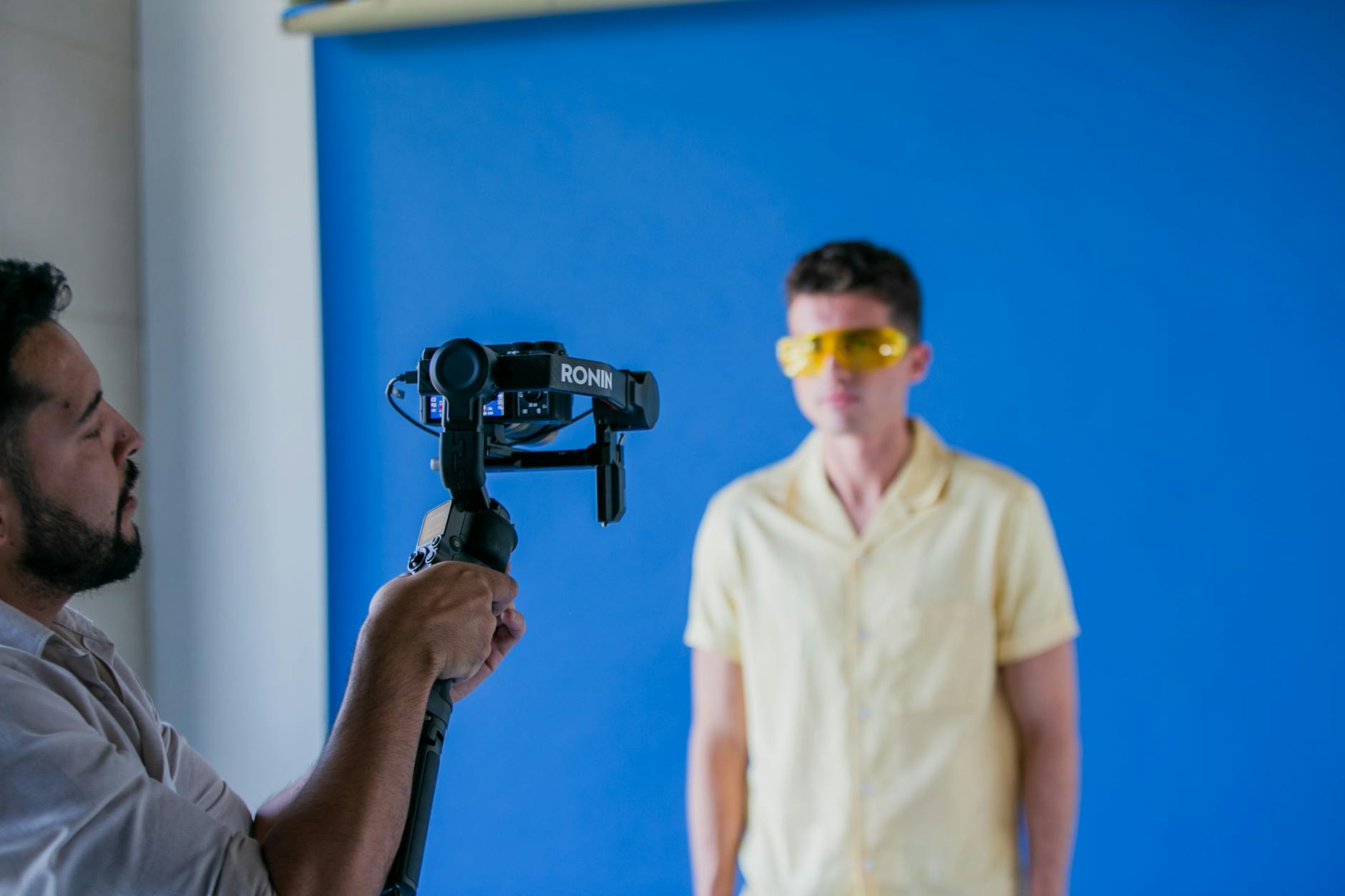
Achieving compelling realty images requires a toolkit that combines sophistication with practicality. The core equipment includes high-resolution digital cameras—preferably full-frame DSLR or mirrorless models—that can capture detailed images in various lighting conditions. A wide-angle lens is essential to encompass the entire room within a single frame, making spaces appear larger and more inviting. Additionally, a sturdy tripod ensures stability during longer exposures, which is vital for capturing sharp images without camera shake.
Lighting is another critical aspect. Natural light is often preferred, but professional photographers also utilize off-camera flashes and reflectors to fill shadows and maintain consistent brightness throughout interior shots. Drones are increasingly being used for aerial views of properties, providing a comprehensive perspective that highlights the property's external features and landscaping. Post-processing software like Adobe Lightroom and Photoshop allows photographers to fine-tune images, correct color balances, and enhance details without creating deceptive visuals.

Investing in the right equipment has a direct impact on the quality of the images produced, which subsequently influences the perception of the property in the market. The ideal setup combines reliable camera bodies, versatile lenses, lighting equipment, stabilization tools, and editing software—all tailored to meet the demands of real estate photography. This comprehensive approach ensures consistency, professionalism, and compliance with industry standards, ultimately supporting realtors and property owners in achieving their marketing goals.
Techniques for Capturing Stunning Property Images
Capturing stunning property images involves more than just having quality equipment; it requires a set of well-honed techniques that emphasize composition, lighting, and perspective. First, understanding the property’s architecture and unique features allows the photographer to highlight selling points effectively. Utilizing natural light during optimal times of the day—like early morning or late afternoon—can greatly enhance the warmth and ambiance of interior shots.
Frame the shot to emphasize symmetry and balance, ensuring that lines are straight and angles are aligned correctly. When photographing interiors, shoot from a corner viewpoint to add depth and dimension, making spaces feel larger and more inviting. Incorporating wide-angle lenses enables capturing more of the room in a single image, but care should be taken to avoid distortion that misrepresents the space. For exteriors, aerial drone shots can provide a panoramic view of the property and its surroundings, adding a layer of context and appeal.
- Adjust camera settings to optimize exposure, ISO, and aperture for consistent lighting.
- Use HDR techniques to balance bright windows with darker interior details.
- Ensure that all images are sharp, properly exposed, and free from clutter or distractions.
- Maintain a consistent style across all images to create cohesive marketing materials.
Mastering these techniques enables realty photographers to produce images that not only attract attention but also accurately represent the property, fostering trust and confidence among prospective buyers.
Post-Processing and Editing Tips
Post-processing plays a pivotal role in the final presentation of real estate images. The goal is to enhance clarity, correct color balance, and ensure that the images depict the property honestly while appearing visually appealing. Begin by importing photos into editing software such as Adobe Lightroom, where adjustments to exposure, contrast, and white balance can be made uniformly across the set. This ensures a consistent look that aligns with the actual property features.
Removing minor imperfections, such as dust spots or distracting reflections, helps create polished images that look professional. Brightening shadows and reducing highlights can recover details lost in overly contrasted shots. When necessary, applying subtle lens correction tools can fix distortion caused by wide-angle lenses, preventing the perception of unnatural angles. The use of HDR processing can help balance scenes with mixed lighting, making interior spaces look realistic and inviting.
Be cautious to avoid over-editing. Excessive sharpening or saturation can distort the true appearance of the property, potentially leading to mismatched expectations. Instead, aim for a natural, vibrant look that invites viewers to imagine themselves in the space. Final images should be optimized for web use, with appropriate resolution and file size to ensure fast loading times without sacrificing quality, supporting seamless online viewing experiences and maximizing engagement.
Legal and Ethical Considerations in Realty Photography
Maintaining integrity in real estate imagery is crucial for building trust with clients and prospective buyers. Authentic representations of property features ensure that listings accurately reflect the true condition and layout of the home, avoiding any misleading angles or digital enhancements that could distort perceptions. It is vital for photographers and realtors to adhere strictly to the factual depiction of spaces, including unaltered color tones, natural lighting, and actual room dimensions. In addition, obtaining proper permissions prior to filming or photographing a property is essential. This involves securing consent from property owners or management, especially in cases involving leased spaces or homes within gated communities. Respect for privacy encompasses not only the occupants but also neighboring properties, avoiding intrusive shots that might infringe on privacy rights. Furthermore, transparency regarding the use of post-processing techniques fosters credibility. Clearly communicating to clients and viewers the extent of editing or enhancement ensures that expectations are set appropriately, reducing potential disputes or misunderstandings. For instance, specifying that certain images have been color-corrected or have undergone minor adjustments helps maintain honesty in marketing materials. Adopting consistent practices for the portrayal of properties enhances professionalism and supports fair marketing standards. Utilizing standardized guidelines for image composition, lighting, and editing safeguards the integrity of listings, benefiting both the seller’s reputation and the overall industry standards.
- Secure explicit permissions before conducting photo shoots.
- Accurately depict property features without exaggeration or misleading enhancements.
- Maintain transparency about editing and post-processing methods used.
- Respect privacy boundaries of property occupants and neighbors.
- Adhere to industry best practices for consistent and honest representation.