
Understanding Event Cinematography
Event cinematography is a specialized craft dedicated to capturing the essence of notable occasions through visual storytelling. Unlike traditional videography, which may focus solely on documenting an event, cinematography emphasizes creating a cinematic experience that authentically narrates the event's emotional flow and significance. In Miami, a vibrant hub for diverse celebrations—from weddings and corporate functions to cultural festivals—precise and creative cinematography plays a vital role in preserving memories that transcend basic documentation. It transforms fleeting moments into compelling visual narratives capable of resonating with viewers long after the event concludes.
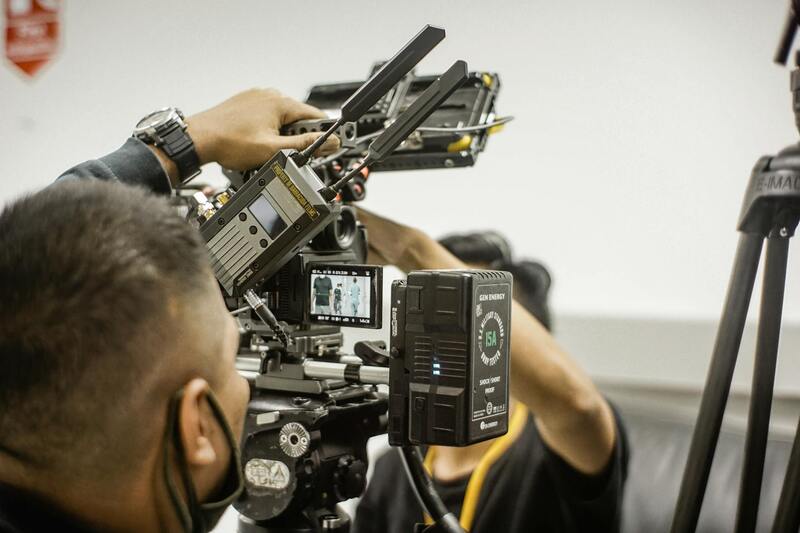
At its core, event cinematography involves a combination of technical expertise, artistic vision, and storytelling ability. Experienced cinematographers meticulously plan their approach to ensure each shot contributes to the overarching narrative of the event, facilitating a seamless blend of candid moments, staged sequences, and emotional highlights. This meticulous approach results in a film that not only documents what occurred but also conveys the atmosphere, mood, and personal significance cherished by the clients.
In Miami’s diverse event landscape, the importance of professional cinematography is magnified by the city’s vibrant cultural fabric and scenic backdrops. Whether capturing a sunset wedding on South Beach or a corporate gala downtown, cinematographers employ their craft to tell stories that are visually stunning and emotionally impactful. They utilize a range of cinematic techniques and equipment to craft videos that stand out in quality and storytelling finesse, ensuring clients receive a lasting keepsake of their special day designed to be shared for generations.
The Role of Visual Documentation in Miami Events
Miami's locale offers unique opportunities for event cinematographers to leverage scenic landscapes, architecture, and lively street scenes as part of their storytelling. The visual documentation provided by professionals ensures that both the big picture and intimate moments are preserved with clarity, vibrancy, and emotional depth. This dual focus creates a comprehensive visual record that captures not just the event's logistics but also its emotional essence, making the footage a true reflection of the celebration's spirit.
The sophisticated use of camera movement, color grading, and sound design further enhances the storytelling. These elements work together to craft engaging narratives that resonate long after the event concludes. Moreover, a well-crafted event film can serve as versatile content, suitable for sharing across social media platforms or for private viewing by family and friends, ensuring the memories remain accessible and engaging over time.
Choosing a Professional Event Cinematographer for Your Miami Celebration
Selecting an experienced cinematographer is critical to achieving a cinematic representation of your event. Professionals understand the nuances of lighting, composition, and timing, enabling them to adapt to varying event conditions and personalities. Their expertise ensures that every significant moment is captured authentically and artistically, providing a comprehensive and emotionally compelling narrative. Engaging a local Miami-based cinematographer also offers the advantage of intimate knowledge of the city's unique event venues and cultural nuances, adding an extra layer of authenticity and finesse to the final product.
In sum, event cinematography serves as a powerful vehicle for storytelling, capturing the vibrancy and emotion of Miami's diverse celebrations. When executed with professionalism and artistic vision, it transforms fleeting moments into timeless films, allowing clients to relive their cherished memories with clarity and emotion through visually captivating narratives.
Pre-Production Planning for Event Cinematography
Effective event cinematography begins long before any footage is captured. A comprehensive planning phase is essential to ensure that every critical moment is documented, aligning the videographer's efforts with the client's vision and logistical realities of the event. This stage involves detailed communication with the client to understand their priorities, expectations, and any specific moments they wish to emphasize.
Understanding the event schedule is fundamental. A well-structured timeline allows the cinematographer to allocate resources efficiently, determine optimal placement for cameras, and anticipate peak moments that require special attention. Additionally, mapping out venue considerations—such as lighting conditions, space constraints, and available power sources—enables the crew to prepare suitable equipment and setups.
Discussing the event's flow, including key segments like ceremony, speeches, performances, or dance, helps in devising a shot list that captures these moments with clarity and artistic intent. Coordination with event planners and venue staff facilitates smooth logistics, reducing disruption and ensuring unobtrusive coverage. This proactive approach guarantees that technical aspects, such as camera angles, movement, and audio recording, are tailored to the environment and event type.
Equally important is understanding the stylistic and narrative goals of the film. Whether the client prefers a documentary feel, cinematic storytelling, or a blend of both, clarifying these preferences guides decisions on filming techniques and post-production editing styles. Pre-production discussions often encompass selecting the appropriate equipment, deciding on the number of cameras, and planning shot sequences that reflect the event’s ambiance and significance.
Overall, meticulous pre-production planning mitigates uncertainties, enhances coordination, and secures a cohesive vision that aligns filming efforts with the event’s unique characteristics. This preparation sets the stage for cinematic success, transforming fleeting memories into enduring visual narratives that faithfully reflect the emotion and vibrancy of your Miami celebration.
Implementing Effective Filming Techniques to Capture Dynamic Events
Capturing the energy and vibrancy of a live event requires a nuanced understanding of advanced filming techniques. A skilled event cinematographer employs a combination of dynamic shot selection, strategic camera movements, and real-time adjustments to faithfully record the event's atmosphere. Techniques such as tracking shots to follow performers or speakers, static wide-angle shots for environmental context, and intimate close-ups to capture emotional expressions ensure a comprehensive narrative. Additionally, employing a variety of shot sizes guarantees visual interest and depth, highlighting key moments distinctly from background activity.
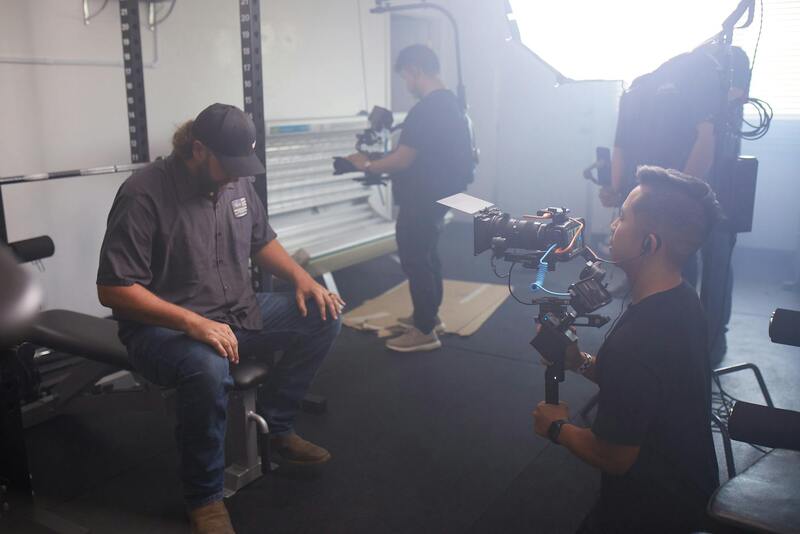
In high-energy settings like dance performances or live music, the ability to adapt filming techniques to the event's rhythm is crucial. Fast-paced scenes benefit from quick cuts and camera pans, while more formal moments, such as speeches or vows, call for steady, deliberate shots. Utilizing motorized gimbals and stabilizers allows movement to be smooth and controlled, even in crowded or confined spaces. These tools facilitate seamless transitions between scenes, maintaining a cinematic quality that elevates the final video.
Employing Precise Lighting and Stability Measures
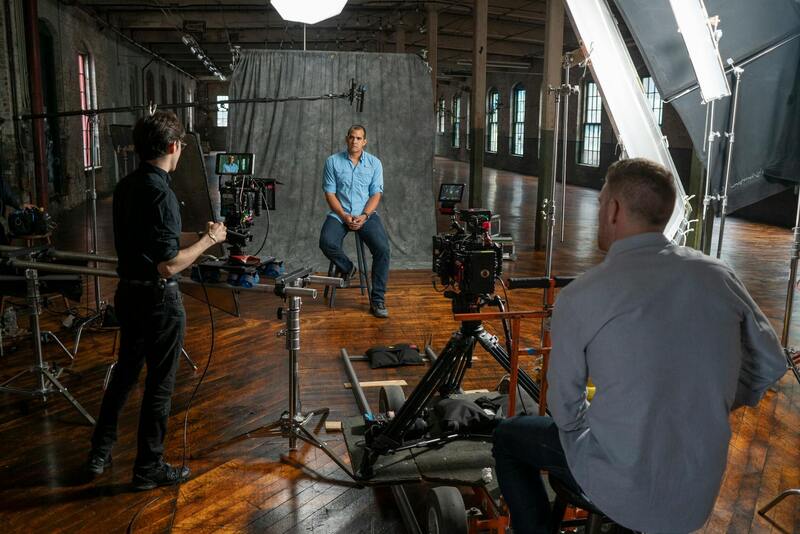
Lighting control plays a pivotal role in ensuring footage remains vivid and clear, especially in variable lighting environments typical of Miami venues. Techniques such as fill lighting, bounce, and reflectors help illuminate subjects without overpowering ambient light. For darker settings, high ISO capabilities paired with fast lenses enable the recording of sharp images without noise or blur. Moreover, deploying stabilization equipment like shoulder rigs, tripods, and gimbals minimizes jitter and shakiness, ensuring a polished look throughout the event coverage.
In challenging conditions such as interiors with low or uneven lighting, quick adjustments in camera settings, combined with portable lighting solutions, help maintain image quality. For outdoor or evening events, HD or 4K cameras with high sensitivity sensors capture finer details and richer color profiles, making the visuals more lifelike. Cinematographers often prepare backup equipment to anticipate technical issues, maintaining continuity and professionalism during live coverage.
Optimizing Audio Capture for Clear Narratives
Audio quality is equally important in crafting a compelling event film. Employing high-quality shotgun microphones, wireless lapel microphones, and portable audio recorders ensures speech intelligibility and ambient sound richness. Proper placement of microphones near speakers or performers captures authentic audio without unwanted noise interference. For large venues, directional microphones focus on the intended sound sources, reducing background noise. Synchronizing audio cues with visual footage during editing enhances storytelling, drawing viewers into the event’s emotional core.
Integrating Technology for Precision and Flexibility
Advanced cinematography in Miami events benefits from utilizing cutting-edge technology. High-definition multicamera setups allow simultaneous coverage of multiple angles, providing versatility during editing. Remote control and wireless transmission systems facilitate flexible camera positions, even in tight or inaccessible spaces. Drone footage, where permissible, adds breathtaking aerial perspectives, showcasing the event setting within its environment. The adoption of real-time monitoring tools enables cinematographers to review shots on the fly, ensuring adherence to artistic vision and technical standards.
By meticulously combining these techniques with the appropriate equipment, event cinematographers can produce compelling narratives that faithfully preserve the energy and emotion of Miami’s vibrant gatherings. Tailored strategies for every unique event ensure coverage that is not only technically proficient but also artistically engaging, resulting in timeless visual records of special moments.
Choosing the Right Filming Techniques for Engaging Event Coverage
Effective event cinematography hinges on deploying precise filming techniques that encapsulate the dynamic atmosphere of each occasion. Cinematographers must consider using various camera angles and movements to craft a vivid narrative that resonates with viewers. For instance, wide-angle shots establish the grandeur of the venue, setting the stage for the event's scale and ambiance. Close-up shots focus on expressions and details, capturing raw emotion and significance. Incorporating camera movements such as slow, sweeping pans or quick dolly shots introduces motion that complements the energy of moments like keynote speeches or lively dances.
Multi-camera setups are invaluable in covering high-energy events, ensuring no pivotal moment goes unnoticed. Synchronizing footage from different angles during editing allows seamless transitions, creating a fluid storytelling experience. For example, switching from a wide shot of the entire room to an intimate close-up of a speaker enhances engagement, offering viewers a comprehensive yet personal perspective.
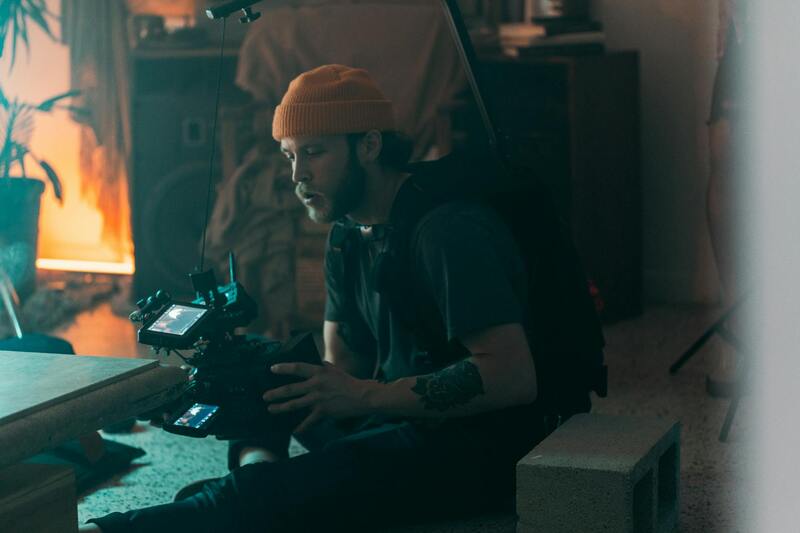
Moreover, capturing key moments with strategic timing and camera positioning ensures that the essence of the event is preserved. Cinematographers are trained to anticipate these moments, whether it’s a spontaneous toast, a theatrical performance, or a candid reaction. Utilizing steady camera rigs and smooth stabilization tools prevents shaky footage, maintaining a polished and professional appearance.
In challenging environments, such as poorly lit venues or outdoor settings, cinematographers adapt by employing equipment like high ISO cameras, advanced gimbals, and stabilization systems that maintain clarity and stability. Using a combination of shot sizes—from establishing shots to detailed close-ups—creates visual variety that keeps viewers engaged and emotionally invested. Capturing movement in composition, such as guests arriving or performers in action, injects vibrancy into the final cut.
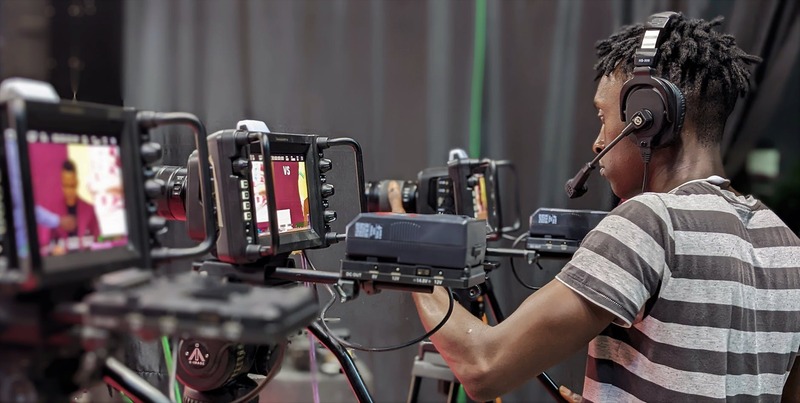
Ultimately, selecting appropriate filming techniques tailored to each event’s nature and environment yields content that is both visually compelling and narratively cohesive. By leveraging advanced equipment and thoughtful shot planning, professionals can produce event footage that authentically documents memorable moments with cinematic excellence, aligning with the high standards expected by discerning clients in Miami and beyond.
Choosing the Right Shooting Techniques and Camera Movements for Event Cinematography
In the realm of event cinematography, the choice of shooting techniques directly impacts the storytelling quality and viewer engagement. Professional cinematographers employ a range of camera movements and framing strategies tailored to highlight key moments and capture the ambiance of the event. Techniques such as slow pans, smooth dollies, and dynamic tracking shots are often used to add motion and emotional depth to the footage, helping viewers feel immersed in the event. Implementing these movements thoughtfully creates a visual rhythm that guides the audience through the story seamlessly.
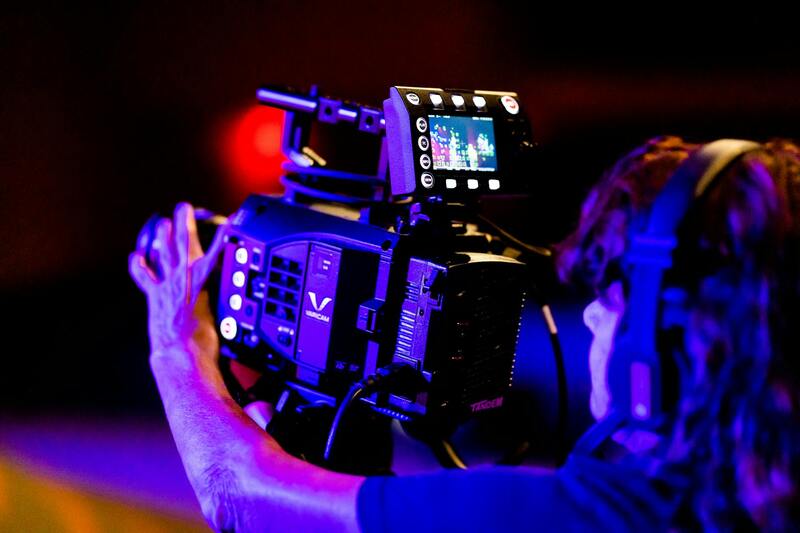
For instance, a steady cam or gimbal allows for fluid tracking shots that follow performers or guest interactions without sacrificing stability. Crane shots or drone footage can also be integrated to introduce sweeping views of large outdoor venues or grand indoor spaces, providing context and scale that enrich the narrative. When capturing emotional reactions or candid moments, a handheld approach with stabilized equipment can add intimacy and immediacy. Combining various shot sizes—wide, medium, close-up—ensures visual variety and emphasizes different facets of the event, from the overall atmosphere to detailed expressions.
The thoughtful application of cinematic techniques ensures that each scene serves a purpose within the overall story, whether it's highlighting a speaker, a dance performance, or a heartfelt toast. Proper camera placement and movement not only preserve the authenticity of spontaneous moments but also elevate them to cinematic levels, resonating profoundly with viewers. In practice, planning these techniques during pre-production—considering the venue layout, lighting conditions, and event flow—is integral to capturing footage that is both visually stunning and narratively impactful.
Optimizing Film Composition in Dynamic Environments
Event environments are inherently unpredictable, requiring cinematographers to adapt quickly to changing situations while maintaining high-quality footage. Composition techniques such as rule of thirds, leading lines, and depth layering are employed to create balanced and engaging shots. When shooting in crowded or fast-paced settings, maintaining clear lines of sight and strategic positioning becomes crucial to avoid obstructed views and missed moments.
In addition to static framing, creative use of camera angles can add excitement and perspective. Low-angle shots can emphasize grandeur, while high-angle views may capture crowd interactions or venue layouts effectively. Shooting from multiple vantage points and utilizing discreet camera setups allow cinematographers to cover more ground and capture spontaneous reactions without disrupting the event’s natural flow.
Another essential aspect is the integration of cinematic equipment tailored for mobility and stability. Lightweight stabilizers, remotely operated cameras, and advanced rigging systems enable capturing complex shots in dynamic settings without sacrificing image quality. Precise coordination between camera operators and event organizers ensures that coverage aligns with key moments and minimizes interference, resulting in a comprehensive and compelling narrative.
Understanding Event Cinematography
Event cinematography in Miami demands a strategic approach that prioritizes official methodologies for capturing authentic and impactful footage. Skilled cinematographers rely on proven techniques and equipment designed specifically for dynamic environments. These methods ensure the preservation of key moments while maintaining high production standards, ultimately delivering a compelling visual narrative that resonates with viewers. Emphasizing official practices guarantees consistent results and upholds the integrity of the event storytelling process, setting a professional standard that clients can trust.
Use of Professional Equipment
In professional event cinematography, selecting the appropriate equipment is fundamental. The deployment of certified cameras, stabilizers, and sound equipment adheres to industry standards, ensuring footage remains clear, smooth, and balanced under various conditions. Utilizing high-quality lenses optimized for low light, coupled with sound recording devices that meet official specifications, guarantees the production of footage that is both visually stunning and audibly crisp. These tools are essential for capturing significant moments with authenticity and detail, particularly in unpredictable settings typical of large-scale events.
Adherence to Official Filming Protocols
Following established protocols for filming in public and private venues is critical. This includes obtaining necessary permissions, respecting designated areas, and employing respectful camera positioning to avoid interference with event proceedings. Standardized shot lists, coordinated timing, and reserved access to key locations ensure comprehensive coverage without disrupting the natural flow of the event. Methodical planning in line with official procedures minimizes risk and guarantees that all critical moments are documented professionally and reliably.
Training and Certification
Certified training programs underpin official event cinematography practices, instilling a thorough understanding of technical skills and professional ethics. Cinematographers trained through recognized certification programs demonstrate expertise in camera operation, lighting, sound, and post-production processes aligned with industry standards. Such qualifications reinforce adherence to official methods, fostering confidence in the consistency and quality of the visual content produced. Continuous education ensures cinematographers stay abreast of evolving techniques and equipment, maintaining excellence across all phases of event documentation.
Implementing Standardized Editing and Post-Production Processes
Post-production workflows follow strict established guidelines to present footage cohesively. Using professional editing software and adhering to industry best practices ensures that color grading, sound mixing, and sequencing meet the highest standards. These processes often involve official review stages, where editors verify compliance with predefined visual and narrative objectives. Maintaining consistency in editing practices assures a polished, professional final product that accurately represents the event and its significance, aligning with accepted cinematic standards.
Ensuring Privacy and Data Security
Official event cinematographers prioritize privacy and security by implementing rigorous data management protocols. This includes secure storage of raw footage, controlled access during editing, and final delivery through trusted channels. Respecting client confidentiality and adhering to contractual agreements safeguards the integrity of the footage. These practices reinforce trust and uphold the professionalism associated with official documentation processes, forming a foundation for reliable and respected event cinematography services.
Methods for Ensuring Compliance with Official Filming Protocols
Maintaining adherence to professional standards during event cinematography involves a comprehensive understanding of official guidelines that govern filming activities. Cinematographers working on sanctioned events implement meticulous planning processes that align with the event organizers' directives and industry best practices. A key component is obtaining necessary permissions and clearances from relevant authorities or event coordinators, ensuring that all filming activities are coordinated seamlessly within designated areas and times. This approach minimizes disruptions and guarantees that the filmed content authenticates the event's atmosphere.
Equipping oneself with official credentials or identification, when required, adds an additional layer of professionalism and transparency. Such credentials often serve as proof of authorized access, especially in secured or private event settings. Moreover, cinematographers should familiarize themselves with local regulations or policies regarding drone operations, sound recordings, and venue-specific restrictions. By proactively engaging with event organizers and venue managers, professionals ensure that their filming activities are in accordance with established protocols.
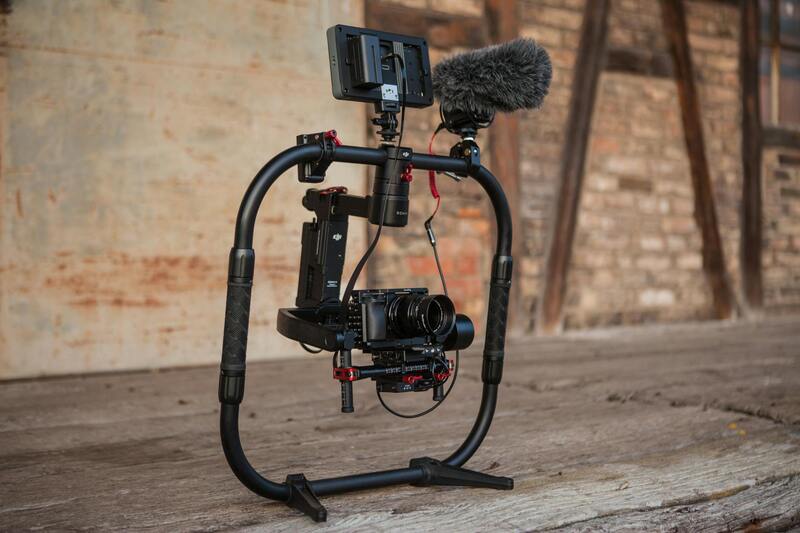
Strategies for Verifying Equipment Compliance and Safety Standards
Legitimate event cinematography relies heavily on deploying equipment that meets prescribed safety and quality standards. Cinematographers employ only certified and well-maintained gear, including cameras, stabilizers, lighting, and audio devices. Prior to filming, comprehensive equipment checks are performed to verify operational integrity and safety compliance, reducing the risk of malfunctions during critical moments.
Utilizing equipment according to the manufacturer’s guidelines helps maintain safety standards, particularly when operating heavy, electrical, or aerial devices like drones. For drone operators, this includes complying with flight height restrictions, avoiding no-fly zones, and conducting pre-flight inspections. Clear documentation of equipment calibration and maintenance also demonstrates commitment to professional integrity and safety, which is often scrutinized in official event settings.
Utilization of Authorized Filming Methods and Techniques
Implementing authorized filming methods entails adhering to accepted cinematographic techniques that are recognized and approved in public and private event contexts. For instance, using designated areas for camera setups and avoiding excessive interference with the event flow shows respect for the venue and attendees. Employing silhouette shots, steady stabilizations, and discreet camera angles ensures minimal distraction, aligning with professional standards.
When capturing dynamic scenes, operators should coordinate with event personnel to synchronize movements and avoid obstructing key moments. This requires thorough pre-event planning and realtime communication to adapt to evolving scenarios, ensuring that filming activities remain within the scope of permitted methodologies.
Implementing Confidentiality and Data Security Measures
Protecting sensitive footage and data during event cinematography necessitates strict confidentiality protocols. Secure storage solutions like encrypted drives and cloud services with robust access controls are standard practices for managing raw footage. Post-filming, footage should only be accessed and edited by authorized personnel, and final products should be securely transmitted through encrypted channels.
Establishing clear contracts that specify confidentiality expectations and data handling procedures reinforces the professionalism of the cinematography service. This not only prevents unauthorized dissemination but also builds trust with clients and event organizers. Maintaining meticulous records of footage access and transfer logs further guarantees compliance with privacy standards, ensuring that the documented event remains protected and properly managed.
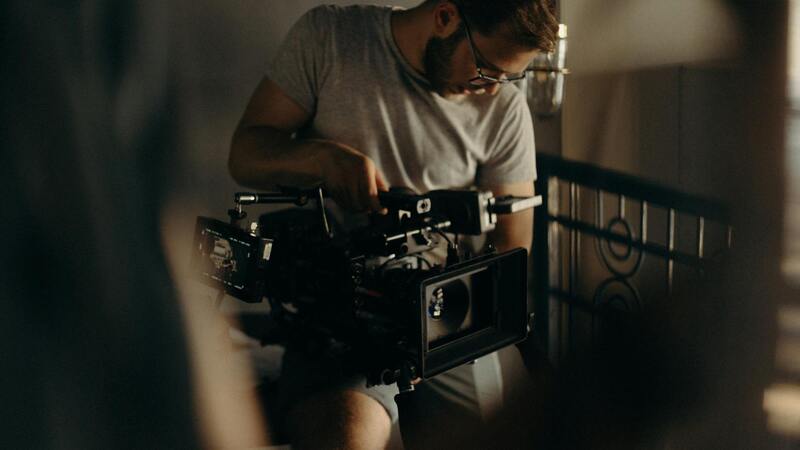
Advanced Delivery Methods for Event Cinematography
After a comprehensive filming and editing process, the ways in which client deliverables are provided significantly influence the overall professional quality and satisfaction. Modern event cinematography leverages a variety of official methods to ensure the highest fidelity and security of the final product. These approaches not only accommodate diverse client preferences but also uphold the integrity of the content shared.
High-Resolution Digital Files
One of the primary methods for delivering event films involves providing high-resolution digital files. These often include formats such as ProRes or DNxHR, offering superior image quality suitable for commercial use, archiving, or further editing. Distributing these files through secure, encrypted cloud storage platforms allows clients to access their footage conveniently while maintaining the privacy and safety of the content. This method also simplifies the process of sharing large video files without the need for physical media, making it a standard in professional event cinematography.
Streaming and Online Access
Streaming platforms dedicated to client privacy serve as an official and effective way of sharing event videos. Customized private links allow clients to view their footage directly through secure portals without risking unauthorized distribution. Streaming ensures quick access for clients and guests, especially in the context of large audiences or remote viewing scenarios. High-definition streams with password protection or user-specific access controls underscore the commitment to secure, professional delivery standards.
Physical Media for Premium Quality
While digital delivery is prevalent, physical media such as branded USB drives or external hard drives remain a reliable method for presenting final cuts, particularly for clients valuing tangible keepsakes. These media are typically encrypted or password-protected to prevent unauthorized access. The physical form also provides an aesthetic and memorable keepsake, strengthening the perceived value of the cinematography service.
Client Portals and Secure Web Portals
Many professional cinematography firms utilize customized client portals—a secure online interface designed to host the final videos. These portals facilitate not only delivery but also feedback and revision requests, streamlining communication and project management. Encryption protocols and robust access controls ensure that only authorized users can view or download the content, aligning with the standards of professionalism and data security.
Offline and Offline-Accessible Formats
For events where internet access may be unreliable or where clients prefer controlled environments, offline distribution methods such as encrypted DVD or Blu-ray discs are employed. Although less common, these formats are suitable for formal presentations, archival purposes, or formal distribution environments, reinforcing the official nature of the delivery process.
Ensuring Proper Video Compatibility and Standardization
High-quality event cinematography maintains compatibility across multiple viewing platforms. Standard formats such as MP4 or MOV, optimized for both web and broadcast viewing, guarantee that the videos are universally accessible without compromising quality. Adhering to industry standards for codec and resolution ensures the footage remains pristine regardless of the device or platform used for viewing.
Implementing Confidentiality and Data Security Protocols
Protecting the event footage during and after delivery involves rigorous security protocols. These include encrypted storage during transit, multi-factor authentication for access, and detailed logs of all file transfers. Professional cinematography providers often employ digital rights management (DRM) options and watermarking to prevent unauthorized use or distribution of the videos. Collectively, these methods demonstrate a commitment to safeguarding sensitive content and upholding the trust placed in cinematography professionals.
By adhering to verified, official methods of delivery, event cinematographers reinforce their dedication to quality, security, and client satisfaction. This professional approach ensures the final product remains intact, accessible, and protected throughout its lifecycle, while reflecting the high standards expected within the industry.