
Understanding Event Videography
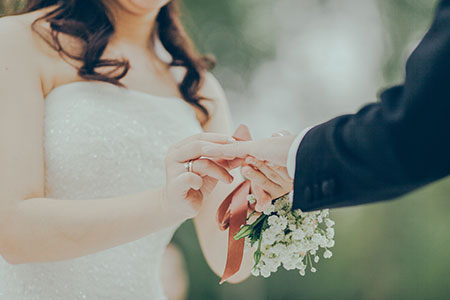
Event videography is a specialized branch of visual content creation focused on recording live events with a high degree of professionalism and attention to detail. It involves capturing the essence, atmosphere, and key moments of gatherings ranging from corporate functions to social celebrations. Unlike static photography, which freezes moments in time, event videography aims to deliver a dynamic, immersive experience that allows viewers to relive the event as if they were present. This discipline encompasses a variety of filming techniques, equipment, and post-production skills to produce compelling videos that engage audiences and serve multiple purposes.
The primary purpose of event videography is documentation—preserving the memories of important occasions for moments that matter most. These videos are invaluable for personal milestones such as weddings, anniversaries, and birthdays, as well as corporate or community events including conferences, product launches, and charity galas. Event videography enhances the reach and impact of an event by providing a visual record that can be shared across various channels, including social media, company websites, and internal communications.
However, event videography differs significantly from other types of visual content creation. While photography captures fleeting expressions and moments, videography offers a continuous narrative that allows for storytelling through movement, sound, and editing. Skilled videographers pay close attention to elements such as lighting, sound quality, camera angles, and timing to ensure each clip contributes to the overall story. They adapt to the live environment—managing unpredictable conditions, dynamic lighting, and spontaneous moments—to produce a polished final product.
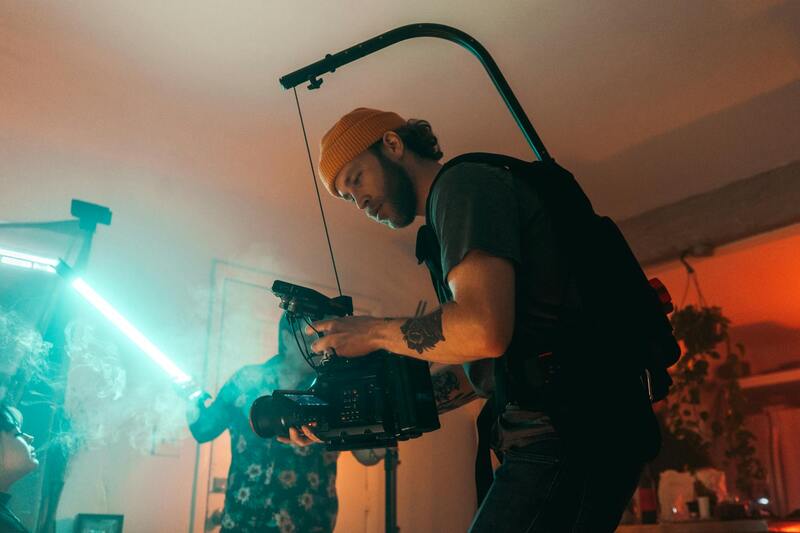
High-quality event videography demands both technical mastery and artistic sensibility. The videographer’s role extends beyond mere recording; they are storytellers who craft visual narratives that resonate with audiences. This process involves pre-event planning, where understanding the client’s expectations and the event’s significance helps in devising a comprehensive filming strategy. During the event, videographers employ professional-grade equipment, including multiple cameras, stabilizers, and microphones, to ensure every important detail is documented effectively.
Furthermore, the importance of sound cannot be overstated in capturing the true atmosphere of an event. Clear audio recordings of speeches, performances, and ambient sounds make the final product more authentic and engaging. As such, event videographers often utilize wireless microphones, boom microphones, and advanced audio editing techniques, emphasizing the clarity and richness of sound. Their expertise extends to managing live lighting conditions, which vary widely across venues, from brightly lit halls to more subdued settings, all while maintaining consistent visual quality.
In addition to technical skills, professionalism and understanding client preferences play a crucial role. Whether documenting a high-profile corporate event or a casual community gathering, the videographer must blend into the environment seamlessly, respecting guests and maintaining a discreet presence. Effective communication prior to the event ensures that all key moments are prioritized and captured according to the client’s vision.
Overall, event videography stands out as a vital service in delivering a lasting record of live occasions. Its purpose extends beyond simple documentation, serving as a tool for marketing, celebration, and historical preservation. In Miami, a hub of diverse and vibrant events, the demand for experienced videographers has grown significantly, reflecting the increasing recognition of the power of professional video content in making events memorable and impactful.
Understanding Event Videography
Event videography involves capturing live occasions with precision and artistic vision, transforming fleeting moments into enduring visual narratives. The process begins with meticulous planning to ensure that every critical aspect of the event is documented, from key speeches and performances to candid interactions among attendees. A professional event videographer employs a combination of skillful camera work, lighting techniques, and audio management to produce a polished final product that accurately reflects the atmosphere and significance of the occasion.
Depending on the type of event, the videographer may utilize multiple cameras and advanced stabilization tools to ensure smooth footage. For indoor events with challenging lighting conditions, they often deploy auxiliary lighting solutions or camera settings calibrated for optimal exposure. Simultaneously, high-fidelity audio equipment, such as wireless microphones and directional mics, are used to record speeches, performances, and ambient sounds with clarity, ensuring the final video is both visually and sonically engaging.
Post-production is equally vital, allowing for the editing of raw footage into a compelling story. This phase includes color correction, sound mixing, and the addition of graphics or titles as needed. The ultimate goal is to craft a cohesive video that resonates emotionally and professionally, aligning with the client's vision and purpose of the event.
Technical Skills and Professionalism
Proficiency in various filming techniques, such as framing, focus, and camera movements, contributes to a dynamic viewing experience. A seasoned event videographer anticipates moments before they unfold, positioning themselves to capture authentic interactions and candid shots that add depth to the story. Moreover, professionalism manifests in punctuality, adaptability, and respectful engagement with guests, all crucial for operating seamlessly within the event environment.
Understanding Client Needs
Effective communication before the event enables the videographer to understand the key moments clients wish to highlight, whether it's a heartfelt wedding vow or a crucial business milestone. This understanding guides their operational approach, ensuring that the final product accurately reflects the event's essence and fulfills the client’s expectations.
In Miami, where a diverse range of events from cultural festivals to corporate galas are hosted, employing legitimate and reputable videography methods is essential. Using industry-standard equipment and adhering to best practices guarantees superior quality, which clients can trust to preserve their memorable moments with integrity and professionalism.
- Continuous training in emerging filming technology
- Use of authorized equipment and software
- Adherence to industry standards for audio and visual quality
- Clear communication and planning with clients
- Respect for the event environment and guest privacy
Official Techniques for Capturing Authentic Moments
Employing legitimate event videography methods begins with the utilization of industry-approved equipment, ensuring the highest quality visuals and sound. Modern professional cameras with stabilized lenses and high-resolution capabilities enable detailed and vibrant recordings that withstand large-display viewing. When combined with authentic sound capture devices such as shotgun microphones or radio microphones, the auditory experience remains clear, immersive, and true to life.
Lighting, a fundamental aspect of reputable videography, must adhere to industry standards to avoid overexposure or underexposure. Use of portable LED panels or diffused lighting equipment ensures consistently balanced illumination that respects the ambient environment while highlighting key moments. Authentication in videography extends to the strategic placement of lighting, capturing natural gestures and expressions without interference.
Editing software and techniques employed during post-production must reflect responsible practices. This involves maintaining an unaltered narrative flow, color grading that faithfully represents the event’s ambiance, and precise audio mixing. Legal and documented workflows guarantee the final product is a genuine portrayal, free from undue manipulation, aligning with client expectations and industry guidelines.
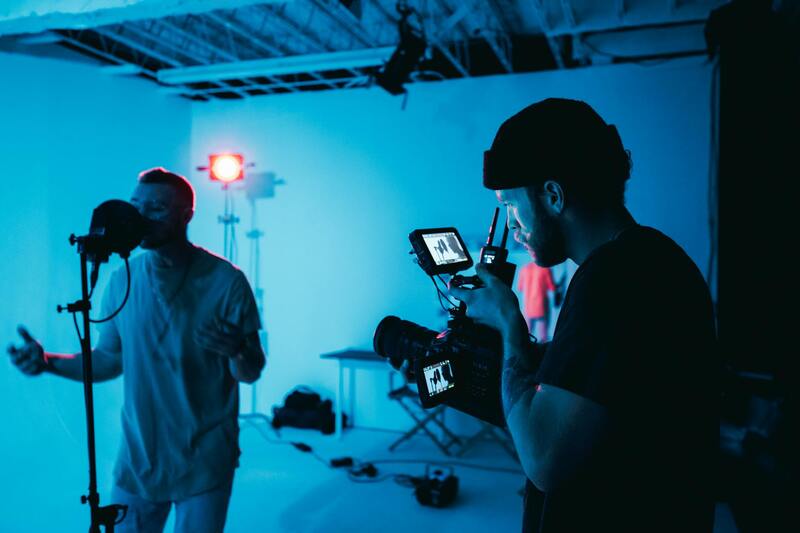
Adherence to Ethical and Industry-Recognized Methods
Part of maintaining credibility in event videography involves respecting privacy and consent protocols. Before filming, clear communication ensures all participants are aware and comfortable with the documentation process. Respectful engagement with guests and event staff is essential to prevent disruptions and uphold a professional atmosphere.
Operational practices dictate that legitimate videographers operate transparently, with proper licensing and authorization to use equipment in various venues. This compliance fosters an environment of trust and guarantees that the captured footage is legally sound for future use and distribution.
The focus on continuous professional development is vital. Industry standards evolve with technological advancements, underscoring the importance of ongoing training. Certified training programs, attended by practitioners in Miami, ensure videographers stay current with emerging techniques and tools, further cementing the quality and authenticity of their work.
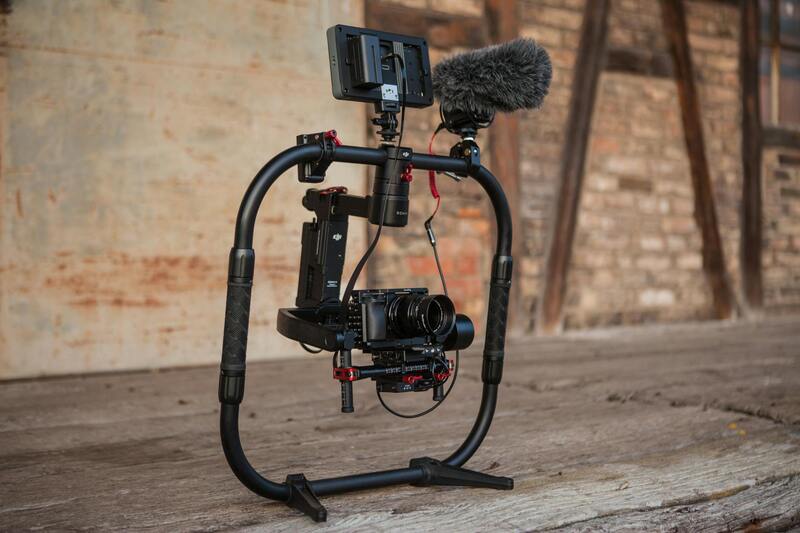
Implementing Reputable Workflow Procedures
From pre-production planning to final delivery, reputable providers follow structured workflows that ensure authenticity and quality. Initial consultation involves detailed discussions about the event scope, key moments, and specific client requests, which are documented for reference. During filming, operational protocols include systematic shot lists, backup procedures, and technical checks to mitigate errors and ensure comprehensive coverage.
Post-production phases emphasize transparency and accuracy. Maintaining raw footage, documenting edits, and using authorized software reinforce accountability and traceability. This systematic approach ensures clients receive a product that genuinely reflects their event, with visual consistency and technical superiority.
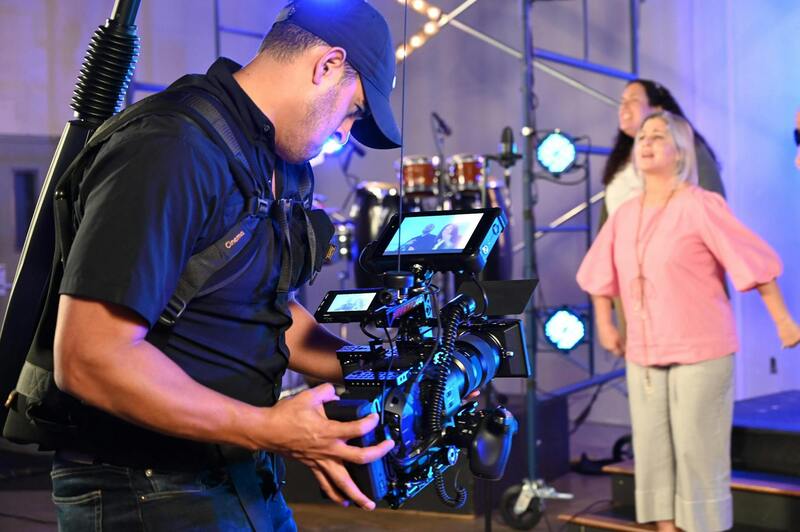
Importance of Certification and Licensing
Legitimate videographers in Miami invest in certification programs and acquire necessary licenses that validate their professional standing. These credentials often include recognized industry certifications such as those from media associations or local business licensing authorities. Certification not only guarantees adherence to established standards but also demonstrates commitment to ethical practices and continuous improvement.
Proper licensing allows videographers to operate within permitted environments, access specialized venues, and utilize equipment safely. These official channels ensure that the resulting content is produced under compliant conditions, fostering trust and confidence among clients seeking reputable services for their valuable events.
Understanding Event Videography
Event videography involves capturing live moments during significant events with a focus on preserving memories, conveying the atmosphere, and ensuring that the essence of an occasion is transmitted through visual storytelling. Unlike casual filming, professional event videography incorporates advanced techniques, specialized equipment, and meticulous planning to deliver high-quality recordings tailored to clients’ specific needs. The process begins with pre-event consultations to understand the event’s purpose, timeline, and desired outcomes, which informs the creative approach and technical setup.
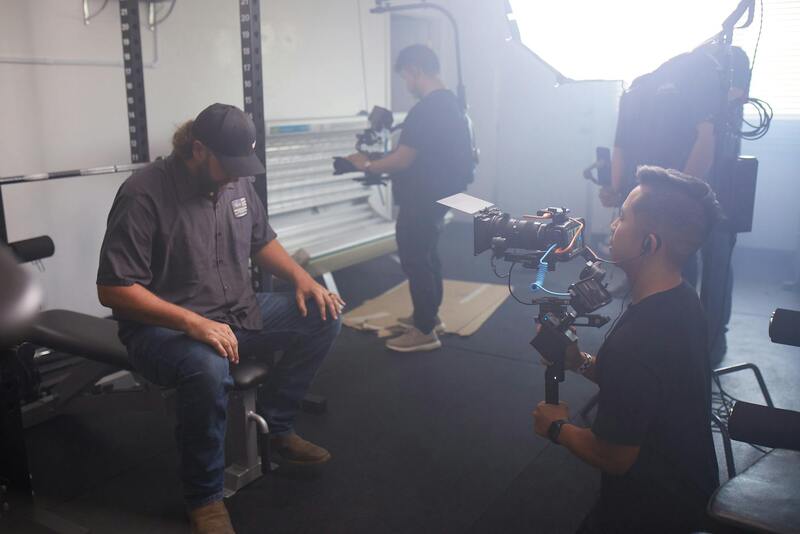
During the actual event, videographers employ a range of equipment such as high-definition cameras, stabilizers, and external microphones to ensure clarity, stability, and optimal sound quality. The use of multiple camera angles allows for comprehensive coverage, capturing reactions, detailed shots, and wide perspectives that collectively produce a dynamic, engaging final product. Strict operational protocols, including systematic shot lists, backup procedures, and real-time technical checks, are essential to prevent errors and achieve seamless coverage.
Post-production is a critical phase where raw footage is edited to craft a coherent narrative. This involves color correction, sound editing, and sometimes incorporating graphics or titles to enhance storytelling. Maintaining organized records of raw footage and documenting each editing step upholds transparency, accuracy, and accountability. Utilizing authorized editing software ensures the integrity of the final product, which becomes a lasting tribute to the event, reflecting both the atmosphere and emotional significance.
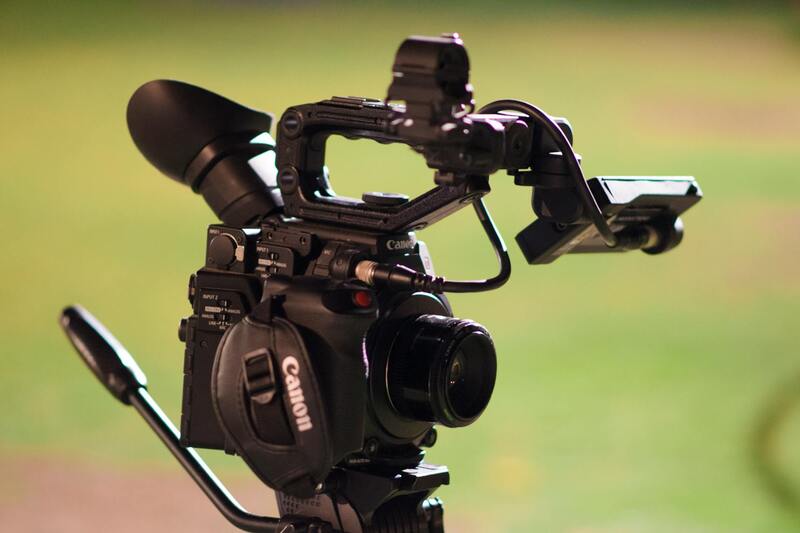
Types of Events Suitable for Videography in Miami
Miami’s vibrant landscape offers a diverse spectrum of events ideal for professional videography, encompassing personal milestones, corporate gatherings, and cultural celebrations. Weddings are among the most popular, with videography capturing emotional vows, scenic venues, and candid moments that tell a unique love story. Corporate events such as conferences, product launches, and award ceremonies benefit from high-quality recordings that serve promotional and archival purposes.
Social events including anniversaries, birthdays, and community festivals are also well-suited for capturing memories with creative angles, drone footage, and audience reactions. Cultural and charitable events, which showcase Miami’s diverse heritage, are particularly enhanced by skilled videographers who understand the importance of documenting the event’s atmosphere and key moments with sensitivity and professionalism.
By tailoring videography services to the specific nature of an event, professionals ensure that every important detail is effectively captured, from preparation phases to the concluding moments, making the footage a valuable resource for future promotional use, personal reminiscing, or organizational history.
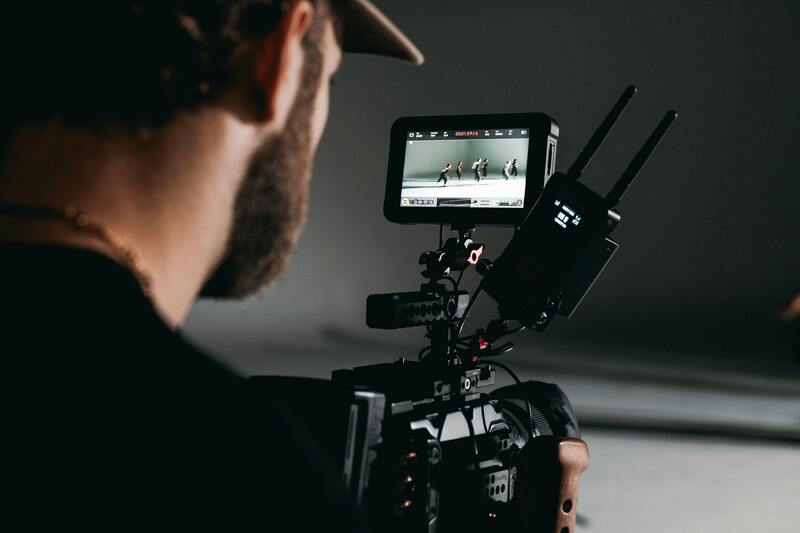
Understanding Event Videography
Event videography encompasses the art of capturing live occasions with a focus on preserving the essence, emotion, and atmosphere of the event. This specialized field involves strategic planning, technical expertise, and creative storytelling to produce compelling visual narratives. Professional event videographers employ a range of equipment, including high-definition cameras, stabilizers, lighting, and audio gear, to ensure every significant detail is documented clearly and engagingly. Moreover, their understanding of framing, lighting conditions, and sound quality ensures that the final footage is polished and suitable for various purposes, whether for personal keepsakes, promotional materials, or archival references.
Technical Aspects of Professional Event Videography
- Camera Selection: Use of 4K or higher resolution cameras for sharp, detailed footage that withstands various display formats.
- Audio Capture: Deployment of wireless microphones and boom mics to ensure clear sound, especially in noisy environments.
- Lighting Setup: Adequate lighting techniques, including portable LED panels or reflectors, to illuminate subjects without disrupting the event’s ambiance.
- Stabilization Equipment: Gimbals, steadicams, and tripods to produce smooth footage, even in dynamic scenarios.
- Dronography: Use of drone technology for aerial shots that add grandeur to large outdoor events.
Capturing Various Styles of Videography
Event videography can adopt multiple styles depending on the event's nature and client preferences. These include cinematic storytelling, documentary-style recording, or highlight reels that focus on key moments. A seasoned videographer tailors their approach to reflect the event's mood, whether it’s a lively wedding reception or a corporate gala. Post-production editing plays a critical role in refining the footage, incorporating music, titles, and special effects to enhance emotional impact and visual coherence.
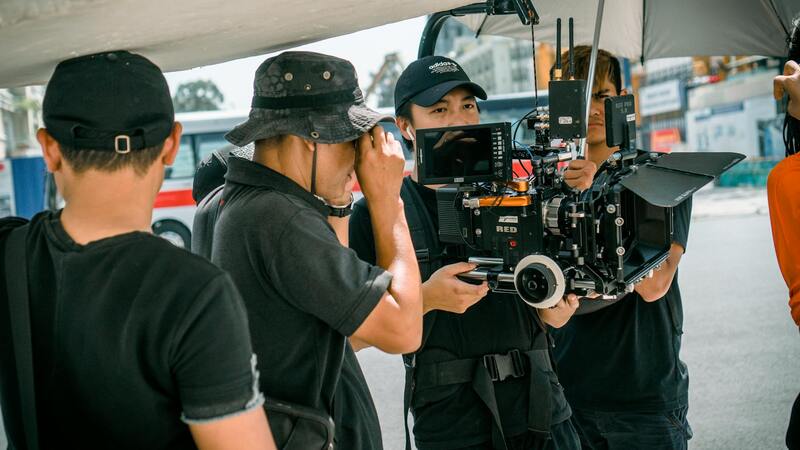
Integrating Latest Innovations in Event Videography
Keeping pace with technological advancements remains essential in delivering superior event videos. Incorporating 360-degree cameras enables immersive experiences for virtual audiences. Livestreaming solutions allow real-time broadcasting, broadening accessibility and engagement. Additionally, innovative editing techniques, including 4D effects and augmented reality overlays, can elevate the production value for high-profile events. These enhancements ensure that footage remains relevant and engaging in a digital landscape that values authenticity coupled with cutting-edge presentation.
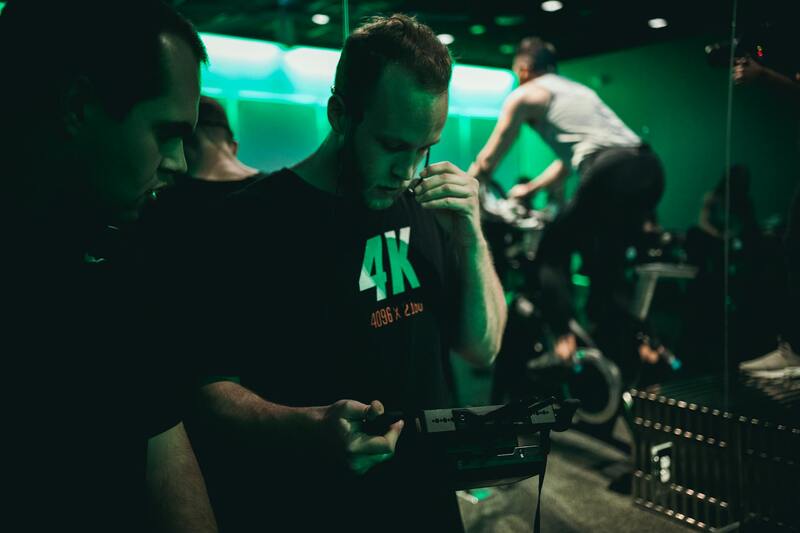
Planning and Preparing for Event Videography
Effective event videography begins long before the cameras start rolling. Thorough planning and preparation are essential to capture every significant detail and ensure the final footage meets client expectations. A detailed schedule helps in coordinating the timing of shots, establishing shot lists, and identifying key moments to focus on, especially in large or complex events. Communicating with clients beforehand provides insight into their vision, preferred styles, and specific moments they want highlighted, enabling the videographer to tailor their approach accordingly.
Equipment selection is another crucial aspect of preparation. Ensuring that the right gear, such as multiple camera setups, stabilizers, audio recording devices, and lighting, are available and in optimal condition mitigates potential technical issues during filming. For outdoor events, contingencies for weather conditions and appropriate protective gear are vital. Additionally, scouting the event location beforehand allows videographers to identify advantageous shooting spots, plan for unobtrusive coverage, and address potential logistical challenges.
On the day of the event, punctuality and professionalism are paramount. Arriving early provides ample time for setup and troubleshooting. Having backup equipment and extra batteries on hand ensures continuous coverage without interruptions. Clear communication with event staff can facilitate smooth access and reveal any restrictions or sensitive areas, helping videographers capture authentic moments unobtrusively.
Furthermore, understanding the schedule of activities aids in capturing key moments without missing critical parts of the event. For wedding videographers, this may include the ceremony, speeches, and first dance, whereas for corporate functions, attention might be on keynote presentations, networking, and award ceremonies. A comprehensive shot list aligned with the client’s priorities ensures no significant moment goes undocumented.
Incorporating these meticulous planning procedures enhances the professionalism and effectiveness of event videography, resulting in a polished final product that authentically reflects the event's essence and resonates with viewers. Deploying reputable and recognized methods in event videography ensures a consistent, high-quality output that authentically reflects the event's essence. Employing stabilized camera systems, such as shoulder rigs and gimbals, enhances footage smoothness, especially crucial during dynamic or energetic segments. High-definition cameras with interchangeable lenses provide versatility, allowing videographers to adapt to various shooting environments, from intimate close-ups to expansive venue captures. Sound quality plays a pivotal role in event videography, making the use of professional-grade microphones indispensable. Wireless lapel mics and shotgun microphones are often utilized to clearly capture speeches, vows, or important announcements without background interference. Additionally, dual audio recording setups serve as backups, safeguarding against technical issues that could jeopardize vital sound elements. Lighting considerations are fundamental, particularly for indoor or evening events. Portable lighting equipment or reflectors are used to illuminate subjects subtly, preventing shadows or overexposure. For outdoor events, videographers often rely on natural light while supplementing with diffusers or reflectors to manage varying light conditions. Scouting the venue prior to the event aids in identifying optimal shooting angles and understanding the light environment. Incorporating multiple camera angles enhances storytelling, giving viewers a comprehensive view of the event. Synchronizing footage from stationary, handheld, and drone cameras provides dynamic visual perspectives that keep the final product engaging. Skilled editing involves color correction, audio mixing, and seamless transitions, which collectively elevate the production value. When capturing live or complex moments, maintaining unobtrusive presence is essential. Using telephoto lenses allows videographers to record candid reactions without disrupting guests, capturing authentic interactions naturally. Remote or wireless technology enables multi-camera operations, ensuring extensive coverage without limiting mobility. Post-production is where raw footage transforms into a compelling narrative. Editors meticulously select the most impactful shots, synchronize audio, and incorporate effects or graphics that align with the event’s tone. Highlight reels distill key moments—such as vows, speeches, or performances—into captivating summaries suitable for sharing on social media platforms or during promotional campaigns. Full-length event videos provide comprehensive documentation, vital for personal keepsakes or professional archives. Advanced editing software techniques, such as multi-layer compositing and color grading, contribute to a polished and visually cohesive final product. Additionally, offering options for live streaming expands audience reach and engagement, especially for events with remote participants. Prompt delivery of the finished videos, aligned with client expectations, enhances overall satisfaction. Clients appreciate tailored packages that include both short highlights and extensive footage, delivered via secure online platforms or physical media, depending on preference. Ensuring accessible, high-resolution formats guarantees the versatility of the video content for various uses. Event videography involves the professional recording of significant moments during a planned gathering or celebration, capturing the essence, ambiance, and emotion of the occasion. This service requires specialized skills, high-quality equipment, and a keen sense of storytelling to ensure that every essential detail is preserved accurately. At its core, event videography extends beyond mere documentation; it transforms fleeting moments into timeless memories that can be revisited and shared across generations. Achieving high-caliber results relies heavily on the videographer’s technical proficiency. Utilizing professional-grade cameras, stabilizers, and audio equipment ensures clarity and stability in footage, even in challenging lighting conditions or dynamic environments. The deployment of multiple cameras allows for comprehensive coverage, capturing different angles and reactions, which adds depth and richness to the final product. Effective event videography is about storytelling—constructing a narrative that reflects the spirit of the occasion. This involves pre-event planning, understanding key moments to emphasize, and adapting to spontaneous happenings. Editors meticulously craft the footage, combining seamless transitions, appropriate music, and visual effects to produce engaging highlight reels and full-length videos that authentically represent the event’s significance. Miami’s vibrant event scene provides a diverse array of occasions where professional videography adds substantial value. From elegant weddings and corporate conferences to capsule celebrations and cultural festivals, the scope is extensive. Events such as: are all prime candidates for professional videography. Each event type demands a tailored approach that respects its unique atmosphere and objectives, ensuring the final footage resonates with attendees and stakeholders alike. Miami’s outdoor venues, beaches, and urban settings present both opportunities and challenges for videographers. The local climate necessitates contingency planning for weather conditions, while the city’s diverse cultural backdrop provides rich visual opportunities that enhance storytelling. Employing drone footage for panoramic views and scenic shots can add a distinctive dimension to event videos, capturing Miami’s iconic landscapes. Executing successful event videography hinges on meticulous attention to several core components: Opting for a local provider offers numerous advantages that directly impact the outcome of the project. Miami’s videographers are intimately familiar with the city’s venues, lighting conditions, and logistical nuances, enabling more efficient planning and execution. Familiarity with popular outdoor locations and city-specific regulations ensures smoother operations and compliance. Additionally, local professionals might have established relationships with vendors, event planners, and venue managers, facilitating coordination. Their understanding of Miami’s unique ambiance allows for the creation of videos that authentically reflect the locale’s vibrancy, appealing to both local and international audiences. Preparation is fundamental for capturing high-quality footage that aligns with the client's vision. This process involves detailed consultations to determine objectives, preferred styles, and specific moments of importance. Site inspections help identify optimal camera placements, lighting conditions, and potential obstacles. Developing a detailed shot list ensures that all critical moments are documented, from speeches and performances to candid interactions. Technical rehearsals, where feasible, allow videographers to fine-tune equipment settings and test audio and video feeds before the event begins. Anticipating unforeseen circumstances, such as weather changes or equipment failure, is vital. Backup cameras, power supplies, and portable lighting should be incorporated into the plan to mitigate disruptions, guaranteeing seamless coverage regardless of unexpected challenges. To maximize the quality of recorded footage, adhere to several best practices: Once filming concludes, the editing phase transforms raw footage into a polished video. This involves selecting compelling clips, synchronizing audio tracks, color grading for aesthetic consistency, and adding graphics or subtitles if necessary. Highlight reels emphasize key moments such as vows, speeches, or performances, providing sharable summaries for promotional or personal use. Deliverables are typically provided in various formats—digital files, online streaming links, or physical media—tailored to client preferences. Clear communication during this phase ensures expectations are met regarding style, length, and turnaround time, ultimately leading to a satisfied client and impactful final product. Professional Techniques for Capturing Memorable Moments
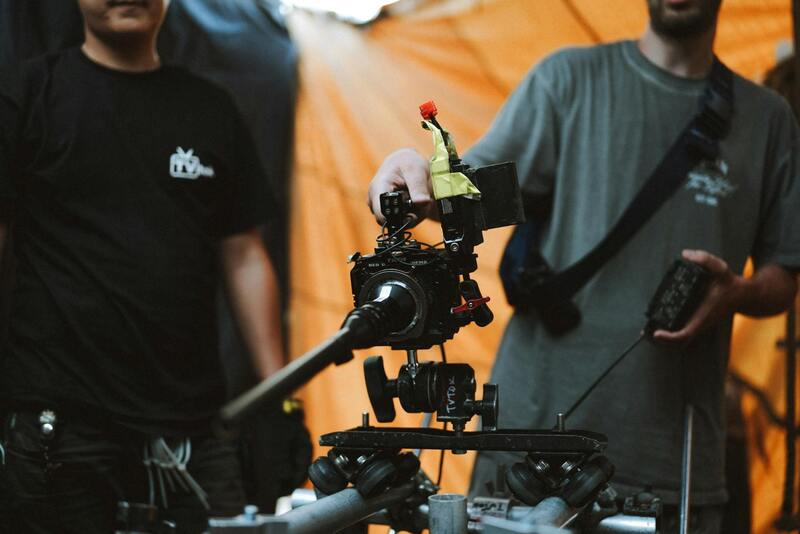
Ensuring Post-Production Excellence
Understanding Event Videography
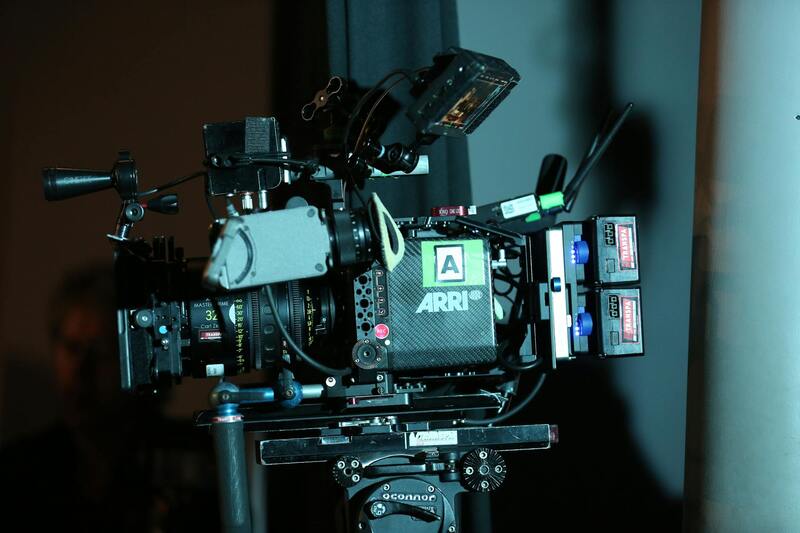
Technical Expertise and Equipment
Storytelling and Creative Approach
Types of Events Suitable for Videography in Miami
Special Considerations for Miami Events
Key Elements of Professional Event Videography
Benefits of Hiring a Miami-Based Event Videography Service
Planning and Preparing for Event Videography
Creating Contingency Plans
Best Practices and Tips During Filming
Post-Production and Delivery