

Overview of Event Video Services
In the dynamic landscape of event management, visual documentation has become a fundamental component for capturing the essence, energy, and significance of any gathering. Event video services encompass a comprehensive suite of production techniques designed to produce high-quality footage that effectively highlights an event's key moments. These services not only serve as a reliable record but also significantly amplify the event's visibility and impact across various platforms.
Professional event videography integrates advanced planning, precise execution, and post-production expertise to ensure that each moment is captured with clarity and creativity. It transforms fleeting instances into lasting visual narratives that resonate with audiences long after the event concludes. For organizers, brands, and individuals, leveraging such specialized services enhances the reach and engagement of their events, providing tangible results like increased brand awareness, social media exposure, and stakeholder engagement.
At its core, event video services involve meticulous preparation, including pre-event consultations and storyboarding, to understand the specific goals and nuances of each occasion. During the event, skilled videographers deploy state-of-the-art equipment—such as 4K cameras, drones, and stabilizers—to ensure comprehensive coverage from multiple angles. The dynamic nature of live events necessitates a keen eye for detail, ensuring crucial moments like speeches, performances, or presentations are captured with precision.
Post-event, professional editing transforms raw footage into polished video content. This process involves color correction, sound enhancement, and the integration of graphics or animations to craft a compelling story. The final product can then be tailored for various dissemination channels, including social media platforms, corporate websites, or internal communications.
Using official methodologies guarantees the production of authentic, high-quality content that accurately reflects the event’s objectives and atmosphere. Employing credible videography services ensures adherence to industry standards and provides clients with a dependable experience from initial consultation through final delivery.
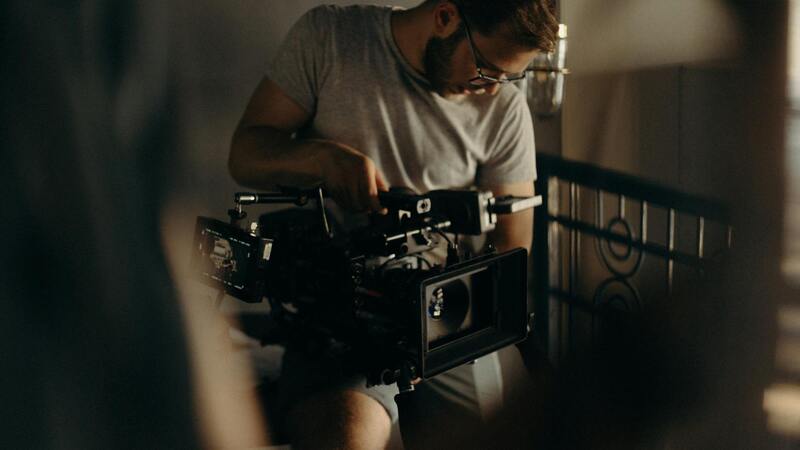
Images play a significant role in illustrating the presentation and impact of event video services. Placeholder images serve to showcase different aspects of professional videography, from equipment setup to finished footage.
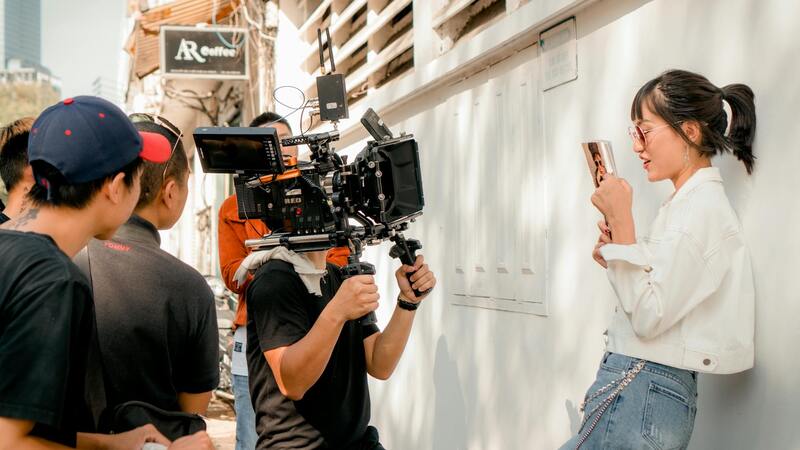
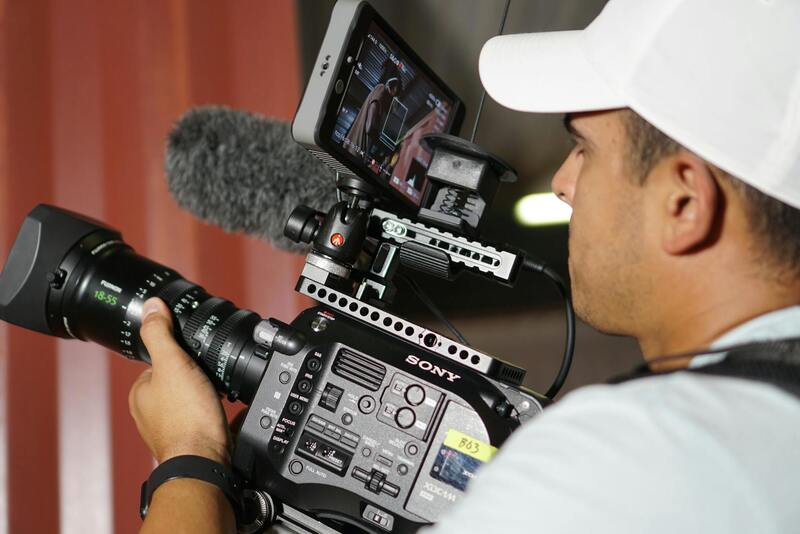
The strategic application of professional event video services supports organizations in creating compelling visual content that elevates their brand presence. Whether it’s a corporate conference, a product launch, or a social celebration, professionally captured and edited videos serve as powerful tools to engage audiences, attract new clients, and leave a lasting impression.
Understanding the Process of Event Video Production
Reliable event video services adhere to structured, verified procedures that ensure each project meets high standards of quality and authenticity. The process begins with comprehensive planning, which involves understanding the client’s objectives, the nature of the event, and the intended audience. This planning phase includes selecting appropriate equipment, establishing filming schedules, and coordinating logistics to maximize efficiency and coverage accuracy.
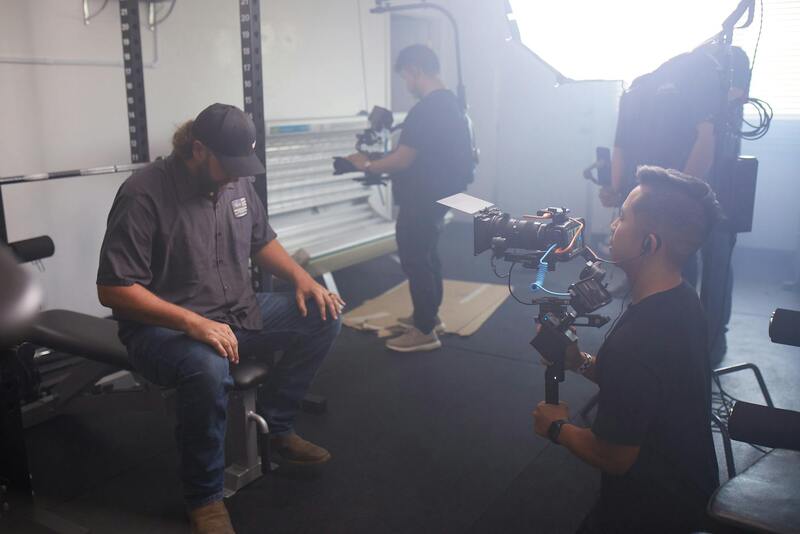
During the event, experienced videographers utilize high-grade cameras, stabilizers, and audio devices that are chosen based on the event environment. Multiple camera angles and live streaming setups may be employed to ensure comprehensive coverage and real-time broadcasting capabilities where required. The professionalism of the crew guarantees that every significant detail — from speeches to performances — is recorded with clarity and fidelity.
Post-event, the editing phase involves meticulous review and refinement. Editors employ industry-standard software to perform color grading, audio synchronization, and the addition of graphics or animations. The goal is to produce a cohesive narrative that faithfully captures the essence of the event while engaging viewers visually and emotionally. This process ensures the final product is polished and aligned with the client’s branding and communication needs.
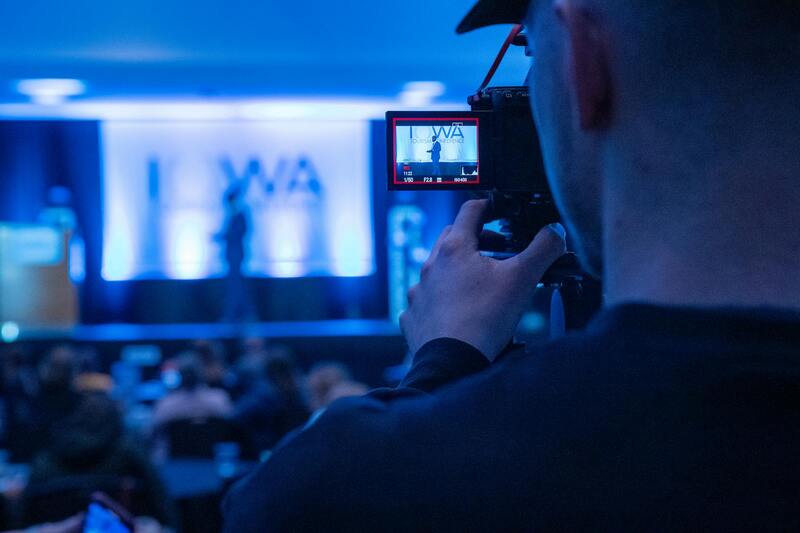
Distribution strategies are carefully implemented to optimize reach. Whether the goal is internal dissemination, social media engagement, or public relations, the finalized videos are formatted according to the specifications of each platform. For instance, social media videos may be tailored for quick viewing, with captions and optimized aspect ratios, while corporate presentations might favor high-resolution formats suitable for large screens or archival purposes.
Employing verified methodologies in each phase of video production guarantees the delivery of authentic content that accurately reflects the event’s atmosphere and objectives. This commitment to quality controls ensures consistency, reliability, and the ability to adapt to evolving media trends, making professional event video services an indispensable asset for organizations aiming to enhance their visual communication strategies.
Overview of Event Video Services
Event video services encompass a comprehensive suite of professional solutions designed to capture, produce, and deliver high-quality visual records of various events. These services aim to preserve the atmosphere, key moments, and overall experience of an event, ensuring that the memories are not only documented but also shared effectively across multiple platforms. Utilizing state-of-the-art equipment and expert techniques, event videographers tailor their approach to meet the specific needs of each occasion, whether it’s a corporate conference, social celebration, or community gathering.
One of the fundamental aspects of event video services is the strategic planning that precedes recording. This includes understanding the event’s objectives, identifying key moments to capture, and designing a filming protocol that ensures comprehensive coverage. The use of professional-grade cameras, stabilizers, and audio equipment helps produce visually stunning and clear recordings. Moreover, post-event editing transforms raw footage into engaging narratives that highlight the event's significance and deliver a polished final product. This process involves color correction, sound enhancement, graphic overlays, and the integration of multimedia elements to craft an immersive viewing experience.
Types of Events Covered
Event video services are versatile, catering to a wide array of event types:
- Corporate Events: From product launches to annual meetings, professional videographers ensure that corporate milestones are captured with precision, creating promotional content and archival footage.
- Weddings and Social Celebrations: Capturing intimate moments and joyful interactions, these videos serve as treasured keepsakes that can be shared with family and friends or showcased online.
- Conferences and Seminars: High-quality recordings facilitate post-event distribution, remote viewing, and content repurposing for marketing and training materials.
- Community and Cultural Events: Documenting festivals, parades, and cultural gatherings to promote local heritage and foster community engagement.
- Educational Events: Recordings of lectures, workshops, and symposiums that extend the outreach and learning opportunities beyond the event date.
The seamless integration of live streaming capabilities, multi-camera setups, and real-time editing enhances the reach and impact of each event, allowing stakeholders and audiences worldwide to participate virtually and relive key moments with clarity and emotion.
Essential Techniques for Effective Event Video Capture
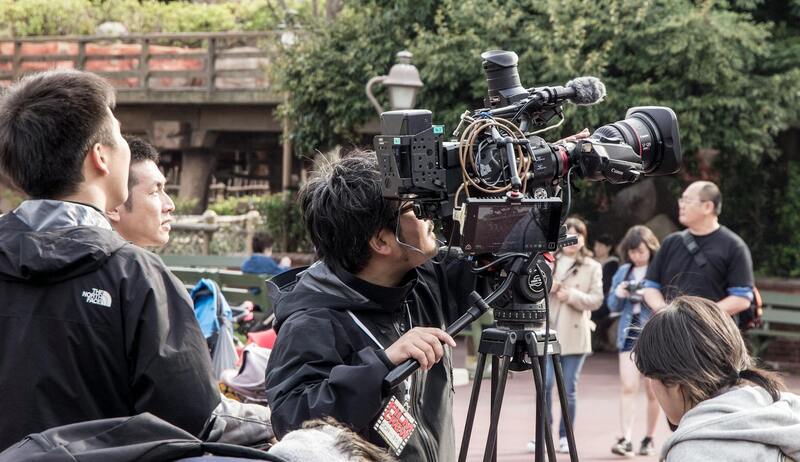
Achieving a compelling event video requires meticulous attention to several key techniques that ensure the final product authentically represents the event’s essence and resonates with viewers. One fundamental element is strategic camera placement. Utilizing multiple cameras positioned at various angles allows for dynamic shots that capture important moments from different perspectives, making the video more engaging. This multi-camera approach also facilitates seamless editing transitions, providing a cinematic flow that maintains the audience’s interest.
Proper lighting constitutes another critical aspect. Adequate lighting enhances image clarity and color accuracy, especially in indoor or low-light scenarios. Skilled videographers employ a mix of natural and artificial lighting setups to highlight speakers, participants, or exhibits, without creating harsh shadows or overexposure. Additionally, consistent audio quality is paramount; using high-quality microphones and sound recording equipment ensures speech clarity, minimizing background noise and echoes that can detract from the viewer's experience.
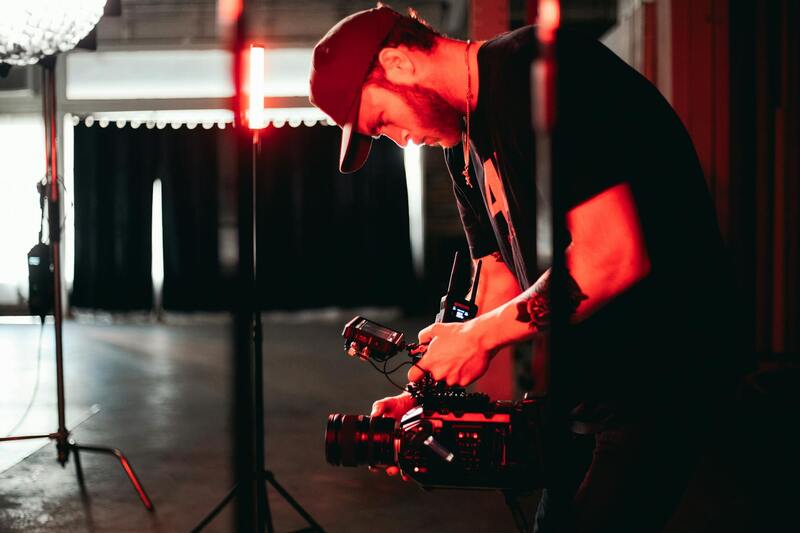
Post-production editing also plays an influential role in shaping the final video. Editors refine footage by cutting unnecessary segments, adjusting color grading, and balancing sound levels to produce a polished product. Incorporating graphics, titles, and transitions enhances visual appeal and offers contextual information, guiding viewers through the narrative of the event seamlessly.
In addition to traditional filming methods, integrating live streaming technology expands the reach of your event. Employing high-definition streaming servers and reliable internet connections allows audiences around the world to participate virtually in real-time. This approach is particularly beneficial for conferences, product launches, or community events aiming to maximize attendance and engagement without physical constraints.
Preparation and coordination prior to the event are equally important. Conducting site surveys helps identify optimal camera positions, lighting setups, and technical requirements, preventing unforeseen issues. Clear communication among the videography team, event organizers, and technical staff fosters a smooth filming process and ensures that sensitive moments are captured effectively.
Moreover, adhering to a detailed shot list aligned with the event’s schedule guarantees that all key moments, such as speeches, awards, or performances, are documented thoroughly. This strategic planning minimizes missed opportunities, allowing for a comprehensive storytelling experience that highlights the event’s successes and ambiance.
In conclusion, implementing a combination of strategic planning, technical expertise, and advanced equipment is essential for producing high-quality event videos. This comprehensive approach ensures that the content not only captures the event accurately but also elevates its promotional and archival value, making a lasting impression on audiences and stakeholders alike.
Understanding the Core of Event Video Services
Event video services serve as a vital component in capturing the essence and dynamism of live occasions. These services encompass a broad spectrum of expertise, from pre-production planning to post-event editing and distribution. Professional event videographers employ state-of-the-art equipment and strategic filming techniques to ensure that every significant moment is documented clearly and vibrantly. This meticulous approach not only preserves memories but also enhances the overall impact of the event’s visual storytelling. The end goal is to produce high-quality videos that authentically reflect the event's atmosphere while aligning with the client’s objectives.
Diversified Coverage for Varied Events
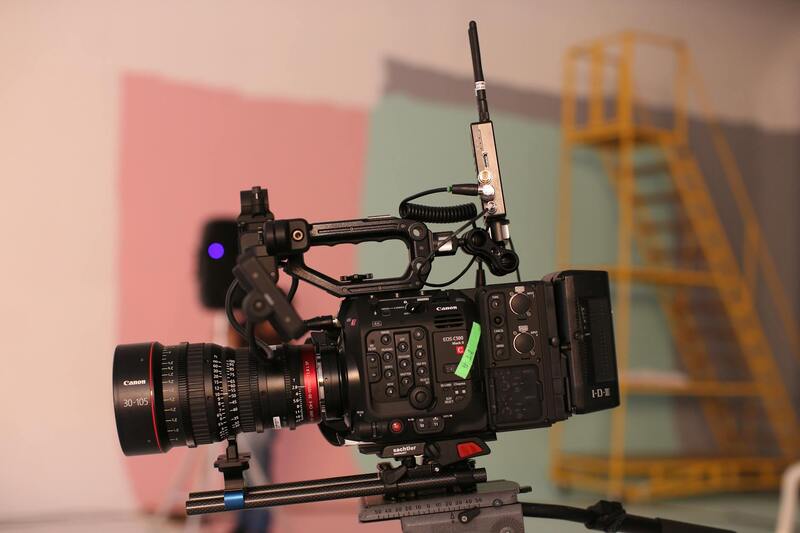
Event video services are adaptable to a multitude of occasions, including corporate meetings, weddings, festivals, and community gatherings. Each event type demands unique filming styles and technical considerations to effectively convey its spirit and significance. For corporate functions, emphasis might be placed on keynote speeches, panel discussions, and networking sessions, using multiple camera angles to create a comprehensive visual narrative. Social events like weddings or anniversaries benefit from cinematic approaches, capturing emotional highlights and candid interactions. The flexibility of professional videographers ensures that all specific needs and desired outcomes are met seamlessly.
Fundamental Elements in Event Video Production
- Pre-Production Planning: Establishing clear objectives, developing shot lists, and conducting site visits to determine optimal camera placements and lighting setups.
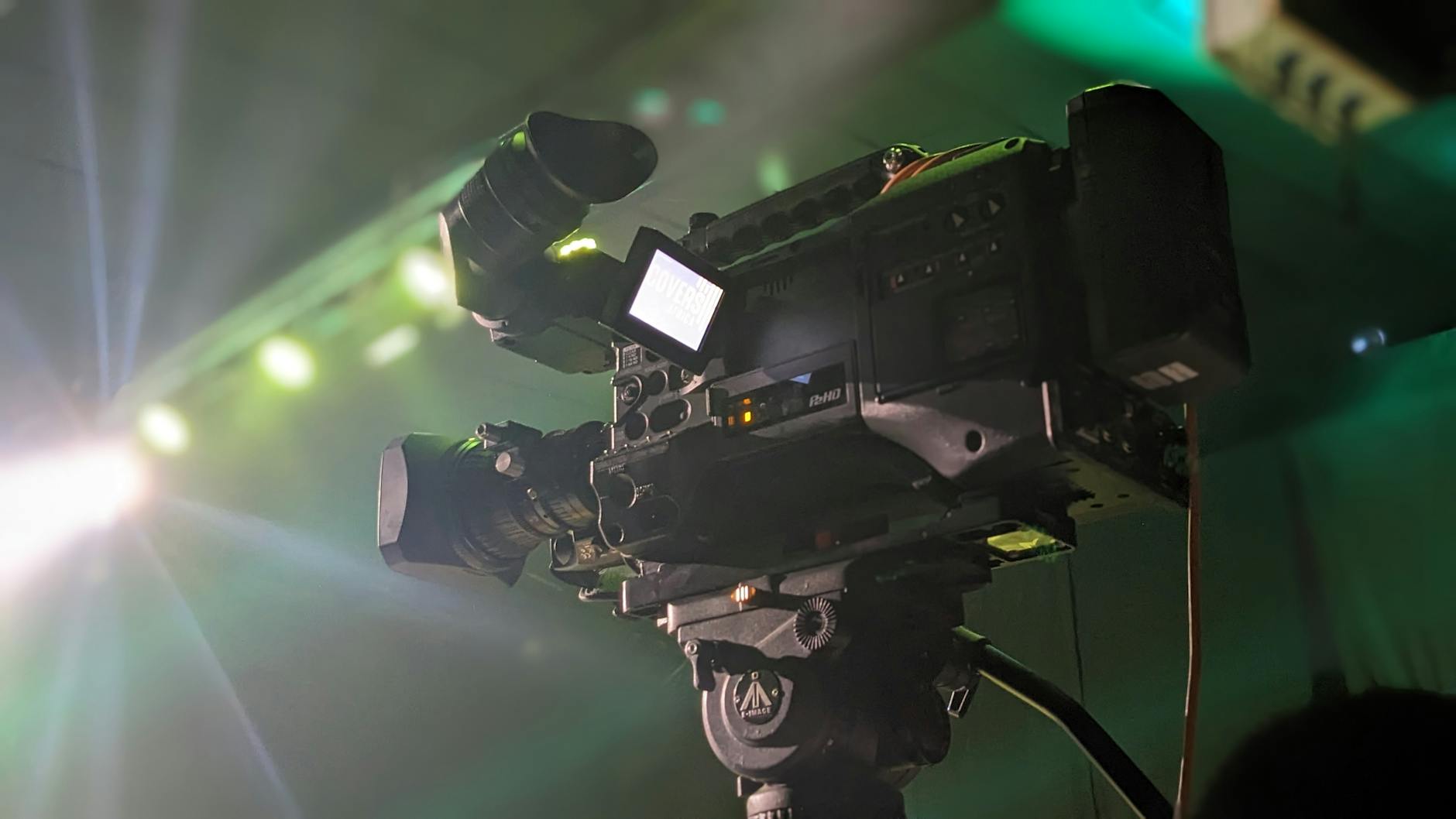
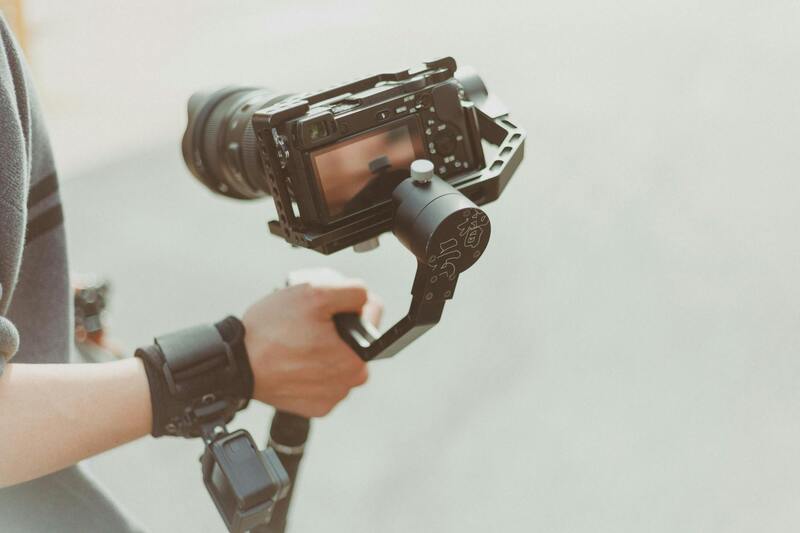
- Technical Equipment: Using high-definition cameras, stabilizers, drones, and professional audio gear to ensure quality and clarity in every shot.
- Filming Execution: Deploying skilled camera operators to capture key moments smoothly, while adapting to the event schedule for timely coverage.
- Post-Production Editing: Combining footage, color correction, audio enhancement, and graphics to craft a polished video story that resonates with target audiences.
- Distribution & Archival: Providing deliverables in various formats suitable for social media, websites, or internal archives, along with strategic distribution plans to maximize reach.
Optimal Benefits of Engaging Professional Event Video Providers
Partnering with experienced event videography professionals ensures that every aspect of the recording process is handled with precision and creativity. This results in videos that not only serve as memorable documentation but also as powerful marketing and promotional tools. High-quality event footage enhances branding efforts, attracts potential attendees for future events, and offers stakeholders a comprehensive view of the occasion. Moreover, expert videographers are adept at managing complex technical scenarios, such as poor lighting or limited space, ensuring consistent quality throughout the event. Their ability to adapt swiftly to unforeseen changes minimizes missed opportunities, capturing pivotal moments as they unfold.
Additionally, professional services include consultation on virtual engagement strategies, such as live streaming, which significantly expands an event’s accessibility. This approach bridges physical gaps, allowing remote audiences to participate actively and experience the event in real-time, further broadening the event’s reach and impact.
Key Components of Event Video Production
Effective event video services hinge on several critical elements that collectively contribute to a compelling and professional final product. Central to this process is pre-production planning, which involves detailed coordination of the shoot schedule, understanding the event’s goals, and devising a shot list tailored to highlight pivotal moments. Clear communication with clients ensures that specific areas of interest—such as keynote speeches, networking interactions, or product unveilings—are prioritized and captured with precision.
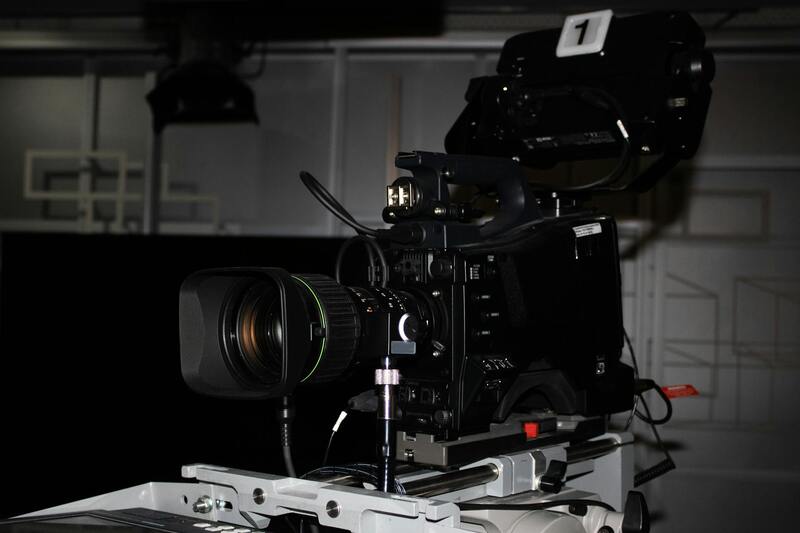
When executing the filming process, professional videographers employ high-quality equipment that guarantees crisp visuals and clear audio, even under less-than-ideal conditions. Strategic placement of cameras and microphones is crucial to capturing different angles and ambient sounds that enrich the storytelling aspect of the footage. Lighting setups are carefully managed to enhance visibility and highlight key subjects, especially in venues with challenging lighting conditions.
Post-event, the editing phase becomes a decisive factor in shaping the event's narrative. Skilled editors integrate raw footage with graphics, text overlays, and music to craft engaging highlight reels or comprehensive event summaries. Color grading and audio balancing refine the visual and auditory experience, ensuring the final video aligns with the client’s branding and messaging standards.
Other key components include the delivery of the final videos in multiple formats suitable for various platforms—whether for social media, websites, or internal archives. Providing strategic advice on distribution channels enhances the reach and impact of the content. Additionally, licensing and securing permissions for footage and music ensure the production remains compliant with all necessary regulations, safeguarding the client’s interests.
Best Practices for Capturing Successful Event Videos
- Thorough Preparation: Conduct site visits and pre-event meetings to familiarize the crew with the venue layout, lighting conditions, and event schedule. Developing a comprehensive shot list tailored to specific moments of significance ensures nothing vital is overlooked.
- Minimal Disruption: Employ discreet camera setups and plan shot angles that do not interfere with the event’s flow. Flexibility in camera placements allows for capturing candid moments without disturbing participants.
- Focus on Key Moments: Identify and prioritize recording of crucial segments, such as speeches, awards, or interactive sessions. Using multiple cameras or mobile setups can provide varied perspectives and ensure comprehensive coverage.
- Effective Audio Capture: Utilize high-quality microphones and sound mixers to avoid issues like background noise or inaudibility. Clear audio is essential for preserving the message's integrity and engaging viewers.
- Real-Time Monitoring: During the event, continuous review of footage ensures quality control and allows for adjustments in filming techniques as needed.
- Post-Event Review: Collaborate closely with the client to understand their core message and desired outcomes. This alignment guides editing choices and the development of content that resonates with target audiences.
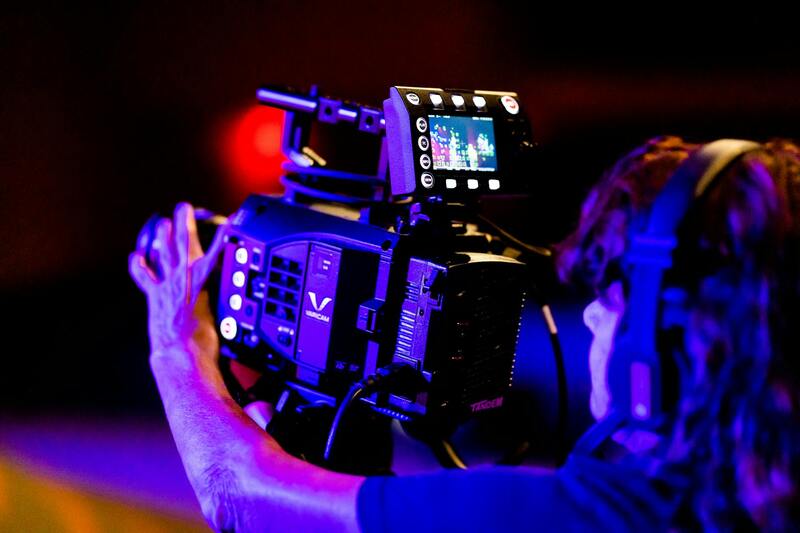
Implementing these best practices enhances the likelihood of producing engaging, high-quality videos that serve both promotional and archival purposes. Professionals skilled in event videography bring not only technical expertise but also strategic insight, ensuring that every critical moment is documented with clarity and impact, creating lasting impressions for clients and audiences alike.
Legal and Ethical Methods for Acquiring Event Video Content
Securing footage for event videos involves adherence to professional standards and respect for intellectual property rights. The foundation of legitimate event videography is establishing clear agreements with event organizers, clients, and any third-party content providers involved. This ensures that all parties consent to the recording, distribution, and usage of the footage, minimizing potential disputes and fostering professional integrity.
One of the primary approaches is to obtain formal authorization through contracts that specify the scope of coverage, intended use, and rights pertaining to the recorded material. These agreements protect both the videographers and clients, clarifying rights related to duplication, editing, and sharing of the final product across different platforms.
In addition, event organizers often provide official credentials or passes for the videography team, allowing unobtrusive filming that aligns with event policies. Utilizing official access credentials not only facilitates comprehensive coverage but also demonstrates professionalism and adherence to event guidelines.
When capturing footage at public gatherings or events hosted by others, it is essential to comply with venue policies and local regulations. This includes respecting designated areas, avoiding restricted zones, and being mindful of privacy considerations. Professional videographers avoid intrusive or unauthorized recording, which helps maintain a positive reputation and supports ongoing collaborations.
Use of Stock Footage and Licensed Content
In some cases, legitimate event videos incorporate licensed stock footage, images, or music. Acquiring these materials through authorized channels ensures compliance with copyright laws and eliminates the risk of infringement. Stock footage providers often offer clear licensing terms for specific uses, which videographers can integrate seamlessly into their projects.
Furthermore, utilizing royalty-free media or content specifically created for commercial use guarantees that the final production adheres to legal standards. This approach not only maintains high-quality output but also guarantees that the content can be shared across client channels without legal repercussions.
Maintaining Ethical Standards in Event Coverage
Beyond legal compliance, upholding ethical standards enhances the credibility of event videographers. This involves obtaining explicit consent from individuals featured prominently in the footage, especially in private or sensitive settings. Respecting personal privacy and dignity is paramount, and professionals often utilize release forms to document such permissions.
The collaborative process should include transparent communication with clients about the sources of footage, licensing arrangements, and usage rights. This transparency fosters trust and ensures that all content incorporated into the final video aligns with stakeholder expectations and legal norms.
Summary
Legitimate methods for producing event videos emphasize formal agreements, authorized access, proper licensing, and ethical considerations. These practices safeguard the interests of everyone involved, promote a high standard of professionalism, and deliver compelling, compliant content that accurately reflects the event experience.
Maintaining Ethical and Professional Standards in Event Video Production
Adhering to established best practices in event video services ensures that the final product is both compelling and compliant with industry standards. One fundamental aspect is securing explicit, documented consent from all individuals featured prominently in the footage. This is especially crucial when capturing private or sensitive moments, as it respects personal rights and maintains trust among clients and participants. The use of signed release forms not only provides clarity on permitted usages but also helps prevent misunderstandings or disputes down the line.
Another key component involves verifying authorized access to the event venue and ensuring all necessary permissions for filming are in place. This includes coordination with event organizers and venue management to confirm that video coverage complies with the scheduled program and space regulations. Transparency about the scope of coverage, usage rights, and distribution plans is essential, fostering a collaborative atmosphere between videographers and clients that promotes mutual understanding and confidence.
Employing reliable, licensed equipment and adhering to technical standards is vital in producing footage that is both visually appealing and legally sound. This includes regularly calibrating cameras, microphones, and lighting setups to meet professional benchmarks, as well as maintaining meticulous records of licensing agreements for any third-party media used within the production.
Additionally, ethical event videography involves respectful interaction with attendees and participants. Professionals prioritize subdued, unobtrusive filming techniques that do not disrupt the event’s flow or attendees’ experiences. This approach ensures that capturing authentic moments does not infringe upon personal comfort or privacy, fostering a respectful environment conducive to genuine coverage.
Transparency and Content Management
The collaborative process begins with open communication regarding content sourcing, licensing arrangements, and permissible applications of the footage. Clear guidelines about who can access the final videos, potential edits, and distribution channels set expectations and reinforce responsible content management. This transparency reinforces trust, allowing clients to confidently utilize their event videos across various platforms without concerns about unauthorized use or compliance issues.
Moreover, building trust through consistent and honest engagement enables event videographers to establish long-term relationships with clients. It encourages ongoing collaborations rooted in professionalism and adherence to all relevant ethical standards, ultimately resulting in high-quality content that genuinely reflects the event experience while safeguarding the interests of all parties involved.