
Understanding Event Video Production
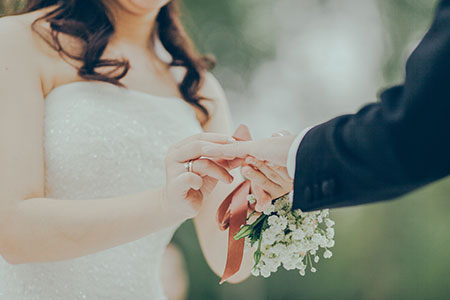
Event video production encompasses the strategic process of capturing, editing, and delivering high-quality video content that documents live events, such as conferences, weddings, corporate gatherings, concerts, and other significant functions. This specialized service plays a crucial role in preserving memorable moments, facilitating remote participation, and providing professional promotional material for future marketing efforts. The demand for professional event videography has surged as organizations and individuals recognize the value of polished video content in engaging audiences and extending the reach of their events.
To achieve a comprehensive and compelling final product, event video production involves meticulous planning, technical expertise, creative direction, and post-production refinement. Skilled videographers utilize sophisticated equipment and techniques to ensure every important detail is captured accurately and aesthetically. The significance of working with seasoned professionals becomes evident in the quality of recordings, the ability to adapt to various lighting and environmental conditions, and the capacity to craft visually engaging narratives that convey the event's essence.
In the dynamic world of live event coverage, event video production serves not only as a documentation tool but also as a strategic asset. Well-produced videos enhance branding, support event promotions, and can be repurposed across multiple platforms, such as social media, websites, and internal communications. The value of professionally crafted event videos is further amplified by their ability to evoke emotional connections, showcase keynote moments, and provide comprehensive recaps for attendees and stakeholders alike.
From pre-event planning to final delivery, every stage of event video production demands attention to detail, technical proficiency, and creative storytelling. An effective event video production process ensures that the final product accurately reflects the event's significance, maintains high technical standards, and aligns with the client's overall objectives. Ultimately, investing in professional event videography is an essential component of a successful event strategy, capturing moments that resonate long after the event concludes.
Key Types of Event Videos
Event video production encompasses various formats tailored to specific needs and objectives:
- Highlight Reels: Short, engaging summaries capturing the event’s most memorable moments, ideal for promotional use.
- Full-Length Recordings: Comprehensive videos that document the entire event, suitable for archival or internal review.
- Live Streaming Videos: Real-time broadcasting of events for remote audiences, expanding reach and engagement.
- Testimonial and Interview Clips: Candid recordings of speakers, attendees, and organizers providing insights and feedback.
- Drone Footage: Aerial shots that offer a unique perspective and enhance the visual appeal of large-scale events.
Selecting the appropriate type of event video production depends on the nature of the event, target audience, and specific goals. Professional videographers in Miami tailor their approach to ensure each video format maximizes impact, employing techniques suited to each style, whether capturing dynamic crowd reactions or focusing on detailed speaker presentations.
Planning and Pre-Production Process
Success in event video production begins long before the cameras start rolling. Detailed planning is essential to ensure that every aspect of the event is captured flawlessly and aligns with the client's objectives. This phase includes defining the scope of the project, understanding the key moments to highlight, and establishing a clear timetable for filming and post-production activities.
A comprehensive storyboard or shot list helps videographers anticipate critical scenes and transitions, especially for live events where spontaneity is high. Coordination with event organizers is vital to synchronize all technical requirements, such as venue access, power supply, and designated filming areas. Legal permissions and permits are also secured during this stage to avoid complications on the day of filming.
In addition, pre-production involves selecting the optimal equipment based on the venue layout and lighting conditions. This strategic approach minimizes issues during filming and ensures high-quality output. Clear communication with the client about expectations, format preferences, and branding guidelines helps streamline the process, reducing revisions and ensuring satisfaction.
Creating a detailed schedule allows for efficient use of time, with designated roles for each crew member, contingency plans for unforeseen issues, and alignment with event timelines. This meticulous preparation guarantees that the event is documented thoroughly and professionally, capturing all crucial moments seamlessly.
Understanding Event Video Production
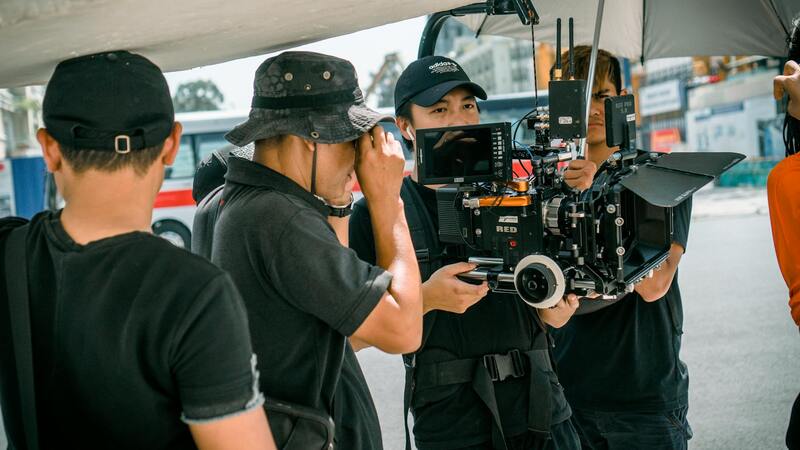
Effective event video production encompasses a structured process that integrates meticulous planning, technical expertise, and creative storytelling. Central to this process is the understanding that each event serves a unique purpose – be it to commemorate, promote, or inform – necessitating tailored approaches to capture its essence accurately. From initial consultations to final delivery, each phase is orchestrated to ensure high-quality results that align with the client’s vision and event significance.
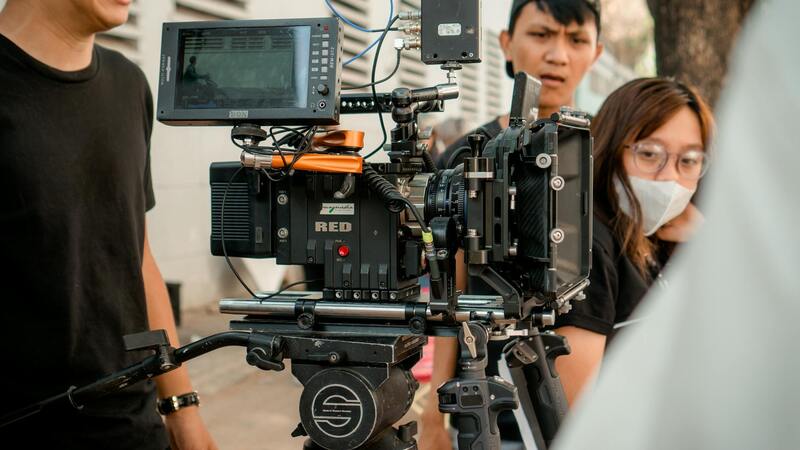
Key to this process is the coordination of all technical elements, including lighting, sound, and camera positioning, which require detailed planning and execution. Pre-production often involves drafting detailed storyboards, shot lists, and production schedules to streamline filming. This strategic approach minimizes disruptions during the event and guarantees comprehensive coverage of all pivotal moments.
Moreover, securing appropriate permissions and permits is an essential component of the preparation phase, ensuring that all filming activities occur within the established guidelines and without interruptions. This level of diligence prevents potential setbacks, allowing the production team to operate smoothly during the event itself.
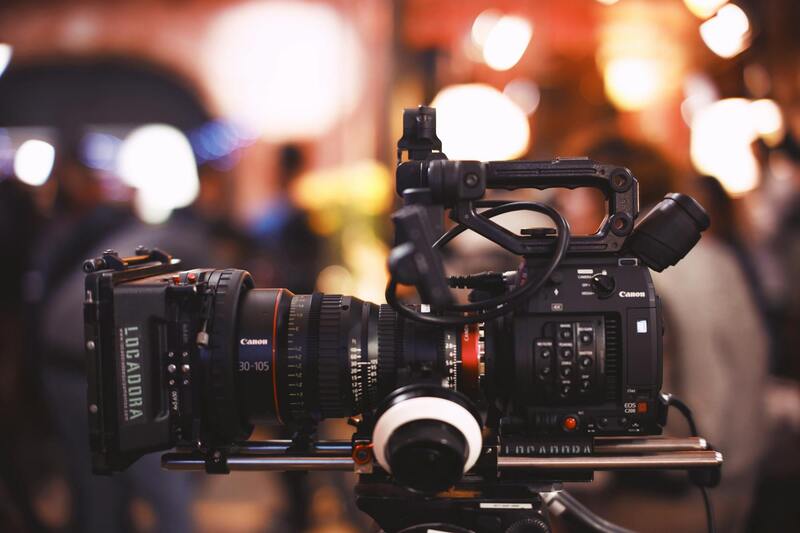
Utilizing the latest in video technology, including high-definition cameras, stabilizers, drones, and wireless audio systems, further elevates the quality of the final product. These tools enable videographers to adapt to challenging environments — from grand halls to outdoor venues — capturing every moment with clarity and precision. The investment in top-tier equipment is a testament to the commitment to delivering excellence.
Proper Workflow and Technique
Execution during filming relies on a combination of technical mastery and artistic sensibility. Employing techniques such as multi-camera setups, dynamic framing, and effective use of lighting ensures visual engagement and clarity. Live event coverage particularly benefits from versatile filming strategies, including steady shots for speeches and candid captures for spontaneous moments. Efficient crew coordination and clear communication are crucial to adapt swiftly to changing circumstances and ensure nothing is missed.
In addition, leveraging modern editing software allows for the integration of visual effects, color correction, and audio enhancement, which significantly improves the professional appearance of the final product. These post-production refinements not only enhance visual appeal but also provide the narrative cohesion needed to tell a compelling story of the event.
Utilizing Professional Techniques for Flawless Event Coverage
Achieving high-quality footage during an event requires more than just access to advanced equipment; it depends heavily on refined filming techniques and strategic coordination. Employing a multi-camera setup allows videographers to capture different angles simultaneously, providing dynamic perspective shifts that make the final video more engaging. This approach is especially beneficial during multi-faceted events such as conferences, weddings, or corporate celebrations, where multiple scenes unfold concurrently.
Effective framing and composition are vital for emphasizing key moments, whether it’s a speaker’s impactful message or a candid reaction from the audience. Skilled videographers utilize techniques like panning and zooming to focus attention or introduce visual interest. Proper use of lighting, both natural and artificial, ensures that footage remains clear and vibrant, regardless of indoor or outdoor settings. In outdoor events, the ability to adapt to changing sunlight conditions enhances the overall cinematic quality of the video.
Moreover, live event filming benefits from seamless crew coordination. Assigning specific roles—such as main camera operators, sound technicians, and director—enables efficient coverage and smooth transition between scenes. Clear communication and real-time adjustments help capture spontaneous moments and prevent missed footage. Quick-thinking and adaptability are crucial during unpredictable event dynamics, ensuring the videography team responds effectively to emerging situations.
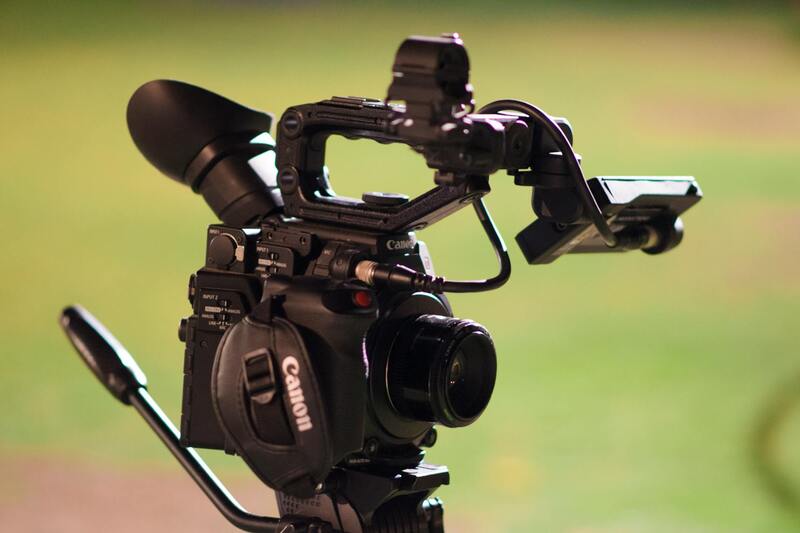
Advanced editing software plays a pivotal role post-event, allowing editors to fine-tune footage, correct colors, and synchronize audio for a cohesive narrative. Incorporating visual effects or graphics can highlight key information, while sound editing enhances clarity and immersion. Meticulous editing transforms raw footage into a polished, memorable event video that effectively communicates the essence of the occasion.
In essence, a combination of technical expertise, strategic planning, and creative vision ensures that every event video produced is both visually captivating and emotionally resonant. This meticulous approach not only documents important moments but also elevates the overall impact of your event’s story.
Production and Filming Strategies
Effective event video production in Miami demands meticulous planning of filming strategies to ensure all significant moments are captured with clarity and visual storytelling is optimized. Filming techniques should balance artistic vision with practical requirements, encompassing a variety of shot types to create a dynamic and engaging final product. Wide-angle shots offer a sweeping view of the event venue, providing context and scale, while close-ups focus on emotional expressions and interactions that deepen viewer engagement.
Agility and strategic positioning are critical, especially in live events where spontaneity plays a significant role. Crew members must adapt to the flow of the event, choosing angles and focal points that highlight key moments such as speeches, performances, or group activities. Utilizing multiple cameras from different vantage points allows seamless switching between perspectives, adding professional depth to the footage. This multi-angle approach ensures that important reactions and details are captured without interruption, regardless of the event's pace.
Coordination among the videography team is essential for capturing fluid visuals. Assigning specific roles—such as a main camera operator, a supplementary camera operator, and a sound technician—facilitates cohesive coverage. Communication devices, like wireless headsets, enhance real-time collaboration, enabling crew members to share updates, coordinate shot changes, and respond quickly to unforeseen moments. This organized approach guarantees comprehensive coverage and minimizes missed opportunities during the event.
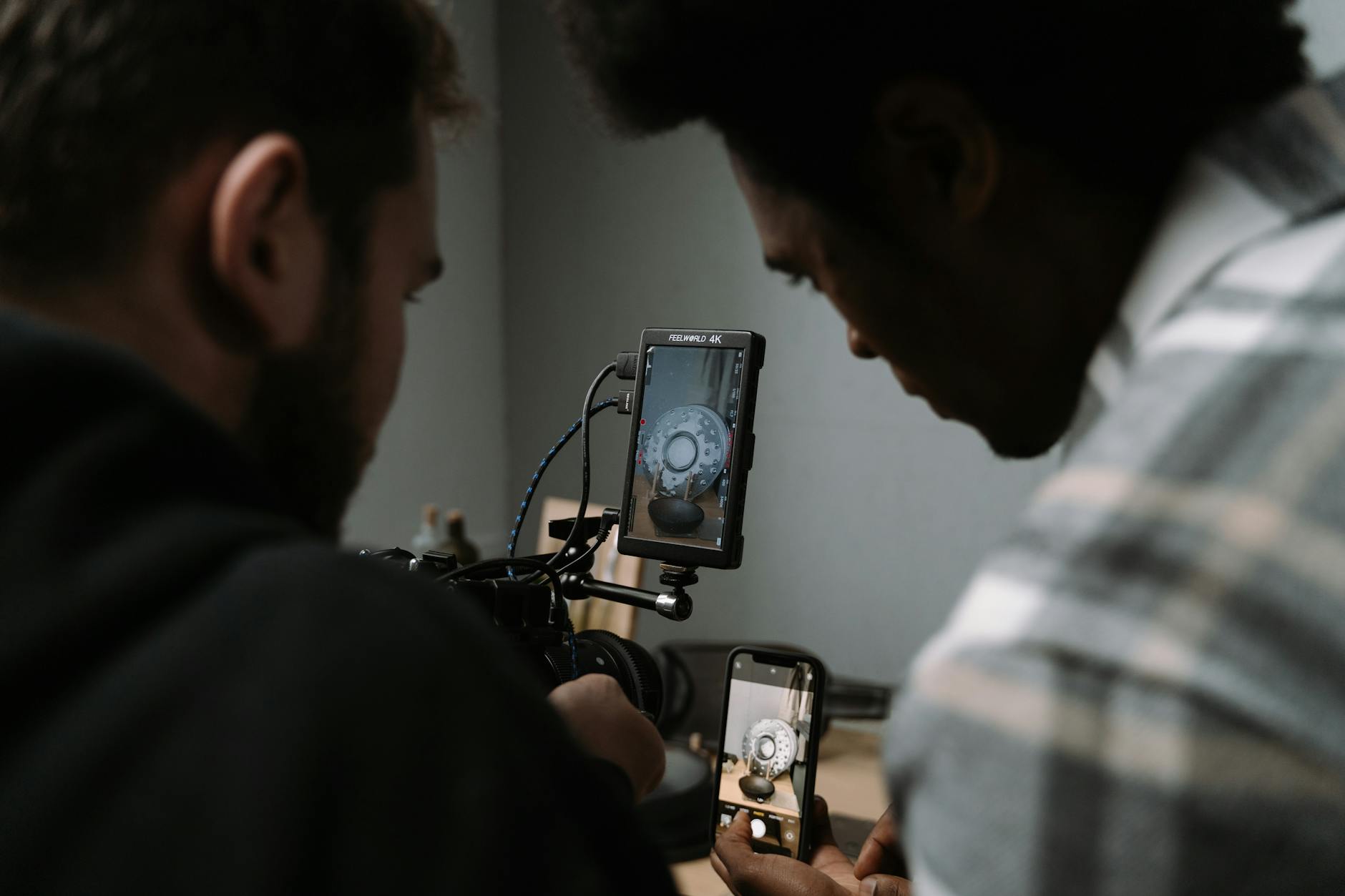
In terms of camera setup, high-definition professional-grade equipment equipped with stabilizers ensures smooth footage, even in dynamic environments. Drones are increasingly employed in outdoor events to secure aerial shots that provide a fresh perspective, adding cinematic value. Additionally, portable microphones and wireless audio systems guarantee clear sound capture, which is integral to storytelling, especially in large venues where conventional microphones might not reach all areas.
Utilizing Technology for Optimal Filming
Advanced technology plays a vital role in capturing and enhancing event videos. Real-time monitoring tools enable the director and camera operators to evaluate footage quality instantly, making necessary adjustments on the fly. Gimbals and steadicams stabilize shots, providing professional, jitter-free visuals, particularly during movement-heavy scenes. For outdoor outdoor events, lighting equipment such as portable LED panels ensures consistent illumination regardless of ambient light fluctuations, maintaining visual clarity.
- Multiple camera angles for comprehensive coverage
- High-definition shooting for clarity and detail
- Drone footage for innovative aerial perspectives
- Wireless audio systems for clear sound capture
- Lighting equipment to adapt to various lighting conditions
Implementing these strategies and tools effectively requires technical expertise and a thorough understanding of the event's flow, ensuring footage captures the vibrancy and essence of Miami’s diverse event landscape seamlessly.
Production and Filming Strategies
Executing an effective filming strategy is crucial to capturing the energy and significance of any Miami event. This phase involves a combination of technical skill and artistic vision to ensure that the footage aligns with the event's purpose and the client's expectations. High-grade equipment equipped with stabilizers ensures smooth footage, even in dynamic environments. Drones are increasingly employed in outdoor events to secure aerial shots that provide a fresh perspective, adding cinematic value. Additionally, portable microphones and wireless audio systems guarantee clear sound capture, which is integral to storytelling, especially in large venues where conventional microphones might not reach all areas.
Utilizing Technology for Optimal Filming
Advanced technology plays a vital role in capturing and enhancing event videos. Real-time monitoring tools enable the director and camera operators to evaluate footage quality instantly, making necessary adjustments on the fly. Gimbals and steadicams stabilize shots, providing professional, jitter-free visuals, particularly during movement-heavy scenes. For outdoor events, lighting equipment such as portable LED panels ensures consistent illumination regardless of ambient light fluctuations, maintaining visual clarity.
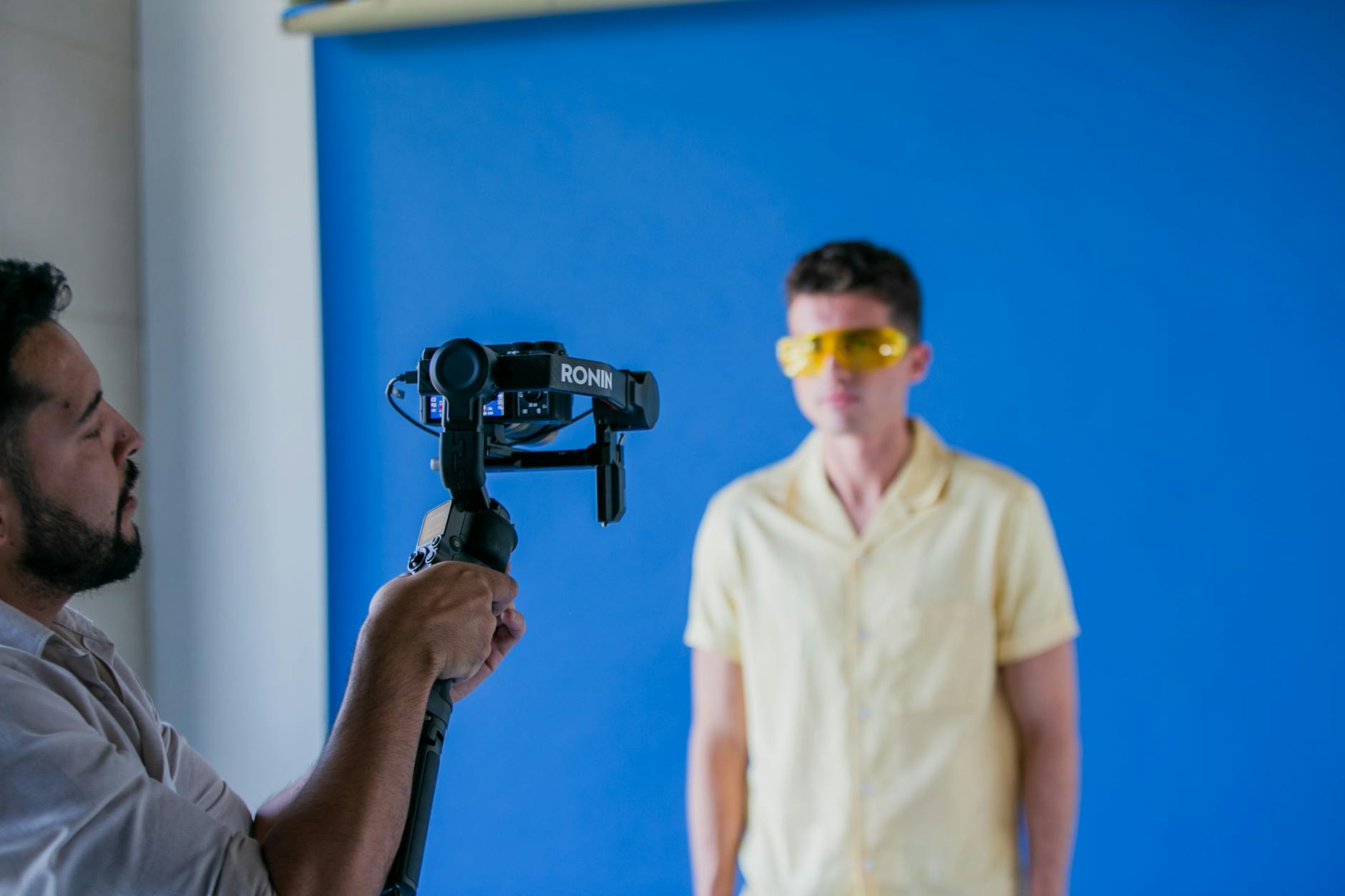
Multiple camera angles are employed to ensure comprehensive coverage of the event. By utilizing different perspectives, the final video captures the full scope of the occasion, from close-up interviews to wide shots of the venue. High-definition shooting guarantees clarity and detail, which is essential for preserving the vibrancy and atmosphere of Miami’s diverse events. Drone footage adds an innovative aerial perspective, highlighting expansive outdoor settings or grand architecture that forms the backdrop of many local events. Wireless audio systems are also critical for capturing high-quality sound across large spaces, ensuring narration, speeches, and ambient sounds are crisp and clear. Lighting equipment plays a vital role in adapting to various lighting conditions within the venue, helping to maintain consistent image quality across all footage.
Implementing these strategies and tools effectively requires technical expertise and a thorough understanding of the event's flow. Skilled videographers coordinate their actions seamlessly to adapt to changing scenarios, ensuring that the essence of Miami’s lively and varied event landscape is captured with precision and artistry.
Understanding Event Video Production
Event video production involves a comprehensive process that transforms live gatherings into compelling visual narratives. It encompasses the entire journey from initial concept and planning to filming, editing, and final delivery. In Miami, where events range from corporate summits to cultural festivals, professional videography captures the vibrancy and energy unique to each occasion. Skilled production teams meticulously coordinate multiple camera setups, audio capture, and lighting to ensure every crucial moment is documented with clarity and precision. Moreover, the dynamic environment of Miami's diverse events demands a tailored approach, incorporating techniques like aerial drone footage to showcase expansive venues or vibrant cityscapes. The goal is to produce a polished video that not only preserves memories but also enhances promotional efforts and stakeholder engagement.
Key Types of Event Videos
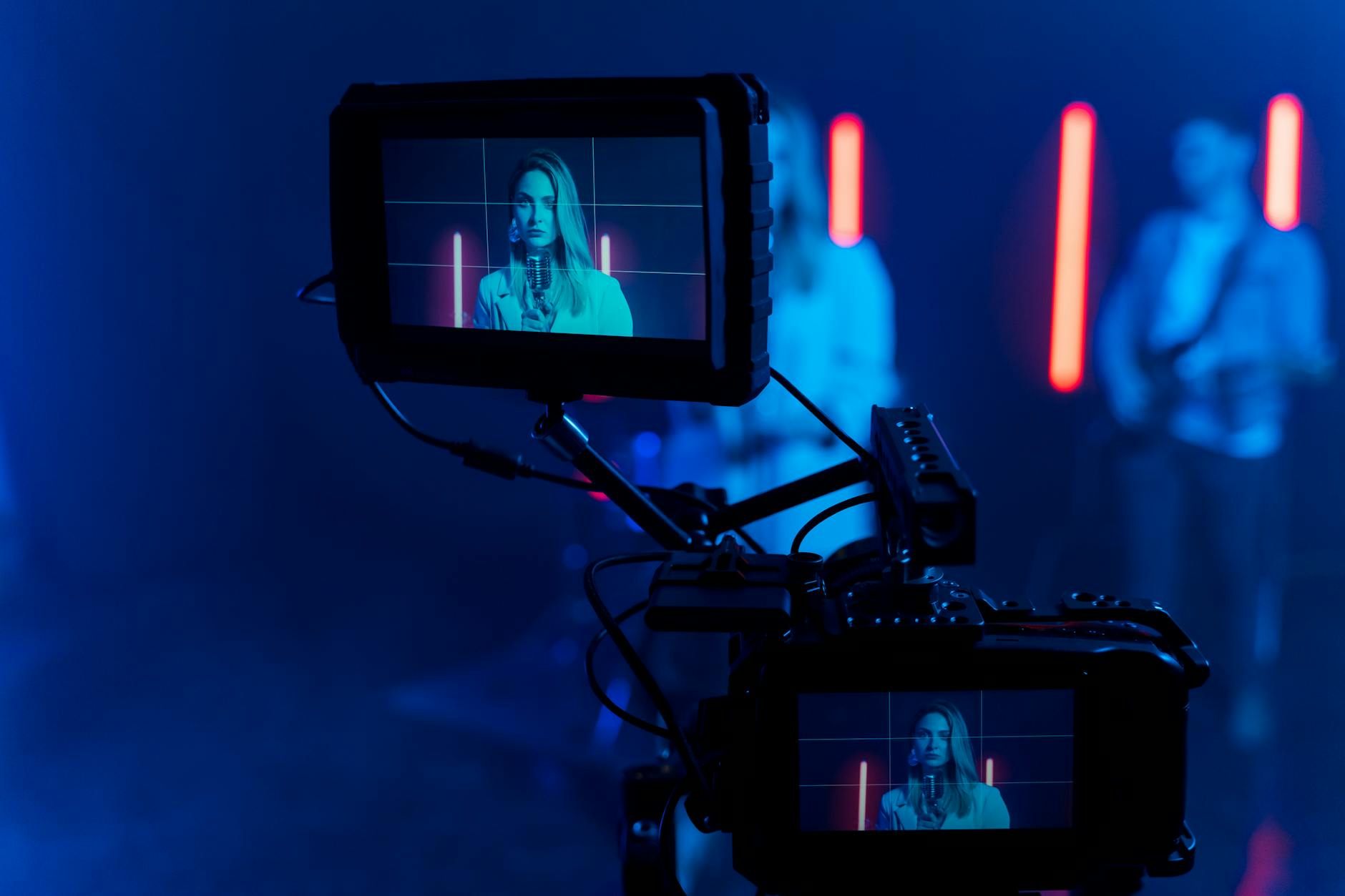
Different events require distinct video formats to best showcase their significance. Highlight reels serve as fast-paced summaries, capturing the energy and key moments of an event. Testimonials and interviews add personal insights, lending authenticity and emotional connection to the footage. Full-length coverage is essential for corporate conferences or formal ceremonies, offering a comprehensive record of proceedings. Creative storytelling videos incorporate graphics, animations, and cinematic techniques, elevating the overall presentation. Additionally, live streaming has become a cornerstone of modern event coverage, allowing remote audiences to experience the event in real-time. Each type of video serves a strategic purpose, aimed at engaging viewers and conveying the event's message effectively across various platforms.
Planning and Pre-Production Process
Effective event videography begins with meticulous planning. This phase involves understanding the event’s objectives, identifying key moments, and developing a detailed shot list. Site visits are crucial for assessing lighting conditions, venue layout, and logistical challenges, ensuring the production team is prepared for any scenario. Coordination with event organizers, performers, and speakers helps synchronize the filming schedule with the event timeline. Scriptwriting and storyboarding may also be involved, especially for highlight reels and promotional videos. Clear communication about the desired outcomes ensures all technical aspects—such as camera angles, audio requirements, and lighting—are aligned with the vision. Planning also includes logistics like equipment arrangements, crew assignments, and contingency plans to adapt to unforeseen circumstances, minimizing disruptions during the shoot.
Equipment and Technology Used in Miami Events
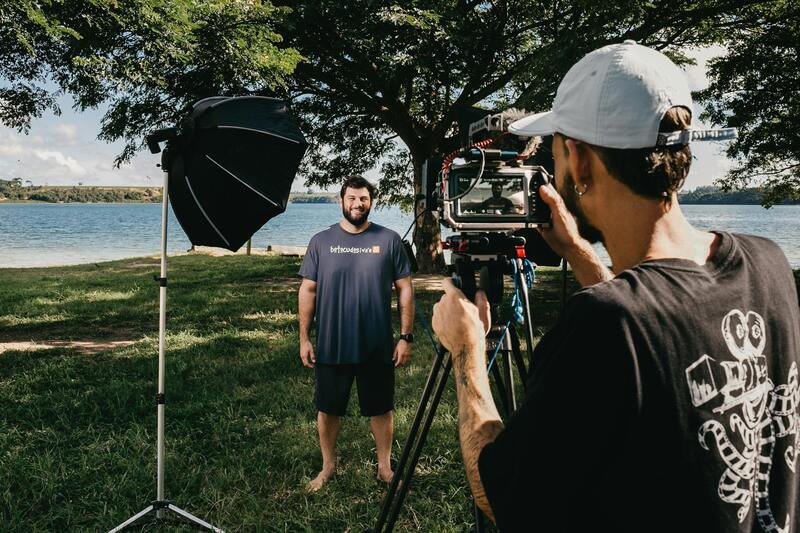
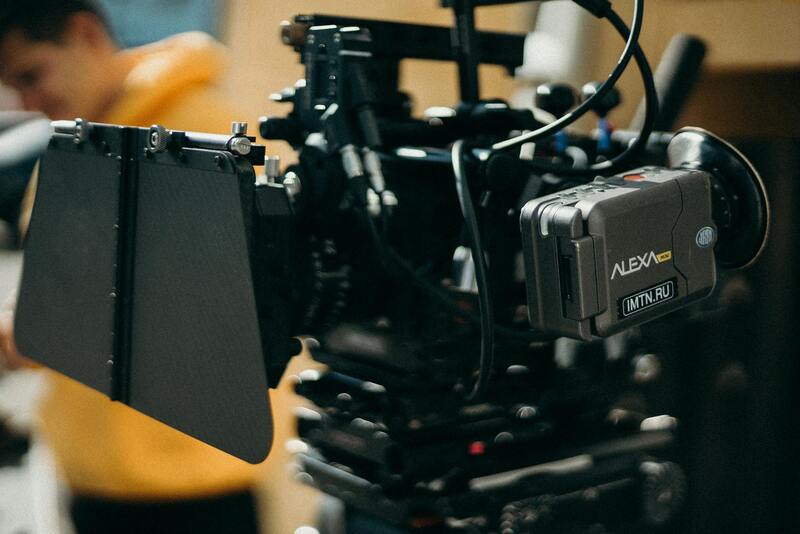
State-of-the-art equipment is fundamental for capturing high-quality event videos. In Miami’s lively event scene, videographers utilize 4K-capable cameras and professional-grade lenses to deliver sharp, vibrant visuals suitable for various distribution channels. Wireless microphones, lapels, and shotgun mics ensure clear audio, even in crowded or noisy environments. Portable lighting solutions, including LED panels and on-camera lights, help maintain consistent exposure across different settings. Drones equipped with high-resolution cameras offer stunning aerial views, adding a cinematic dimension to the footage. Advanced stabilization equipment, such as gimbals and steadicams, ensures smooth movement shots, essential for dynamic event recordings. Additionally, live streaming hardware and software facilitate real-time broadcasting, expanding the event’s reach beyond physical attendees. The integration of these technologies requires technical expertise, with professionals who can adapt equipment to accommodate diverse venues and lighting conditions typical of Miami’s vibrant event landscape.
Production and Filming Strategies
During the filming phase, strategic planning is essential to maximize coverage and efficiency. Multi-camera setups enable capturing various angles simultaneously, ensuring no moment is missed. For outdoor and large-scale events, camera operators often employ remote head mounts and robotic cameras for versatile positioning. Directors and videographers coordinate through wireless communication, adjusting angles and shots based on real-time developments. Utilizing a combination of wide shots, close-ups, and reaction shots creates a dynamic narrative. Incorporating audience reactions, candid moments, and behind-the-scenes footage adds authenticity and depth. Lighting adjustments are made throughout the event to meet aesthetic and technical needs, especially as ambient conditions change. For major Miami events, drone footage is scheduled at strategic moments to provide sweeping vistas and highlight architectural or scenic features unique to the area. Effective production strategies hinge on detailed pre-planning, seamless crew coordination, and adaptability to the evolving event environment.
Post-Production and Editing
Post-production is where raw footage transforms into a cohesive and engaging event video. Skilled editors review hours of footage to select the most impactful moments, applying color grading to enhance visual appeal and correct lighting inconsistencies. Audio tracks are synchronized, cleaned, and balanced, ensuring speech, music, and ambient sounds complement the visuals. Special effects, text overlays, and graphics are added to emphasize key messages or provide context. For highlight videos and teasers, editors craft a compelling narrative arc that captures the event’s energy and essence within a concise timeframe. For full-length videos, a structured edit maintains flow and clarity, making sure viewers remain engaged throughout. The inclusion of branding elements and call-to-action segments helps maximize the video's promotional effectiveness. Throughout post-production, emphasis is placed on aligning the final cut with the client’s vision and intended purpose, delivering a polished product ready for distribution on various digital platforms.
Ensuring Ethical and Professional Practices in Event Video Production
Maintaining integrity and professionalism in event video production involves adhering to established industry practices and utilizing proven methods that respect the rights and efforts of all parties involved. Professionals in Miami ensure that every stage of the production process—from pre-planning to final delivery—is conducted with transparency and respect for contractual obligations.
Authentic and licensed use of equipment is fundamental, including the deployment of high-quality cameras, stabilized rigs, and audio recording devices. By leveraging these tools, producers document events with clarity and precision, capturing the event's true atmosphere while complying with safety and operational standards.
Throughout the production process, clear communication channels are established between clients, coordinators, and crew members. This ensures that each party's expectations and requirements are explicitly documented and respected, minimizing misunderstandings or overlooked details.
In the editing suite, editors follow ethical standards by maintaining the integrity of the original footage. This involves avoiding manipulative editing techniques that could misrepresent the event or alter its context. Instead, edits aim to enhance storytelling clarity while faithfully reflecting the event's moments.
When it comes to distribution, legitimate methods involve delivering the videos through secure digital platforms, ensuring that access is restricted appropriately, and that copyright protections are in place. Technical parameters such as video formats, resolutions, and compression standards are chosen to preserve quality across various devices and viewing environments.
Engaging with an experienced Miami-based production team guarantees adherence to these official practices. Such agencies prioritize transparency and accountability, offering clients detailed project proposals, progress updates, and final delivery documentation. This systematic approach fosters trust and ensures that produced videos authentically represent the event's spirit and significance.
In summary, utilizing honest and well-established methods in event video production not only leads to compelling content but also builds credibility, encourages client satisfaction, and sustains the reputation of Miami’s vibrant event industry. From securing necessary permits and licenses to implementing clear editing standards, best practices form the backbone of effective and respectful event documentation.