
Understanding the Purpose of an Event Photoshoot
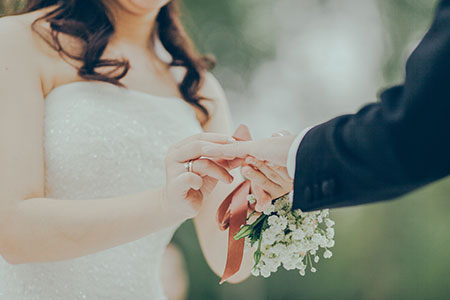
An event photoshoot serves as a vital element within the planning and documentation of special occasions, corporate functions, weddings, galas, and many other gatherings. Its primary purpose is to preserve the spirit and memorable moments of an event through high-quality photographs that tell a compelling story. For clients, these images do more than just capture faces and activities; they encapsulate emotions, atmospheres, and the essence of the event, making them invaluable for future reminiscing, promotional use, or branding.
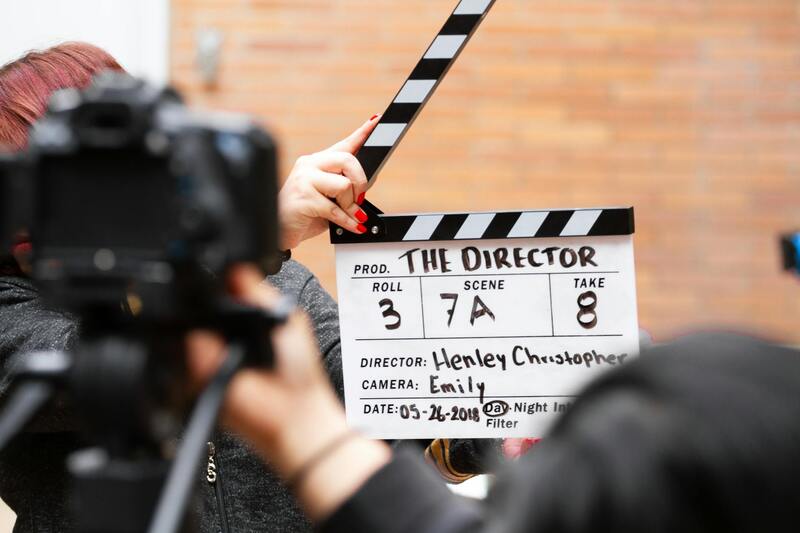
Capturing event highlights is perhaps the most apparent goal of an event photoshoot. Attention to detail allows photographers to document significant moments such as speeches, tender exchanges, keynote presentations, and the overall ambiance. These images not only showcase the progression of the event but also serve as official records that can be revisited or shared across various platforms.
Beyond immediate documentation, event photoshoots also contribute to branding and marketing efforts. Businesses and organizations use professionally captured images to enhance their promotional materials, social media presence, and internal archives. The quality and style of photographs directly influence how an event’s atmosphere and the organizing entity are perceived by a broader audience.
Memories created during these events are preserved through expert photography, allowing attendees and organizers to relive moments long after the event concludes. This emotional connection fosters community engagement and reinforces brand loyalty. Additionally, well-curated event photos can serve as a visual portfolio for production companies and photographers, showcasing their skills and inviting new clientele.
The Impact of a Well-Executed Event Photoshoot
- Creates lasting memories for clients and attendees
- Boosts promotional and marketing efforts
- Enhances the visual identity of the event and host organization
- Provides a comprehensive record of the event’s key moments
- Supports future branding and outreach initiatives
Understanding these core purposes underscores the importance of professional planning, quality equipment, and skillful execution in every event photoshoot. When approached methodically, an event photoshoot becomes a strategic investment that maximizes both immediate and long-term value for clients and organizers alike.
Legal and Copyright Considerations for Event Photos
Ensuring proper rights management for event photos is fundamental to safeguarding the interests of photographers, clients, and attendees. Clear agreements should be established prior to the event to delineate ownership, usage rights, and distribution permissions, helping prevent misunderstandings. These agreements typically specify whether photographs can be used for promotional purposes, shared on social media, or reproduced in print media.
It is essential to obtain explicit consent from individuals appearing in the photos, especially when images are intended for public dissemination. This often involves signing model releases that permit the photographer and organization to utilize the images for specific purposes. Maintaining well-organized documentation of such consents becomes a crucial part of the post-shoot process.
Photographers must be aware of copyright laws that govern their work, which typically grant them ownership over the images they create. However, clients often acquire usage rights through licensing agreements. Clarifying these rights before the event ensures both parties understand how the photos can be used, whether for marketing, client archives, or other purposes.
Using watermarks during the initial delivery can provide a layer of security against unauthorized use. However, it is advisable to supply high-resolution images through protected channels, accompanied by licensing terms that outline permissible uses. This approach balances the rights of the photographer with the needs of the client.
Strategies for Secure Image Delivery
- Employ encrypted file-sharing platforms to distribute high-quality photos.
- Include clear licensing terms within the delivery package, specifying limitations and allowances.
- Use digital watermarks on preview images to deter unauthorized use.
- Maintain detailed records of all agreements and consents related to each event photoshoot.
By adhering to these methods, professional photographers and clients can ensure that event photos are handled responsibly, respecting legal standards and reinforcing mutual trust. Proper documentation and secure delivery channels form the backbone of a transparent process that benefits all parties involved.
Strategies for Securing Event Photos
Protecting the integrity and rightful use of event photos requires a combination of technology and clear communication. High-resolution images are often shared with clients through encrypted platforms that prevent unauthorized access. Secure file-sharing services enable photographers to distribute images confidently, knowing that access can be controlled and tracked.
Embedding digital watermarks into images, especially previews or portfolio selections, acts as a deterrent against unauthorized reproduction. These watermarks should be discreet but resilient enough to identify the source if images are copied or misused. When delivering final images, providing them through authenticated portals with password protection reinforces security measures.
In addition, detailed licensing agreements should accompany each set of images. These documents specify permissible uses, restrictions, and credit requirements, fostering transparency and mutual understanding. Maintaining comprehensive records of all permissions, consents, and usage rights associated with each event photoshoot ensures clarity and accountability.
Implementing Effective Documentation and Licensing Practices
Proper documentation begins with formalized model releases, especially when photographing individuals in a public or semi-public setting. These releases grant permission to use images for various purposes, including promotional materials, portfolios, or commercial clients. Photographers should obtain signed consent forms well before the event to avoid last-minute ambiguities.
Both parties should clearly agree upon usage rights, whether images are for promotional use, client archives, or third-party licensing. Outlining specific terms helps prevent misunderstandings and ensures that the photographer maintains control over their work while honoring the client's needs.
Additionally, detailed records of all agreements serve as essential reference points in case of disputes. Signed contracts, release forms, and correspondence should be stored securely and be readily accessible for future verification.
Balancing Privacy with Promotional Opportunities
Professionals should weigh the potential benefits of showcasing event photos while respecting individual privacy and consent. When clients approve the use of images for marketing or portfolio purposes, obtaining explicit permission minimizes risks and fosters trust.
Offering clients options on which images to showcase and how they are presented provides flexibility and control. Obtaining consent for each intended use, especially for promotional campaigns, helps maintain ethical standards and nurtures ongoing professional relationships.
Photographers may also offer styled or curated galleries tailored for public sharing, ensuring that sensitive moments or recognizable individuals are appropriately protected. This thoughtful approach enhances credibility and demonstrates a commitment to respectful image handling.
Understanding the Purpose of an Event Photoshoot
Organizing an event photoshoot serves multiple strategic objectives. The primary goal is to create a visual record that authentically captures the essence of an occasion, whether it’s a corporate gathering, wedding, or community celebration. High-quality event photos not only document the moment but also serve as powerful tools for storytelling, marketing, and brand reinforcement. For businesses and organizations, these images can enhance promotional campaigns, social media engagement, and future event planning by providing a visual archive that reflects the event's atmosphere, engagement levels, and overall success.
Event photos also play a crucial role in fostering emotional connections. When participants see candid moments and expressive interactions, it deepens their sense of involvement and shared experience. This emotional resonance makes event photos a valuable asset for post-event communication, inspiring future attendance and reinforcing community bonds.
Furthermore, well-produced event photos can serve as testimonials of quality and professionalism, especially for corporate clients. They help establish credibility and showcase the organization’s ability to host memorable, seamless events. These images can be repurposed across various platforms, including event websites, newsletters, and media coverage, extending the event’s visibility beyond the day itself.
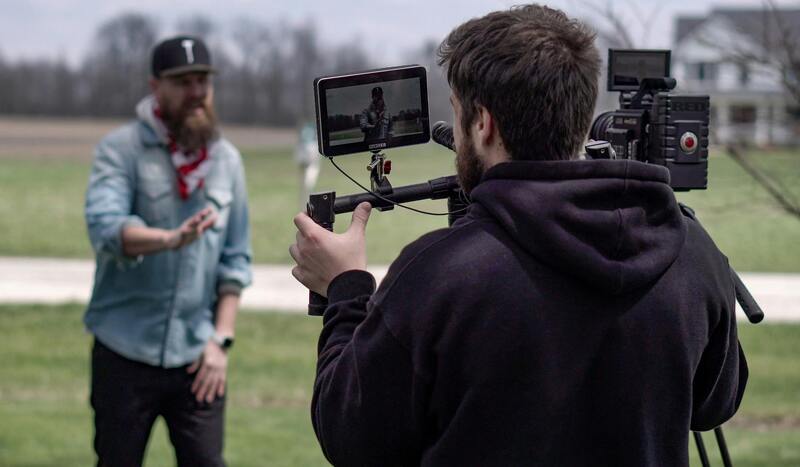
In addition, an event photoshoot offers customization opportunities to highlight specific themes, key speakers, or unique elements of the event. Strategic planning for photography ensures that all essential aspects are documented, resulting in comprehensive visual coverage that aligns with the event’s objectives. This targeted approach maximizes the value of the photoshoot as a future resource for branding, internal archives, and promotional content.
Key Benefits of a Purpose-Driven Event Photoshoot
- Authentic Documentation: Captures the real atmosphere, emotions, and interactions during the event.
- Enhanced Branding: Creates compelling visual content to reinforce brand identity and message.
- Marketing Material: Provides media-ready images for social platforms, websites, and print campaigns.
- Historical Record: Preserves memories for internal archives and future reference.
- Engagement and Testimonials: Facilitates storytelling that resonates with audiences and stakeholders.
Careful alignment of the photography approach with the event's goals ensures the produced images deliver maximum impact. This strategic focus guarantees that each shot contributes meaningfully to the event's narrative and outreach efforts, making the photos an invaluable asset for ongoing promotional strategies.
Implementing Proper Filming Techniques and Strategies
Successfully capturing captivating event photos requires meticulous attention to several core techniques that ensure every shot contributes to a compelling visual story. One of the primary considerations is understanding the importance of lighting. Natural light often yields genuine, warm images, but supplemental lighting equipment, such as portable flashes and diffusers, can help maintain consistency and avoid shadows, especially in indoor or low-light scenarios. Ensuring proper exposure settings, including aperture, shutter speed, and ISO, is essential for producing sharp, vibrant images that faithfully represent the event atmosphere.
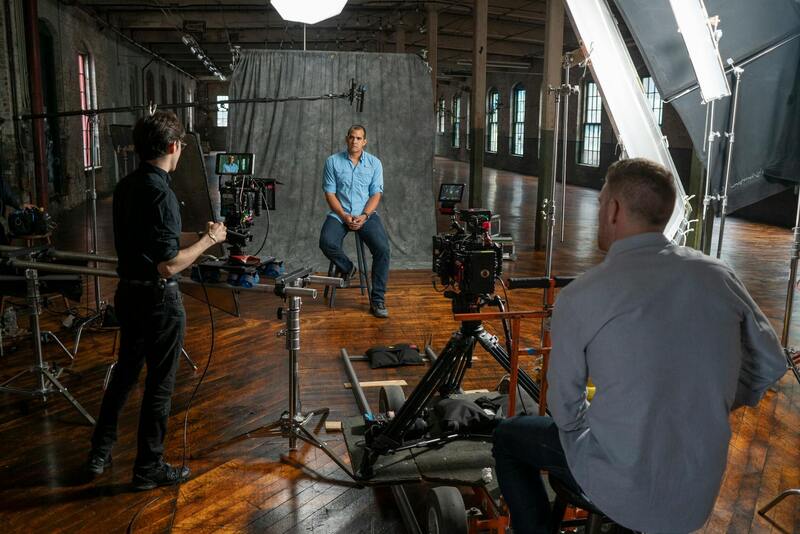
Mastering composition is equally critical. Rule of thirds, leading lines, framing, and depth create visually engaging photos that draw viewers into the scene. During the event, photographers should anticipate key moments rather than react solely to spontaneous occurrences. This proactive approach involves preemptively positioning oneself to capture significant interactions, speeches, or performances from various angles to ensure comprehensive coverage.
Another strategic element involves managing camera settings dynamically. Rapidly adjusting focus, aperture, and shutter speed based on movement and lighting conditions helps prevent missed shots and maintains image quality. Employing continuous autofocus and burst mode can be invaluable during fast-paced moments, such as awards ceremonies or dance performances, where capturing fleeting expressions and movements is crucial.
In addition to technical expertise, effective communication with event organizers provides valuable insight into the schedule and highlights. Clear directives about upcoming segments or emotional peak moments help photographers prepare, allowing them to position and set up equipment accordingly. This coordination facilitates the collection of images that highlight the event’s key messages and themes.
Post-Processing Techniques for Enhancing Event Photos
After the event, a tailored editing process enhances the quality and consistency of the captured images. Color correction ensures accurate skin tones and vibrant hues, aligning images with the event’s branding palette. Retouching minor imperfections or distractions can sharpen focus on key subjects, while maintaining authenticity. Consistency in style—such as contrast, saturation, and clarity—across the gallery supports a cohesive visual presentation.
Efficient workflow management, including batch processing and metadata tagging, expedites delivery timelines without compromising quality. Implementing a structured review process allows for selecting the strongest images, ensuring clients receive only the most impactful visuals. High-resolution image delivery via secure cloud storage or professional-grade digital formats enables versatile usage across marketing materials, social media, and archives.
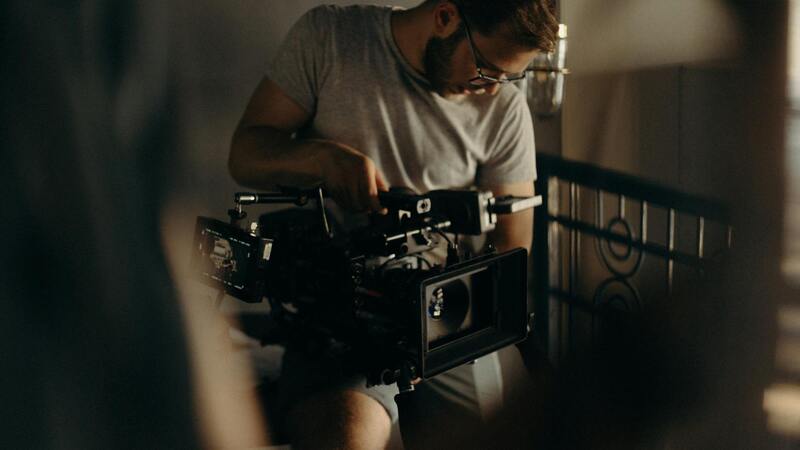
Maintaining consistency in editing techniques contributes to a recognizable style that clients can associate with their brand or event. Additionally, providing clients with optimized versions tailored for specific platforms maximizes engagement. For instance, social media images benefit from cropping and resizing, while high-resolution versions serve for print or archival purposes. This strategic approach ensures the images are not only visually appealing but also versatile for diverse distribution channels.
Implementing Consistent Copyright Protections and Proper Model Releases
Securing the rights to use event photos through proper documentation is fundamental to safeguarding your work and respecting the privacy of individuals involved. Obtaining model releases from subjects ensures that their likeness can be used across various platforms without concerns. When capturing photos at an event, it is advisable to distribute release forms ahead of time or have forms readily available for signing onsite, especially for prominent individuals or groups.
It is equally important to maintain clear licensing agreements with clients that specify how the images can be utilized post-event. This should include restrictions on commercial use, editing rights, and distribution channels. Developing a comprehensive agreement tailored to each project mitigates misunderstandings and provides clarity on the scope of image rights.
While licensing and releases are generally standard practice, ensuring these documents are signed and properly stored before distribution minimizes legal complications and promotes professionalism in event photography. Regularly reviewing and updating your templates to reflect current regulations and industry standards guarantees that your photoshoots remain compliant and ethically conducted.
Archiving and Cataloging Photos for Future Use
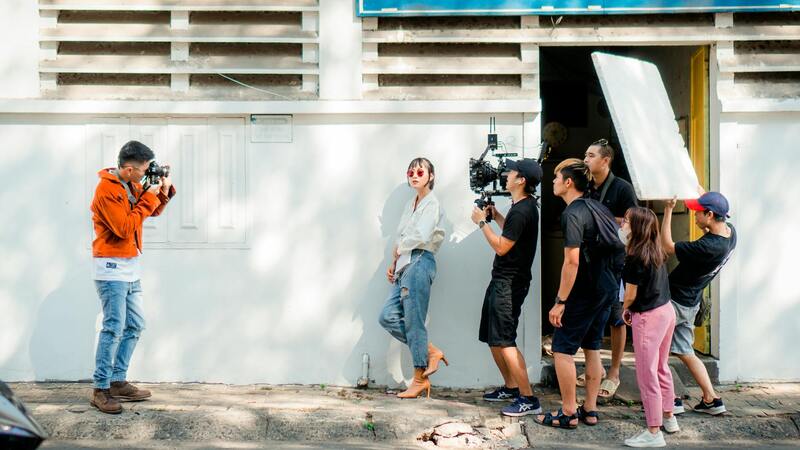
Effective archiving practices are vital for managing the vast number of images captured during an event. Establishing a consistent system for organizing photos facilitates quick retrieval and efficient delivery to clients. Use metadata tagging to annotate key details such as event name, date, venue, and notable subjects, which improves searchability. Employing high-quality storage solutions like external drives, cloud servers, or dedicated photo management platforms ensures data security and longevity.
Categorizing images based on shoot sections, themes, or designated moments enhances workflow and prepares for potential reuse in marketing or promotional campaigns. Maintaining detailed records of each shoot, including equipment used, settings, and post-processing notes, fosters a professional approach and supports future collaborations.
Implementing systematic backup routines and version control prevents data loss and helps track modifications over time. Regularly reviewing your archive system ensures it adapts to evolving project needs, making future access seamless and straightforward.
Understanding the Purpose of an Event Photoshoot
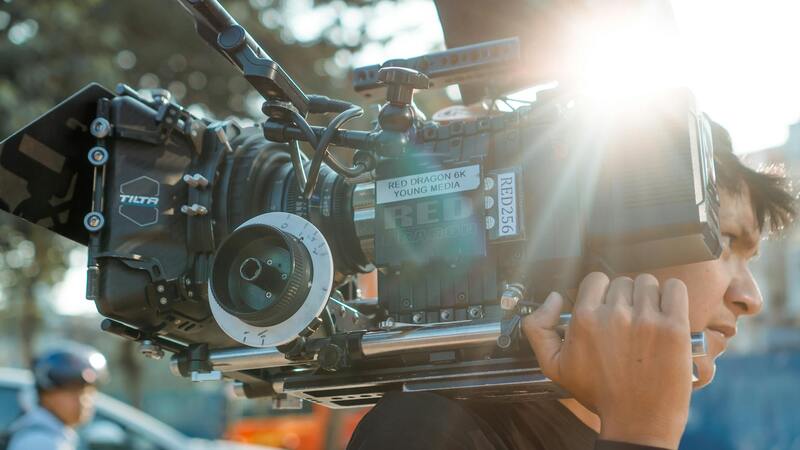
An event photoshoot serves as a pivotal element in capturing the essence, energy, and atmosphere of important gatherings. High-quality images not only document the event itself but also serve as tools for legacy building, promotional material, and client engagement. These photos provide a visual narrative that encapsulates the significance of the occasion, whether it is a corporate conference, a wedding, or a community celebration. Effective event photography combines artistry and technical precision to ensure that each critical moment is preserved authentically and vividly.
To maximize the impact of the event photoshoot, it is essential to understand the specific objectives behind the photography. Are the images intended for marketing, internal records, social media, or all of these? Clarifying these aims guides the photographer in planning the appropriate approach, composition, and post-processing style. Ultimately, a well-executed event photoshoot creates a seamless history of the event, showcasing not only individual moments but also the overall ambiance and noteworthy interactions that define the occasion.
Planning and Preparation for an Event Photoshoot
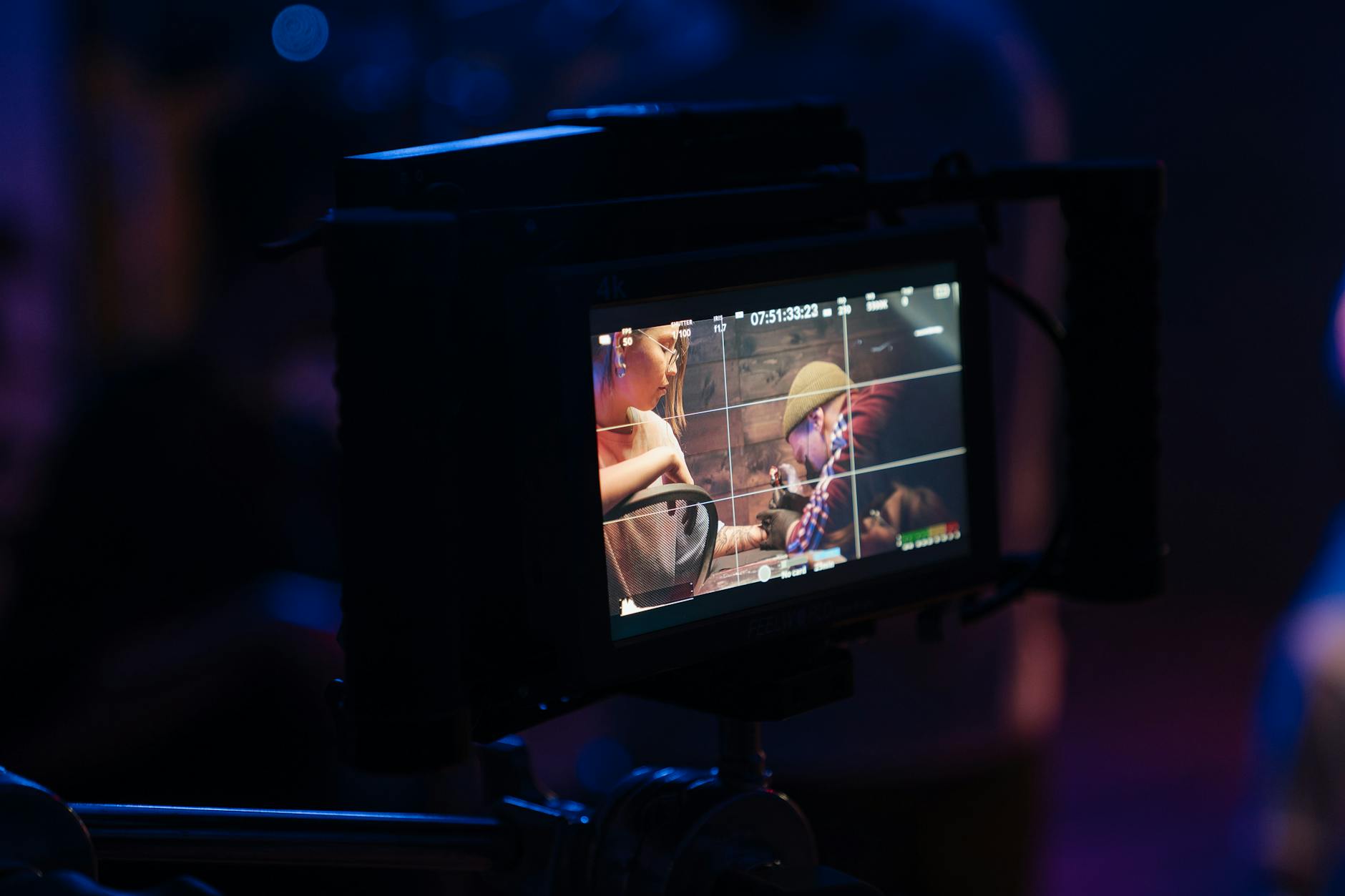
Successful event photography begins well before the actual event day. Initial planning involves detailed discussions with clients or event organizers to understand their expectations, key moments, and specific shots they envision. A comprehensive shot list, including must-have images such as candid interactions, crowd shots, and highlighted speakers or performers, ensures no critical moments are overlooked.
Site reconnaissance is an invaluable step where the photographer visits the event venue to assess lighting conditions, space constraints, and potential backdrops. This allows for strategic positioning of equipment and personnel, reducing surprises during the event. Additionally, understanding the event schedule ensures the photographer is present and prepared for scheduled highlights, awards, or performances.
Preparation also includes assembling suitable gear, backups, and accessories. This may encompass multiple camera bodies, lenses for different scenarios (wide-angle for crowds, telephoto for distant shots, prime lenses for artistic depth), and lighting equipment if needed. Ensuring all devices are fully functional and pre-configured is fundamental to a smooth shoot.
Choosing the Right Equipment and Technology
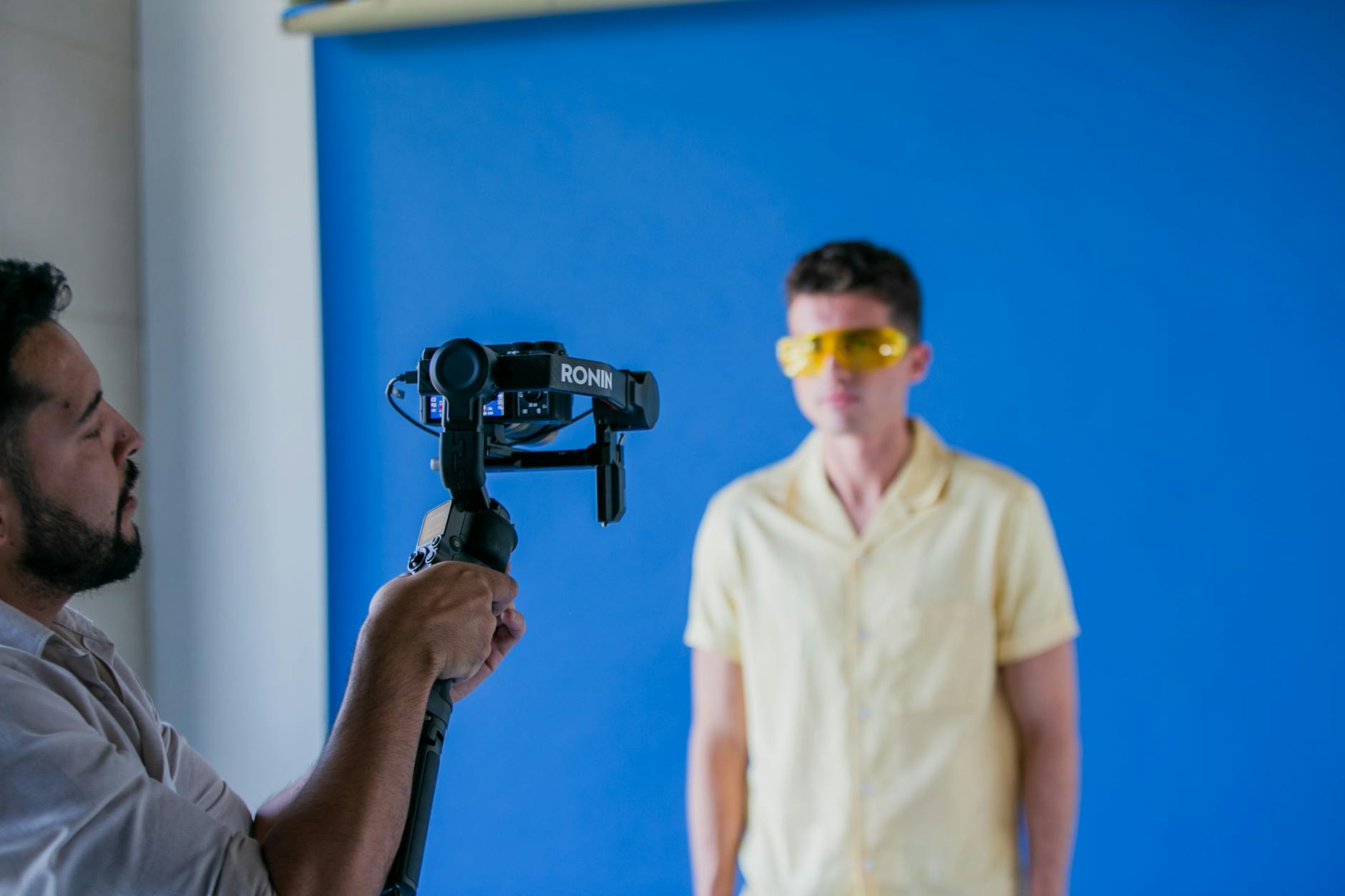
The technical foundation of an outstanding event photoshoot lies in selecting the appropriate gear. High-resolution cameras with fast autofocus capabilities are essential for capturing decisive moments, particularly in dynamic environments. Lenses should be versatile; wide-angle lenses are ideal for capturing crowds and venue details, while telephoto lenses are suited for candid portraits and distant subjects.
Lighting technology also plays a crucial role, especially in venues with inconsistent or dim lighting. External flashes, diffusers, and reflectors can help maintain proper exposure and prevent shadows. For events occurring in low-light conditions, cameras with excellent high ISO performance enable clear images without excessive grain.
Integrating modern technology such as mirrorless cameras, wireless transmitters, and high-capacity storage solutions ensures efficiency and quality. Wireless connectivity facilitates real-time review and sharing of images, while cloud backup options protect against data loss. Moreover, employing professional editing software aids in quick post-processing, delivering polished photos within tight timelines.
Capturing the Best Shots During the Event
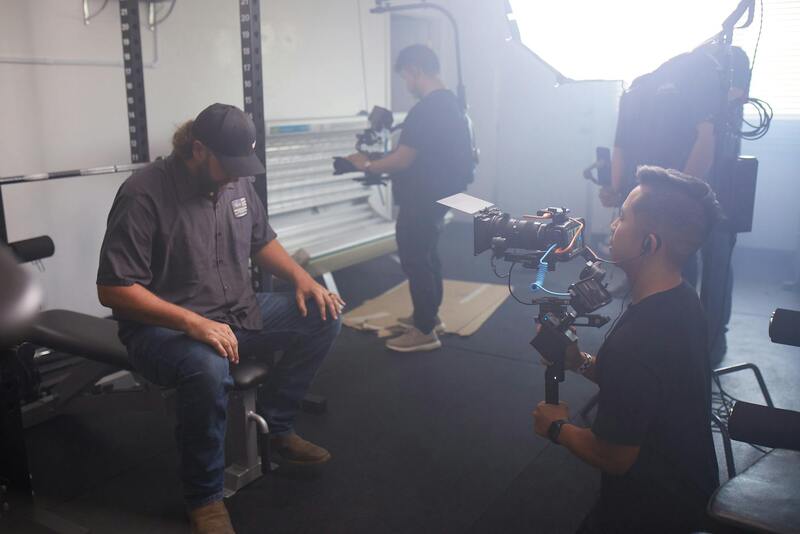
During the event, adaptability and vigilance are key attributes of a proficient photographer. Remaining observant allows for spontaneous candid shots that capture genuine emotions and interactions. Using a mix of posed and unposed images helps tell a comprehensive story of the event while maintaining an authentic feel.
Optimal composition, framing, and timing are essential for impactful images. Applying techniques such as the rule of thirds, utilizing leading lines, and capturing decisive moments enhances visual appeal. Regularly adjusting camera settings in response to changing light and movement ensures consistent image quality.
Engagement with subjects, discreet positioning, and non-intrusive techniques facilitate natural expressions. It's also prudent to photograph key moments at different angles and perspectives, creating a diverse gallery that highlights the event's vibrancy. Maintaining a steady pace and prioritizing the flow of the event prevents missing critical moments, especially during fast-paced segments.
Incorporating technology such as continuous shooting modes and using remote triggers can increase coverage efficiency, especially in crowded or complex setups. Keeping an organized workflow during the shoot, with labeled and sorted images on-site, accelerates post-production processes.
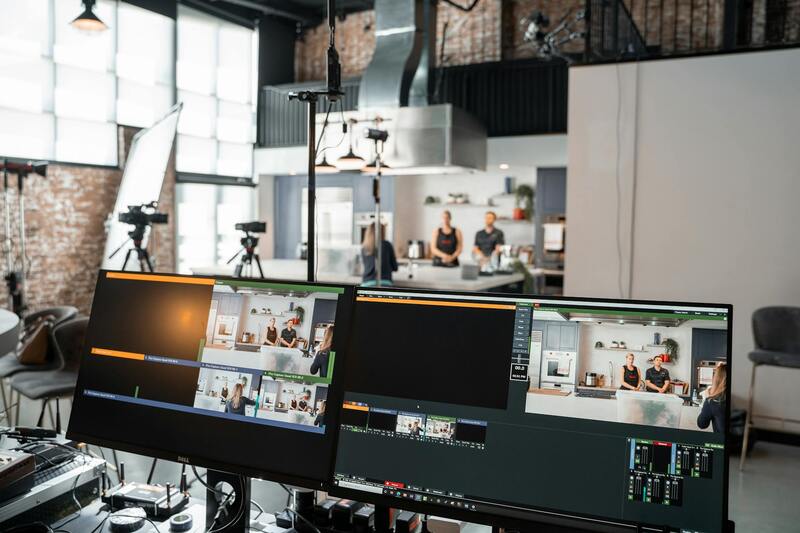
Utilizing Official Methods for Event Photoshoot Documentation and Promotion
For those seeking to showcase their event photography authentically and effectively, adherence to established methods of documentation and presentation is crucial. This ensures that the visuals not only capture the true essence of the event but also uphold the standards expected in professional portfolios and promotional materials. The following strategies focus on official avenues for obtaining and distributing event photos, emphasizing transparency, quality, and compliance.
Employing Certified Photographers and Approved Equipment
Sourcing a professional photographer with verified credentials and a proven track record is fundamental. Certified photographers often adhere to industry best practices, including proper use of lighting, composition, and post-processing techniques. Ensuring that equipment used during the event is compliant with recognized standards guarantees high-quality results. This includes high-resolution cameras, suitable lenses for varied lighting conditions, and stabilization tools to prevent motion blur. Regular maintenance and calibration of gear are recommended to keep everything operating within optimal parameters.
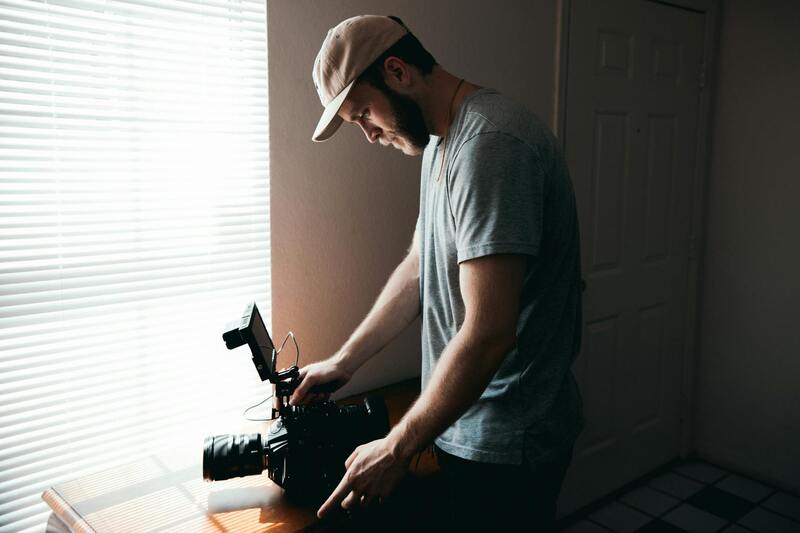
Following Standardized Shooting Protocols
Implementing standardized protocols during the shoot promotes consistency and professionalism. These include pre-event briefings to align on shot lists, moments of emphasis, and key individuals or activities to capture. Officiating the shoot with a clear plan minimizes missed opportunities and ensures comprehensive coverage. Utilizing approved techniques such as proper framing, correct exposure, and strategic lighting adjustments contribute to impactful imagery.
Applying Ethical Studio and Marketing Practices
Ethical practices involve obtaining necessary permissions from event organizers and participants, especially for publicity purposes. Demonstrating respect for privacy and adhering to the documented consent processes not only maintains professionalism but also fosters trust with clients and subjects. When sharing event photos publicly, it is best to do so through accredited platforms, official websites, or authorized social media channels, which reinforces legitimacy and maintains control over the content distribution.
Leveraging Authorized Platforms and Documentation Methods
Official channels such as secure client portals, branded online galleries, and licensed media management tools are essential for distributing event photos. These platforms provide a controlled environment that ensures images are viewed and shared in line with agreed-upon rights and licenses. For event agencies, integrating cloud-based storage solutions with access controls allows seamless yet secure delivery of photographs to clients.
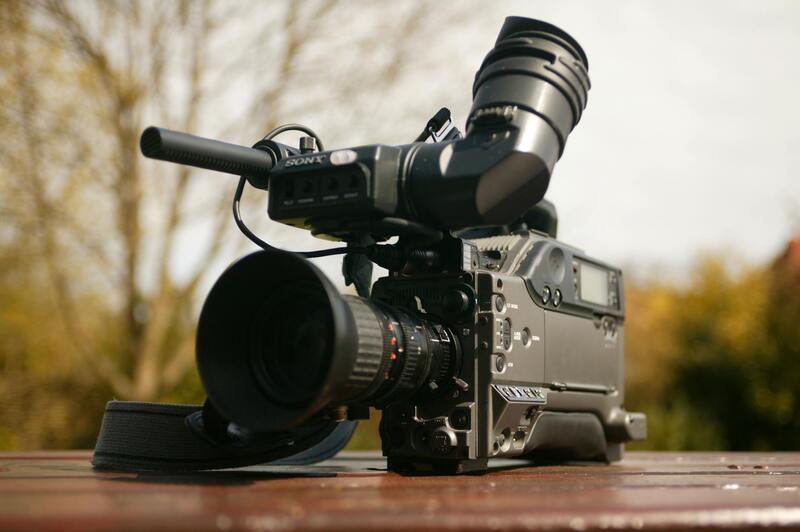
Maintaining Accurate and Transparent Records
Keeping detailed records of the photoshoot process, including signed agreements, consent forms, and a log of all images captured, supports accountability. Proper documentation of rights, usage permissions, and licensing terms ensures clarity moving forward. This approach not only safeguards the interests of all parties involved but also enhances the credibility of the photographer or agency.
Conclusion
Adopting official and legitimate methods in conducting and showcasing an event photoshoot underscores professionalism and commitment to quality. From sourcing certified personnel and employing approved equipment to utilizing accredited distribution channels and maintaining thorough records, these practices cultivate trust and reputation in the competitive field of event photography.