
Understanding Even Photo Photography
In the realm of professional photography, achieving an even photo is a hallmark of technical proficiency and artistic precision. An even photo is characterized by a balanced composition, consistent lighting, and proper exposure, all working together to produce a visually appealing and harmonious image. This type of photography is essential across numerous genres, including portraiture, event coverage, and commercial shoots, where clarity, detail, and visual harmony are paramount.
Fundamentally, a well-executed even photo allows viewers to focus on the subject without distraction, highlighting the intended focal points through judicious control of visual elements. This involves meticulously managing light sources, camera settings, and composition techniques to ensure that no part of the image appears overly dark or overly bright, creating a seamless and balanced visual story.
The process begins with understanding the interplay between light and shadow. Natural light, artificial lighting, or a combination of both, must be strategically manipulated to enhance the subject while maintaining world-wide visual consistency. Properly balanced exposure ensures that neither the highlights are blown out nor the shadows lose detail, resulting in a cohesive image. This careful calibration is crucial for capturing moments that are intended to be vivid, clear, and true to life.
A key element of even photography is the use of appropriate camera settings. ISO, shutter speed, and aperture need to be chosen thoughtfully to adapt to various lighting conditions. For example, a low ISO setting reduces noise and ensures crisp images in well-lit environments, while a wider aperture can provide soft background blur, directing attention to the main subject.
Understanding Even Photo Photography
Achieving perfectly balanced photos hinges on meticulous control of lighting, exposure, and compositional harmony. Even photo photography emphasizes capturing images with consistent lighting across the entire frame, avoiding harsh shadows and blown-out highlights. This approach not only enhances visual clarity but also ensures that unintentional variations in light do not distract viewers from the main subject. Precision in exposure settings, along with mastery over camera techniques, allows photographers to produce images that convey clarity and aesthetic harmony, regardless of the shooting environment.
Alongside technical proficiency, thoughtful composition plays a critical role. Techniques such as symmetry, leading lines, and adherence to the rule of thirds guide the viewer’s eye naturally through the image, reinforcing the sense of balance. Effective placement of the subject within the frame optimizes visual flow and emphasizes harmony. Additionally, post-production refinement—correcting minor exposure discrepancies, adjusting contrast, and aligning color tones—can substantially elevate an image’s balance. Skilled photographers dedicate time to these details, striving for images that communicate strength, professionalism, and artistic precision.
Importance of Lighting in Even Photos
Lighting forms the backbone of even photo creation, influencing everything from exposure to mood. Natural light, particularly during the golden hours of early morning and late afternoon, often provides ideal conditions for balanced images. Its soft, diffused quality minimizes harsh shadows and highlights, creating a natural glow that enhances subject appearance and background continuity. In settings where natural light is limited or inconsistent, well-designed artificial lighting setups—such as softboxes, diffusers, and reflectors—offer controlled, uniform illumination. These tools help achieve consistent brightness across subjects and backgrounds, ensuring that every element of the scene maintains clarity and visual stability.
In outdoor environments like Miami, where variable weather and sunlight can impact photo evenness, utilizing diffusers or shade structures can help manage harsh sunlight and direct light sources. Indoors, deliberate placement of lights and diffusion materials ensures even distribution, making the subject stand out without overpowering highlights or deep shadows. Photographers often prioritize understanding how different lighting angles and intensities affect the photograph’s overall balance, which directly correlates with the professionalism and visual harmony of the final image.
Camera Settings for Even Photos
Optimizing camera settings is fundamental for capturing even photos. A low ISO setting minimizes noise and ensures cleaner images, particularly in well-lit conditions. Aperture adjustments—favoring medium apertures such as f/8 to f/11—provide a balanced depth of field, keeping the entire scene in focus. Shutter speed should be determined based on lighting conditions to prevent motion blur; in bright environments, faster shutter speeds are preferable. Additionally, employing manual mode allows precise control over exposure, ensuring that the camera captures a balanced dynamic range and maintains even illumination throughout the shot.
Utilization of histograms is highly recommended; a centered histogram indicates well-exposed images with balanced shadows and highlights. For instances with high contrast, bracketing exposures and combining them later can produce a well-balanced final image. Modern cameras equipped with exposure compensation capabilities also help refine exposures during shooting, reducing the need for extensive post-editing.
Techniques for Achieving Even Exposure
Achieving even exposure involves a combination of technical execution and environmental awareness. Spot metering focused on the main subject can prevent over- or underexposure of important areas. When photographing scenes with contrasting elements, graduated neutral density filters help balance exposure by darkening overly bright sky regions, bringing uniformity to the entire image.
Using exposure bracketing and HDR techniques allows capturing multiple images at different exposures, which can then be merged to produce a final photograph that maintains even exposure across the entire frame. Additionally, adjusting ISO, shutter speed, and aperture in tandem ensures the camera adapts to varying lighting levels, maintaining a consistent visual tone. Practicing these techniques across different environments, especially in the dynamic Miami landscape, contributes to mastering balanced photographic representations.
Understanding Even Photo Photography
Creating high-quality, consistently balanced images requires a comprehensive understanding of the techniques that promote even photo lighting. This process is not solely about the camera settings but also about the environment, subject placement, and post-processing. It involves leveraging natural and artificial light sources to achieve uniform illumination across the entire frame, minimizing harsh shadows and bright spots.
One primary aspect of even photo photography is controlling light diffusion. Photographers often utilize translucent diffusers, reflectors, or bounce boards to soften light and distribute it evenly over the subject and background. This is particularly important when working outdoors in expansive environments, such as the vibrant Miami landscape, where natural sunlight can vary significantly throughout the day.
Moreover, environmental factors such as weather conditions, time of day, and surrounding elements can influence light distribution. Shooting during the golden hour, shortly after sunrise or before sunset, provides naturally diffuse light that helps produce even illumination. Cloud cover also acts as a natural diffuser, making it easier to capture balanced images across wide scenes.
In addition to environment management, the photographer’s technique plays a crucial role. Precise camera positioning and angling can significantly impact light distribution. For example, positioning the subject to avoid direct harsh sunlight without losing the desired aesthetic effect is vital. When working in complex lighting scenarios, employing a lens with a wide dynamic range enables capturing detail in both shadows and highlights, ensuring the image remains balanced from dark to light areas.
Proper use of camera accessories such as graduated neutral density filters can also enhance evenness. These filters darken overly bright parts of the scene—like a bright sky—while leaving the rest of the frame unaffected. This technique is especially useful in outdoor settings, where contrasting brightness levels can otherwise result in uneven exposure.
Advanced Techniques to Master Even Photography
For photographers aiming to refine their skill in capturing evenly lit photos, mastering exposure bracketing and High Dynamic Range (HDR) imaging is essential. These methods involve capturing multiple exposures and combining them to produce images with consistent, balanced light distribution across the frame. Post-processing software can seamlessly merge these images, resulting in highlights and shadows that retain detail without overpowering the composition.
Additionally, leveraging a camera's histogram during shooting provides instant feedback on exposure accuracy. A well-centered histogram indicates well-balanced exposure, while deviations suggest the need for adjustments. By continuously monitoring this tool, photographers can make real-time modifications to their settings, ensuring even exposure without excessive reliance on post-production corrections.
In the dynamic lighting environments of Miami, blending these techniques allows capturing vibrant, uniformly lit scenes that authentically represent the locale's energy and diversity. The proper integration of environmental understanding, technical mastery, and camera tools ultimately elevates a photographer’s ability to produce consistently even, captivating images.
Techniques for Achieving Even Exposure
Attaining a uniformly exposed photograph requires a combination of precise metering techniques, well-considered camera settings, and strategic use of equipment. Photographers often rely on metering modes like evaluative, spot, or center-weighted metering to assess the scene’s light distribution and adjust settings accordingly. Evaluative metering assesses the entire scene and is particularly effective for maintaining overall exposure balance, especially in complex lighting conditions such as those found in Miami’s urban landscapes or natural environments.
Adjusting exposure compensation allows for fine-tuning the camera’s suggested exposure, either brightening or darkening the shot as needed to achieve a balanced look. When shooting in challenging lighting—such as bright sunlight paired with shaded areas—use exposure compensation conservatively to prevent overexposure or underexposure.
Utilizing reflectors is an effective physical method for controlling light and ensuring even illumination across the subject. Reflectors bounce natural or artificial light onto shadowed areas, helping to fill in darkness and create a more consistent exposure. For outdoor shoots, especially in Miami where sunlight can be intense and variable, reflectors are invaluable for balancing light on subjects without resorting to extensive post-processing interventions.
Composition Tips for Even Photos
Composition plays a crucial role in capturing flawless, evenly lit images. Positioning your subject to leverage natural light effectively can make a significant difference. For example, employing the 'golden hour' — shortly after sunrise or before sunset — provides soft, diffused sunlight that enhances even lighting across the scene.
Utilize leading lines, framing, and the rule of thirds to guide viewers’ attention and ensure light is distributed harmoniously within the frame. Avoid placing key subjects directly in harsh sunlight or deep shadows unless intentional, as this can result in uneven lighting that distracts from the primary focus.
In Miami’s vibrant and diverse environments, scouting locations during different times of the day can help identify spots where natural light naturally balances out. Incorporating water reflections, shaded areas, or open spaces can enhance the overall exposure consistency, making the captured images more compelling.
Understanding Even Photo Photography
Achieving consistently balanced exposure in photography hinges on a thorough understanding of how light interacts with scenes and subjects. Even photo photography involves techniques and practices designed to eliminate harsh shadows, overexposed highlights, and uneven lighting that can detract from the visual harmony of the image. Mastering this art requires a keen eye for light, precise control of camera settings, and awareness of environmental factors that influence lighting conditions.
Fundamentals of Light Management
Effective light management begins with recognizing natural and artificial light sources and their behaviors during different times of day and in various environments. In Miami, where the sun's intensity can vary significantly, understanding how to harness sunlight’s characteristics is particularly advantageous. Knowledge about the direction, color, and quality of light allows photographers to position subjects optimally, thus reducing the need for extensive post-processing corrections.

Using Natural Light to Your Advantage
Natural light is often the preferred choice for achieving even photos because it provides a broad, diffuse illumination that reduces shadows and highlights. During golden hours—shortly after sunrise and before sunset—light becomes softer and warmer, creating ideal conditions for evenly lit images. Photographers can utilize shaded areas, open spaces, or water reflections to diffuse sunlight further, promoting an even distribution of light across the scene.
Control Through Artificial Lighting
In environments where natural light is insufficient or inconsistent, artificial lighting sources such as softboxes, reflectors, and diffusers play a pivotal role. These tools help distribute light uniformly across subjects, minimizing shadows and ensuring balanced exposure. When used effectively, artificial lighting complements natural conditions, enabling the capture of high-quality, evenly exposed photographs regardless of external lighting challenges.
Dynamic Environmental Factors in Miami
Miami’s vibrant outdoor venues, from beachside settings to urban landscapes, present unique lighting conditions that need to be navigated skillfully. The bright sunlight can cause stark contrasts, making even lighting a challenge during midday. Timing your shoot during early mornings or late afternoons can mitigate harsh lighting. Additionally, leveraging reflective surfaces such as water bodies, glass, or metallic structures can help bounce light onto subjects evenly, creating a soft, flattering illumination.
Practical Tips for Even Photo Shooting
- Scout Locations: Visit sites during different times of day to identify areas with naturally diffused light or shaded zones.
- Use Diffusers and Reflectors: These tools help spread light evenly and fill in shadows, promoting uniform exposure across the subject.
- Adjust Camera Settings: Fine-tune ISO, aperture, and shutter speed to suit lighting conditions, ensuring exposure remains balanced.
- Modify Environment: Deploy portable shades or curtains to shade harsh direct sunlight or create balanced lighting in outdoor settings.
- Embrace Post-Processing: Use editing software cautiously to correct minor exposure inconsistencies, maintaining natural appearance without overprocessing.
By integrating these strategies, photographers can consistently produce images with evenly distributed light, emphasizing clarity and vibrancy that stand out in professional portfolios and memorable event captures. Whether working outdoors in Miami’s sun-drenched landscapes or indoors with controlled lighting, mastery over exposure techniques transforms ordinary shots into stunning visual narratives.
Understanding Even Photo Photography
Capturing images with consistent exposure across the entire frame is fundamental to producing high-quality, professional photographs. Even photo techniques aim to eliminate harsh highlights and deep shadows, ensuring that every element within the shot is adequately illuminated. Whether photographing a landscape, portrait, or event, achieving uniform lighting allows viewers to appreciate all details equally, maintaining focus on the subject without distractions caused by uneven lighting. Mastery of this method involves a comprehensive understanding of various lighting parameters, how they interact with camera settings, and the strategic application of techniques during the shooting process.
Significance of Controlled Lighting Conditions
Consistent lighting conditions serve as the backbone for even photo results. In outdoor settings, particularly in Miami, where sunlight can be intense and variable, controlling natural light becomes crucial. Photographers often plan their shoots during times when natural light is softer, such as early mornings or late afternoons, facilitating more even exposure. Indoor settings provide additional opportunities through artificial lighting solutions, allowing for precise control over illumination. Achieving well-balanced light minimizes post-processing efforts and guarantees that the final images reflect true colors, sharp details, and natural contrast.
Utilization of Off-Camera Lighting Equipment
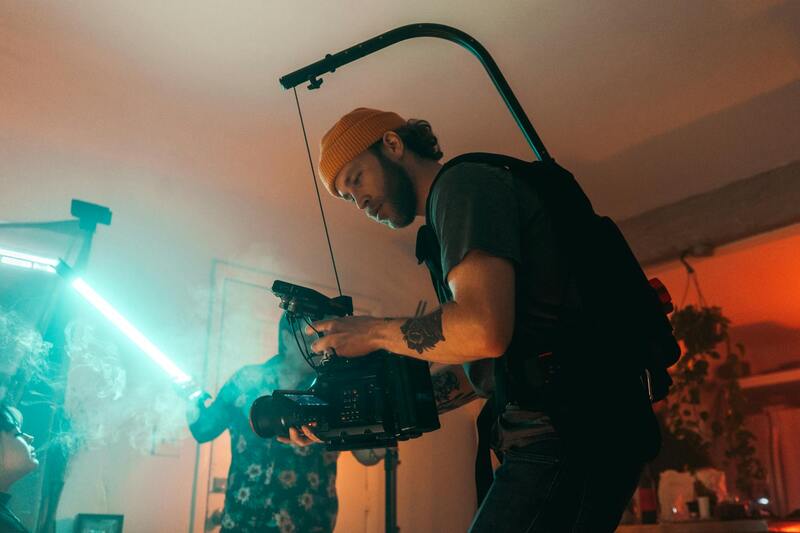
For professional photographers aiming for perfect evenness, off-camera lighting tools offer invaluable assistance. Continuous lights, softboxes, and studio strobes are designed to diffuse light uniformly across subjects, reducing shadows and hotspots. Reflective surfaces such as white bounce boards or silver reflectors are also essential tools; they redirect light onto shaded regions, balancing exposure on every part of the scene. When harnessed correctly, these tools enable the creation of softly lit images that exhibit maximum detail and clarity, regardless of ambient conditions.
Strategic Placement and Adjustment Techniques
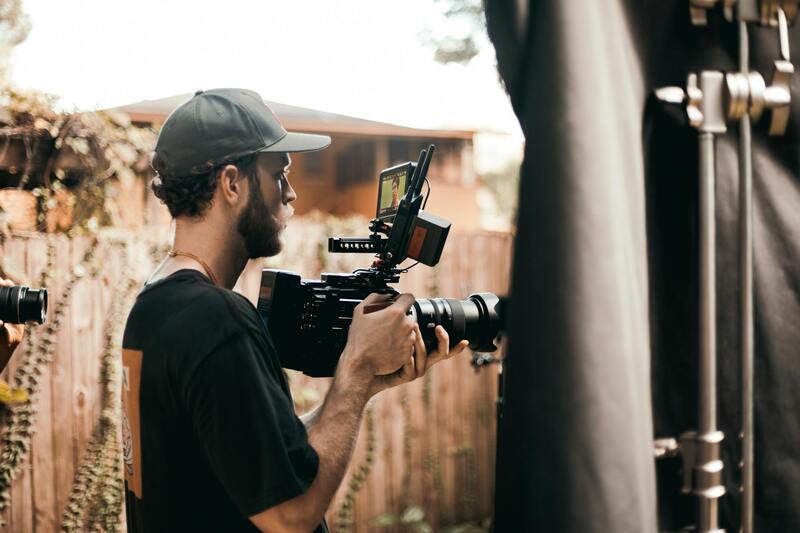
Achieving even exposure is often a matter of careful placement and real-time adjustments. Positioning the subject relative to light sources ensures optimal illumination, with the goal of avoiding direct harsh sunlight that produces stark contrasts. Using diffusers can soften direct light, spreading it evenly across the subject’s face or scene. Adjusting camera settings in real-time — lowering ISO to reduce grain, narrowing the aperture for a broader depth of field, and tweaking shutter speed to match lighting conditions — supports balanced exposure. Regularly reviewing images during a shoot allows photographers to make necessary modifications, ensuring consistency throughout the session.
Employing Filters and Modifiers
Physical filters and light modifiers serve as vital tools in the photographer’s arsenal when aiming for evenly lit photos. Neutral density filters, for instance, help manage harsh sunlight by reducing overall light intensity without affecting color balance. Diffusion filters further soften the light, making it more even and flattering. Additionally, specialized modifiers such as grid softboxes or beauty dishes direct and shape light precisely, minimizing uneven exposure caused by uneven light spread. Proper application of these tools contributes significantly to achieving harmonious illumination across the entire frame.
Understanding Even Photo Photography
Achieving evenly exposed photographs requires a comprehensive understanding of light behavior and camera settings. When working to produce even photos, photographers focus on controlling the distribution of light across the scene, minimizing shadows and highlights that can distract from the subject or scene's clarity. This involves careful planning, positioning, and precise adjustments throughout the shoot.
The Role of Light Control
Light control is fundamental in capturing even photos. Photographers utilize natural and artificial light sources, aiming to balance the illumination so that details are preserved throughout the frame. Whether shooting outdoors in diffused sunlight or using studio lighting, the goal is to create a uniform light spread that emphasizes the subject without harsh shadows or glaring highlights.
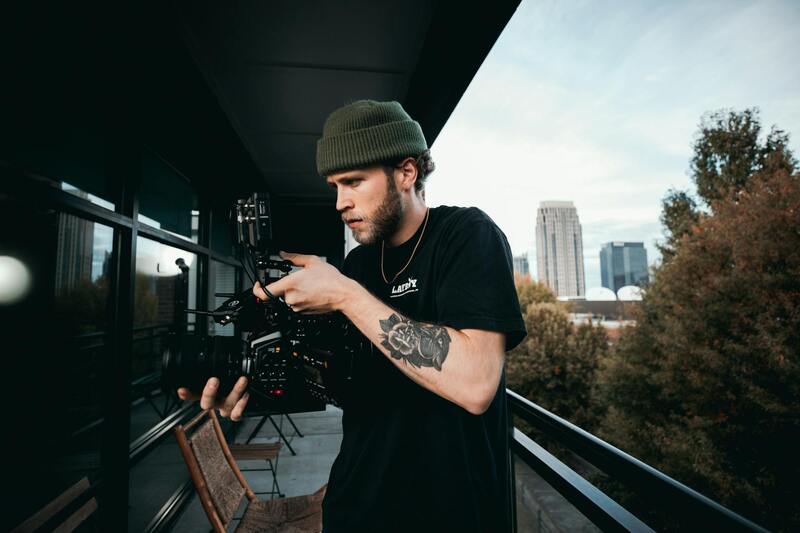
Strategies for Consistent Shooting Conditions
- Time of Day Booking: Planning sessions during the golden hours (shortly after sunrise or before sunset) provides soft, diffused light that reduces stark contrasts.
- Weather Conditions: Cloudy days naturally diffuse sunlight, making it easier to achieve even lighting without additional modifiers.
- Use of Diffusers and Reflectors: These tools spread and soften light, reducing the risk of harsh shadows and creating a more balanced exposure across the scene.
Equipment Choices and Settings for Even Photos
Choosing the right camera settings is crucial when aiming for even exposure. Key considerations include:
- ISO: Keep ISO as low as possible to prevent graininess, especially in consistently lit environments.
- Aperture: Select a narrower aperture (higher f-number) to increase depth of field, ensuring more of the scene remains in focus and evenly lit.
- Shutter Speed: Adjust shutter speed to match lighting conditions, maintaining proper exposure without compromising motion capture.
Real-Time Adjustments During Shooting
To maintain even lighting throughout a session, photographers should continually review their images on the camera display and make real-time adjustments. Moving reflectors, repositioning diffusers, or modifying the angle of light sources are effective techniques to correct uneven exposure as they arise.
Technical Innovations and Tools
Modern photographers leverage advanced tools to assist in achieving even lighting. These include softboxes, grid reflectors, and color filters designed to manipulate light quality and distribution. Use of light meters also plays a vital role in measuring luminance levels precisely, ensuring consistency across multiple shots.
Summary of Key Techniques
To reliably capture evenly exposed photographs, consider the following practices:
- Plan shoots around optimal lighting conditions or use modifiers to emulate them.
- Adjust camera settings thoughtfully in response to evolving light conditions.
- Employ reflectors, diffusers, and filters to shape filtered light and eliminate uneven patches.
- Constantly monitor captured images for consistency and make on-the-fly adjustments.
Mastering these steps can significantly enhance the quality of your images, resulting in professional-grade photographs with balanced exposure that accurately represent your subject or scene.
Understanding Even Photo Photography
Capturing photographs with even exposure is fundamental to producing visually balanced and professional-looking images. Achieving this requires a comprehensive understanding of how light behaves and how camera settings can be manipulated to distribute exposure uniformly across the scene. Even photo photography entails controlling the intensity and distribution of light sources, ensuring that highlights and shadows are harmonized without any area appearing overexposed or underexposed.
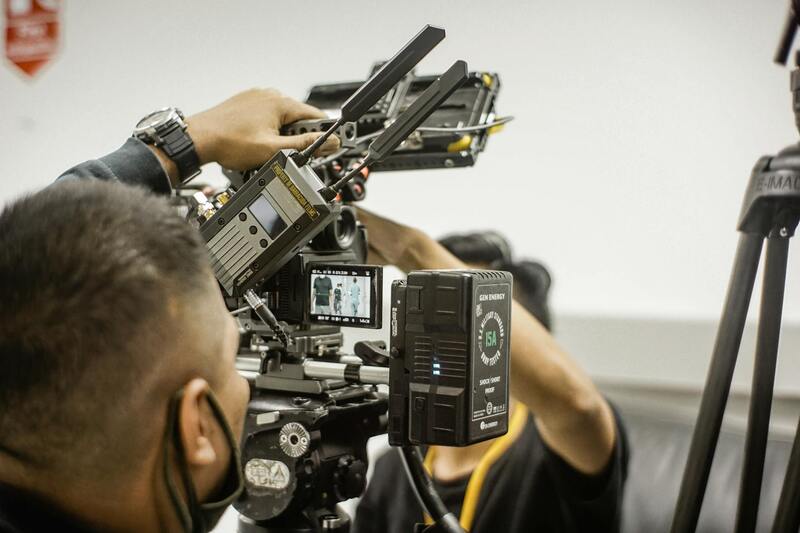
In real-world scenarios, various environmental factors influence the outcome of even photo capturing. Urban settings with diverse light sources, indoor venues with limited natural light, and outdoor locations with variable weather conditions all demand specific strategies to maintain consistency. Recognizing the importance of natural and artificial light balance paves the way for selecting suitable equipment and techniques tailored to each environment.
Lighting Techniques for Achieving Even Exposure
- Diffuse Lighting: Use softboxes, diffusers, and umbrella reflectors to scatter light evenly across the subject, minimizing harsh shadows and bright spots.
- Placement of Light Sources: Position lights at 45-degree angles or in a three-point lighting setup to evenly illuminate the subject from multiple directions.
- Balancing Ambient and Artificial Light: Adjust settings to complement available natural light with supplemental lighting that fills in shadows and evens out exposure.
- Use of Reflectors: Bounce light into areas that are shadowed by natural or artificial sources, smoothing out disparities in brightness.
- Controlling Light Intensity: Employ dimmers or ND filters to modulate light levels, preventing overexposure in bright spots.
Camera Settings Optimized for Even Photography
Proper camera configuration is crucial in capturing evenly exposed images. Mechanical adjustments should be based on the scene’s lighting conditions and desired outcome:
- ISO: Use the lowest ISO setting possible to reduce noise and maintain a broad dynamic range.
- Aperture: Select an aperture that provides sufficient depth of field while managing light intake appropriately for the scene.
- Shutter Speed: Adjust shutter speed to balance exposure, especially in rapidly changing light conditions.
- Exposure Compensation: Utilize this feature to fine-tune exposure during shooting, correcting for scene-specific lighting variations.
Post-Processing Enhancements for Even Exposure
Editing plays a pivotal role in achieving uniform exposure across photographs. Modern software enables fine-tuning of brightness, contrast, and tonal balance. Techniques such as:
- Highlight and Shadow Adjustment: Recover details in overly bright or dark areas.
- Using Curves and Levels: Precisely control tonal ranges for a balanced look.
- Selective Editing: Apply local adjustments to specific areas that require exposure correction without affecting the entire image.
By meticulously combining lighting techniques, camera configurations, and post-processing steps, photographers can consistently produce images with even exposure. This approach ensures that every detail, from shadows to highlights, is captured with clarity and precision, ultimately elevating the quality of visual storytelling in every photograph.