

Defining a Promotional Video for Business
A promotional video for a company serves as a dynamic visual tool designed to capture attention, inform, and motivate viewers to engage further with a brand, product, or service. Unlike traditional advertising methods, these videos utilize storytelling, compelling visuals, and targeted messaging to communicate key brand values and offerings efficiently. Their primary purpose is to create a memorable impression that resonates with potential customers and enhances brand recognition across various platforms.
At its core, a promotional video is crafted to highlight what sets your business apart from competitors. Whether it's showcasing a new product line, illustrating the benefits of a service, or sharing a compelling brand story, these videos deliver succinct, impactful messages that facilitate emotional connections with audiences. They serve multiple functions—from introducing a company to potential clients and explaining complex features to reinforcing brand identity and fostering customer loyalty.

One of the significant advantages of a well-produced promotional video is its versatility. It can be utilized across a spectrum of channels, including your official website, social media platforms, email campaigns, trade shows, and in-store displays. This adaptability makes videos indispensable in modern marketing strategies. Additionally, their ability to convey messages with visual storytelling ensures information retention and emotional impact, often leading to higher conversion rates.
Creating an impactful promotional video requires strategic planning and creativity. It should align with the overall marketing objectives, target audience preferences, and brand voice. Effective videos employ clear messaging, engaging visuals, and compelling calls to action, ensuring viewers are guided toward the desired response — whether it’s making a purchase, signing up for more information, or simply increasing brand awareness.
Investing in a promotional video can significantly boost a company's marketing efforts. It provides an opportunity to differentiate your business in a competitive landscape and communicate your core messages with clarity and appeal. As digital consumption continues to rise, the importance of high-quality, targeted video content becomes increasingly evident, making it a crucial component in any comprehensive marketing plan.
Defining a Promotional Video for Business
A promotional video for a company acts as a dynamic communication tool designed to showcase a brand's identity, products, or services with compelling visual storytelling. Unlike static advertisements, these videos combine motion, audio, and visual elements to create an engaging narrative that captures the audience’s attention swiftly and effectively.
To ensure its effectiveness, a promotional video must serve specific strategic objectives, whether that’s increasing brand recognition, launching a new product, or fostering customer interest in your offerings. It functions as a digital ambassador, conveying core messages in a memorable format that can resonate emotionally with viewers, encouraging them to take the desired action.
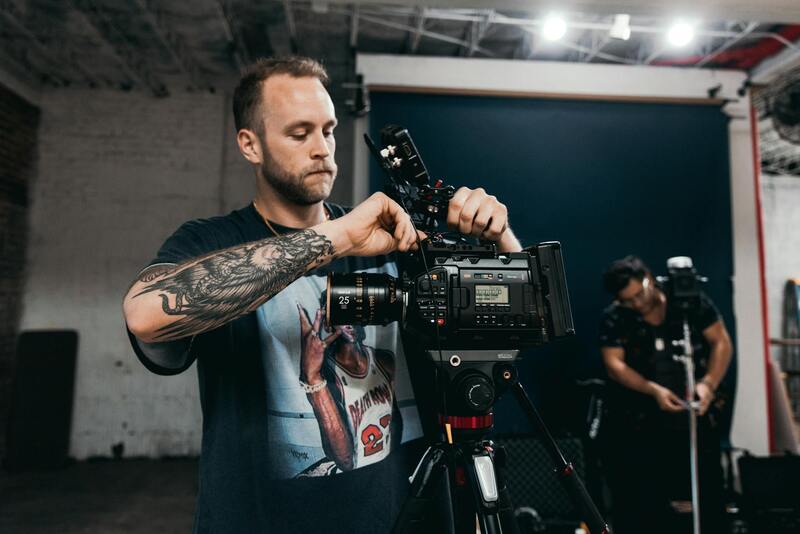
Developing a high-impact promotional video involves meticulous planning to align with your overall marketing goals. It requires a clear understanding of your target audience, the key messages you want to communicate, and the tone appropriate for your brand voice. The content should be concise yet comprehensive enough to inform, entertain, and persuade.
Core Elements of an Effective Business Promotional Video
- Clear Messaging: The message should be easily understood and directly related to your business objectives. Whether emphasizing your unique value proposition or highlighting customer success stories, clarity is paramount.
- Engaging Visuals: Use high-quality footage, professional animations, and appealing graphics to keep viewers interested. The visual style must align with your brand identity to reinforce consistency.
- Compelling Narrative: A well-structured story guides viewers through your message, often beginning with a problem, illustrating your solution, and ending with a call to action.
- Call to Action (CTA): Every promotional video should end with a clear CTA, prompting viewers to contact your business, visit your website, or take another desired step.
Official Methods to Create a Promotional Video for Your Business
Producing a credible promotional video relies on established and legitimate methods that adhere to industry standards. Outsourcing to experienced production companies or agencies ensures access to professional equipment, skilled personnel, and a refined workflow that guarantees a polished final product.
Moreover, collaborating with seasoned videographers who specialize in corporate content guarantees that your vision aligns with technical expertise. They can guide you through scripting, shot composition, lighting styles, and sound quality to craft a seamless and impactful video.

Best Practices for Legitimacy and Authenticity
- Use Authentic Content: Showcase genuine testimonials, real employees, and authentic representations of your products or services. This builds trust and credibility with your audience.
- Follow Brand Guidelines: Maintain consistency with your branding elements, including logos, color schemes, and messaging tones to reinforce brand recognition.
- Obtain Proper Permissions: Secure rights for music, images, and footage used in your video. Utilizing licensed content adheres to intellectual property standards and adds professionalism.
- Engage Certified Professionals: Employ certified video creators or production companies with proven track records, ensuring adherence to industry standards and quality benchmarks.
Additional Considerations for a Credible Promotional Video
Developing a promotional video that embodies legitimacy requires attention to detail and adherence to recognized production practices. This includes scripting with input from marketing and legal teams, maintaining transparency about your offerings, and presenting your business honestly to foster reliable engagement.
Implementing a structured review process before publishing helps catch inaccuracies or discrepancies, reinforcing honesty and transparency. Staying aligned with current industry regulations and guidelines further certifies the professional authenticity of your promotional content.
Implementing Proven Strategies for Authentic Promotional Video Content
Creating a promotional video that resonates with target audiences hinges on the application of proven, legitimation-focused strategies. A key aspect is leveraging authentic content, which involves showcasing genuine testimonials, real employee interactions, and realistic portrayals of your products or services. Authentic visuals not only foster trust but also strengthen the connection between your brand and consumers, illustrating honesty and transparency. This approach demonstrates a commitment to honesty, making viewers more inclined to engage with your business.
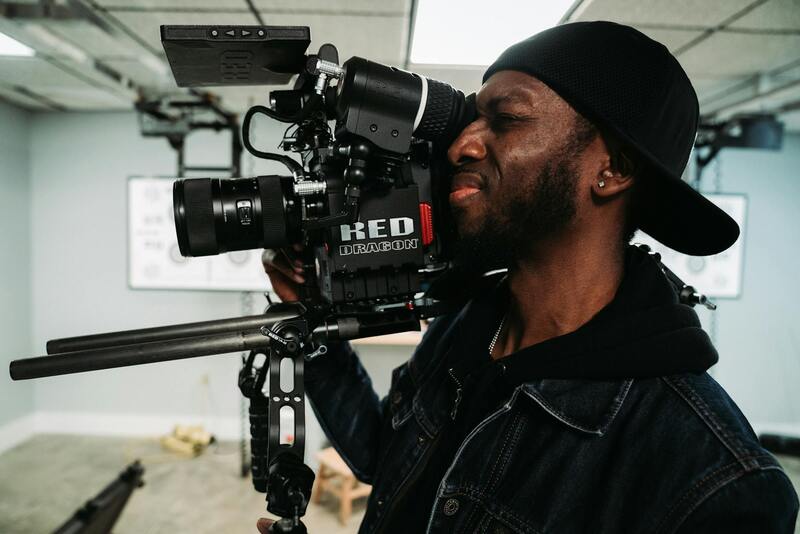
Maintaining adherence to your established brand guidelines is crucial for preserving consistency and reinforcing your visual identity. This includes consistent logo placement, color schemes, messaging tones, and overall aesthetic. When viewers recognize your branding across various platforms and content formats, it enhances recall and affirms the professionalism of your promotional efforts.
- Securing Proper Permissions: Ensuring rights for music, footage, and images used in your video not only adheres to intellectual property standards but also reflects your dedication to ethical practices. Licensed content adds a layer of professionalism and avoids possible legal complications. Using royalty-free or licensed music, for example, ensures your video remains compliant and sound-proofed against copyright issues.
- Engaging Certified Professionals: Collaborate with certified video creators or reputable production companies that have a proven track record of delivering high-quality content. Certified professionals are well-versed in industry standards, technical execution, and production quality, which translates into polished, credible promotional videos for your brand.
Key Considerations for a Credible Promotional Video
Developing content that projects legitimacy also involves strategic planning and structured review protocols. All scripts should be developed in collaboration with your marketing and legal teams, ensuring messaging is both compelling and compliant with industry standards. Transparency about your products or services is essential—avoid exaggerated claims or ambiguous promises that could raise skepticism.
Implementing a thorough review process before publication involves cross-checking facts, verifying that all visuals accurately depict your offerings, and ensuring that messaging aligns with your brand values. This process helps to catch discrepancies, inaccuracies, or potential misrepresentations, reinforcing integrity. Additionally, remaining up-to-date with current industry regulations and content guidelines further assures your promotional material retains its professional and trustworthy appearance.
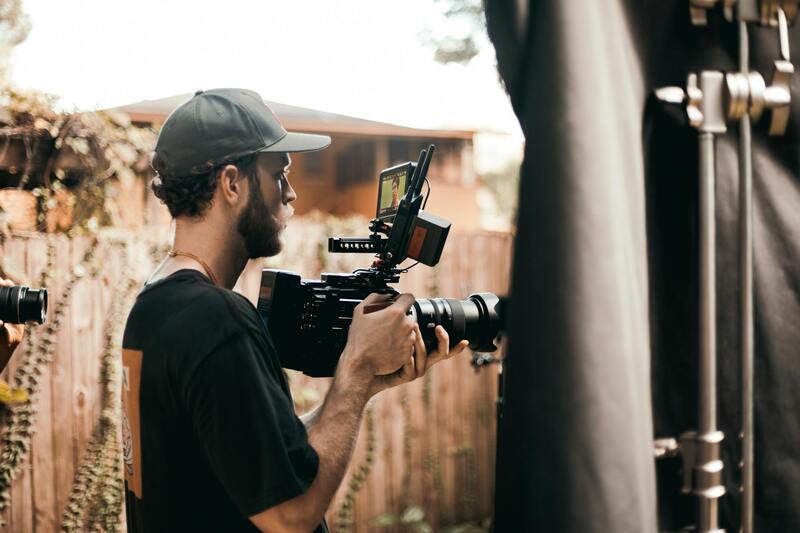
Embedding Industry Standards into Your Video Production Workflow
Implementing best practices in your video production process ensures the delivery of a robust, legitimate promotional piece. This involves detailed scripting, often with input from cross-departmental teams, to ensure messaging accuracy and consistency. It also entails selecting reputable vendors who adhere to industry standards, such as certified videographers and production firms with a track record of ethical and high-quality work.
Furthermore, documenting each stage of production—including storyboarding, filming, editing, and post-production review—creates accountability and transparency. Such protocols foster an environment of integrity that resonates with viewers, establishing your company as a trustworthy and legitimate entity within your market space.
Defining a Promotional Video for Business
A promotional video for a company serves as a dynamic tool designed to communicate brand identity, showcase products or services, and highlight the unique value propositions that distinguish it within the marketplace. Unlike conventional advertising, these videos encapsulate a company's mission, culture, and offerings in an engaging and memorable manner, tailored to captivate target audiences effectively.
Creating an impactful promotional video involves meticulous planning to ensure alignment with the company's strategic objectives and brand voice. It begins with identifying the core message that needs to be conveyed, whether it’s introducing a new product, explaining service benefits, or reinforcing brand values. The narrative should be crafted to resonate with the target audience, utilizing storytelling techniques that foster emotional connections and enhance recall.
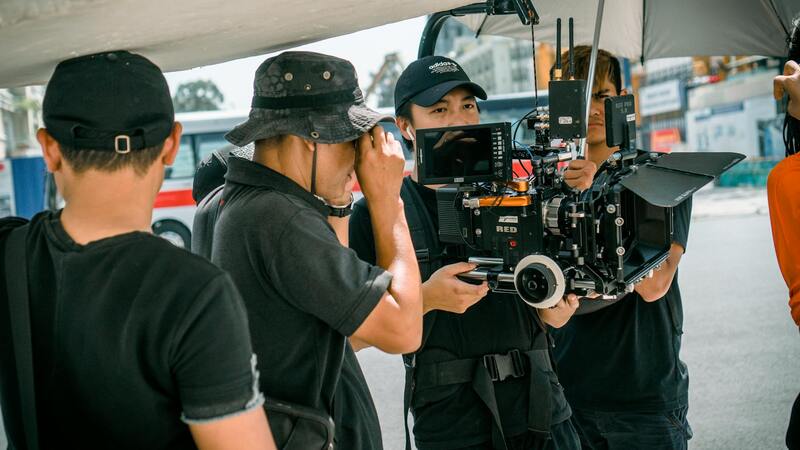
From a structural perspective, a promotional video typically incorporates elements such as compelling visuals, clear messaging, and a call-to-action that prompts viewers to engage further with the business. The production quality should reflect the company’s professionalism, utilizing high-resolution footage, sharp editing, and suitable background music to evoke the desired emotional response. Furthermore, adherence to industry standards during production guarantees that the content remains consistent with professional marketing guidelines, fostering trustworthiness and authority.
Key Components of an Effective Promotional Video
- Concise Messaging: Clear articulation of what the company offers and why it matters.
- Engaging Visuals: High-quality imagery that captures attention and communicates effectively.
- Brand Consistency: Use of colors, logos, and style that reflect the company’s identity.
- Strong Narrative: Storytelling elements that create a memorable experience.
- Call-to-Action (CTA): Guidance for viewers to take the next step, whether visiting a website, signing up for more information, or making a purchase.
Ensuring Content Integrity and Professionalism
Adhering to stringent review processes is vital in maintaining the content's integrity. This involves cross-verifying factual information, verifying visuals for accuracy, and ensuring that all messaging aligns with the company’s core values. Employing reputable vendors and certified videographers reinforces the video’s quality and adherence to industry protocols. Documenting every stage of production—from scripting and storyboarding to filming and editing—not only streamlines the process but also enhances accountability and transparency, which are critical to producing a legitimate and professional promotional video.
Visual and Technical Best Practices
Incorporating professional lighting, seamless editing, and high production standards ensures the final product is polished and credible. Additionally, compatibility with various platforms and formats allows wider accessibility and maximizes reach. As more consumers consume content via mobile devices and social media, optimizing videos for these formats increases engagement and strengthens the brand's online presence.

Ensuring Content Authenticity and Professional Standards
Maintaining the authenticity and professionalism of a promotional video requires meticulous attention to detail throughout the entire production process. This begins with comprehensive scripting that accurately reflects the company's values, products, and services, ensuring that all messaging is factual and consistent. Every visual element, from logos to product demonstrations, must be verified for accuracy to prevent any misinformation, which can damage the brand's credibility.
Employing a team of certified and experienced videographers is crucial. These professionals adhere to industry standards, utilizing high-quality equipment and techniques to produce visually compelling content. Their expertise guarantees proper lighting, framing, and sound quality, which collectively elevate the overall presentation of the video. In addition, quality post-production editing refines the raw footage, correcting any anomalies and enhancing visual coherence. This step is vital for delivering a seamless viewing experience that aligns with the brand’s professional image.
Implementing a structured review process safeguards content integrity. This involves multiple rounds of scrutiny by internal teams and, when appropriate, external consultants with expertise in branding, marketing, and legal compliance. Cross-verification of facts, visuals, and messaging ensures the final product accurately represents the company’s offerings and core values. Keeping meticulous records—from initial concept development to final approval documentation—not only streamlines the project but also fosters transparency, accountability, and trustworthiness in the promotional material.
Adherence to Industry Standards and Quality Assurance
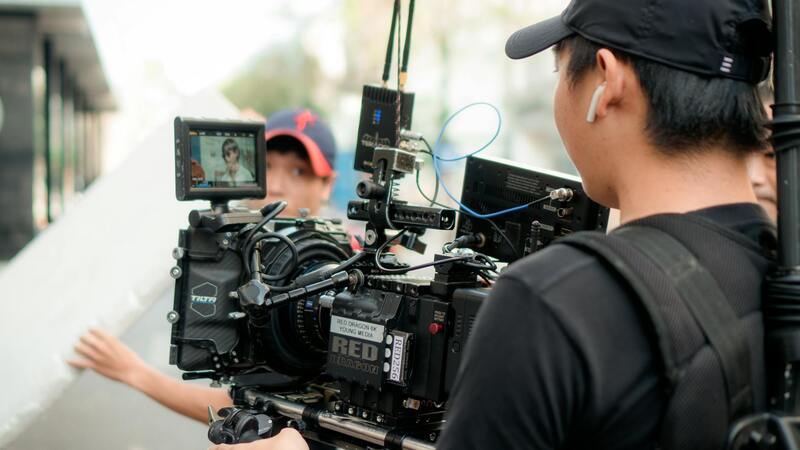
Producing a promotional video that commands respect and attention hinges on strict adherence to established best practices within the video production industry. This includes incorporating professional-grade lighting setups to enhance image clarity and focus on key elements. The use of seamless editing techniques ensures the narrative flows logically, maintaining viewer engagement without unnecessary distractions. These technical standards reinforce the credibility of the brand and foster viewer trust.
Furthermore, optimizing videos for various distribution platforms increases their reach and effectiveness. Ensuring that the final product is compatible with social media channels, websites, and mobile devices maximizes exposure, accommodating the diverse ways potential customers consume content. This entails encoding videos in formats suitable for different platforms and creating multiple aspect ratios or resolutions for seamless viewing experiences. Such technical considerations reflect the company's commitment to quality and enhance the overall impact of the promotional content.
Visual and Technical Excellence in Promotional Content
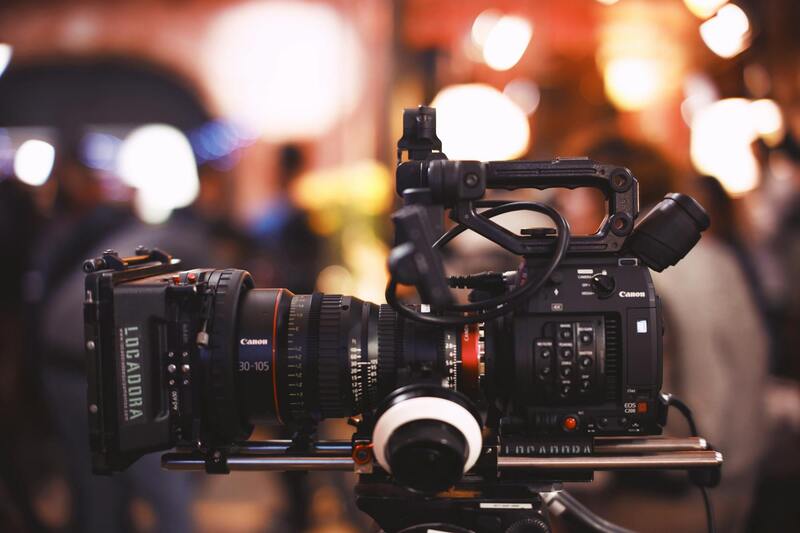
The foundation of a persuasive promotional video lies in visual and technical excellence. Carefully orchestrated lighting schemes eliminate shadows and highlight product features, making visuals more attractive and precise. Smooth camera movements, steady shots, and clear audio recording contribute to a polished look that resonates with viewers.
Post-production adds the finishing touch with professional editing, color correction, and sound design. These elements not only enhance aesthetic appeal but also reinforce brand consistency. High production standards signal to audiences that the company values quality, which can translate into increased trust and engagement. Additionally, employing compelling visual storytelling techniques helps convey complex messages simply and effectively, creating memorable impressions that motivate viewers to act.
Implementing Official Methods for Creating a Promotional Video for Your Company
Developing an effective promotional video involves adhering to structured methods that ensure professional quality and compliance with industry standards. Starting with a clear understanding of the purpose and target audience lays a solid foundation for the entire process. Companies should begin by conducting thorough market research to identify what resonates with their audience, along with a detailed briefing that outlines key messages, brand voice, and visual preferences. This ensures that every element of the video aligns with organizational goals and maintains consistency across all branding efforts.

Pre-production planning remains a crucial step, encompassing script development, storyboarding, and selecting suitable locations, actors, or presenters. Writing a compelling script that tells a coherent story while emphasizing the company's unique value propositions is essential. Storyboards help visualize scenes, plan shots, and coordinate technical requirements. Another significant aspect involves obtaining all necessary permits, rights, and clearances for locations, music, and footage, ensuring full legal compliance and avoiding potential disputes.
Utilizing Professional Equipment and Proper Techniques
Using official and recognized equipment minimizes technical issues and enhances the overall quality. High-definition cameras, professional lighting, and high-quality microphones should be employed to produce crisp visuals and clear audio. Skilled videographers and editors leverage these tools with refined techniques such as controlled lighting setups, steady camera movements, and precise framing to create visually appealing content. This professional approach elevates the perceived credibility of the promotional video and strengthens viewer engagement.
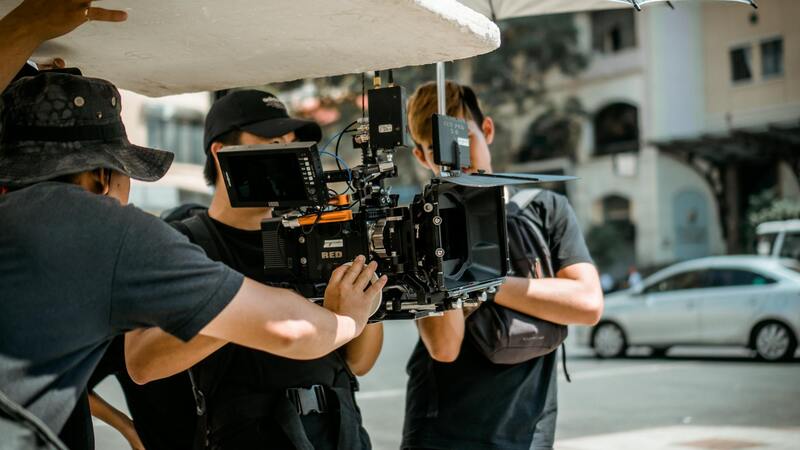
Post-production processes further solidify the legitimacy of the promotional content. Employing experienced editors ensures seamless transitions, color correction, and audio mixing, thereby producing a polished final product. Additionally, incorporating official branding elements—such as logos, taglines, and brand colors—maintains consistency and reinforces brand recognition. Official stock footage or licensed images can be utilized to respect intellectual property rights, adding authenticity and professionalism to the video. Looping in voice-over artists who specialize in corporate narration enhances clarity and adds a layer of authoritative communication.
Adhering to Industry Standards and Best Practices
Creating a promotional video within the boundaries of recognized industry standards guarantees high production quality and lawful compliance. Latin standards for filming, editing, and distribution emphasize capturing footage responsibly and with respect for intellectual property. All content should be carefully reviewed and cleared to prevent inadvertent copyright infringements. Maintaining transparency about sponsored content or paid endorsements fosters trust with viewers, aligning with transparent and responsible marketing practices. Employing official distribution channels such as established social media platforms, company websites, and email newsletters ensures the content reaches a broad yet targeted audience in a controlled manner.
Tracking the performance of the published promotional video using official analytics tools helps gauge viewer engagement, retention, and overall effectiveness. This data allows for refining subsequent videos, ensuring they meet quality and compliance standards while maximizing impact. Consistently updating content based on audience feedback and industry trends demonstrates a commitment to maintaining professional integrity and staying relevant within the business landscape.
Official and Legitimate Methods for Creating a Promotional Video for Your Company
Developing a promotional video that effectively showcases your business requires adherence to established and recognized methods that guarantee quality, professionalism, and compliance with industry standards. Employing reputable techniques and tools not only enhances the credibility of your content but also ensures it reaches your target audience responsibly and effectively. The process involves several key stages, each grounded in official practices that prioritize intellectual property rights, accurate representation, and strategic distribution.
Utilizing Professional Scriptwriting and Storyboarding
The foundation of a legitimate promotional video begins with careful planning, which includes creating a detailed script aligned with your brand voice and messaging. Official scriptwriting adheres to copyright regulations by using original content, properly licensed materials, or creative commons assets. Once the script is finalized, it transitions into storyboarding, a visual blueprint that maps out scenes, camera angles, and transitions. This step is crucial for maintaining clarity, consistency, and adherence to production standards.
Engaging Certified Production Teams
Partnering with certified production companies or freelance professionals who specialize in corporate videography ensures high-quality output. These experts follow industry-standard filming practices, utilize licensed equipment, and employ legal methods for setting up shoots. They also respect intellectual property by securing necessary licenses for locations, music, and stock footage, thereby avoiding unauthorized use of copyrighted content. Documented contracts specify rights and usage rights, cementing transparency and compliance throughout the production process.

Employing Licensed Music and Visual Content
Incorporating audio and visual elements that are legally obtained is essential. Official licensing agencies provide music, sound effects, and stock footage with clear usage rights, ensuring your promotional video adheres to legal standards. Using licensed music not only improves the production's authenticity but also avoids copyright infringements that could impair your marketing efforts. It's important to maintain documentation of licenses and permissions for all media assets used.
Implementing Proper Editing and Post-Production Techniques
Post-production stages should follow recognized editing standards, employing legally acquired software and assets. Consistent color grading, audio balancing, and high-resolution output contribute to a professional appearance. Additionally, integrating captions, subtitles, and language localization should be done within official guidelines, respecting all intellectual property rights and ensuring accessibility for diverse audiences.
Optimizing and Distributing Content via Official Channels
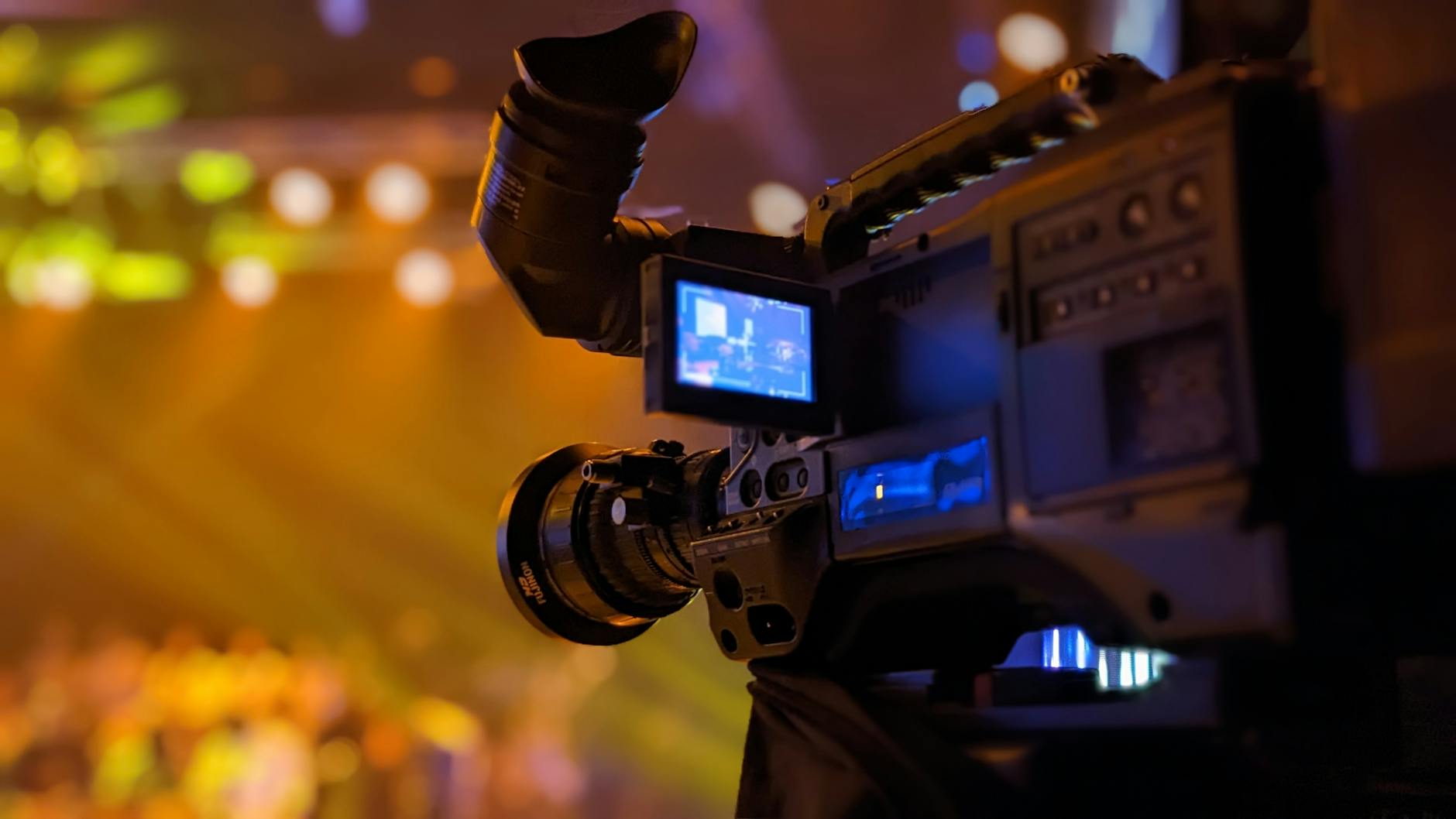
Publishing your video through verified platforms such as your official website, reputable social media accounts, or authorized email campaigns ensures controlled and focused distribution. These channels provide analytics and tracking tools that offer insights into viewer engagement, helping you assess performance within official reporting frameworks. Optimizing videos involves using appropriate meta descriptions, tags, and descriptions aligned with SEO best practices, enhancing visibility while respecting platform guidelines.
Maintaining Transparency and Ethical Marketing Practices
Transparency involves clear disclosure of sponsored content, partnerships, or endorsements, fostering trust with viewers. Legal compliance also extends to avoiding deceptive claims or exaggerated representations, ensuring your promotional video accurately reflects your products or services. Including proper attribution for licensed media and adhering to advertising standards further solidifies your company's reputation and adherence to responsible marketing ethics.
By following these legitimate methods, your business can produce a promotional video that not only elevates your brand presence but also complies with recognized standards and practices, safeguarding your reputation and fostering customer trust.
Ensuring Proper Use and Distribution of Promotional Videos for Your Business
Once your corporate promotional video has been professionally produced, the next crucial step involves proper utilization and dissemination through established, official channels. This process not only amplifies the visibility of your content but also helps maintain the integrity and credibility of your brand. Implementing strategic distribution methods ensures targeted reach and effective engagement, aligning with your overall marketing objectives.
Utilizing Official Digital Platforms
Releasing your promotional video primarily through your company's verified website enhances control over the viewing experience and ensures that visitors access a trustworthy source. Embedding videos directly on your homepage or dedicated landing pages increases engagement metrics and provides a seamless interaction point for potential clients or partners. Additionally, partnering with reputable video hosting platforms that offer comprehensive analytics—such as views, engagement rates, and audience demographics—serves as vital tools for measuring campaign success.
Complementing your website presence, official social media profiles are vital distribution channels. Platforms like LinkedIn, Facebook, Twitter, and Instagram enable your business to reach diverse target audiences. Ensuring your videos are optimized with relevant meta descriptions, tags, and captions according to each platform's best practices heightens discoverability. Consistent branding across these channels reinforces your company's professional image and improves recognition among your followers and potential clients.
Implementing Email and Direct Communication
Integrating videos into your company’s email campaigns offers a direct approach to engaging your existing customer base and prospects. Embedding videos or providing clear links to hosted content allows your audience to access the material within their preferred communication channels. When executed with strategic segmentation, this method increases the likelihood of attracting relevant viewers and prompts action, be it inquiries, bookings, or purchases.
Optimizing Content for Search and Engagement
Appropriate SEO practices should be incorporated into your video content to improve organic visibility. This includes crafting descriptive titles, tags, and meta descriptions that incorporate targeted keywords related to your industry. Proper alt text and transcripts not only enhance accessibility but also bolster search engine indexing, increasing the likelihood of your videos appearing in relevant search results.
Leveraging Paid Advertising and Sponsorships
To further extend your reach, deploying paid advertising campaigns through official channels can be highly effective. Platforms like Google Ads and social media advertising tools allow precise targeting based on demographics, interests, and geographic locations. This strategic investment directs your promotional content toward audiences most likely to respond, thereby maximizing the return on your marketing expenditure.

Monitoring Performance and Ensuring Compliance
Regularly tracking the performance metrics of your promotional videos is crucial for refining your marketing strategies. Tools embedded within hosting platforms and analytics dashboards provide insights into viewer engagement, retention, and conversion rates. These data points guide decisions regarding content adjustments and future campaigns.
Moreover, it is imperative to adhere to relevant policies and standards when distributing content. Ensuring that all videos contain accurate information, proper disclosure of sponsored content if applicable, and compliance with advertising guidelines sustains your reputation and fosters viewer trust. Utilizing only officially sanctioned media and verifying licensing status prevents potential disputes or misunderstandings related to content rights.
Maintaining Ethical and Transparent Communication
Transparency enhances credibility. Clearly communicating the purpose of your video, along with any partnerships or sponsored elements, builds trust with your audience. Avoiding exaggerated claims or misleading representations ensures that your promotional efforts resonate authentically, promoting a positive brand image without compromising integrity.
Conclusion
Through diligent distribution via trusted, official platforms and channels, your business maximizes the benefits of its promotional videos. Combining strategic placement, optimization for discoverability, and ongoing performance tracking fosters a strong online presence. Upholding transparency and compliance not only protects your company’s reputation but also nurtures customer relationships, translating vision into measurable success in your marketing initiatives.