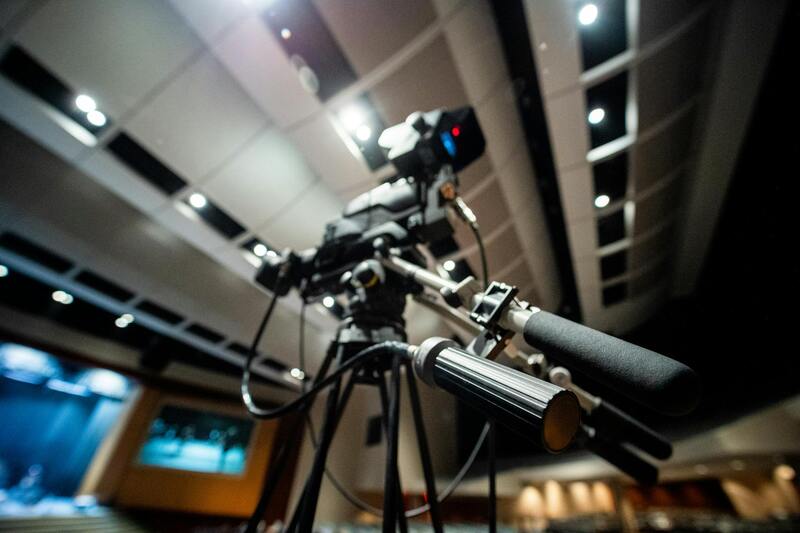
Understanding Corporate Videos
In the realm of modern business communication, corporate videos have become an essential tool for organizations aiming to convey their brand message, showcase products, or share corporate culture with a broad audience. These videos serve as a strategic medium to articulate complex ideas clearly and engagingly, capturing the attention of potential clients, partners, and internal stakeholders alike.
Corporate videos are distinguished by their focus on professional presentation and strategic intent. Unlike promotional or social media content designed for quick engagement, these videos often aim to establish credibility, demonstrate industry expertise, and reinforce corporate identity. Their purpose extends beyond simple advertising; they serve as educational resources, onboarding tools, or ways to highlight corporate social responsibility initiatives.
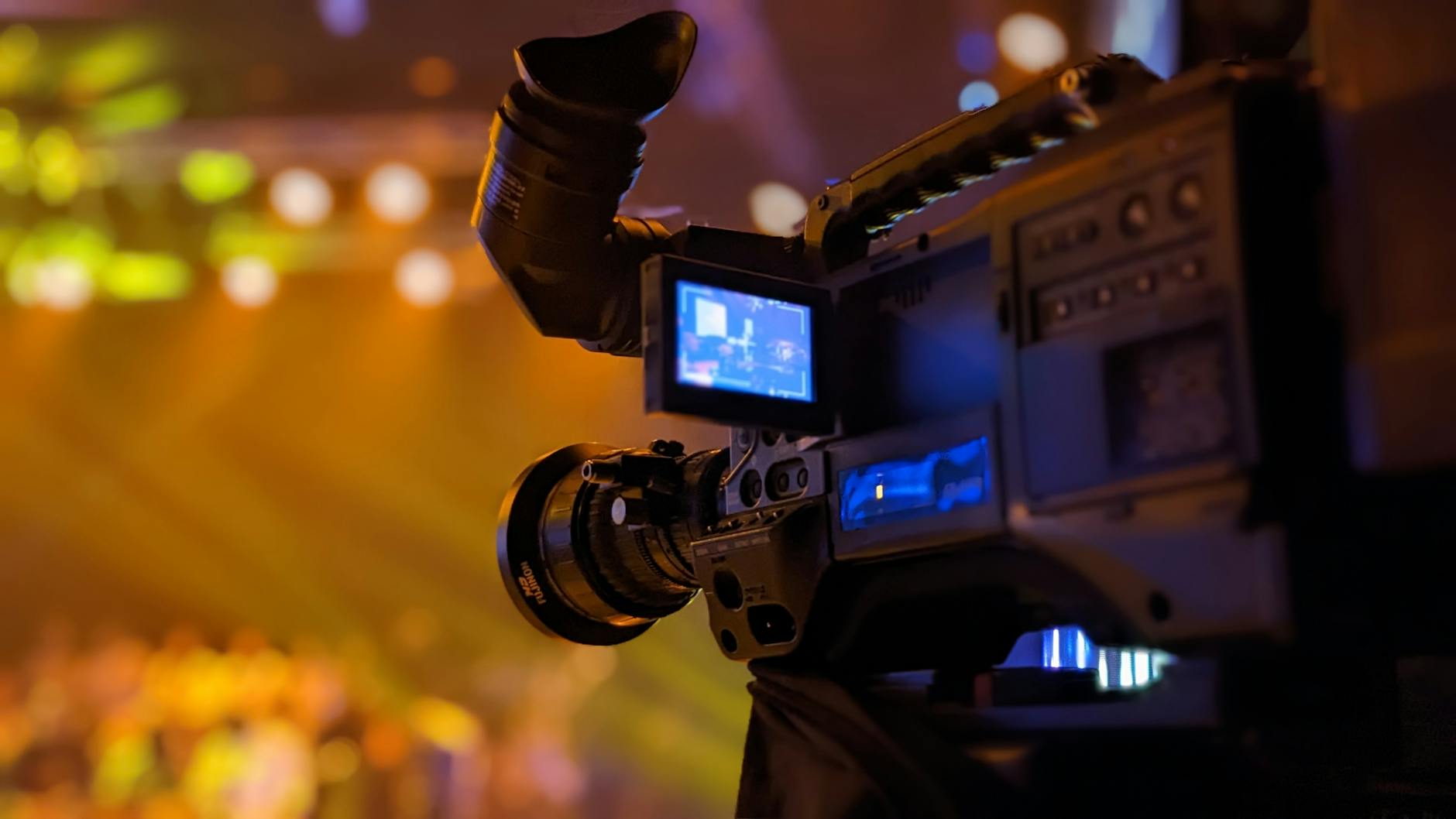
The importance of corporate videos in a business strategy lies in their ability to bridge the gap between a company's objectives and its audience. An effectively produced corporate video can articulate brand values, illustrate complex processes, and build emotional connections with viewers. These videos are often embedded on company websites, uploaded to video platforms, or shared through email campaigns to maximize reach.
As the digital landscape continues to evolve, visual content's prominence grows. Professional corporate videos stand out by providing a rich, immersive experience that static content cannot offer. They allow for multi-sensory engagement, combining visuals, sound, and storytelling in a way that enhances message retention and fosters trust.
Creating impactful corporate videos also requires adherence to specific standards of quality and authenticity. They must reflect the company's core values and portray a genuine image. This authenticity is achieved through careful scripting, selecting relatable characters, and ensuring visuals align with the messaging. The execution involves leveraging professional techniques, including high-definition filming, quality lighting, and clear audio capture, to produce a polished final product that resonates with target audiences.
Moreover, the scope of corporate videos encompasses a variety of formats tailored to different objectives, such as product demonstrations, executive messages, training modules, or corporate social responsibility narratives. Each format demands a tailored approach to filming and editing, ensuring technical precision and narrative coherence. This versatility underscores the importance of working with experienced production teams familiar with the nuances of corporate communication.
In summary, understanding the role and scope of corporate videos provides a foundation for producing content that effectively informs, influences, and engages audiences. Whether used internally to motivate staff or externally to attract customers, well-crafted corporate videos serve as a vital component in comprehensive business communication strategies.
Implementing Strict Content Verification and Attribution Practices
Ensuring the authenticity and integrity of corporate videos begins with implementing robust content verification procedures. This involves establishing clear guidelines for reviewing all footage, scripts, and visual assets before they reach the final editing stage. By verifying the source and accuracy of all materials used, production teams can prevent the inclusion of unverified or outdated information, safeguarding the company's reputation and maintaining stakeholder trust.
In addition to content review, meticulous attribution of visual and audio assets is essential. This process includes maintaining detailed records of all footage, images, music, and sound effects incorporated into the video. Proper attribution not only respects intellectual property rights but also contributes to transparency, which enhances the company's credibility and aligns with industry best practices.
Utilizing Authentic Testimonials and Case Studies
Incorporating genuine testimonials and real-case studies provides a cornerstone for producing trustworthy corporate videos. Testimonials from verified clients or partners, conveyed through direct interviews or curated case stories, offer audiences relatable insights into the company's capabilities and results. These authentic narratives reinforce the company's credibility and demonstrate proven success without the need for embellishment.
To maximize authenticity, interviewees should be selected based on verified experience and positive past engagement with the company. This approach ensures that their testimonials are based on real interactions and outcomes. When presenting case studies, use factual data and direct quotes to keep the narrative transparent and verifiable, reinforcing the audience's confidence.
Adhering to Professional Filming Standards and Techniques
The core of producing credible corporate videos lies in the execution quality. Employing high-definition filming equipment, proper lighting setups, and professional audio capture ensures visual and auditory clarity that reflects the company's professionalism. Maintaining consistent framing, focus, and smooth camera movements further enhances the narrative’s integrity, making the content more engaging and trustworthy.
Standardized shooting protocols, such as using stabilizers and controlling environmental conditions, contribute to a polished final product. Additionally, employing color grading and sound mixing techniques during post-production helps achieve visual consistency and audio fidelity, emphasizing the professional nature of the corporate message. Every technical decision made during filming should prioritize authenticity, clarity, and alignment with the company’s brand standards.
Implementing Transparent Editing Processes
Post-production editing is pivotal in shaping a corporate video that accurately represents the company's values and message. Transparent editing involves meticulous selection and sequencing of footage, ensuring that no misleading visuals or narrative distortions occur. Utilizing editing techniques that preserve the authenticity of interviews and testimonials reinforces audience trust.
Careful color correction, sound balancing, and graphics integration should serve to enhance clarity without altering the core message. Keeping detailed records of editing decisions not only aids in maintaining transparency but also supports accountability and allows for future updates or revisions to be handled with integrity.
Ensuring Compliance with Industry Standards and Regulations
Adhering to established industry standards and regulations during the production process is vital in creating legitimate corporate videos. This includes compliance with best practices for content accuracy, intellectual property rights, and data privacy policies. Incorporating legal disclaimers when necessary, as well as obtaining prior permission for the use of proprietary visuals or music, reinforces compliance.
Working with production teams familiar with these standards ensures that every stage of content creation aligns with current regulatory frameworks. This proactive approach minimizes the risk of content challenges or disputes, safeguarding the company's reputation and reinforcing its commitment to responsible communication.
Ensuring Authenticity and Transparency in Corporate Video Content
Creating legitimate corporate videos that resonate with audiences requires not only technical proficiency but also a steadfast commitment to authenticity. Authenticity in corporate videos can be achieved through meticulous content curation and honest storytelling. This involves showcasing real stories, genuine testimonials, and unembellished visuals that accurately represent the company's values and message. It is essential to maintain integrity throughout the production process by avoiding exaggerated claims or manipulative visuals that can distort the true essence of the message.
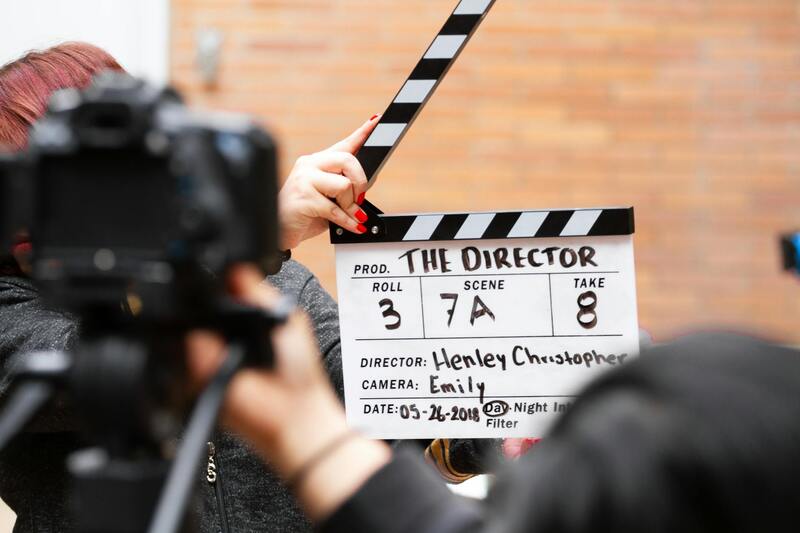
Transparency plays a vital role in positioning a brand as trustworthy. During filming, clearly communicating the purpose of each segment helps ensure that all involved understand the intent behind the content. This clarity minimizes misinterpretations and fosters a sense of honesty. When post-production editing is performed, strict adherence to original footage, with minimal unnecessary alterations, supports this transparency. The goal is to preserve the integrity of every interview, scene, and message, thereby building long-term trust with viewers.
Adherence to Industry Standards and Content Verification
Strict compliance with established standards is crucial for producing legitimate corporate videos. This involves thorough verification of the content before publication to ensure accuracy and fairness. Fact-checking statements, data, and visuals helps prevent the dissemination of false or misleading information, reinforcing the credibility of the content. It also includes obtaining permission for proprietary elements, such as copyrighted music, imagery, or branding, and clearly citing sources when required.
Incorporating appropriate legal disclaimers if necessary, and ensuring the use of approved branding elements further demonstrate adherence to best practices. Partnering with experienced production teams familiar with these guidelines can streamline compliance efforts, ensuring that all stages of content creation—from scripting to distribution—align with current requirements.

Safeguarding Privacy and Intellectual Property Rights
Respecting privacy and intellectual property rights is fundamental when filming corporate videos. This entails obtaining explicit consent from individuals featured in videos and ensuring that their likenesses and voices are used appropriately. Additionally, securing permissions for location shoots, proprietary visuals, or branded materials helps prevent potential conflicts.
It is also essential to use licensed music and visuals, whether through direct licensing agreements or royalty-free sources. Documenting all permissions and licenses during production promotes accountability and can serve as evidence of compliance during reviews or audits.
Maintaining Ethical Standards Throughout Production
Upholding ethical standards involves creating content that accurately portrays the company’s operations, values, and commitment to responsible communication. Avoiding misleading visuals, selectively editing footage to distort messages, or omitting relevant information are practices that undermine content legitimacy. Instead, adopting an ethical approach emphasizes honest representation and respect for viewers’ intelligence.
To further support ethical standards, regular training sessions for production teams on content integrity and compliance are advisable. This proactive stance ensures everyone involved understands the importance of producing sincere, responsible corporate videos.
Implementing Verification Procedures for Authenticity and Compliance
Maintaining the integrity of corporate videos hinges on systematic verification methods that establish the content’s accuracy and adherence to set standards. One essential approach involves establishing a comprehensive review process during post-production, where non-technical personnel review footage for factual correctness, appropriate representation, and alignment with company messaging. This internal checkpoint reduces the risk of unintentional misrepresentations or inaccuracies making their way into the final cut.
Additionally, employing a step-by-step approval workflow ensures that all relevant stakeholders—from executives to legal advisors—review and sign off on the content before dissemination. This legislative-like oversight creates a clear audit trail, confirming that each piece of content has undergone scrutiny for compliance and authenticity.
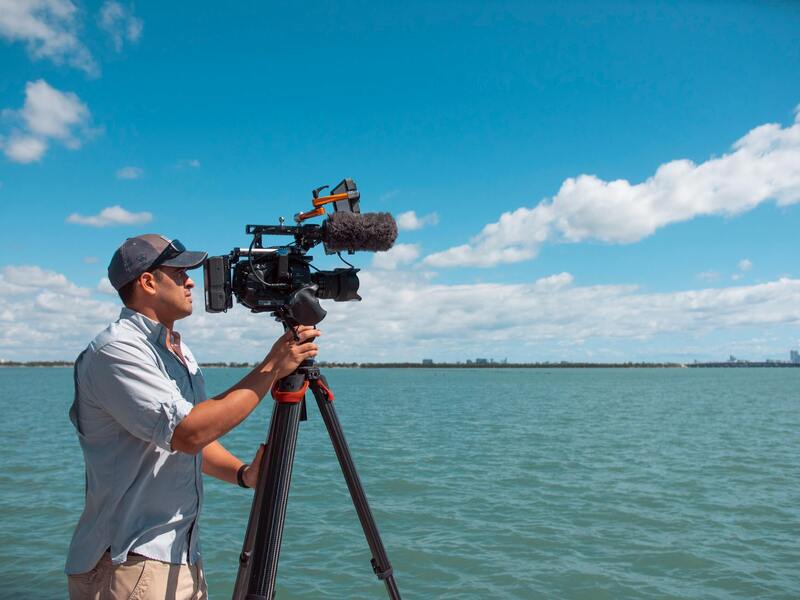
Verifying the accuracy of scripted information is another critical aspect. Script validation should involve subject matter experts and communication professionals scrutinizing the dialogue, facts, and claims to ensure they are up-to-date and factual. This validation process often includes cross-referencing with official data, internal documents, or industry standards to guarantee precision.
For visual verification, establishing a precise visual confirmation protocol can be highly effective. This involves cross-referencing on-screen visuals with approved brand guidelines, proprietary visuals, or licensed imagery. Employing a checklist system during reviews streamlines this process and helps catch discrepancies early.
Furthermore, deploying technology-driven verification tools, such as digital watermarking and metadata analysis, enhances the validation process. These tools help track footage origin, confirm licensing credentials, and monitor the use of proprietary elements. They serve as additional layers of authentication, critical for maintaining trustworthiness and legal compliance in corporate communications.
Incorporating these verification procedures into the production workflow not only bolsters content authenticity but also demonstrates a commitment to responsible communication practices. It provides a safeguard against unintentional missteps, thereby fostering credibility and protecting corporate reputation.
Ensuring Proper Documentation and Record-Keeping
Maintaining meticulous documentation throughout the filming of corporate videos is essential for preserving records of all licenses, clearances, and authorization related to the content. It involves keeping a detailed file of usage rights for images, music, footage, and proprietary visuals included in the video. This practice not only helps streamline the post-production process but also acts as a safeguard when distributing content across different platforms.
Before the filming begins, securing written agreements with all involved parties—such as talent, crew, and location owners—is crucial. These agreements should specify permitted uses, distribution rights, and any restrictions to ensure all aspects of content usage are clearly defined and agreed upon in advance. Additionally, obtaining signed releases from participants is an essential step that confirms their consent for recording and subsequent distribution.
Post-filming, organizations should compile and securely store all documentation, including contractual agreements, release forms, licensing certificates, and permits. Proper record-keeping facilitates transparency and accountability, allowing companies to verify the legitimacy of all elements used in their corporate videos. This documentation also expedites resolving any disputes that may arise concerning content ownership or rights issues.
Utilizing digital asset management systems can significantly improve efficiency in tracking and storing these vital documents. These systems provide centralized repositories for all media files and legal documentation, making it easier to locate specific licenses or releases when needed. They also offer features such as version control, audit trails, and access controls, which enhance security and streamline compliance management.
Coordination with legal professionals or content management specialists ensures compliance with all applicable standards and regulations. Their expertise can guide the organization in establishing comprehensive policies for content review, approval, and archiving. This proactive approach minimizes the risk of inadvertent infringements and supports long-term content strategy planning.
In addition to legal considerations, maintaining consistent records of deliverables, feedback, and revisions during the editing phase contributes to a smoother finalization process. It ensures that all stakeholders are aligned and that the produced video adheres to the intended purpose and brand standards.
Legal and Ethical Considerations in Filming Corporate Videos
When producing corporate videos, adhering to recognized procedures for verifying content authenticity is essential for maintaining integrity and transparency. This involves meticulous documentation at every phase, including contracts with talent and crew, signed release forms from interviewees, and clear licensing certificates for all media assets used. Keeping detailed records ensures that each element of the video has been obtained and authorized through proper channels, which supports accountability and facilitates smooth project management.
Implementing digital asset management systems can greatly enhance the organization and retrieval of legal documentation. These platforms centralize all relevant files, such as licensing agreements, permits, and consent forms, providing ready access for review and verification. Features like version control and audit trails help track updates and access history, reinforcing the reliability of the documentation and streamlining compliance checks during post-production.
Engaging legal or content management specialists early in the process offers valuable guidance to secure proprietary rights, clarify usage rights, and prevent unintentional infringements. Their expertise helps establish comprehensive policies for reviewing and approving content, ensuring that all footage complies with internal standards and external regulations.
During editing, maintaining a clear record of feedback, revisions, and final approvals is vital for transparency. This practice guarantees that the edited material aligns with the original objectives and brand messaging, while also safeguarding against potential disputes over content ownership or usage rights. This comprehensive documentation creates a solid foundation for the final delivery phase.

Informed decision-making about shooting permissions, location releases, and music licensing plays a critical role in upholding ethical standards. Securing appropriate rights for music, visuals, and any third-party content used in videos ensures respectful use and avoids infringement issues. This process typically involves obtaining licenses or permissions from rights holders, often documented through official certificates or licensing agreements.
Additionally, transparency with clients and stakeholders regarding the sources and rights associated with media elements fosters trust and accountability. Clear communication about content origins and legal safeguards reinforces a professional approach, mitigating risks associated with unauthorized use.
By implementing these legitimate methods—rigorous documentation, expert consultations, and proper licensing—organizations can produce corporate videos that are both impactful and ethically grounded, supporting long-term reputation and operational soundness.
Ensuring Legitimate Methods in Filming Corporate Videos
Creating impactful corporate videos necessitates adherence to established, legally sound procedures that uphold the integrity of the project from start to finish. A reliable approach begins with securing the appropriate permissions for all locations and individuals involved. Prior to filming, organizations should obtain written consent through location release forms, which clearly state the permitted use of the site or property. This practice not only facilitates a smooth production process but also mitigates potential misunderstandings or disputes related to access rights.
Another cornerstone of legitimate filmmaking involves licensing or right clearance for all media elements integrated into the video. This includes music tracks, stock footage, images, and third-party visuals. Obtaining licenses through official channels—such as music rights organizations or licensing platforms—not only ensures compliance but also supports the creators and rights holders. These licenses are typically documented with official certificates or licensing agreements, providing a formal record of permitted use.
In addition to rights clearance, legal safeguards extend to clear communication with all stakeholders regarding the content's origin and authorized use cases. Transparency about media sources fosters trust and accountability, especially when dealing with sensitive or proprietary information. For example, when featuring testimonials or showcasing client brands, explicit permissions should be documented to confirm consent for the intended use and distribution channels.
Moreover, organizations should adopt comprehensive documentation practices that encompass all approvals and licenses obtained during pre-production. This includes retaining copies of signed consent forms, licensing agreements, and correspondence with rights holders. Such meticulous record-keeping becomes invaluable in case of any future inquiries or disputes and reinforces the ethically responsible nature of the production process.
Maintaining a focus on these legitimate procedures not only supports legal compliance but also elevates the professional standard of corporate videos. It demonstrates respect for intellectual property rights and fosters a trustworthy relationship with clients, stakeholders, and the broader audience. When these methods are rigorously applied, organizations can produce high-quality content that aligns with ethical standards and long-term brand reputation.
Ensuring Material Authenticity and Content Accuracy
Producing corporate videos with verified and reliable content reinforces the professionalism and credibility of the final product. This process involves implementing stringent verification protocols during pre-production and filming stages. Content authenticity begins with validating all source materials, including testimonials, footage, and data representations, to ensure they are accurate and appropriately sourced. Establishing clear channels of communication with stakeholders allows for seamless confirmation of facts and narratives, thereby reducing the risk of misinformation.

Procedures for Content Verification
- Source Authentication: Confirm the origin of visuals and data, ensuring all materials are from authorized contributors or verified repositories.
- Documentation of Approvals: Keep detailed records of all content approvals, including signed consent forms, approval emails, and licensing agreements that certify content appropriateness.
- Fact-Checking and Cross-Verification: Implement thorough cross-checking against original data and sources to prevent inaccuracies or misrepresentations.
- Stakeholder Review: Incorporate stakeholder review processes to validate messages and visuals before finalizing production.
Leveraging Technological Tools for Content Integrity
Advances in technology facilitate the verification process through specialized software that detects inconsistencies or manipulations in footage. Digital watermarking and metadata analysis serve as further safeguards, ensuring content has not been altered post-approval. Utilizing these tools enhances transparency and provides a traceable record of the content lifecycle, increasing confidence among viewers and stakeholders alike.
Maintaining Transparent Communication and Documentation
Open and honest communication throughout production fosters trust and aligns expectations. Documenting all communication, approvals, and licensing details forms a comprehensive record that can support accountability. This approach not only safeguards the production process but also underscores the organization’s commitment to ethical practices and content integrity.
Impact of Due Diligence on Branding and Audience Trust
Adhering to verified sourcing and rigorous content validation reflects an organization’s dedication to quality and integrity. Such diligence enhances brand reputation and builds trust with target audiences. When viewers perceive that the information presented is accurate and responsibly sourced, the likelihood of engagement, positive perception, and brand loyalty significantly increases.