

Understanding the Importance of a Corporate Video Studio
In the fast-evolving landscape of business communication, having an in-house corporate video studio provides Miami enterprises with a strategic advantage. This dedicated facility enables organizations to produce high-quality content tailored precisely to their branding and messaging standards, all while maintaining control over their creative process. An on-site studio serves as a central hub for developing a wide array of videos, including brand storytelling, internal training, product demonstrations, and client testimonials, fostering consistent and cohesive communication across all platforms.
Cost efficiency is a significant benefit of maintaining an in-house studio. Instead of outsourcing every video project to third-party vendors, businesses can allocate resources more effectively, reducing per-project expenses over time. Moreover, having a dedicated space accelerates production timelines, allowing teams to respond swiftly to emerging marketing opportunities or internal needs without waiting for external scheduling or access constraints.
A corporate video studio also grants organizations greater creative control, ensuring that all content aligns seamlessly with brand identity, messaging nuance, and regulatory requirements specific to Miami’s business environment. This autonomy fosters ongoing content development, enabling companies to adapt quickly to market changes or new communication strategies. Rapid turnaround times are particularly crucial during product launches, crisis communications, or event coverage where timeliness can significantly impact the message’s effectiveness.
Additionally, an in-house studio facilitates consistent quality standards, which may be challenging to maintain when relying solely on external production firms. By nurturing an internal team, companies can develop specialized workflows, utilize proprietary branding elements, and streamline review processes, ensuring every piece of content reflects the organization’s professionalism and commitment to excellence.
Beyond the immediate advantages, establishing a corporate video studio in Miami positions a business as a forward-thinking entity committed to innovative communication. It signals to clients, partners, and employees an investment in high-quality, engaging visuals that elevate corporate stature and brand recognition in a competitive market. Furthermore, this proactive approach to content creation can complement broader marketing and engagement strategies, solidifying a company’s presence both locally and regionally.
To maximize these benefits, organizations must understand the fundamental components that constitute a successful corporate video studio. From layout design to equipment selection, staffing plans, and integration of post-production capabilities, each element plays a vital role in enabling seamless and efficient video production workflows. Proper planning ensures that the studio’s infrastructure supports the unique demands of Miami’s diverse and dynamic business community, further enhancing overall effectiveness.
Key Components of a Corporate Video Studio
Building an effective corporate video studio involves a detailed understanding of essential elements that contribute to high-quality video production. Each component must be carefully planned and selected to ensure seamless workflows, consistent output, and the capacity to handle a diverse range of projects. The following sections outline the core aspects necessary for establishing and maintaining a professional studio environment that aligns with Miami’s vibrant and dynamic business landscape.
Design and Layout Considerations
Creating an optimal layout is fundamental for facilitating efficient production processes. The studio space should be divided into several dedicated zones, including a main filming area, control room, editing suites, and storage. The design must provide adequate soundproofing and acoustical treatment to prevent external noise interference and improve sound quality for recordings. Additionally, flexibility in the setup allows for adapting to different types of shoots, from interview setups to product demonstrations. Adequate ceiling height and proper lighting rigging points enhance camera versatility and improve overall shoot quality. Ergonomic furniture and accessible power outlets further promote a comfortable, productive environment capable of supporting a professional on-site team.
Choosing the Right Equipment
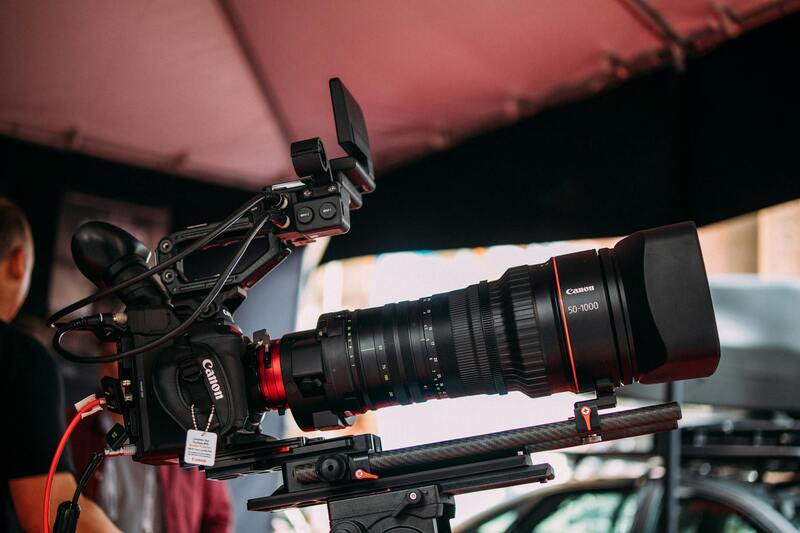
Equipping a corporate video studio with high-quality tools is critical for achieving polished, professional results. Camera systems should include 4K or higher-resolution professional-grade models, capable of capturing crisp, detailed footage suitable for various formats and distributions. Lighting setups must comprise adjustable LED panels, softboxes, and diffusers to create a balanced, flattering environment for talent and products. Sound recording equipment should include lavalier microphones, shotgun mics, and soundproof environments to ensure crystal-clear audio. Additionally, integrating advanced monitors and teleprompters supports real-time review and script delivery accuracy. Investing in reliable technology infrastructure, such as fast networking and data storage solutions, also enables efficient post-production workflows and secure storage of footage.
Staffing and On-Site Production Team
A professional corporate video studio relies on a skilled team of professionals dedicated to each phase of production. A typical on-site team includes a director responsible for creative vision, camera operators, lighting technicians, sound engineers, and production assistants. For post-production, editors and motion graphic artists are essential. It’s advantageous to cross-train staff in multiple roles to adapt quickly to project needs. Additionally, ongoing training ensures the team remains proficient with evolving equipment and industry standards. Having a dedicated and competent staff empowers a studio to deliver consistent quality, meet deadlines, and adapt to the fast-paced, diverse requirements of Miami’s corporate environment.
Integrating Post-Production Capabilities
Post-production forms the backbone of delivering polished final products. Establishing a dedicated editing suite equipped with high-performance workstations, professional editing software, and color grading tools is imperative. Sound editing and visual effects workflows should be seamlessly integrated, ensuring that footage from various shoots maintains visual cohesion. Workflow automation, including media management and backup systems, minimizes delays and data loss. Developing an in-house capacity for motion graphics, animation, and voice-over integration accelerates the production timeline and enables rapid revisions. This comprehensive approach to post-production enhances quality control, efficient project turnaround, and reinforces brand consistency across all video content.
Compliance and Regulatory Considerations in Miami
Maintaining compliance with local regulations in Miami entails adhering to industry standards related to safety, intellectual property, and privacy. Proper permits and permissions must be secured for location shoots, especially when filming in public or private spaces. Data security protocols are vital to safeguarding sensitive footage and proprietary content. Ensuring that all equipment and studio practices meet safety regulations prevents accidents and liabilities. Furthermore, understanding accessibility expectations and inclusivity guidelines ensures that productions are compliant with broader legal standards, fostering a professional image and avoiding unnecessary disruptions.
Cost Estimates and Budget Planning
Constructing a corporate video studio involves a range of investment categories, including facilities, equipment, staffing, and ongoing maintenance. Initial costs vary depending on the scale and complexity of the studio but typically encompass architectural design, soundproofing, lighting and camera gear, and technology infrastructure. Budgeting must also account for staffing salaries, training, and future upgrades to hardware and software. It is prudent to allocate funds for contingency expenses to handle unforeseen challenges. Strategic planning and phased investment enable companies to build a scalable studio environment that evolves with their production needs, offering a sustainable approach to corporate video content creation in Miami’s competitive market.
Choosing the Right Equipment for Your Corporate Video Studio
Assembly of a professional corporate video studio in Miami requires strategic selection of equipment tailored to the types of content to be produced. High-definition cameras, such as 4K or higher, are essential for capturing crisp visuals that meet modern standards. Lighting equipment, including softboxes, LED panels, and key lights, must be versatile and adjustable to create the desired ambiance and ensure consistent quality regardless of environmental conditions. Sound is equally critical; employing shotgun microphones, lavaliers, and acoustic panels helps to achieve pristine audio clarity and minimize background noise. Video switchers and professional monitors aid in real-time previewing and editing, streamlining the production workflow.

Based on the scope of your projects, additional equipment such as teleprompters, green screens for chroma keying, and multimedia servers for graphic integration will enhance production capabilities. Investing in reliable and scalable hardware ensures that your studio can handle various content formats—from promotional videos to detailed technical training modules—while maintaining consistency and professionalism. The choice of advanced editing software and storage solutions also plays a crucial role in efficient post-production workflows, enabling seamless editing, color correction, and visual effects integration.
Staffing and On-Site Production Team
Building an efficient and skilled team is vital for executing high-quality corporate videos in Miami. This team often includes videographers equipped with the expertise to operate sophisticated camera systems, lighting designers to craft optimal visual environments, sound engineers responsible for capturing and mixing audio, and production coordinators managing schedules and logistics. Additionally, scriptwriters and directors contribute to ensuring the messaging aligns with strategic communications goals. For ongoing success, training staff on the latest equipment and production techniques guarantees that your studio remains at the forefront of industry standards.
In Miami’s vibrant business landscape, cultivating a versatile team capable of managing diverse projects—ranging from executive interviews to product launches—ensures your studio delivers consistent results. Collaborations with freelance specialists or partnering with local production agencies can provide supplementary expertise during peak demand periods. Furthermore, fostering a culture of continuous learning and technological adaptation helps to optimize resource utilization and enhance overall production quality.
Integrating Post-Production Capabilities
Post-production is a critical phase that transforms raw footage into polished corporate videos. Establishing dedicated editing suites equipped with high-performance workstations, professional editing software, and color grading tools ensures a smooth workflow. Incorporating motion graphics, visual effects, and sound design enhances the final product’s impact. For Miami-based studios aiming to produce a diverse range of content, investing in scalable post-production infrastructure allows for multi-project handling without compromising quality.
Implementing a robust archiving system for content storage and retrieval facilitates efficient asset management. Integrating cloud-based solutions can improve collaboration, especially when working with remote teams or clients. Regular updates to software and hardware components keep the studio aligned with evolving industry standards, ensuring productions remain innovative and engaging. By streamlining the transition from filming to editing, your studio can deliver timely, compelling results that effectively communicate your clients’ messages.
Utilizing Official Methods for Studio Certification and Compliance
Establishing a reputable corporate video studio necessitates adherence to recognized standards that promote quality, safety, and operational efficiency. Leveraging official certification programs can demonstrate commitment to industry best practices and instill confidence among clients. Certifications such as ISO standards for quality management (ISO 9001), environmental management (ISO 14001), and safety protocols ensure that the studio maintains consistent levels of excellence and adherence to regulatory expectations.
Participating in accredited training programs for safety and equipment handling not only enhances staff competence but also reflects positively on the studio’s professionalism. These programs often involve rigorous assessments and are recognized across the industry, providing a solid foundation for operational legitimacy. Additionally, compliance with local regulations—such as building codes, fire safety standards, and occupational health requirements—is imperative for maintaining ongoing licensure and permits.
Implementing official record-keeping procedures for all certifications, inspection reports, and safety audits helps streamline administrative processes and offers a verifiable trail that affirms the studio’s legitimacy. Maintaining transparent documentation supports due diligence and demonstrates a conscientious approach that aligns with the expectations of clients and regulatory bodies.

Moreover, subscribing to industry associations such as the Professional Videographers Association or local commerce chambers can provide access to advocacy, legal updates, and continuing education opportunities. These affiliations often require adherence to specific ethical and professional standards, further endorsing the studio’s integrity and credibility.
Developing a comprehensive policy manual that includes safety procedures, equipment handling protocols, and client relations guidelines supports legitimate operational practices. Regular training sessions based on this manual reinforce compliance and foster a culture of accountability within the studio team. When choosing a corporate video studio, clients rely heavily on these official credentials and practices as indicators of the studio’s reliability and commitment to quality.
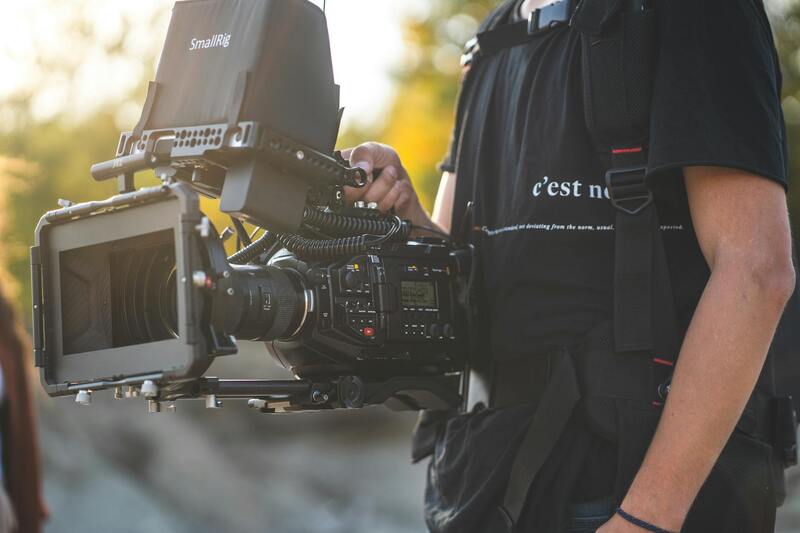
In the context of Miami, where local regulations may vary, engaging with industry-specific legal consultants can further clarify requirements related to licensing, permits, and health and safety standards. Staying updated with industry bulletins and participating in relevant workshops ensures that the studio’s practices are aligned with the latest regulatory expectations, thereby avoiding discrepancies that could impact project timelines or reputation. Ultimately, integrating these official procedures into daily operations guarantees that the studio not only produces high-quality content but does so within a framework of proven legitimacy and professional excellence.
Understanding the Importance of a Corporate Video Studio
A corporate video studio serves as the backbone of professional video production within a business environment. It provides a dedicated space equipped with the necessary tools and infrastructure to create high-quality visual content tailored for various corporate needs. These studios are designed to facilitate efficient workflows, from initial concept development to post-production, ensuring consistency and professionalism in every project.
In today’s competitive market, the visual presentation of a company can significantly influence brand reputation and stakeholder engagement. A well-equipped studio allows for seamless integration of multiple production elements such as lighting, sound, and camera work, which are essential for producing polished videos that resonate with target audiences. Moreover, having an in-house studio demonstrates a company’s commitment to quality and professionalism, thereby building trust with clients and internal teams alike.
Key Components of a Corporate Video Studio
To ensure optimal functionality, a corporate video studio must encompass several critical components that support various production stages:
- Soundproofing: Acoustic treatment prevents external noise interference and echoes, ensuring clear audio recordings.
- Lighting Equipment: Professional lighting setups, including softboxes, LEDs, and diffusers, help achieve consistent visual quality and mood setting.
- Camera Systems: High-definition cameras with versatile lens options are essential for capturing sharp images across different shooting scenarios.
- Backdrop and Set Design: The ability to change backdrops and set pieces allows for visual versatility, supporting diverse project requirements.
- Editing Suites: On-site editing stations equipped with industry-standard software streamline the post-production process.
Control Room and Production Space
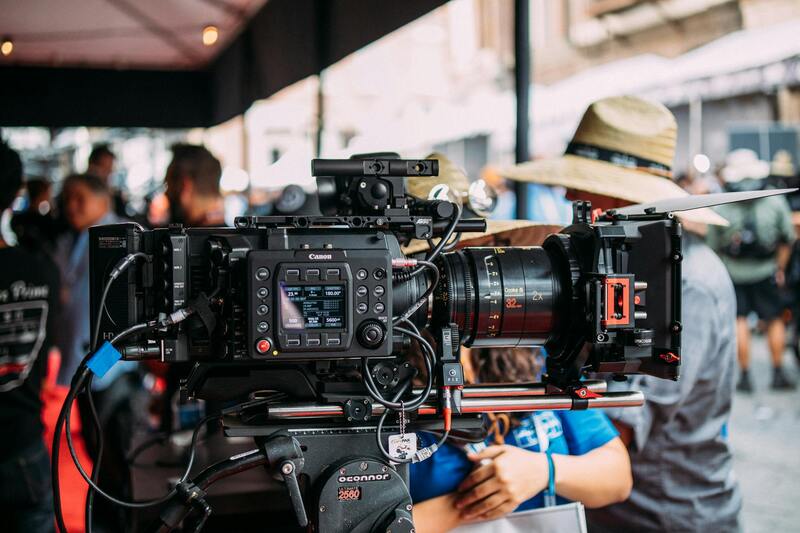
A dedicated control room enables technical management of lighting, audio, and camera operations, complementing the overall production workflow. The space should be ergonomically designed to facilitate smooth coordination among crew members, fostering an efficient environment that minimizes production delays.
Design and Layout Considerations
When designing a corporate video studio, attention to layout is critical to maximize functionality and productivity. Key factors include:
- Space Allocation: Adequate room for cameras, lighting setups, and talent movement ensures smooth filming operations.
- Accessibility: Layout should facilitate quick setup and breakdown of equipment, minimizing downtime between shoots.
- Technical Infrastructure: Robust electrical systems, wiring for audio-visual equipment, and climate control are vital for maintaining optimal working conditions.
- Flexibility: Modular set elements and adjustable lighting configurations allow for quick changes tailored to different projects.
- Optimizing soundproofing and acoustics enhances audio quality, reducing background noise and reverberation.
- Integrating ample storage solutions helps keep equipment organized and easily accessible.
Choosing the Right Equipment
The selection of equipment directly impacts the quality of the final product. A professional corporate video studio should invest in the following:
- Cameras: High-resolution models with interchangeable lenses support a range of filming styles. Examples include cinema-grade cameras capable of 4K or higher resolutions.
- Lighting: LED panel lights, softboxes, and ring lights should provide versatile options for different scenarios.
- Audio Devices: Lapel microphones, shotgun microphones, and audio mixers ensure clean sound recording and control.
- Stabilization Equipment: Tripods, gimbals, and dollies foster steady shots and dynamic movements.
- Post-Production Hardware: Powerful editing computers and color grading monitors are essential for polished output.
Understanding the Importance of a Corporate Video Studio
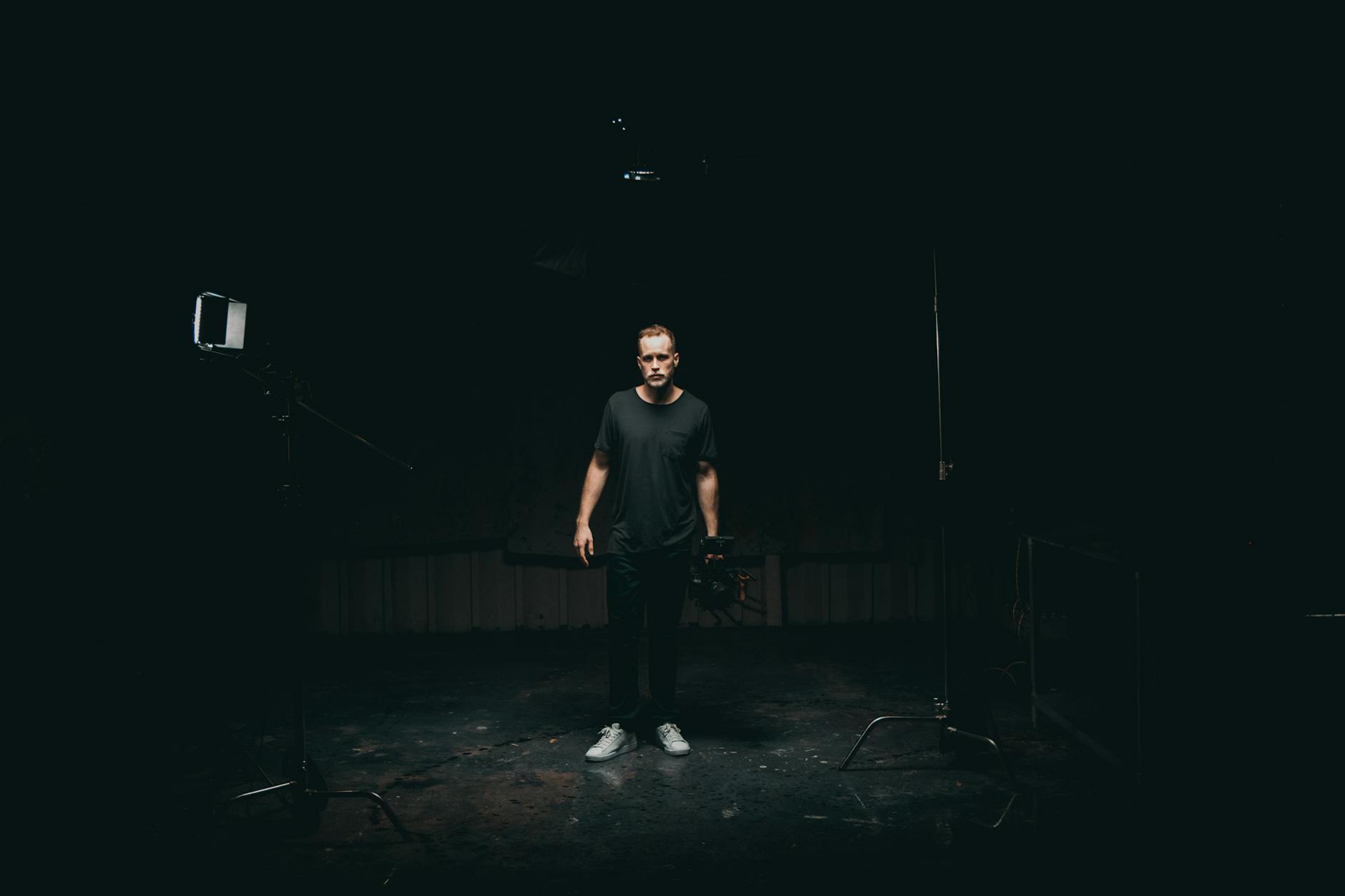
A dedicated corporate video studio serves as the backbone of high-quality video content for organizations seeking professional communication tools. It offers a controlled environment that enhances production efficiency and ensures consistency in branding and messaging. Such facilities provide an array of advantages, including superior soundproofing, customizable lighting setups, and seamless integration of advanced filming equipment. When strategically designed, a corporate video studio enables companies to produce a wide variety of videos—from promotional content and CEO messages to training materials—without the logistical challenges often encountered when shooting on location.
The significance of an in-house studio extends beyond mere convenience. It fosters a creative environment where team members and external collaborators can work cohesively, streamlining the production process from concept to final cut. With the right infrastructure, organizations can reduce production costs and turnaround times, facilitating more frequent and timely content updates. Moreover, a professional studio enhances brand credibility by consistently delivering polished, visually appealing videos that resonate with target audiences. It effectively becomes an integral asset for internal communications, marketing campaigns, and external professional presentations, supporting an organization’s broader strategic objectives.
Key Components of a Corporate Video Studio
Building a functional and efficient corporate video studio involves careful consideration of several core components. These elements directly impact the quality of content produced and the versatility of the studio environment.
- Studio Space: An adequately sized environment that accommodates different set designs and filming configurations is essential. The space should be adaptable to various shooting styles and allow for a smooth workflow.
- Acoustic Treatment: Proper soundproofing and acoustic control are critical for eliminating background noise and reverberations, ensuring clear audio recordings.
- Lighting Infrastructure: Advanced lighting systems, including adjustable LED panels, softboxes, and diffusers, enable precise control over illumination, mood, and focus.
- Backdrops and Set Elements: Modular and customizable set pieces allow quick changes in scenery, supporting diverse shoot requirements.
- Technical Infrastructure: Reliable electrical wiring, data ports, and climate control systems maintain equipment functionality and operational comfort.
- Storage and Organization: Dedicated spaces for equipment storage minimize clutter and facilitate swift setup and breakdown procedures.
Design and Layout Considerations
The interior design of a corporate video studio should maximize functionality while fostering a creative environment. Flexibility is paramount; therefore, modular components and adjustable elements should be prioritized. It is advisable to incorporate movable set pieces, height-adjustable lighting rigs, and versatile backdrops to accommodate different types of productions seamlessly. Accessibility features, such as wide doorways and open layouts, facilitate the efficient movement of crew and equipment.
Soundproofing materials should be integrated into walls and ceilings, with strategic placement of acoustic panels to optimize sound quality. Proper wiring and power distribution are necessary to support multiple devices without interruption. Additionally, incorporating cooling systems and ventilation maintains a comfortable working temperature, preventing equipment overheating during extended shoots.
Choosing the Right Equipment
Selecting appropriate camera, audio, and lighting equipment is crucial for producing professional-grade videos within the studio. High-resolution cameras, capable of capturing in 4K or higher, support versatile shooting styles and ensure crisp visuals. Interchangeable lenses provide flexibility for different framing and depth-of-field effects, while gimbals and stabilizers facilitate smooth camera movements.
Lighting equipment should encompass LED panels with adjustable color temperatures, softboxes for diffused lighting, and ring lights for close-up shots. These tools enable precise control over illumination, creating consistent visual quality across projects. For clear audio recordings, high-quality lapel microphones, shotgun mics, and audio mixers are essential, along with soundproofing measures.
Post-production hardware must not be overlooked; powerful editing computers, calibrated monitors, and color grading systems are necessary for refining footage and achieving the desired aesthetic. Investing in durable, reliable gear minimizes downtime and ensures a smooth production workflow.
Design and Layout Considerations
Establishing an efficient and functional layout within a corporate video studio is fundamental to achieving seamless production flows and superior output quality. The spatial arrangement must facilitate smooth movements for crew members, facilitate easy access to essential equipment, and optimize acoustics and lighting for each shoot.
Begin by allocating dedicated zones for different functions, such as the control area, shooting space, audio recording zones, and post-production stations. The control room, often positioned with a clear line of sight to the main set, allows operators to monitor and direct filming processes effectively. It should be ergonomically designed with accessible controls, calibrated monitors, and communication systems to coordinate with on-set personnel efficiently.
The shooting area must be adaptable to various set configurations, equipped with adjustable backdrops, modular lighting rigs, and flexible space for camera setups. Incorporating soundproofing materials within this zone minimizes external noise interference, ensuring pristine audio recordings. Proper acoustic treatment, including diffusers and absorbers, further enhances sound clarity and reduces echo, which is critical for corporate videos that demand professionalism in both visuals and audio.
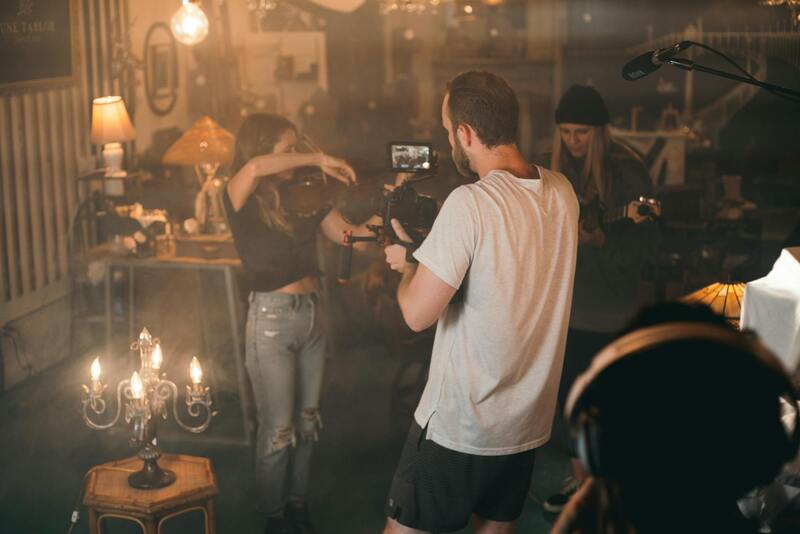
Lighting and electrical systems should be designed to accommodate high-power equipment without causing flicker, interference, or fluctuations. Raising the ceiling height, if feasible, can improve lighting distribution and camera movement flexibility. Installing adjustable ceiling mounts, tracks, and ceiling grids provides versatile lighting angles, while ample electrical outlets and cable management systems ensure safety and organization.
In addition, the design must consider future scalability and technological upgrades. Planning for spaces dedicated to storage and equipment maintenance reduces clutter and streamlines the production process. Incorporating modular components and adaptable furnishings ensures the studio can evolve with emerging technologies and increasing production demands, maintaining a contemporary, functional workspace over time.
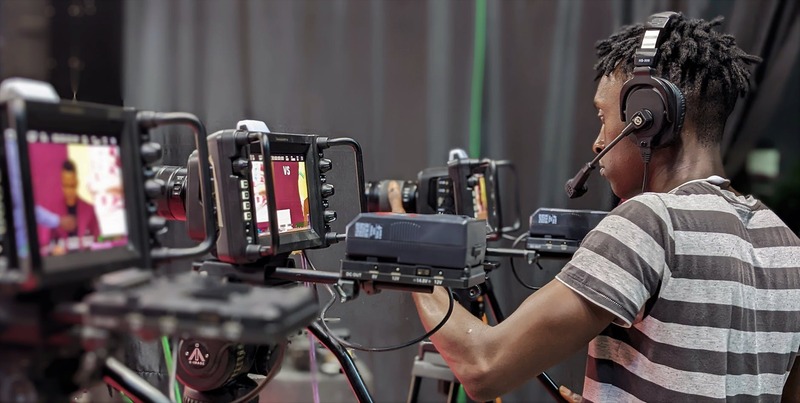
Effective ventilation, temperature control, and lighting control systems are integral to maintaining an optimal working environment. Properly ventilated spaces prevent heat build-up from lighting rigs and electronic equipment, thereby safeguarding these assets and ensuring comfort for crew members during long shoots. Light-tight areas are essential for controlling natural light interference, especially in scenarios requiring precise color reproduction or chroma key effects.
In summary, the meticulous planning of studio layout—from functional zones and ergonomic configurations to technical infrastructure—directly influences the quality of corporate videos produced. An intelligently designed space not only enhances operational efficiency but also fosters creativity and professionalism among production teams, ultimately delivering impactful content aligned with your corporate communication goals.
Advanced Infrastructure and Compliance Standards for Miami’s Corporate Video Studios
Establishing a corporate video studio in Miami demands adherence to rigorous infrastructure standards that promote safety, efficiency, and quality production outcomes. A professionally designed studio integrates sophisticated electrical systems to support high-powered lighting and electronic equipment, paired with advanced cable management solutions to prevent hazards and facilitate maintenance. Adequate environmental control systems, including climate regulation and proper ventilation, are critical for preserving delicate equipment and providing a comfortable atmosphere for crew members during lengthy shoots.
In Miami's dynamic market, regulatory compliance extends beyond technical standards to encompass environmental and safety regulations specific to the region. This involves implementing fire safety protocols, soundproofing measures, and building codes aligned with local ordinances. Additionally, integration of security measures such as surveillance and controlled access enhances protection of high-value equipment and sensitive content. Studios must also consider the acoustics environment, ensuring soundproofing meets requirements for producing high-quality audio recordings without external disturbances.
Implementing Industry Best Practices for Studio Operations
- Dedicated Power Supply Systems: To avoid outages and electrical overloads, establishing dedicated circuits and backup power sources, such as uninterruptible power supplies (UPS), ensures uninterrupted production flow.
- Structural Acoustics Optimization: Utilizing soundproof walls, acoustic panels, and structural reinforcements reduces noise pollution, creating an ideal environment for clear audio capture and post-production editing.
- Lighting and Technical Infrastructure: Strategic placement of lighting rigs, control rooms, and multiple data outlets facilitates smooth production and post-production workflows.
- Compliance with Local Regulations: Regular audits and inspections to confirm adherence to Miami’s safety, environmental, and technical standards.
Technological Integration and Future Scalability
Investments in scalable infrastructure lay the groundwork for future technological upgrades, ensuring the studio remains at the forefront of industry developments. Modular design elements, mobile production stations, and adaptable electrical systems allow for seamless integration of new technology, such as 4K or 8K cameras, virtual production tools, and augmented reality systems. An emphasis on future-proofing also includes robust data management infrastructure to handle increased storage needs and high-bandwidth tasks essential for cutting-edge corporate videos.
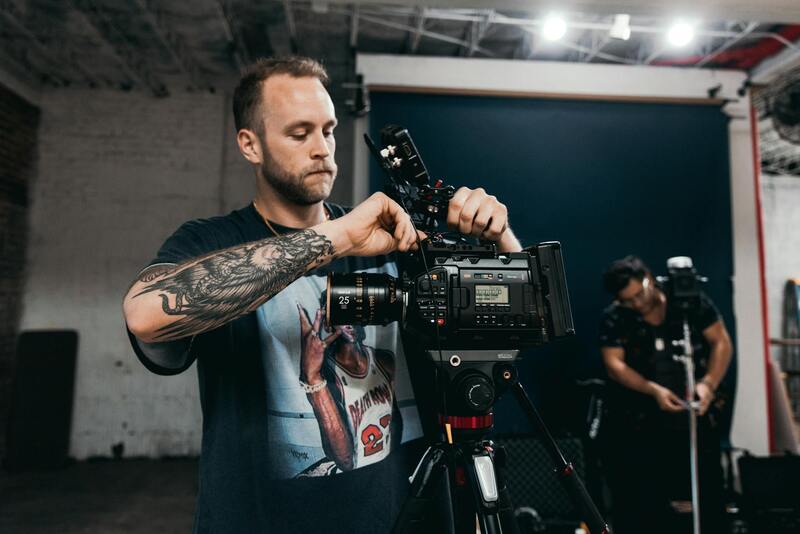
This comprehensive, regulation-conscious approach to studio infrastructure cultivates an environment conducive to high-caliber production, reduces operational disruptions, and maintains a legal and safety-compliant workspace. For Miami-based companies seeking a dependable and scalable corporate video studio, partnering with seasoned professionals ensures all infrastructure, safety, and compliance standards are meticulously met, paving the way for innovative, impactful video content that aligns with corporate objectives and regional regulations.