

Understanding Corporate Video Production Studios
A corporate video production studio serves as the dedicated space where professional-quality business videos are conceived, scripted, shot, and edited. These studios are equipped with specialized technology and designed layouts tailored for the specific demands of corporate audiovisual content. Unlike in-house facilities, which are often basic and multifunctional, external corporate video production studios typically prioritize optimal lighting, acoustics, and workflow efficiency to create polished, engaging videos that effectively communicate a company's message.
Selection between managing an internal studio or outsourcing to an external agency hinges on various factors. Internal studios afford greater control over the production process and scheduling, which can be advantageous for recurring video needs. Conversely, external studios, often operated by experienced production companies, bring specialized expertise and cutting-edge equipment that may be beyond the scope of in-house resources. The role of a professional corporate video studio extends beyond mere video shooting; it encompasses pre-production planning, storyboarding, talent coordination, post-production editing, and final delivery. These facilities are vital in translating a company's vision into compelling visual stories that resonate with target audiences, boost brand recognition, and support marketing initiatives.
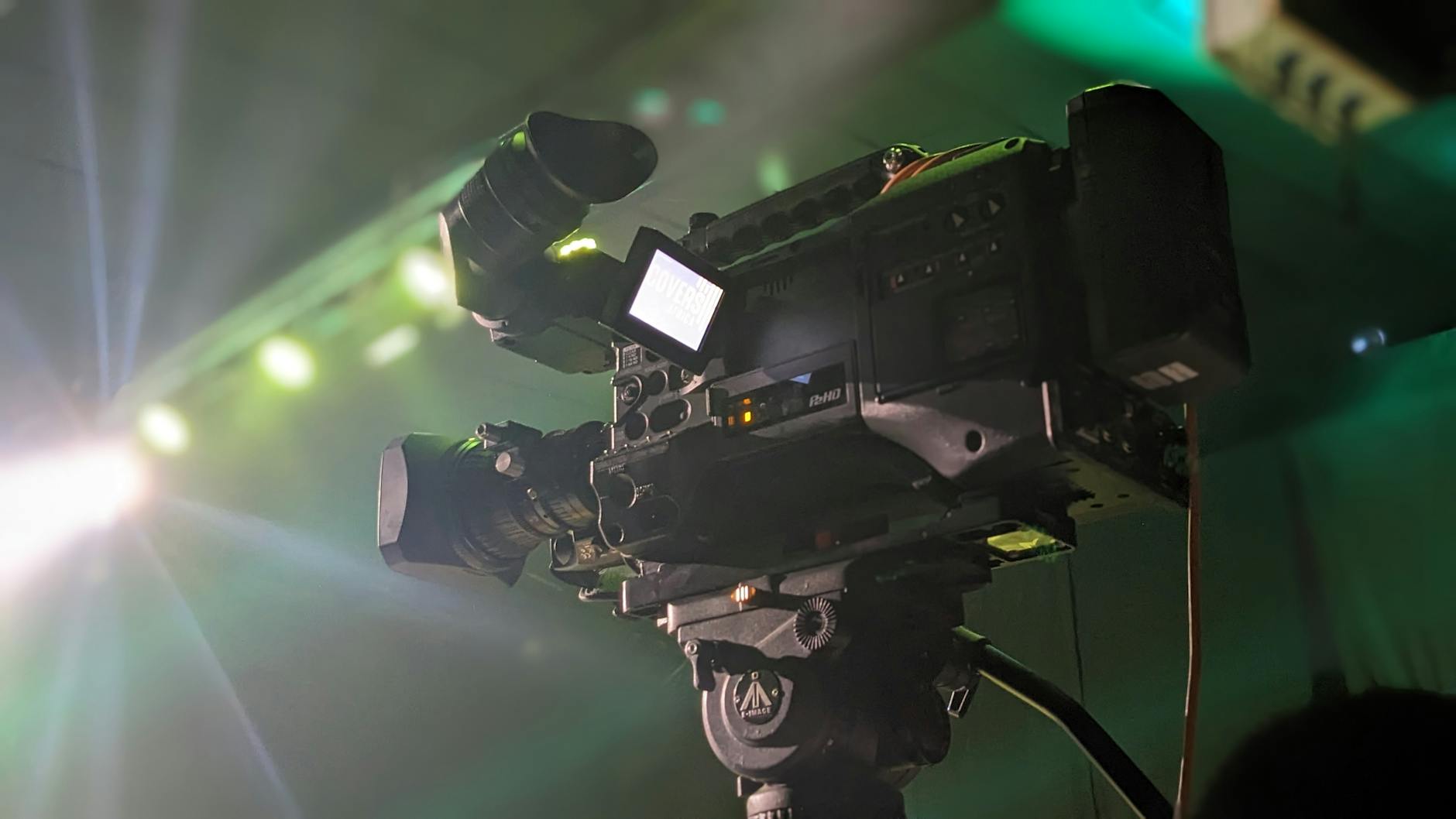
Modern corporate studios are designed for efficiency and flexibility, accommodating a wide range of video formats from promotional content to training modules. Their strategic layout is tailored for seamless transitions between filming, editing, and review stages, ensuring minimal delays and maximum quality. When assessing the benefits of an external corporate video studio, organizations often consider the professional skill set of the crew, advanced equipment availability, and the ability to produce high-caliber content within tight timelines.
Ultimately, understanding the core functions of a corporate video production studio illuminates its indispensable role in modern business communications. Whether a company opts to develop an internal facility or partner with established production experts, the goal remains to craft engaging, impactful videos that elevate brand presence and support strategic objectives.
Understanding Corporate Video Production Studios
Corporate video production studios have become integral partners for organizations aiming to craft compelling visual content that aligns with their strategic initiatives. These studios are equipped with specialized technology and staffed by experienced professionals who excel in turning business ideas into engaging narratives. Their services extend beyond filming; they encompass meticulous pre-production planning, including script development, storyboarding, casting, and securing appropriate locations. This comprehensive approach ensures that each project aligns perfectly with the company's branding and communication goals.
During the production phase, studios utilize high-quality cameras, advanced lighting systems, and sound engineering tools to capture footage with precision. The design of these facilities emphasizes efficiency and flexibility, enabling seamless transitions between scenes and quick adjustments to accommodate different formats and styles. Post-production is equally vital, involving editing, color correction, sound design, and visual effects, all executed with cutting-edge software to ensure the final product is polished and impactful.
Choosing the right corporate video production studio involves evaluating several factors, such as the experience level of the crew, the range of available equipment, and the studio’s capacity to deliver projects within tight timelines. Facilities tailored for corporate content typically feature dedicated green screens, multiple shooting areas, and soundproof rooms, catering to a variety of production needs. Moreover, strategic layout and workflow optimization streamline the entire process, reducing delays while maintaining high quality standards.
Enhancing Business Communication Through Professional Studios
These studios serve as vital assets in enhancing a company's internal and external communication strategies. They facilitate the creation of videos that can instruct employees through training modules, communicate brand stories to target audiences, or showcase executive leadership in CEO profiles. With the ability to produce diverse content types—ranging from promotional content and explainer videos to event coverage—these facilities support comprehensive marketing and operational objectives.
Beyond the technical capabilities, the success of a corporate studio hinges on their collaborative approach. The partnership often starts with understanding the company’s vision and branding standards, followed by developing a tailored production plan. The studios provide guidance on script development, visual style, and distribution strategies to maximize impact.
Modern Features and Future Trends
Today's corporate studios are increasingly integrated with innovative technologies like real-time editing and virtual production. These features enable clients to see adjustments immediately, make informed decisions, and finalize content faster. Additionally, the adoption of immersive formats such as 360-degree videos and virtual reality experiences is expanding the scope of corporate storytelling, providing audiences with more engaging and interactive content.
As organizations recognize the strategic value of professional video content, partnering with a dedicated corporate video production studio becomes an essential step toward elevating brand presence and advancing communication efforts. Such collaborations are built on a foundation of proven best practices, quality assurance measures, and a shared commitment to storytelling excellence.
Understanding Corporate Video Production Studios
Establishing a corporate video production studio involves meticulous planning, strategic investment, and a clear understanding of the essential components that contribute to high-quality content creation. Such studios serve as the nucleus for professional video production, enabling businesses to produce compelling visual narratives that align with their branding and marketing goals. The process begins with evaluating the specific needs of the company, including the types of videos required, target audiences, and desired distribution channels.
Designing an efficient corporate studio requires selecting an optimal location that is accessible and suitable for filming purposes. This decision impacts logistical operations and ultimately influences the studio’s integration into the broader organizational framework. The physical setup should facilitate flexible configurations to accommodate various production styles, from interviews and promos to product demos and training videos.
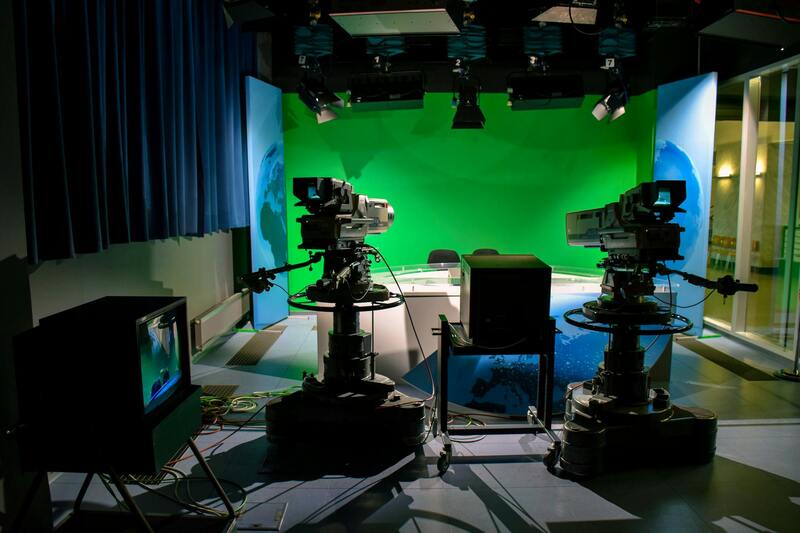
Building a corporate studio also involves choosing the right technology and equipment. This encompasses high-quality cameras, lighting solutions, sound recording devices, and editing hardware. Investing in top-tier technology ensures that output meets industry standards, provides flexibility during shoots, and reduces post-production issues. As technology evolves, it is beneficial to consider future-proofing the studio by incorporating scalable and adaptable systems.
Critical Components of a Corporate Video Production Studio
- Acoustic Design: Proper soundproofing and acoustics are crucial for capturing clear audio without interference or echo, especially in shared spaces or multi-purpose rooms.
- Lighting Systems: Advanced lighting setups, including LED panels and softboxes, allow for versatile illumination tailored to different scenes and moods.
- Camera Infrastructure: High-definition cameras with adaptable mounts provide the necessary resolution and stability for professional-quality footage.
- Editing Suites: Dedicated editing stations equipped with powerful software enable seamless post-production workflows.
- Control Room: A centralized control room facilitates real-time monitoring of shoots, cueing, and adjustments, ensuring efficiency and consistency.
Integrating Technology for Workflow Efficiency
Modern corporate studios benefit from integrated technology solutions that streamline production. Cloud-based project management tools allow teams to collaborate from different locations, managing scripts, storyboards, and asset libraries effectively. Real-time editing and virtual production platforms enable clients to visualize changes instantly, reducing the need for multiple shooting days.

Furthermore, virtual reality (VR) and 360-degree video production systems are increasingly adopted to craft immersive corporate experiences. These innovations provide innovative storytelling avenues that resonate deeply with audiences, especially in sectors like real estate, training, and event marketing. As these formats require specific setups, dedicated space and specialized equipment become vital components of a forward-looking studio design.
Cost Considerations and Budgeting
The financial outlay for establishing a corporate video studio can vary significantly based on scale, equipment choices, and technological sophistication. Key investments include studio construction costs, equipment purchase or lease, and ongoing maintenance expenses. While initial costs may be substantial, the long-term savings from in-house content production and the ability to produce videos on-demand often justify the expenditure.
It is essential to adopt a phased approach when budgeting, starting with core needs and expanding capabilities over time. Partnering with professional consultants or production service providers can optimize resource allocation, ensuring the studio meets operational needs without unnecessary overspending.
Developing a Strategic Partnership with a Miami-Based Studio
Collaborating with an established Miami-based corporate video production studio offers access to local expertise, industry insights, and a network of skilled professionals. This partnership can guide the integration of the studio within your organizational framework, aligning content strategies with regional market nuances. Local studios also have familiarity with the area’s technical infrastructure and legal considerations, further smoothing the process of setting up or outsourcing production work.
Essential Equipment and Technology for a Corporate Video Studio
Establishing a state-of-the-art corporate video production studio necessitates an array of specialized tools and technological systems designed to produce visually compelling, professional content. High-definition cameras form the core of any studio setup, with options ranging from DSLR and mirrorless cameras to cinema-grade models capable of delivering cinematic quality imagery. The choice of camera impacts resolution, frame rate, and overall image fidelity, which are crucial elements for producing polished corporate videos.
Lighting equipment plays a pivotal role in setting the tone and ensuring subject clarity. Advanced lighting setups include softboxes, ring lights, and LED panels, which can be adjusted to achieve desired moods and effects. Proper lighting not only enhances visual quality but also reduces post-production corrections, ultimately saving time and resources.
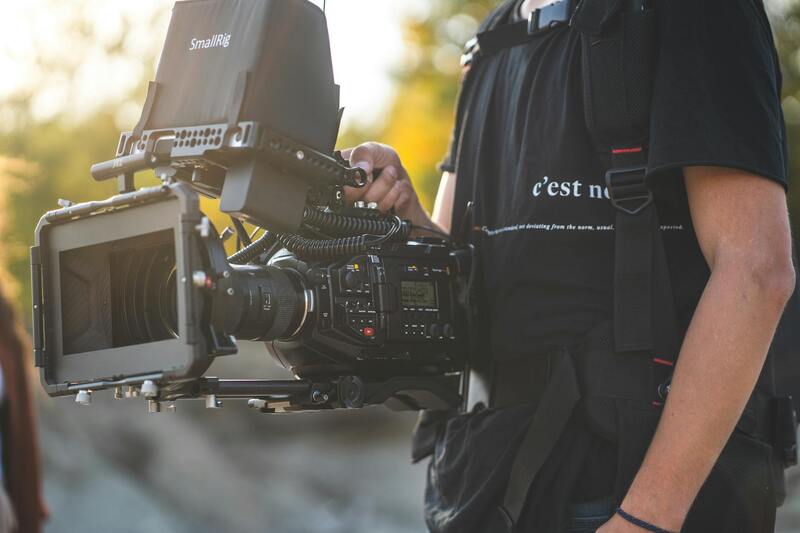
Sound systems are equally critical, with professional-grade microphones such as shotgun mics, lapels, and boom microphones capturing clear, crisp audio. An acoustically treated environment minimizes unwanted background noise, enabling seamless audio recordings that match the high visual standards.
Green screens and backdrops extend the creative possibilities, allowing for virtual backgrounds and special effects that align with brand messaging. Motion graphics and visual effects software like Adobe After Effects or DaVinci Resolve enhance post-production workflows, enabling the addition of branding elements, animations, and visual cues integral to engaging corporate content.
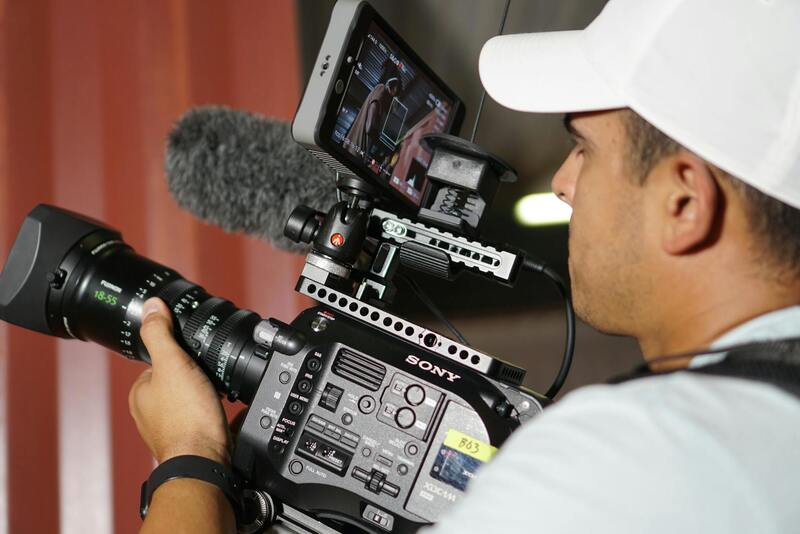
In addition to hardware, a robust editing suite is vital. Professional software suites facilitate multi-layer editing, color correction, sound editing, and grading, empowering producers to craft visually stunning content. Storage solutions such as RAID systems or cloud-based archives ensure that footage remains secure and readily accessible for editing and revisions.
Integrating these technological components creates a cohesive environment capable of producing top-tier corporate videos, capable of communicating your brand message with clarity and professionalism. Selecting equipment that aligns with your specific project requirements and growth plans ensures your studio remains adaptable and future-proof.
Factors to Consider When Building or Selecting a Corporate Video Production Studio
Establishing a corporate video production studio requires a comprehensive understanding of both current industry standards and the specific needs of your organization. When selecting or designing a studio space, focusing on key elements ensures that it is capable of producing high-quality content that aligns with your brand’s messaging and objectives. Several critical factors influence the effectiveness, efficiency, and scalability of a production studio, making them essential considerations for decision-makers and creative teams alike.
Studio Space and Layout
The physical layout of a corporate video studio must accommodate diverse production needs, including live shooting, animation, post-production, and client/viewer interactions. Optimizing space layout involves allocating zones for recording equipment, control rooms, editing suites, and storage. An open, adaptable environment facilitates smooth workflow and collaboration among crew members. Additionally, incorporating flexible areas allows the studio to pivot quickly between different types of projects, such as corporate promos, training videos, or executive interviews. Proper planning ensures the studio remains scalable for future expansion, accommodating advanced equipment or additional production zones as your business grows.
Acoustic Design and Soundproofing
Sound quality plays a pivotal role in the impact of corporate videos. Soundproofing measures prevent external noise interference, helping to create a quiet environment conducive to clear audio recording. Acoustic treatments, such as sound-absorbing panels, bass traps, and diffusers, help control echo and reverberation, resulting in professional-grade audio that complements high-resolution visuals. A dedicated audio booth for voiceovers and interviews can further enhance sound quality, ensuring each element of your content reflects the highest standards.
Lighting and Visual Environment
Proper lighting setup is fundamental in achieving visually appealing corporate videos. Soft, diffused lighting minimizes shadows and highlights your subject or product effectively. The choice of lighting equipment—including LED panels, softboxes, and diffusers—should be tailored to different filming scenarios. Additionally, creating a versatile backdrop area with options such as green screens, branded backdrops, or neutral panels enables the studio to handle a variety of content styles seamlessly. Ensuring the environment is both ergonomic and adjustable enhances the comfort and efficiency of production staff during long shoots.
Technical Infrastructure and Equipment
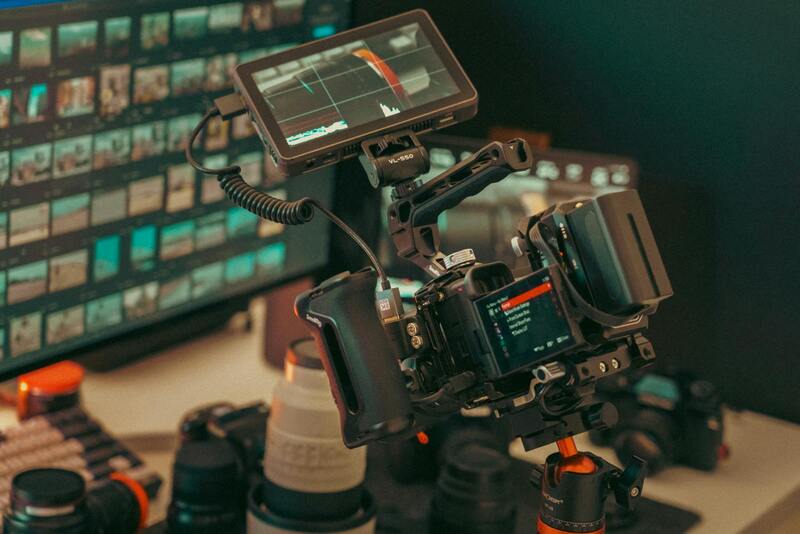
The backbone of any professional studio is its technological infrastructure. Investing in high-quality cameras, switchers, and recording devices ensures crisp, clear footage essential for corporate branding. Coupled with reliable editing hardware and software—such as Adobe Premiere Pro, DaVinci Resolve, or Final Cut Pro—your studio can handle a smooth post-production process. Additionally, durable storage solutions—ranging from SAN/NAS systems to cloud-based archives—are crucial for managing large video files securely and efficiently. Network infrastructure, including high-speed internet and data transfer capabilities, supports collaborative workflows and remote project management.

Lighting and Power Supply
A consistent and stable power supply is vital to prevent disruptions during shoots or editing sessions. Sufficient electrical outlets, surge protectors, and backup power sources like uninterruptible power supplies (UPS) enhance reliability. Its design should avoid cluttered wiring and ensure safety standards are met, supporting the high energy demands of professional lighting, cameras, and audio equipment. Proper lighting fixtures integrated with dimming controls provide the flexibility to adapt moods and scenes quickly for different production needs.
Safety and Compliance
Workplace safety encompasses ergonomic furniture, proper ventilation, and safe handling procedures for all technical equipment. Compliance with local safety standards is critical to prevent accidents and maintain a secure environment for your crew. This involves maintaining clear pathways, securing electrical wiring, and providing adequate training for equipment operation. Regular maintenance and inspections further ensure that all systems function correctly and safely over time, safeguarding your investment and team wellbeing.
Conclusion
Careful consideration of studio space, acoustics, lighting, equipment, infrastructure, and safety protocols constitute the foundation of a successful corporate video production facility. Each factor contributes to the overall quality, productivity, and adaptability of your studio environment. When thoughtfully planned, your studio becomes a powerful asset—enabling your organization to produce professional, compelling content that elevates your brand and drives business growth.
Ensuring Optimal Acoustic Design and Soundproofing
Creating an effective corporate video studio requires meticulous attention to acoustic treatment and soundproofing. The primary goal is to produce high-quality audio recordings free from external noise interference and echo, which can detract from the professionalism of the final product. Incorporating sound-absorbing materials such as acoustic panels, foam tiles, and bass traps within walls and ceilings minimizes sound reflections, enhancing clarity and intelligibility. Additionally, strategic placement of soundproof doors and double-glazed windows isolates the studio from ambient noise sources like traffic, HVAC systems, or neighboring activities.
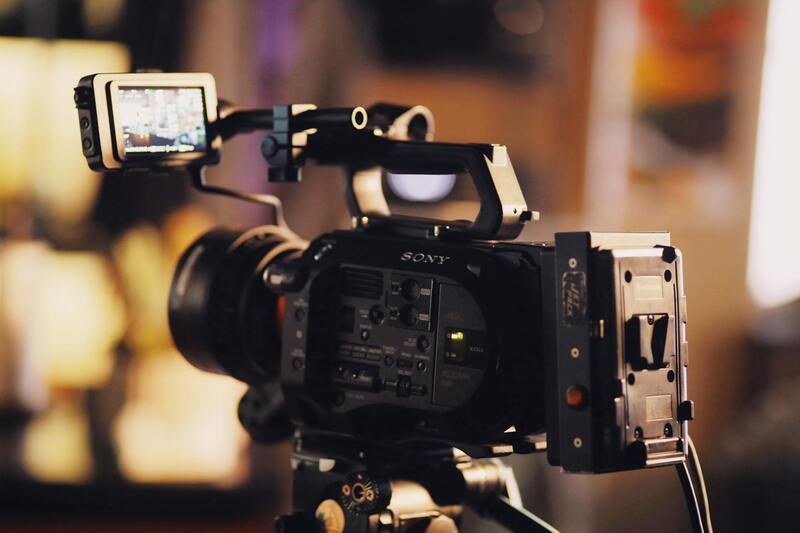
The layout of the studio space should facilitate acoustic control, with dedicated areas for audio recording that are physically separated from the main filming zone. Employing isolating mounts and vibration pads for equipment such as microphones and monitors further prevents unwanted noise transmission. Regular assessment and adjustment of acoustic treatments are vital, especially as recording needs evolve, to maintain optimal sound quality.
Effective Lighting Solutions for Professional Video Quality
Lighting plays a crucial role in achieving visually compelling corporate videos. A well-designed studio integrates adjustable lighting fixtures with dimming capabilities, enabling filmmakers to create different moods and adapt to various scenes efficiently. Softboxes, LED panels, and ring lights are common tools that provide consistent and diffuse illumination, reducing shadows and highlighting subjects' features effectively. Proper lighting placement should ensure uniform coverage and avoid unwanted glare or hotspots, which can affect post-production editing.
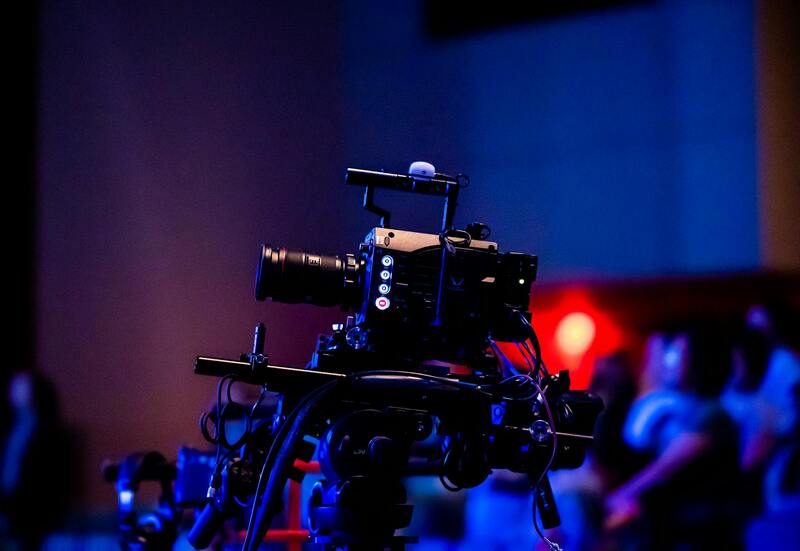
Lighting design also considers color temperature adjustments, with practical options to switch between warm and cool tones depending on branding requirements or scene intentions. Integrating programmable lighting systems can streamline scene changes and enable creative effects, all while preserving consistent quality. Adequate pre-lighting planning reduces post-production corrections and accelerates the overall production timeline.
Collaborative Space and Workflow Optimization
An efficient corporate studio setup extends beyond technical equipment to include thoughtfully designed collaborative and control areas. A dedicated control room allows operators and directors to monitor footage live and make real-time adjustments. Comfortable editing stations facilitate post-production workflows, ensuring seamless transitions from filming to editing. Integrating a clear layout with ergonomic furniture and ample storage ensures that crew members operate smoothly and efficiently.
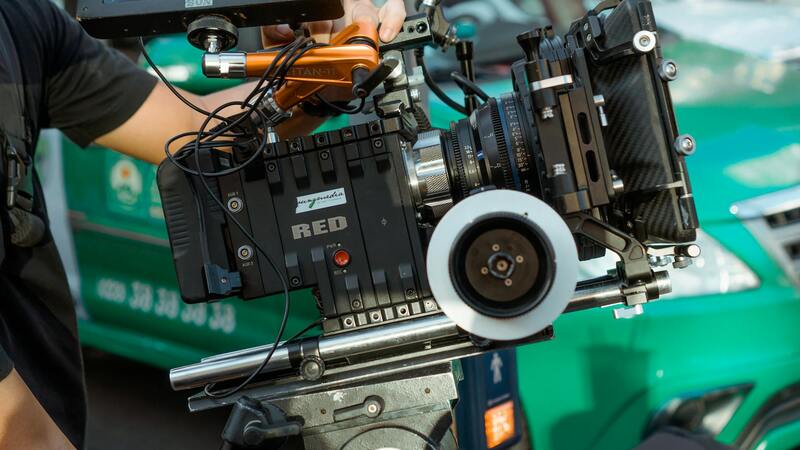
In addition to structural design, workflow organization plays a vital role. Establishing designated zones for gear storage, prep stations, and individual roles minimizes congestion and delays. Incorporating digital systems for asset management and project tracking further optimizes the production process, resulting in high-quality outputs delivered within tight schedules. Properly planned and organized spaces foster creativity while maintaining safety standards, making the studio a productive environment for all team members involved in corporate video projects.
Understanding Corporate Video Production Studios
A corporate video production studio serves as a specialized facility designed to facilitate professional-quality video content creation for businesses. These studios are equipped with the technical infrastructure, acoustical treatments, and design features necessary to produce a wide range of corporate communications, including promotional videos, training modules, internal communications, and brand narratives. The central goal is to create an environment conducive to high standards of visual and audio fidelity, ensuring that each production aligns with the company's branding and communication objectives.
Typically, such studios combine a control room, recording areas, soundbooths, and post-production suites, all tailored for seamless collaboration among creative teams. The physical space is often adaptable, allowing for various set configurations and backgrounds, enabling the production of diverse content formats. Strategic planning of the studio layout emphasizes accessibility, acoustics, lighting control, and equipment placement, which collectively contribute to efficient workflows and top-tier output quality.
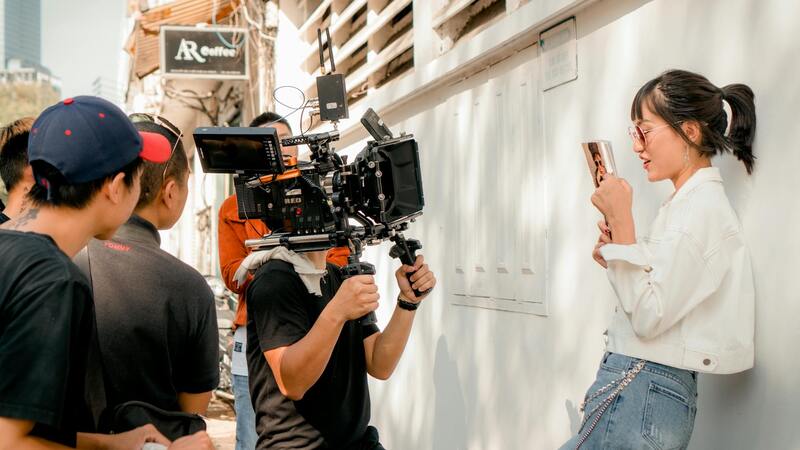
Advantages of In-House Corporate Studios
- Full control over filming schedules and resources
- Immediate access to essential equipment and set components
- Enhanced confidentiality and security for sensitive projects
- Consistent branding and production standards across all content
- Cost efficiencies over time for large volumes of video content
Roles and Capabilities within a Corporate Video Studio
Most studios are staffed with a team of professionals, including directors, camera operators, lighting technicians, sound engineers, set designers, and post-production editors. These specialists work collaboratively to ensure every aspect of the production aligns with the company's vision. Additionally, project managers coordinate schedules, budgets, and deliverables, facilitating a streamlined process from conceptualization to final delivery.
Investing in a corporate studio also means integrating up-to-date technology such as high-definition cameras, advanced lighting systems, and soundproof environments. These elements are fundamental in achieving cinematic quality and ensuring that the finished content resonates effectively with the target audience.
Understanding Corporate Video Production Studios
A corporate video production studio serves as a dedicated space where high-quality, professional videos are conceived, filmed, and edited to meet a company's branding and communication objectives. Unlike outsourced production teams or remote filming, a studio provides a controlled environment that fosters creativity, efficiency, and consistency. It is equipped with specialized facilities designed to optimize every aspect of the production process, from lighting and acoustics to set design and post-production facilities. Establishing or partnering with a professional studio ensures that corporate messages are conveyed with clarity, impact, and alignment with strategic goals.
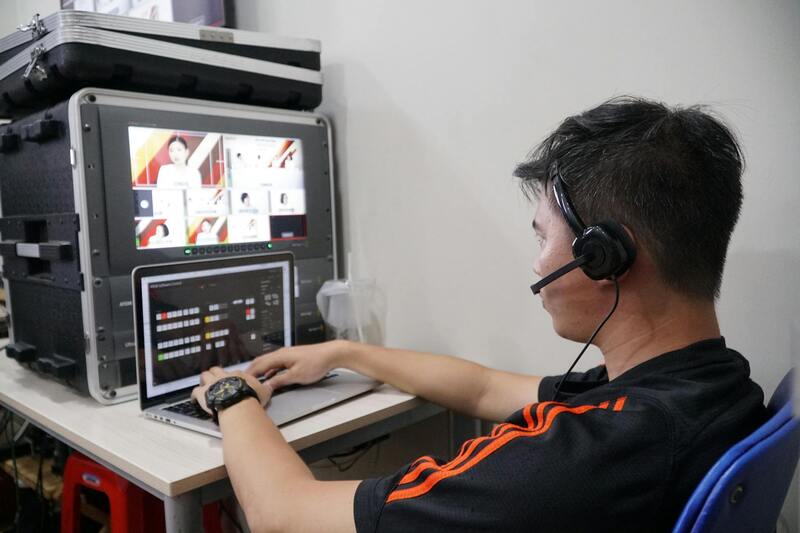
Key Services Offered by Corporate Video Studios
Corporate video studios provide a comprehensive suite of services tailored to meet diverse content needs. These include:
- Pre-production Planning: Concept development, scripting, storyboarding, and scheduling.
- Set Design and Construction: Crafting visually appealing and functional sets that align with branding.
- Filming and Cinematography: Capturing footage using high-definition cameras and professional lighting setups.
- Sound Recording and Engineering: Ensuring clear audio quality with advanced soundproofing and audio equipment.
- Post-production Editing: Cutting, color grading, visual effects, and sound design to produce polished content.
- Animation and Motion Graphics: Enhancing videos with engaging animations, infographics, and overlays.
- Delivery and Distribution: Providing files in various formats suitable for digital platforms, presentations, or broadcast.
Factors to Consider When Building or Selecting a Studio
Choosing the right corporate video studio involves careful assessment of several critical factors:
- Location and Accessibility: Proximity to your business operations can streamline scheduling and logistics.
- Facility Size and Layout: Adequate space for equipment, sets, and personnel to operate efficiently.
- Acoustic and Lighting Environment: Proper soundproofing and lighting control are essential for high-quality recordings.
- Equipment and Technology: Availability of state-of-the-art cameras, lighting, sound systems, and editing software.
- Staff Expertise and Support: Skilled technicians, directors, and editors to ensure professional output.
- Cost and Scalability: Balancing budget considerations with the need for future expansion or upgrades.
Equipment and Technology in a Corporate Video Studio
The backbone of a professional corporate studio relies on cutting-edge technology. High-definition cameras with cinematic capabilities, such as 4K recording, enable crisp and detailed imagery. Advanced lighting setups, including LED panels and softboxes, allow for versatile illumination tailored to different scenes. Soundproof environments equipped with quality microphones and sound mixers ensure clarity and neutrality in audio. Additionally, reliable editing stations with the latest software like Adobe Premiere Pro or DaVinci Resolve facilitate seamless post-production workflows. Incorporating live streaming technology can also extend the reach of corporate content in real-time, enhancing engagement and interactivity.

Design and Setup of a Corporate Video Studio
The design of a corporate studio must prioritize functionality and aesthetic appeal. Spatial planning involves zoning areas for filming, editing, makeup, and wardrobe to optimize workflow. The backdrop selection plays a vital role; neutral or branded backdrops can be easily interchangeable to match project themes. Acoustic treatments, such as foam panels and diffusers, minimize echo and external noise, creating an ideal sound environment. Lighting grids and ceiling-mounted rigs support flexible configurations for different shoot requirements. A well-organized control room oversees camera feeds, lighting, and sound, ensuring smooth operation during shoots. Ergonomic considerations, such as adjustable chairs and workstations, also contribute to a productive environment.
Cost and Investment in a Corporate Video Studio
Establishing a corporate video studio involves significant upfront investment, which includes facility construction or renovation, purchasing advanced equipment, and hiring specialized personnel. Operating costs encompass ongoing maintenance, software licenses, and staff salaries. While the initial expenditure can be substantial, the long-term savings stemming from in-house production capabilities and improved turnaround times can be considerable. It's essential to conduct a comprehensive cost analysis, considering factors such as equipment depreciation, potential upgrades, and scalability options, to ensure the investment aligns with long-term business objectives.
Benefits of Working with a Miami-Based Corporate Video Studio
Partnering with a Miami-based corporate video studio provides distinct advantages rooted in regional expertise and industry connections. The Miami market offers access to talented creative professionals familiar with local business culture and audience preferences. Such studios often possess extensive experience in producing content for diverse sectors like tourism, real estate, hospitality, and finance, which are prominent in the region. The strategic location also facilitates quick scheduling for studio shoots and consultations, reducing logistical challenges. Moreover, Miami studios typically leverage innovative technology and contemporary design principles, ensuring a competitive edge by delivering visually compelling and impactful corporate videos that resonate with viewers. This regional proximity allows for more personalized service, timely revisions, and seamless collaboration throughout the production process.