

Understanding Corporate Film Production
Corporate film production is a specialized segment within the broader video content industry that focuses on creating visual media tailored for business purposes. Unlike entertainment or artistic filmmaking, corporate films are crafted with the primary goal of enhancing a company's communication efforts, branding initiatives, and stakeholder engagement. These productions serve as powerful tools to convey a company's mission, values, achievements, and products to various audiences, including clients, investors, employees, and the general public.
The core purpose of corporate film production is to develop visual narratives that align with strategic business objectives. Through professionally produced videos, organizations can present their story in a compelling manner, strengthen brand recognition, and foster trust with their target market. As a distinct form of video communication, corporate films prioritize clarity, professionalism, and strategic messaging, differentiating them from other types of video content like social media clips or user-generated videos.

In today's digital landscape, corporate film production is an essential component of integrated marketing and communication strategies. It combines creative storytelling with technical expertise in filming, editing, and post-production to produce visually engaging content that resonates with viewers. The process often involves close collaboration between the company's internal teams and external production houses to ensure the final product accurately reflects the organization’s vision and goals.
While general video content can vary widely in purpose and style, corporate films are distinguished by their strategic intent and adherence to professional standards. These productions can include promotional videos, training documentaries, internal communications, product demonstrations, corporate social responsibility stories, and live event coverage. Each type serves a specific function within a comprehensive corporate communication plan, ensuring that every visual element contributes meaningfully to the company’s overall narrative.
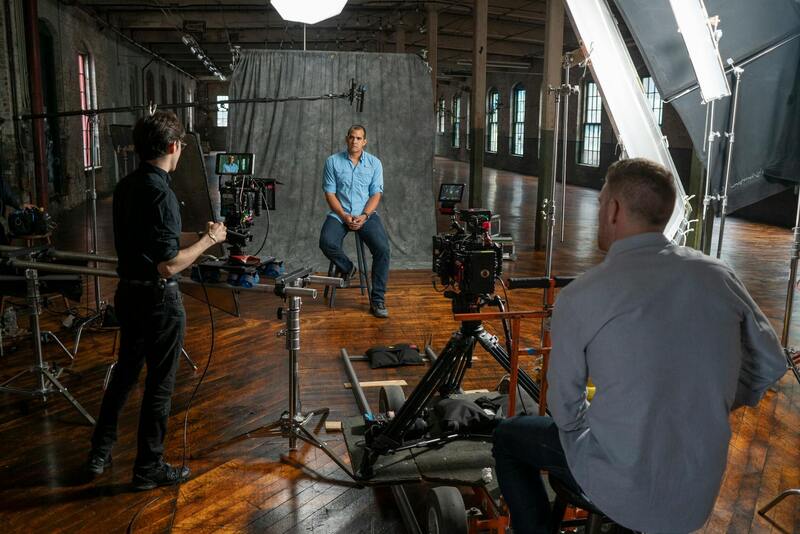
Achieving successful corporate film production requires meticulous planning, a clear understanding of target audiences, and the strategic presentation of content. Unlike casual video creation, corporate productions demand a formal approach to scripting, storyboarding, casting, filming, and editing. This disciplined process guarantees that each segment of the film serves a purpose, adheres to branding guidelines, and effectively communicates the intended message.
Moreover, today’s corporate films often incorporate innovative elements such as animation, motion graphics, and interactive content to increase engagement and information retention. The ultimate goal is to produce a polished, professional video that not only captures attention but also drives specific business outcomes, whether that’s brand awareness, lead generation, or internal motivation.
Utilizing Proven Methods for Corporate Film Production
Implementing effective corporate film production hinges on employing established methods that uphold professional standards and deliver impactful content. One of the most essential steps involves meticulous pre-production planning, where scripting, storyboarding, and conceptualization lay the foundation for a coherent and compelling narrative. This phase requires collaboration with key stakeholders to align the film's objectives with the company's brand message, target audience, and strategic communication goals.
During the scripting process, clear messaging is crafted to resonate with viewers while maintaining brand consistency. Utilizing storyboards, production teams visualize each scene, ensuring that the storytelling aligns with the planned narrative flow. Casting decisions are made thoughtfully, selecting individuals who embody the company's values and can authentically deliver the intended message, whether through narration or on-screen presentation.
Following the planning phase, technical execution involves adhering to industry-standard filming techniques, lighting, sound design, and camera work. Employing high-quality equipment and skilled personnel minimizes production errors and guarantees a polished final product. Incorporating innovative visual techniques, such as motion graphics and animations, enhances the film’s engagement factor, making complex information more accessible and memorable.
Post-production processes are equally critical. Professional editing involves precise cuts, color grading, and sound mixing to produce a seamless and visually appealing video. Adding visual effects, subtitles, and branding elements further embeds the company's identity into the content, ensuring consistency across the board.
Maintaining Quality Through Industry Standards and Best Practices
Adhering to industry standards throughout the production process guarantees that the final product meets professional benchmarks. This includes following established guidelines for video resolution, aspect ratios, audio clarity, and visual composition. Utilizing project management tools helps coordinate timelines, budgets, and stakeholder feedback, reducing delays and ensuring the project stays aligned with initial objectives.
Best practices also involve continuous quality control checks at every stage. Regular reviews of footage, scripts, and designs enable timely adjustments and refinements. Employing experienced professionals in each phase—directors, cinematographers, editors—further assures the film's technical excellence and narrative effectiveness.
Securing Proper Resources and Certifications
Ensuring access to the right resources is fundamental for producing compliant corporate films. This includes sourcing premium filming equipment, licenses for music and visual assets, and securing permissions for location shoots. Certification of talent and production staff fosters credibility and demonstrates adherence to industry protocols.
Maintaining clear documentation and records throughout the production process facilitates transparency and accountability. This systematic approach allows for smooth transitions between phases and ensures that all procedural standards are met, resulting in a professional-grade product that accurately represents the company's brand and message.
Effective Distribution of Corporate Films
Once a corporate film has been meticulously produced, deploying it across appropriate channels is crucial to maximize its impact. Distribution strategies should align with the company's objectives, target audience, and overall marketing plan. The primary methods include uploading to official websites, sharing via social media platforms, utilizing email marketing campaigns, and incorporating the videos into presentations or product launches. Each channel demands tailored approaches to ensure the content resonates with viewers and encourages engagement.

For example, social media platforms such as LinkedIn, YouTube, and Facebook offer targeted advertising options. These platforms allow precise audience segmentation based on demographics, industries, or interests, which enhances the likelihood of reaching decision-makers and potential clients. Additionally, embedding videos into email newsletters can foster direct communication with stakeholders, potential customers, or employees. This ensures the film is accessible to diverse audiences and integrated seamlessly into marketing or internal communication efforts.
Utilizing Metrics to Measure Effectiveness
Monitoring the performance of corporate films is vital to assess ROI and inform future projects. Key performance indicators (KPIs) include view counts, engagement rates (likes, shares, comments), audience retention, and click-through rates. Advanced analytics tools can track how viewers interact with the content, providing insights into which sections hold their attention and which do not.
Understanding viewer behavior allows producers and marketing teams to refine their messaging, optimize playback platforms, and enhance overall content quality. For instance, high engagement levels typically correlate with compelling storytelling and high-quality visuals, which should be prioritized in subsequent productions. Moreover, qualitative feedback gathered through surveys or direct comments can offer deeper insight into how the audience perceives the company's message.
Ensuring Compliance with Industry Standards
Executing corporate film production in strict accordance with established industry standards guarantees the final output is both professional and effective. This entails adhering to regulatory requirements related to intellectual property, licensing, and data protection. It also involves consistent quality assurance measures, including evaluating footage for technical accuracy, visual consistency, and message clarity.
Employing certified professionals for editing, sound design, and visual effects ensures the film maintains high standards of excellence. Furthermore, thorough review procedures at each stage of production—including scripting, filming, and editing—are necessary to address potential issues early on, preventing costly revisions after release.
Strategies for Successful Corporate Film Campaigns
- Align Content with Brand Identity: Ensure the tone, style, and messaging accurately reflect the company's core values and branding guidelines.
- Target the Right Audience: Tailor content to speak directly to the needs, interests, and preferences of the intended viewers for maximum relevance.
- Leverage Multi-Channel Distribution: Use a combination of digital platforms, events, and internal channels to broaden reach.
- Incorporate Clear Call-to-Actions: Encourage viewers to engage further, whether through visiting a website, signing up for a newsletter, or contacting sales teams.
- Maintain Consistent Messaging: Use the corporate film as part of a cohesive communication strategy to reinforce key messages across all channels.
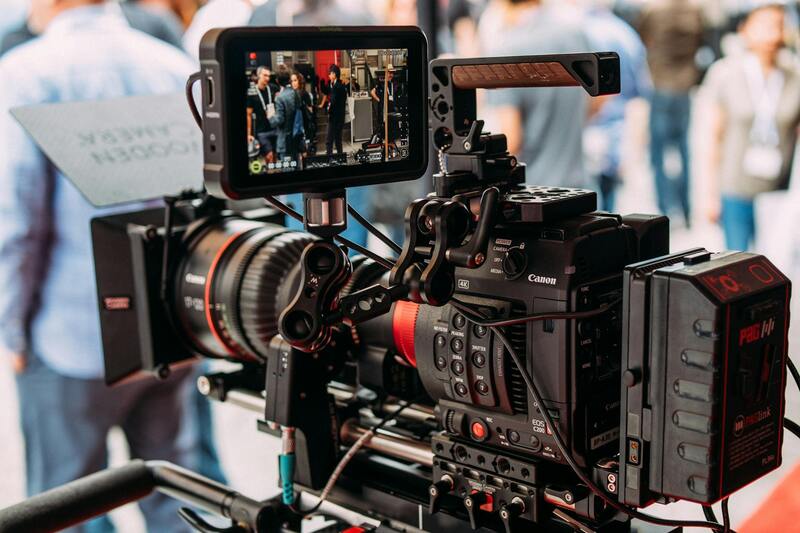
Methods for Ensuring Authenticity and Credibility in Corporate Films
Creating a corporate film that resonates with audiences and reinforces a company's reputation requires a strict adherence to established, verifiable methods that uphold transparency and trustworthiness. One of the most effective approaches is utilizing official sources for all content. This includes sourcing footage, images, and data directly from internal records, official reports, and authorized representatives. Relying on these authentic sources ensures that the narrative accurately reflects the company's achievements, mission, and values without distortion or embellishment.
Another essential practice involves comprehensive fact-checking and validation. This process entails cross-referencing all statistics, claims, and references incorporated within the film with authoritative documentation. For instance, revenue figures, client testimonials, or industry awards should be verified against official records to prevent inadvertent inaccuracies. Employing a dedicated team for validation not only safeguards the integrity of the content but also enhances the company's credibility in the eyes of viewers.
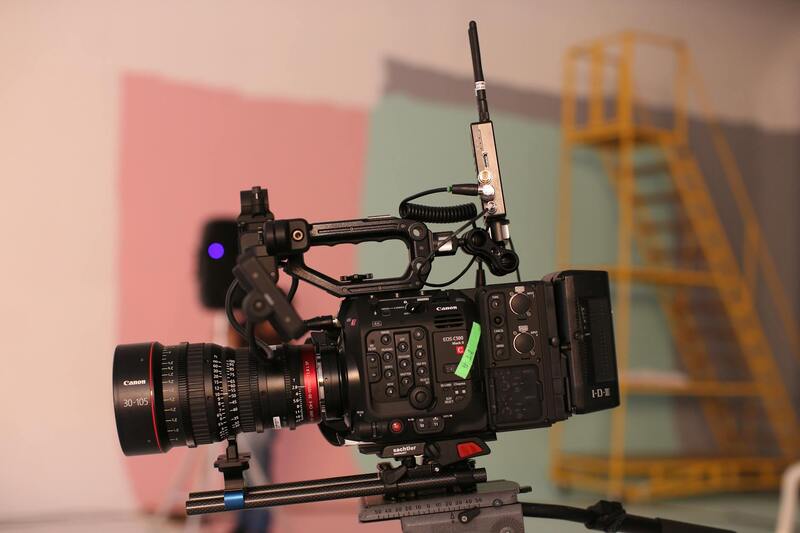
Legal compliance is also pivotal in the production process. This involves securing permissions and licenses for all multimedia assets used, including music, footage, and images. Clear documentation of rights and authorizations minimizes the risk of disputes and demonstrates the company's commitment to lawful and ethical content creation. Moreover, transparency can be bolstered by featuring disclaimers or cited sources, especially when presenting data or testimonials, which further reassures viewers of the content's legitimacy.
In addition, engaging reputable professionals—such as certified videographers, editors, and legal advisors—in the production process guarantees adherence to industry standards and best practices. These experts help in maintaining high-quality standards and ensuring that all aspects of the film align with regulatory requirements and ethical guidelines.
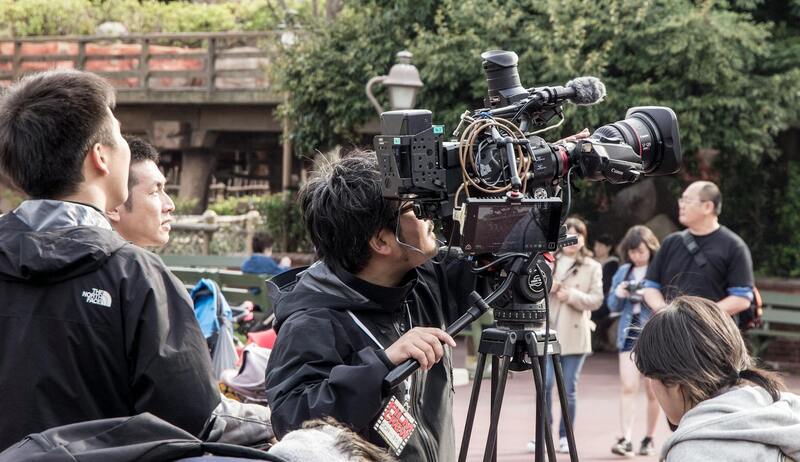
Finally, implementing a rigorous review process before the final release is crucial. This includes multiple checkpoints involving key stakeholders from different departments—such as marketing, legal, and executive leadership—who review the draft content for accuracy, completeness, and consistency. Feedback from these reviews should be meticulously incorporated, allowing the final product to genuinely reflect the company’s authentic voice and uphold its reputation.
Effective corporate film production hinges on the meticulous application of these methods—sourcing verified content, maintaining legal compliance, engaging professional expertise, and conducting thorough reviews. Collectively, these practices help produce authentic, transparent, and credible videos that effectively communicate a company's core message while reinforcing its trustworthy image to stakeholders and customers alike.
Understanding Corporate Film Production
Corporate film production involves the meticulous creation of visual content tailored to communicate a company's core messages, showcase its values, and enhance its brand image. This process is rooted in a clear understanding of the company's goals, target audience, and overarching communication strategy. By integrating professional expertise with strategic planning, corporate films serve as powerful tools to establish credibility and foster stakeholder engagement. Each stage, from initial concept development to final delivery, demands attention to detail and adherence to industry standards, ensuring the final product effectively aligns with the company's vision and objectives.
Key Steps in the Corporate Film Production Process
- Concept Development: This foundational step involves collaborating with stakeholders to identify the core message, target audience, and desired call-to-action. A well-defined concept ensures the film aligns with strategic brand positioning and resonates with viewers.
- Scripting and Storyboarding: Crafting a compelling script and visual plan is crucial. The scripting process translates the concept into coherent, engaging narratives while storyboarding provides a visual roadmap, mapping out scenes, camera angles, and transitions for seamless execution.
- Pre-Production Planning: This phase encompasses preparing logistics, scouting locations, assembling the crew, and scheduling. Establishing a detailed production plan and budget is essential for maintaining quality control and adherence to timelines.
- Production: The actual filming takes place during this stage. Employing professional equipment and experienced personnel guarantees high-quality visuals and sound. Constant collaboration with directors and clients during filming ensures the project stays true to its original intent.
- Post-Production: Editing, color grading, sound design, and visual effects are incorporated to refine the footage. Collaborative reviews and iterative feedback sessions are vital to align the final product with the company's expectations.
Importance of Collaboration and Quality Control
Throughout the production journey, maintaining a collaborative approach among the creative team, company representatives, and stakeholders is crucial. Regular check-ins, review sessions, and clear communication channels help prevent misunderstandings and ensure the project remains on track. Implementing quality control measures, such as adherence to brand guidelines, consistency in messaging, and technical standards, further elevates the production's professionalism and authenticity. This collaborative, quality-focused framework minimizes risks and enhances the final output's credibility and impact.
Choosing the Right Production Agency
Securing the appropriate partner for corporate film production is critical to delivering a professional and impactful final product. A reputable agency brings a combination of experience, technical expertise, and strategic insight to ensure the video aligns seamlessly with the company’s messaging and branding goals. To evaluate potential agencies thoroughly, consider their portfolio showcasing previous work in similar industries or marketing objectives. Reviewing their case studies offers insight into their capacity to handle projects of varying scope and complexity.
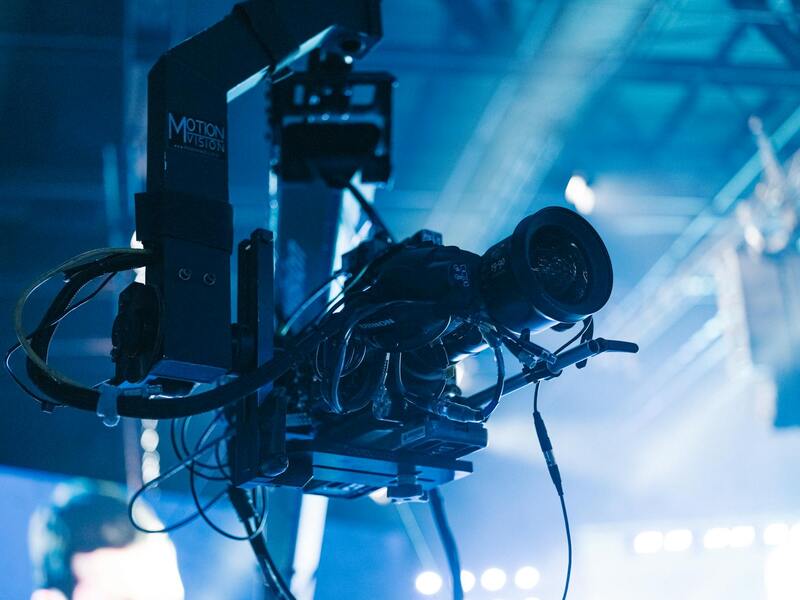
Team expertise is another vital criterion. The agency’s staff should encompass skilled directors, camera operators, sound engineers, and post-production specialists. An experienced team can adapt creative concepts to meet technical standards, ensuring high-quality visuals and sound that resonate with your target audience. Equally important is the agency's resource availability—a well-equipped studio, access to diverse locations, and cutting-edge technology, all contribute to filming efficiency and quality.
Alignment with Business Objectives
Beyond technical competence, the agency should demonstrate an understanding of your business objectives. Whether creating promotional content, internal training videos, or stakeholder presentations, the agency’s approach must reflect your company's values and strategic goals. Clear communication about your target audience, desired tone, and key messages will help the agency tailor their creative process effectively.
Transparent Processes and Timelines
An ideal production partner will adhere to transparent workflows, providing detailed timelines and milestones from pre-production through post-production. This clarity allows for scheduled review sessions, iterative feedback, and adjustments to ensure the final film aligns with your expectations. Consistent project management and open channels of communication foster collaboration and mitigate potential delays or misunderstandings.
Cost and Value Considerations
While budget is a significant factor, it should be balanced with the quality and scope of services offered. An experienced agency will provide a comprehensive proposal outlining costs for each stage of production, from scripting and planning to filming and post-production. Prioritizing value involves assessing the agency’s ability to deliver a compelling, visually engaging corporate film within your financial parameters while maintaining standards of excellence.

Choosing the right production partner is a strategic decision that significantly influences the effectiveness of your corporate film. A thorough vetting process, focusing on experience, technical capability, understanding of your objectives, and transparent workflows will facilitate a successful collaboration. This approach ensures your investment in corporate film production yields impactful results that enhance your brand presence and communication effectiveness in competitive markets.
Strategies for Ensuring Legitimacy in Corporate Film Production
In the realm of corporate film production, adhering to established and reputable procedures is essential to achieve high-quality results that resonate with your target audience. Relying on official methods not only ensures the integrity of the production but also reinforces your brand's professionalism and credibility. This begins with selecting a production partner experienced in handling corporate projects, equipped with the necessary technical expertise, and familiar with industry standards. Thorough research and clear communication of your objectives are fundamental steps in establishing a collaborative relationship rooted in transparency and mutual understanding.

Methodical Planning and Documentation
Implementing structured planning processes involving detailed pre-production scripts, storyboards, and shot lists guarantees alignment from inception to delivery. These official tools serve as guides that facilitate consistent execution, minimize misunderstandings, and provide a clear pathway for revision and approval. Maintaining comprehensive documentation throughout the project signifies commitment to precision and accountability, fostering trust between stakeholders and the production team.
Utilizing Proven Technological Tools
Employing industry-standard equipment and software ensures the production adheres to quality benchmarks. This includes high-resolution cameras, professional lighting, synchronized sound recording devices, and editing platforms known for reliability. Such tools are fundamental in achieving crisp visuals and sound, which are vital in conveying your message effectively. By leveraging reputable technology, your corporate film maintains a high production value while meeting the expectations of your audience and stakeholders.
Quality Assurance Through Rigorous Review Processes
Establishing official review protocols enables systematic evaluation of the content at each stage — from rough cuts to final edits. Structured feedback loops support objective assessments and ensure the film aligns with your predefined objectives and branding guidelines. This process involves multiple stakeholders, including project managers, marketing teams, and executives, to validate the content's accuracy, tone, and overall impact.
Adherence to Legal and Ethical Standards
Staying compliant with copyright laws, licensing agreements, and privacy regulations is foundational. This includes securing necessary permissions for locations, music, and talent, as well as ensuring that all content respects intellectual property rights. Official procedures necessitate thorough legal reviews and documentation, which safeguard your organization against potential disputes and uphold the integrity of your corporate message.
Certified and Experienced Production Teams
Partnering with certified professionals who demonstrate a track record in corporate film projects affirms your commitment to official methods. These experts are familiar with industry standards, safety protocols, and best practices, which collectively contribute to a seamless production process. Their expertise ensures that your corporate film reflects accuracy, professionalism, and a polished finish, all vital for maintaining your organization’s reputation.
Post-Production Checks and Final Approvals
Completing the production cycle with formal quality checks and approvals ensures that only content meeting your standards reaches the intended audience. This involves verifying the technical quality, consistency with branding, and messaging clarity. Implementing official approval workflows guarantees that the final product is free from errors and embodies the professionalism your organization aims to project.
Incorporating these meticulous, rule-based approaches into your corporate film production not only enhances the legitimacy and effectiveness of the final output but also reinforces your organization’s dedication to excellence and transparency. By following documented procedures, utilizing trusted tools, and engaging qualified personnel, your corporate videos will serve as powerful assets in your strategic communication efforts, fostering trust and engagement in competitive markets.
Ensuring Offical and Verified Methods in Corporate Film Production
When it comes to producing a corporate film, adhering to recognized and validated processes is essential to achieving a high-quality, professional outcome. This involves working exclusively with proven techniques and methodologies that reinforce your organization’s credibility and reputation. Starting with comprehensive planning, organizations should develop detailed scripts and storyboards aligned with their strategic objectives, ensuring the messaging is precise and reflective of their values. Employing a systematic approach allows for thorough review stages before moving into production, minimizing errors and inconsistencies.
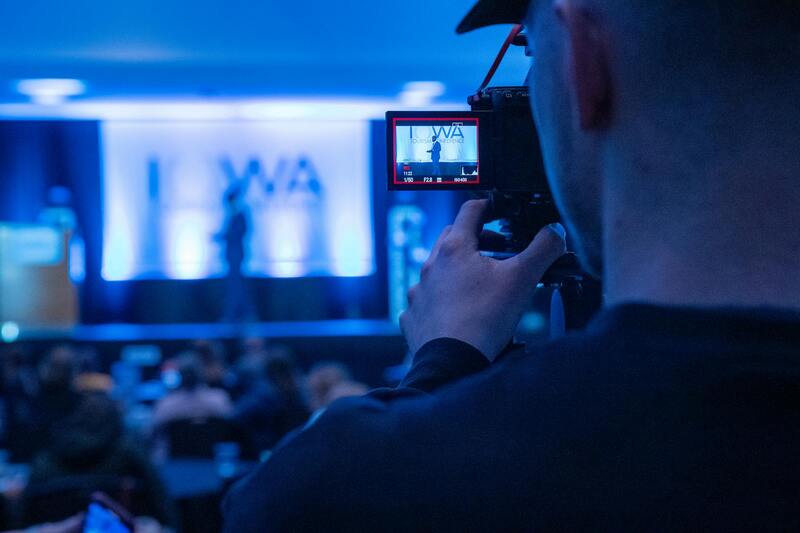
Engagement with licensed and experienced production professionals is a fundamental step. These specialists are trained and certified according to industry standards, making use of approved technical equipment, safety protocols, and workflow procedures. Their expertise guarantees your official corporate messaging is communicated with precision, clarity, and visual impact. Furthermore, they incorporate best practices for project management, from budgeting and scheduling to equipment handling and technical execution, ensuring every phase complies with recognized standards.
Quality assurance processes should be integrated at each stage, especially during post-production. This involves meticulous editing, color grading, sound mixing, and visual effects, all performed within verified workflows. Formal quality checks and review protocols, including stakeholder approvals, are vital to confirm that the final product adheres to your expectations and maintains integrity. These approvals must be documented through official channels to guarantee accountability and traceability.
Utilizing trusted tools and certified software for editing and post-production further solidifies the legitimacy of the output. This includes licensed editing suites, compliant encoding formats, and verified media archiving systems. Such practices not only ensure technical standards are met but also protect your organization’s intellectual property and data security.
Implementing comprehensive, rule-based procedures in corporate film production enables the creation of content that is both credible and impactful. This approach enhances the overall value of your media assets, positioning your business as a transparent, trustworthy entity within your industry. It also helps in building confidence among stakeholders, investors, and clients, which is crucial for long-term success.
In addition, ensuring transparency in your production process reassures all involved parties that official protocols have been followed. Clear documentation, approvals, and adherence to industry best practices serve to uphold your organization’s standards and foster trust with your audience.

Ultimately, engaging with accurate and validated methods for corporate film production solidifies the legitimacy of your visual communication efforts. This not only elevates your brand's image but also ensures your message reaches the audience with the appropriate formal backing that authenticity demands. From pre-production planning to final delivery, every step should be executed within official, established procedures that emphasize quality, professionalism, and compliance, safeguarding your organization’s reputation in a competitive marketplace.