

Factors Influencing Corporate Video Production Costs
Producing corporate videos in Miami involves a variety of cost determinants that work together to shape the overall budget. Understanding these factors enables companies to make informed decisions aligned with their strategic goals and financial constraints. The cost influences range from the type of video to the quality of production, each playing a pivotal role in budget planning.
Video Type and Content Complexity
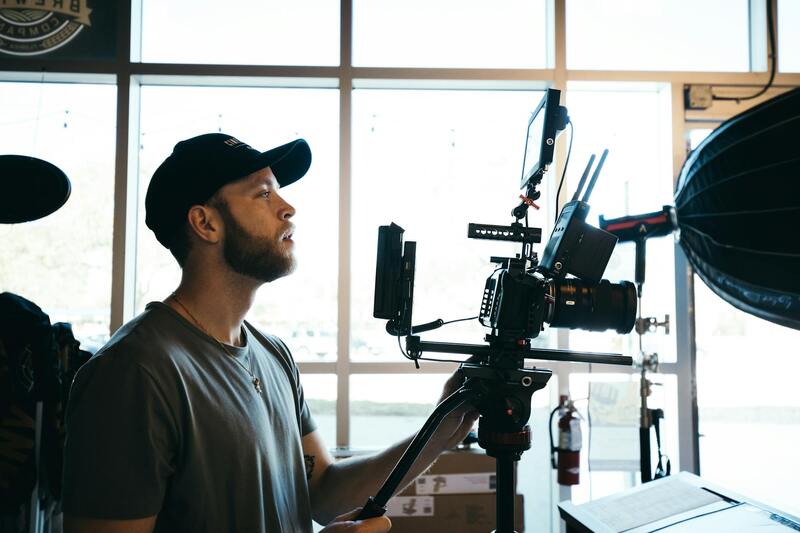
The nature of the corporate video significantly impacts the costs involved. For instance, a simple explainer video or testimonial clip may require minimal setup, scriptwriting, and editing, resulting in lower expenses. Conversely, a comprehensive brand documentary or product launch video entails advanced scripting, multi-camera shoots, and post-production work, increasing costs. The complexity of content also affects the duration, with longer videos demanding more resources for filming and editing.
Production Quality and Standards
Quality standards are a vital cost determinant. Professional-grade equipment, experienced crew members, and high-end post-production software elevate the production value but also increase expenses. Businesses aiming for cinematic quality or broadcast-level videos should allocate a higher budget to ensure the visual appeal and technical precision meet industry standards.
Project Size and Scale
The scope of the project influences costs considerably. An out-of-town shoot requiring travel, accommodation, and logistics will naturally increase the budget. Similarly, larger crews and multiple filming locations also escalate expenses. Smaller projects with focused goals tend to be more cost-effective, whereas expansive campaigns with multifaceted deliverables require more substantial investment.
Location and Permitting
Filming in different Miami locations may require permits, especially in public or private spaces with specific regulations. Securing these permits involves fees that add to the overall expenses. Additionally, some locations may necessitate special equipment or accommodations, further influencing costs.
Technological and Equipment Needs
Using advanced filming equipment such as drone cameras, steadicams, and 4K or 8K cameras can significantly affect pricing. The choice of technology depends on the project’s scope and desired visual effects.Opting for more sophisticated gear enhances the final product but also increases rental and operational costs.
Talent and Crew Requirements
Engaging professional talent, including actors, voice-over artists, and on-screen presenters, adds to the budget. The experience level of crew members—such as directors, cinematographers, and makeup artists—also influences costs. High-caliber professionals usually command higher rates but contribute to a polished, impactful final product.
Post-Production and Editing
The post-production phase encompasses editing, visual effects, color grading, sound design, and sometimes animation. The complexity of these elements determines the required time and expertise, thus impacting costs. High-quality editing that enhances story clarity and visual coherence often necessitates additional resources.
Summary of Cost Factors in Numerical Terms
- Simple videos: $2,500 - $7,500
- Mid-range projects: $7,500 - $25,000
- High-end corporate productions: $25,000 - $100,000+
It is essential for businesses to recognize that these ranges serve as general benchmarks. Exact costs depend on the specific objectives, production standards, and logistical considerations. A detailed consultation with Miami-based production agencies can provide more accurate estimates tailored to individual project requirements.
Factors Influencing Corporate Video Production Costs
Understanding the key elements that contribute to the overall expense of corporate video production is essential for effective budgeting. Several primary factors determine the final costs, each impacting the scope, quality, and delivery timelines of the project. These include the complexity of the content, the caliber of professionals engaged, equipment requirements, post-production processes, and additional miscellaneous expenses.
Project Complexity and Content Scope
The intricacy of the script, storyline, and visual elements play a pivotal role in setting costs. Basic videos, such as simple product demos or internal training clips, require minimal scripting, straightforward filming, and limited post-production. Conversely, high-concept promotional videos or documentaries demand elaborate planning, multiple shooting locations, and advanced visual effects. These complexities extend the production timeline and require more specialized expertise, leading to higher costs.
Talent and Crew Qualifications
Hiring seasoned professionals markedly influences costs. Experienced directors, cinematographers, lighting specialists, and makeup artists command premium rates but ensure a high-quality output that aligns with branding standards. For on-camera talent and voice-over artists, the reputation and skill level dictate their fees. Engaging well-known actors or industry experts increases upfront expenses but can significantly enhance the credibility and impact of the video.
Equipment and Technology Choices
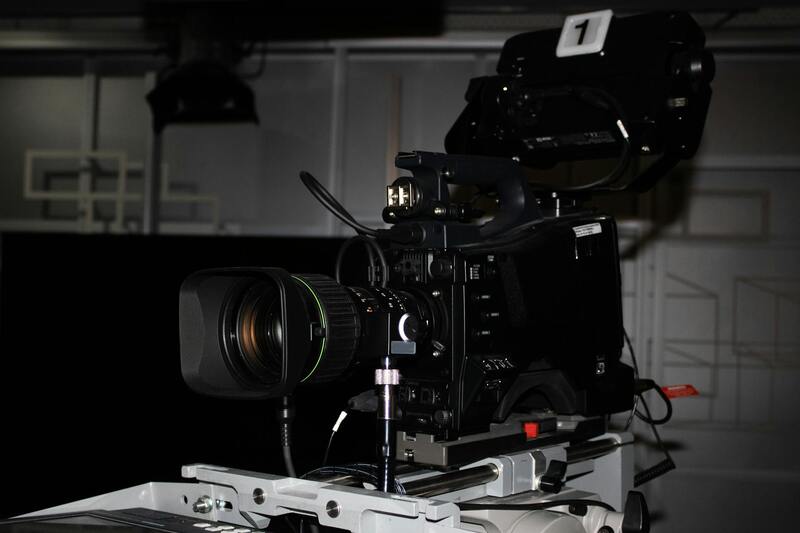
The selection of filming equipment directly affects costs. Using high-end cameras, such as 4K or 8K-resolution systems, steadicams, jib cranes, or drone cameras, enhances visual quality but incurs rental or purchase expenses. Special effects, green screens, and lighting gear further add to the budget. Additionally, the choice of editing software and visual effects tools during post-production shapes final expenditure.
Post-Production and Editing
Post-production encompasses editing, color grading, sound design, motion graphics, and visual effects. The level of refinement dictates labor costs; simple edits may be quick and affordable, whereas complex animations or CGI graphics require skilled editors and longer timelines. Incorporating branding elements or client revisions also influences costs. High-end post-production ensures a polished, professional product that meets strategic goals.
Additional Expenses and Logistical Considerations
Extra costs can include licensing fees for music or stock footage, permits for filming in specific locations, and travel or accommodation for crew members. If voice-over talent or on-camera speakers are required, their fees also contribute to the overall budget. Increasingly, companies consider these supplementary expenses integral to the total cost estimation process.
Estimating Total Costs
While initial figures provide broad benchmarks—ranging from approximately $2,500 for basic videos to over $100,000 for advanced productions—accurate budgeting depends on precise project details. A comprehensive breakdown that considers each of these factors ensures the budget aligns with company objectives and production standards.
Production Costs: Scene Setup, Crew, and Equipment
Understanding the core elements that contribute to production costs is crucial for budgeting effectively. Scene setup includes arranging the space to match the video's narrative, which might involve constructing sets or utilizing existing locations. The complexity of the scene directly impacts the time and resources required, thereby influencing costs.
Key components of production costs include the crew involved in executing the shoot. This typically involves a director, camera operators, lighting technicians, sound engineers, and production assistants. The experience level and specialization of these professionals play a significant role in determining labor expenses. For instance, highly skilled camera operators or gaffers with specialized equipment command higher rates.
Equipment costs are another significant factor. The use of high-end cameras, cinematic lenses, professional lighting rigs, and stabilizers can affect the budget. Often, companies rent equipment to access top-tier technology without the need for outright purchases, especially for short-term projects. Additionally, the need for specialized tools, such as drones for aerial shots or Steadicams for smooth motion tracking, can add to expenses.

Post-Production and Editing Charges
Post-production covers several detailed processes, including editing, color grading, sound design, and visual effects. The level of finesse required significantly influences costs. Basic editing involves assembling footage, color correction, and basic sound adjustments, typically incurring moderate expenses. Conversely, complex tasks like motion graphics, 3D animation, or CGI integration demand specialized skills and longer post-production timelines.
Attention to branding elements, such as overlaying logos or incorporating specific color schemes, adds further to editing costs. Revisions requested by clients during this phase can extend project timelines and elevate labor charges. High-quality post-production ensures the final product aligns with strategic objectives and maintains a professional standard, justifying the investment.

Additional Cost Factors: Licensing, Talent, and Permits
Expenses beyond the core filming and editing include licensing fees for music, stock footage, and visual assets. Securing appropriate licenses ensures that all media used in the final product complies with copyright laws, avoiding potential legal complications.
Talent costs encompass on-camera speakers, voice-over artists, and potentially actors or presenters. Their rates vary depending on experience, prominence, and the project's scope. Usually, professional voice-over artists charge based on project length, while on-screen talent may demand day rates or per shoot fees.
Permits and location fees are also integral when filming occurs in specific public or private spaces. Permitting processes differ by location but often involve administrative costs and administrative fees associated with filming in restricted areas or iconic landmarks.

Budgeting and Cost Estimation Tips
Accurate budgeting requires a detailed breakdown of all expected expenses. Start by defining the scope of your project, including the desired style, length, and complexity of the video. Obtain quotes from reputable production agencies, including itemized pricing for pre-production, production, post-production, and additional costs.
Utilizing checklists and project management tools helps track expenses and identify potential areas where costs can be optimized. Flexibility in the planning process can also prevent unexpected overspending, allowing you to adapt elements like crew size or equipment usage based on your budget constraints. Engaging experienced professionals during early planning stages ensures that budget estimates align with industry standards and project requirements.
Working with Miami Production Agencies: How to Maximize Your Investment
Partnering with local experts familiar with the Miami market enhances the overall value of your investment. These agencies possess local knowledge about permits, location costs, talent availability, and the best equipment resources. Clear communication of your goals and budget expectations enables agencies to tailor solutions that meet both your strategic objectives and financial parameters.
Bundling services such as script development, filming, editing, and distribution can generate cost efficiencies. Additionally, establishing long-term relationships with production teams facilitates smoother collaboration, access to discounted rates, and priority scheduling, all of which optimize your overall expenditure on corporate videos.
Understanding Official and Reliable Cost Calculation Methods for Corporate Videos
When assessing the expenses associated with producing a corporate video, it is essential to rely on methodical and industry-standard approaches. These methods ensure transparency, accuracy, and align the project's financial expectations with real-world market rates. By focusing on legitimate calculation techniques, organizations can effectively budget and avoid unexpected costs that often arise from unverified or ad-hoc estimations.
One foundational method involves breaking down the project into its primary components—pre-production, production, and post-production—and then estimating costs for each segment based on professional rates. This approach provides a comprehensive view of expenditures and highlights areas where costs may vary. For example, during pre-production, expenses typically include script development, storyboarding, and scheduling efforts. These activities require collaborative input from creative professionals, and their costs are often determined by hourly rates or fixed project fees set by experienced agencies.
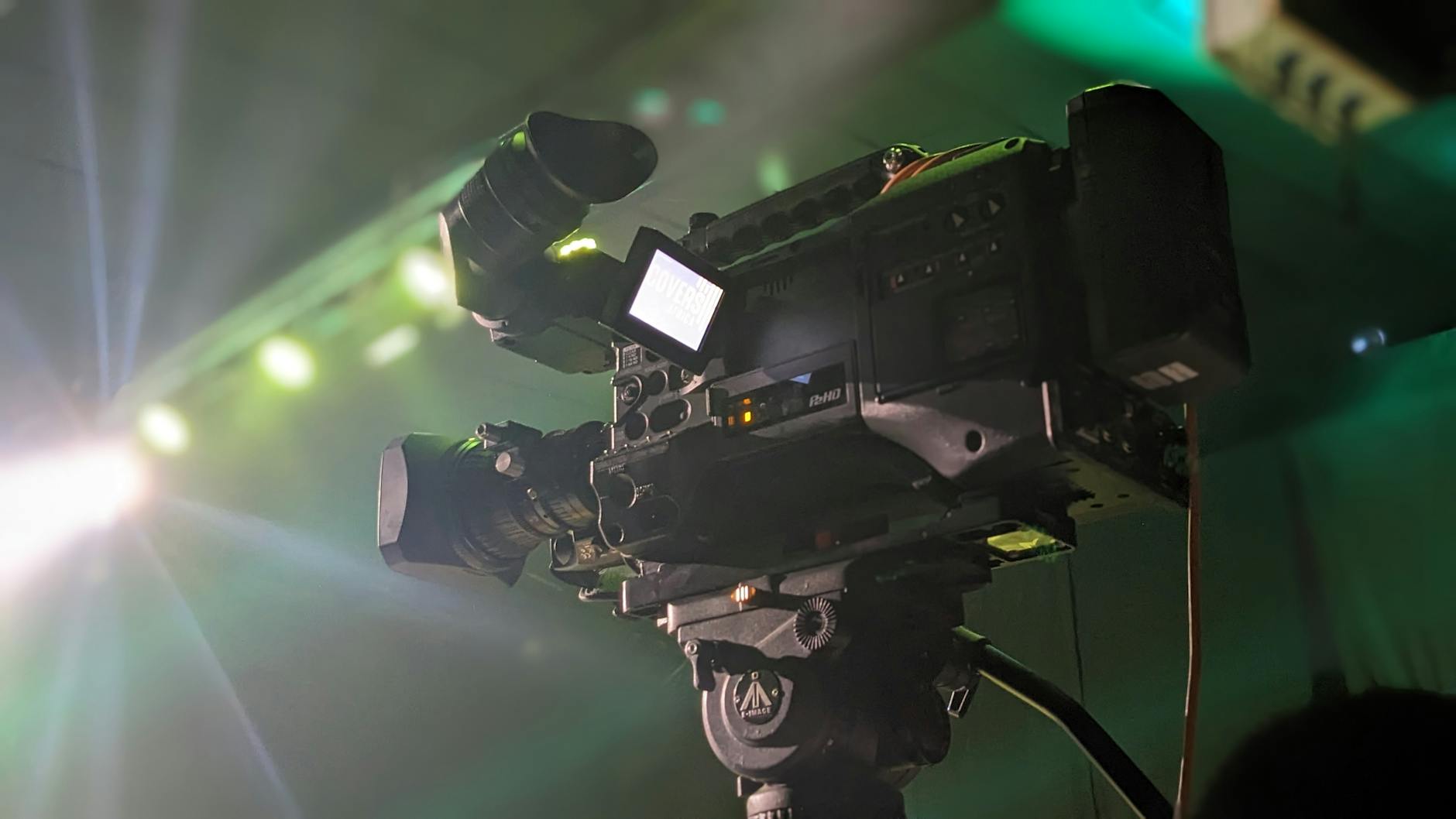
During the production phase, costs typically involve crew salaries, equipment rentals, location fees, talent fees, and transportation. Employing standardized per-day or per-hour rates for crew members—such as director, camera operators, and lighting technicians—serves as a reliable basis for cost estimation. Equipment rentals are calculated based on duration, type of gear, and whether the footage requires special devices like drones or stabilizers. Location fees depend on the sites chosen and their access requirements.
Post-production costs include editing, visual effects, color correction, sound design, and music licensing. These are generally calculated using hourly rates from qualified editors or fixed project bids. It's equally important to account for licensing fees for stock footage, music rights, or third-party software tools used during editing.
Cost estimation also involves factoring in additional expenses like talent fees for voiceovers or on-camera appearances, permits, insurance, and contingency budgets. Establishing a clear scope and delivering detailed project proposals helps ensure that all costs are transparent and realistic from the outset. This detailed planning process, coupled with reputable vendor quotes, prevents overspending and facilitates more accurate financial planning.
Official and Industry-Recognized Costing Models
Various professional models are widely recognized within the industry for estimating video production costs. These include:
- Hourly Rate Method: Assigns standard hourly rates to different crew members and editors. Rates vary by location, experience, and project complexity.
- Flat Fee Model: Offers a comprehensive quote for the entire project, often used for smaller or well-defined productions.
- Per-Day or Per-Project Rate: Common for shoots lasting multiple days, allowing for easier budgeting and scope control.
- Package Pricing: Agencies may provide pre-defined packages based on video length, style, and complexity, ensuring predictable costs.
Engaging with industry professionals who utilize these proven models supports transparent negotiations and realistic budgeting. This approach ensures all involved parties have aligned expectations, thus fostering smoother project execution and financial management.

Adopting these official methods not only bolsters the credibility of your cost estimates but also offers a robust framework for comparing proposals from different vendors. It allows for strategic decisions based on clear financial insights, ultimately maximizing the return on investment for your corporate communication efforts.
Additional Cost Factors: Licensing, Talent, and Licensing Fees
Beyond the core expenses associated with filming and editing, several ancillary costs can influence the final budget for a corporate video production. Understanding these additional factors helps organizations allocate resources more precisely and prevent unexpected expenses during the project lifecycle.
- Licensing and Stock Footage: Utilizing licensed music, graphics, or stock footage can substantially impact costs. Licensing fees vary based on usage scope, distribution channels, and length of the licensed material. For instance, exclusive rights or high-resolution stock footage may command higher prices, but they ensure legal compliance and high-quality production values.
- Talent and Actor Fees: Engaging professional actors, voice-over artists, or hosts introduces personnel costs to the project. These fees depend on the talent's experience level, the duration of their engagement, and the rights to their performances. For example, hiring well-known personalities typically involves higher compensation but can boost the video's credibility and appeal.
- Location Permits and Fees: Filming in certain settings may require permits or access fees, especially in high-traffic or private areas. These costs vary depending on city regulations, location exclusivity, and duration of the shoot.
- Specialized Equipment and Tech: Certain scenes may demand equipment beyond standard camera setups, such as drones for aerial shots or motion control rigs for complex movements. Renting or procuring such tools adds to the overall budget but can significantly enhance production quality.
- Legal Clearances and Contracting: Ensuring proper legal agreements for music rights, location releases, and talent contracts can involve escrow services or legal consulting fees. These are critical to protect the client’s interests and can influence total expenditure.
Budgeting and Cost Estimation Tips
To effectively manage corporate video production costs, organizations should establish a detailed budget early in the planning process. Start by delineating core expenses—pre-production, production, and post-production—while accounting for the additional factors outlined above. Incorporate contingency provisions to handle unforeseen costs, especially when working with new vendors or locations.
- Define Clear Objectives: Precisely identify the video's purpose to determine the appropriate production scope and complexity.
- Obtain Multiple Quotes: Contact several reputable vendors, ensuring they offer comprehensive estimates inclusive of licensing, talent, and equipment fees.
- Prioritize Essential Elements: Focus spending on components that significantly impact message delivery and audience engagement, such as high-quality visuals and sound.
- Leverage Industry Standard Models: Use established costing frameworks—such as hourly, flat fee, or package pricing—to compare proposals transparently.
- Plan for Revisions and Contingencies: Allocate extra budget for edits, client-requested changes, or unexpected needs that arise during production.
By following these budgeting strategies, organizations in Miami and beyond can ensure a balanced investment that aligns with their strategic communication goals while maintaining financial discipline.
Factors Influencing Corporate Video Production Costs
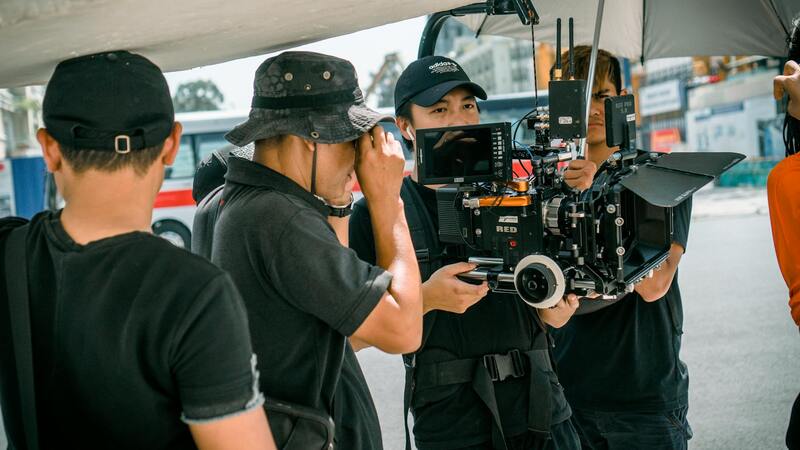
Understanding the various factors that impact the costs associated with corporate video production is essential for organizations aiming to optimize their budgets while achieving high-quality results. Several core elements, including project complexity, scope, and specific production requirements, play pivotal roles in determining the overall expense. Tailoring these aspects to align with strategic goals ensures efficient resource allocation and successful project delivery.
Project Complexity and Scope
The complexity of the envisioned corporate video significantly influences costs. Simple animated explainers with minimal locations and limited personnel can often be produced at lower costs. Conversely, multi-location shoots involving complex set designs, numerous talent appearances, and intricate animations necessitate additional resources and increased budget allocations. Defining the production scope early allows for precise cost estimations and better planning.
Script and Content Development
The depth and intricacy of the script also affect costs. A straightforward message might be achieved with minimal scripting and storyboarding, whereas highly detailed narratives or promotional campaigns require extensive planning, content creation, and scripting expertise. These pre-production efforts set the foundation for smooth execution and ensure message clarity while balancing budget considerations.
Production Logistics
Factors such as location fees, permit expenses, and equipment rentals directly impact the cost. Shooting in popular or restricted areas may incur additional charges, while securing necessary permits can extend timelines and add to the budget. Efficient logistical planning and use of local resources can mitigate some costs without compromising quality.
Talent and Crew Compensation
Engaging professional talent, such as actors, voiceover artists, or industry specialists, contributes to the overall expense. Likewise, the size and expertise level of the production crew—including directors, camera operators, lighting technicians, and production assistants—need to match project requirements. High-caliber personnel ensure quality but may command higher rates, especially for complex or high-stakes projects.
Production Equipment and Technology
The choice of equipment, including cameras, lighting, and audio gear, influences costs. Advanced technology like drone footage, 4K resolution, or specialized stabilization equipment can elevate production value but come with added rental and operational expenses. Strategic use of technology enables organizations to maximize visual impact within their budget constraints.
Post-Production Processes
This stage encompasses editing, color correction, sound design, visual effects, and finalizing deliverables. The complexity of post-production efforts correlates with the overall costs. High-quality editing work, motion graphics, and licensing fees for music or stock footage also contribute to the final budget. Allocating sufficient post-production time and resources ensures the finished product aligns with branding and messaging objectives.

Factors Influencing Corporate Video Production Costs
Understanding the various elements that impact the overall investment in corporate video production is crucial for aligning your budget with the desired outcome. Key factors include the complexity of the project's content, the length and format of the final video, and the level of production quality required. High-end videos that feature intricate visual effects, advanced cinematography techniques, or multiple locations will naturally incur higher costs. Additionally, the scope of the project, such as whether it is a simple testimonial or a comprehensive brand documentary, plays a significant role.
Another critical aspect is the choice of talent involved. Hiring professional actors, key industry figures, or voiceover artists will influence costs based on their experience and popularity. The geographic location of the shoot and the associated logistics—permits, travel expenses, and on-site accommodations—also contribute to the expense. Furthermore, technological choices like 4K resolution, drone footage, or specialized equipment such as steadicams and motion control rigs elevate the budget. Each of these influences has the potential to shape the scale, quality, and ultimately, the cost of the final product.
Types of Corporate Videos and Their Cost Ranges
Corporate videos encompass a range of formats, each with distinct cost implications. Basic explainer videos, animated or live-action, typically range from $3,000 to $10,000 depending on length and complexity. Such videos often utilize motion graphics and simple storytelling frameworks. In contrast, promotional or brand videos that feature professional actors, multiple filming locations, and advanced post-production work can range from $20,000 to over $100,000. For high-production-value videos, such as event coverage or documentary-style productions, costs can surpass $250,000.
Custom animations and motion graphics, often used for product explainers or data visualization, tend to sit in the middle of this spectrum but require specialized talent, which increases costs. Longer-form content, including training videos or corporate documentaries, naturally demand more extensive planning, filming days, and editing efforts — all of which amplify expenses. Strategically choosing the right type of video for your objectives ensures an optimal balance between quality and budget.
Pre-Production Expenses and Planning
The planning phase lays the groundwork for gauging the total production costs effectively. This phase involves scriptwriting, storyboarding, location scouting, casting, and securing necessary permits. A comprehensive pre-production process minimizes unforeseen expenses during filming by resolving logistical and creative issues early on. Engaging experienced project managers or creative directors ensures the scope aligns with budget constraints while maintaining quality standards.
Pre-production costs also include licensing fees for music, stock footage, or specialized graphics, as well as the cost of securing talent and location permissions. A clear, detailed budget and timeline established during this phase act as a financial roadmap, helping avoid last-minute expenses and ensuring resources are allocated efficiently. Investing time and resources upfront in meticulous planning ultimately results in cost savings during production and post-production stages.
Production Costs: Scene Setup, Crew, and Equipment
The production phase involves actual filming, where costs can fluctuate significantly based on the complexity of scenes and the involved personnel. Setting up scenes—such as constructing elaborate backgrounds or props—adds to these expenses, especially if certain environments are not readily available. The size and expertise level of the production crew, including camera operators, lighting technicians, sound engineers, and directors, directly influence the total cost—more experienced teams command higher rates but ensure superior quality.
Equipment rental is another substantial factor. Advanced cameras, lighting packages, and audio gear, especially if rented for multiple days, accelerate costs. For specialized shoots, such as aerial drone footage or 360-degree filming, additional technology fees apply. Efficient scheduling, shot list optimization, and well-prepared setups help contain costs without sacrificing creative vision.
Post-Production and Editing Charges
Post-production encompasses editing, color grading, sound design, visual effects, and final rendering—each element adding to the overall expense. Quality editing requires skilled editors who can assemble footage into a compelling narrative, synchronize audio, and incorporate special effects seamlessly. The complexity of your project determines the amount of editing time needed; intricate animations or multiple revision rounds will increase costs.
Music licensing and the integration of stock footage or visual effects also factor into the budget. For projects demanding animation or motion graphics, additional costs arise from specialized software and artists. Ensuring a polished final product often involves several iterations, each requiring review and revisions before approval. Proper allocation of post-production resources guarantees the final video aligns with your branding objectives and delivers a professional appearance.
Additional Cost Factors: Licensing, Talent, and Licensing Fees
Total project costs can be significantly affected by miscellaneous elements that might be overlooked initially. Licensing fees for music, stock footage, or proprietary graphics can escalate costs quickly, especially if premium or exclusive content is required. Talent, whether actors, voiceover artists, or industry experts, command fees based on their experience and project significance.
Furthermore, location fees, permits, and insurance policies contribute to the overall budget. For shoots requiring extended preparation or multiple locations, these expenses add up. Investing in quality talent and licensed content ensures the production maintains a professional standard but requires careful budget management. Planning for these additional costs from the outset helps maintain financial control and prevents overspending during the later stages of production.
Factors Influencing Corporate Video Production Costs
Understanding the elements that impact the overall expenditure on corporate videos is essential for effective budget management. Several core factors come into play, including the scope of the project, the complexity of the concepts being communicated, and the quality standards expected. Specific aspects like location choices, talent involvement, equipment requirements, and post-production refinement significantly influence costs. For instance, a project involving multiple shooting locations and professional actors will naturally incur higher expenses compared to simpler, in-house productions. Additionally, technological requirements such as high-end cameras, lighting setups, and specialized editing software can elevate expenses. Proper planning to anticipate these variables enables businesses to allocate resources efficiently and avoid unforeseen financial strain.
Types of Corporate Videos and Their Cost Ranges
Corporate videos encompass a diverse range of formats, each with its unique production requirements and associated costs. Promotional videos and brand storytelling clips typically range between $5,000 to $20,000, depending on their complexity and length. Training videos, which involve instructional content, may fall within a similar range but often require additional scripting and animations. Product demos or explainer videos tend to cost between $10,000 and $50,000, especially if they involve 3D animation or extensive on-location shoots. Larger-scale productions, such as company documentaries or event coverage, can escalate from $20,000 to over $100,000 due to the detailed planning, crew size, and post-production demands involved. Tailoring the type of video to your specific goals ensures an optimal balance between quality and budget.
Pre-Production Expenses and Planning
Effective pre-production lays the foundation for a successful project and significantly influences overall costs. This phase involves scriptwriting, storyboarding, location scouting, casting, and obtaining necessary permits. Detailed planning minimizes costly surprises during filming and ensures the project adheres to deadlines and budget constraints. Precise budgeting during this stage accounts for potential unforeseen expenses, such as additional permits or reshoots. Engagement with professional planners and creatives early on enhances clarity and coherence, resulting in a streamlined production process and cost efficiencies.
Production Costs: Scene Setup, Crew, and Equipment
The core of video costs lies in the actual production process, where scene setups, crew salaries, and equipment rentals are central components. Scene setup entails setting up lighting, staging, and camera placements to achieve desired aesthetics. A standard production crew, including director, camera operators, sound technicians, and assistants, requires compensation based on hours worked or project scope. High-quality equipment—such as 4K cameras, drone footage capabilities, and professional lighting—also drives expenses. For shoots involving multiple days or complex scenes, costs accrue quickly with added personnel and gear logistics. Managing these elements efficiently ensures the production maintains high standards without exceeding budget limits.
Post-Production and Editing Charges
After filming concludes, post-production transforms raw footage into a polished final product. Editing involves cutting scenes, integrating visual effects, color grading, sound design, and title animations. If your project demands sophisticated visual effects or motion graphics, expect additional costs for specialized software and skilled artists. Licensing music or proprietary visuals further influences expenses during this phase. Multiple rounds of revisions are common before final approval, emphasizing the need for clear communication between clients and editors. Investing in quality post-production ensures the delivered video effectively communicates your message, maintains branding consistency, and meets professional standards.
Additional Cost Factors: Licensing, Talent, and Licensing Fees
Beyond core production activities, several ancillary costs can impact your overall budget. Licensing fees for copyrighted music, stock footage, or proprietary graphics often constitute a significant portion of expenses, especially when premium or exclusive content is required. Talent costs vary based on experience, recognition, and project duration, and can range from voiceover artists to industry experts or corporate spokespeople. Location fees, permits, and insurance also contribute, particularly for shoots at multiple venues or sensitive sites. If your production involves extended shoot days, travel, or multiple takes, these costs compound quickly. Properly identifying and planning for these additional expenses early in the process enhances financial control and ensures project sustainability.
Budgeting and Cost Estimation Tips
Accurate budgeting begins with detailed planning and understanding the scope of your project. Break down each phase—pre-production, production, and post-production—and assign realistic costs based on previous experience and industry standards. Engage with experienced production agencies or consultants who can provide itemized estimates, helping identify potential cost drivers and areas where savings are feasible. Prioritize essential elements such as quality visuals and sound to maximize return on investment. Establish contingency funds for unforeseen expenses and negotiate clear contracts with service providers to lock in rates. Continuous communication and periodic budget reviews ensure expenditures stay aligned with your financial plan, ultimately delivering a professional product within your established parameters.