Understanding the Purpose of a Corporate Video
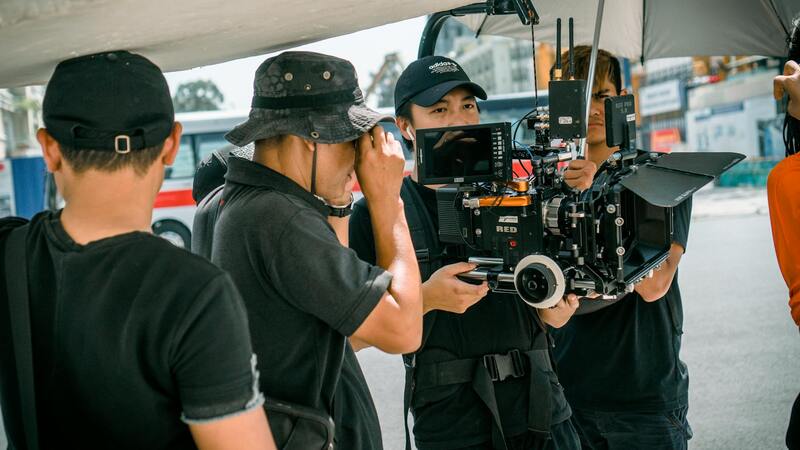
Creating an effective corporate video is a strategic effort aimed at enhancing a company's brand image, communicating key messages, and supporting various internal and external communication objectives. A corporate video serves as a versatile tool that can be utilized across different channels to engage audiences, inform stakeholders, and promote business objectives. In the bustling Miami business landscape, where competition is fierce and branding is crucial, understanding the core purpose of a corporate video is fundamental to its success.

Defining a Corporate Video
At its core, a corporate video is a professionally produced visual content piece designed to showcase a company's values, offerings, and culture. Unlike traditional marketing advertisements, corporate videos often focus on building trust and credibility by delivering authentic narratives and compelling storytelling. They can take various formats, from promotional videos and brand stories to training modules and internal communications, serving multiple strategic purposes within an organization.
Primary Uses of Corporate Videos
- Brand Building: Strengthening brand recognition by conveying the company's mission, vision, and core values.
- Marketing and Lead Generation: Engaging potential clients, partners, and investors through persuasive and visually appealing messaging.
- Internal Communications: Enhancing employee engagement, onboarding, and training by providing clear and consistent messaging.
- Education and Training: Demonstrating procedures, processes, and compliance requirements effectively.
- Event Coverage: Capturing corporate events, conferences, or product launches for promotional and archival purposes.
Supporting Business Goals and Branding in Miami
In Miami's dynamic economic environment, corporate videos play a critical role in establishing a company’s presence. They aid in differentiating brands, reaching diverse demographic groups, and fostering a professional image that resonates locally and globally. When well-aligned with strategic objectives, corporate videos become a powerful asset that boosts brand visibility, enhances reputation, and accelerates growth within a competitive marketplace.
Visual Elements and Storytelling
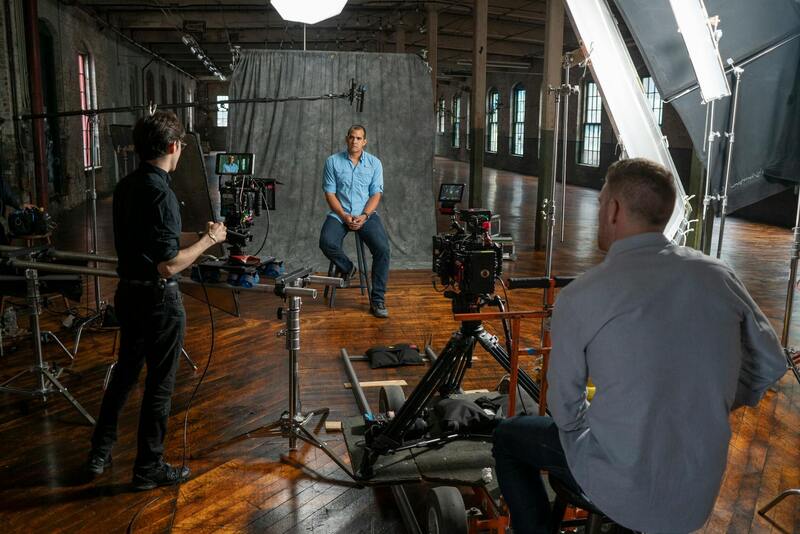
Effective corporate videos combine high-quality visuals, authentic storytelling, and clear messaging. This multi-sensory approach ensures that viewers not only consume information but also connect emotionally with the brand. Incorporating real stories, testimonials, and behind-the-scenes footage humanizes a company’s image, making the messaging more relatable and memorable.
Conclusion
Understanding the multifaceted purpose of a corporate video enables Miami-based companies to leverage this tool effectively. It is not merely about creating content but strategically aligning video production with business objectives to foster engagement, enhance reputation, and facilitate growth. By clearly defining what a corporate video should accomplish, organizations can ensure that each production effort drives meaningful results and contributes to long-term success.
Employing Effective Scriptwriting and Storyboarding Techniques
Creating a corporate video that resonates with viewers begins with a meticulously crafted script. This script serves as the foundation for all visual and auditory elements, ensuring that the message is delivered clearly and compellingly. When scripting, it is crucial to focus on the core message you want to communicate, aligning it with your overarching business objectives. Language should be professional yet approachable, tailored to appeal to your target audience in Miami’s diverse market landscape.
Developing a storyboard complements the script by mapping out each scene visually, establishing the flow of the narrative. This planning tool helps visualize transitions, framing, and the integration of graphics or animations. Effective storyboarding ensures a seamless progression of ideas, reduces misunderstandings during production, and optimizes resource allocation. It serves as a blueprint for cinematographers, directors, and editors, guaranteeing that the final product meets strategic expectations.
Structuring Video Content for Maximum Impact
Structuring your corporate video with a clear narrative arc enhances viewer engagement and comprehension. Start with an attention-grabbing introduction that succinctly states the purpose or presents a compelling question. Follow with the main message, supported by relevant data, testimonials, or visuals that reinforce credibility. Conclude with a strong call-to-action (CTA), prompting viewers to take the next step—whether it’s contacting your sales team, visiting your website, or engaging with your brand on social media.
Throughout this process, authenticity is key. Incorporate real stories or employee testimonials to humanize your brand, making the content more relatable and memorable for viewers in Miami and beyond. Ensuring the message is concise yet comprehensive maximizes the impact within the typical short attention span, making every second of the video purposeful and engaging.
Utilizing Off-the-Shelf and Customizable Content Resources
Leveraging existing content assets—such as brand-approved media briefs, product images, and testimonials—can streamline the production process and maintain brand consistency. When utilizing stock footage or graphics, it is essential to select high-quality, relevant materials that align with your brand identity to create a cohesive narrative.
Customizable templates and themes also offer a professional appearance while reducing production time and costs. These resources can be tailored with your branding elements—logos, color schemes, and fonts—ensuring the final video accurately reflects your corporate identity. Properly curated content assets expedite the creative process and reinforce your messaging without compromising authenticity or quality.

Managing Budget and Time Effectively in Video Production
Discerning the scope of your project from the outset helps manage both budget and timeline constraints effectively. Establishing clear priorities—such as key messages, target audience, and distribution goals—guides resource allocation and minimizes scope creep. It is advisable to develop a detailed production plan and timeline, incorporating all phases from pre-production through to delivery.
Employing modular components, like reusable graphics or stock footage, can significantly reduce costs and production time. Additionally, engaging experienced professionals in planning and execution ensures the project adheres to quality standards and deadlines. This strategic approach prevents delays and overspending, guaranteeing a successful corporate video that aligns with your organizational objectives and budget expectations.
Developing a Detailed Production Plan
Creating a comprehensive production plan is essential for ensuring a smooth and efficient corporate video project. This plan should clearly define each phase of the project, from pre-production preparations to final delivery, establishing timelines, roles, and responsibilities for every team member involved. Specific milestones should be set for key tasks such as script approval, casting, location scouting, and equipment setup. This level of organization minimizes miscommunication and delays, allowing the production team to work cohesively toward a shared goal.

Setting Clear Goals and Objectives
Every corporate video should have well-defined objectives that align with overarching business strategies. Whether the goal is to enhance brand awareness, promote a new product, or communicate company values, articulating these aims early ensures that the video content remains focused and effective. Establishing measurable objectives, such as viewer engagement levels or lead generation metrics, provides a benchmark for evaluating the video’s success and guides the creative direction — ensuring the final product resonates with the target audience and achieves intended outcomes.
Developing a Creative Brief
A precise creative brief acts as a blueprint for the project's visual and narrative style. It should encapsulate the desired tone, branding guidelines, target demographic, and key messages. Detailing the intended story arc and visual aesthetics helps align all stakeholders, including scriptwriters, designers, and videographers. This document also serves as a reference point throughout production, preventing scope creep and ensuring consistency with the company's identity and objectives.
Storyboarding and Script Development
Storyboarding maps out the visual sequence of the video, outlining each scene’s composition, camera angles, and transitions. Paired with a compelling script, storyboards facilitate visualizing the story and identifying potential challenges or enhancements early on. A well-crafted script should communicate the core messages effectively, blending informative content with engaging storytelling techniques. This collaborative process between storytellers and visual artists ensures that the narrative aligns seamlessly with the overall goals, creating a cohesive viewer experience.
Budgeting and Resource Allocation
Accurate budgeting accounts for all production elements, including equipment rental, talent, location fees, post-production editing, and distribution costs. Developing a detailed budget prevents unforeseen expenses and helps prioritize spending, focusing resources on high-impact aspects of the video. Efficient resource allocation might involve utilizing stock footage, leveraging existing branding assets, or scheduling shoots during off-peak hours to reduce costs, without compromising quality. Assigning responsibilities for budget management ensures transparency and accountability throughout the process.
Engaging Skilled Professionals
Assembling an experienced team of production specialists—such as cinematographers, directors, editors, and sound engineers—can significantly elevate the quality of the final product. Their expertise ensures technical proficiency, creative richness, and adherence to industry standards. Collaborating with professionals who understand the nuances of corporate storytelling helps translate your vision into a polished video that resonates professionally with your intended audience. Their guidance during pre-production and execution phases mitigates risks associated with technical errors and creative misalignments.
Utilizing Technologies and Tools
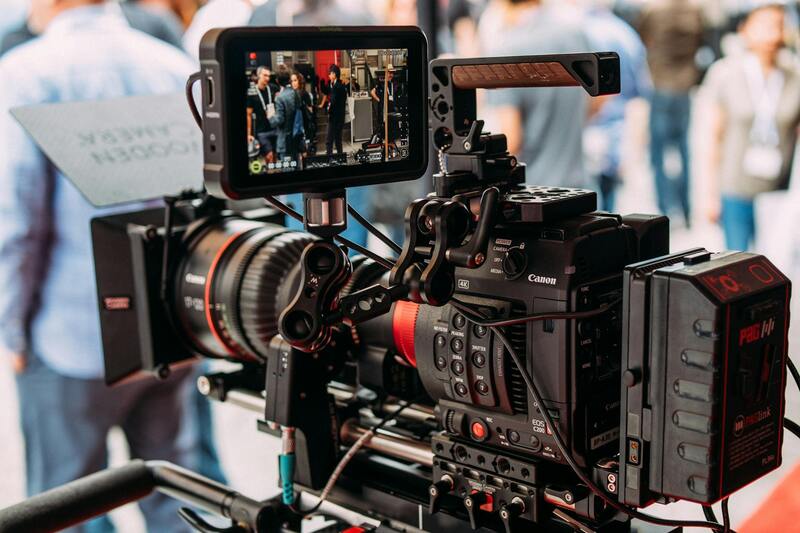
Leveraging advanced production tools and software enhances efficiency and quality. For example, project management platforms streamline workflow coordination, while high-quality cameras and audio equipment ensure professional-grade footage. Editing software facilitates precise color correction, sound mixing, and visual effects, vital for delivering a cohesive final product. Additionally, employing cloud-based storage solutions enables seamless collaboration among remote teams, ensuring quick access to assets and real-time updates, ultimately reducing the timeline for project completion.
Implementing Feedback and Revisions
Establishing a structured review process allows stakeholders to provide timely feedback, facilitating necessary revisions. Utilizing collaborative review platforms enables efficient communication, with clear annotations and version control, reducing misunderstandings and redundant work. This iterative approach ensures the project's alignment with brand standards and desired messaging before finalizing the video. Incorporating feedback constructively refines the content, enhancing overall professionalism and impact.
Finalizing and Preparing for Distribution
Once the editing phase is complete, the video undergoes quality checks to ensure optimal resolution, audio clarity, and adherence to specifications for different platforms. Preparing multiple versions tailored for various distribution channels—such as social media snippets, presentations, or website embeds—maximizes reach and engagement. Proper formatting, adding captions, and optimizing file sizes contribute to a smooth deployment across diverse media, enhancing the video's visibility and effectiveness in delivering your corporate message.
Implementing Efficient Production Techniques
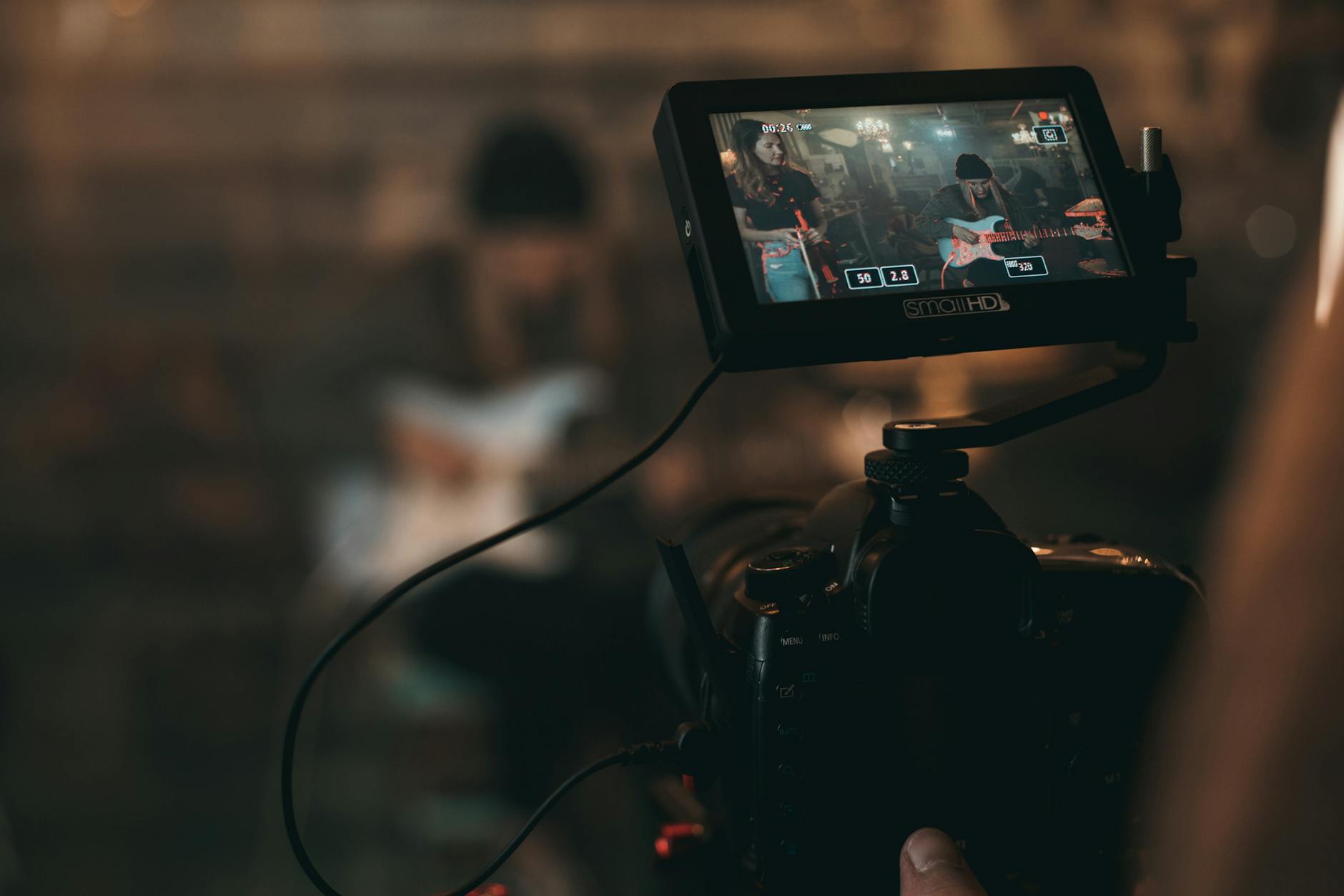
To ensure that your corporate video project proceeds smoothly and achieves a professional quality standard, employing specific production techniques is essential. This involves creating a detailed shot list that aligns with the storyboard and script, ensuring all vital scenes and messages are captured efficiently during filming. Utilizing a well-organized schedule minimizes resource wastage and keeps the project on track. Additionally, selecting appropriate camera angles, lighting setups, and sound recordings contributes to the clarity and impact of the visual narrative.
During filming, paying attention to lighting conditions is critical. Proper illumination enhances the visual appeal and ensures that subjects are clearly visible, regardless of whether shooting indoors or outdoors. Employing soft lighting techniques can eliminate harsh shadows, creating a polished look that complements your brand’s aesthetic. Sound quality is equally important; using high-quality microphones and controlling ambient noise helps produce clear audio that supports the video’s message without distraction.
Post-Production Optimization
The post-production phase offers a critical opportunity to refine raw footage into a compelling story. Color correction and grading are applied to create visual consistency and reinforce brand colors, ensuring the final product aligns with your corporate identity. Sound editing involves removing background noise, balancing audio levels, and adding necessary sound effects or background music that enhance the visual narrative without overpowering the messages.
Editing also allows for the integration of graphics, animations, and text overlays, which can emphasize key points and improve viewer engagement. It is crucial to keep edits aligned with the initial objectives, maintaining a clear focus on the core message. Collaborative review sessions enable stakeholders to provide feedback, ensuring that the finalized video reflects collective expectations and branding standards.

Maintaining Consistency and Compliance
Consistency throughout the production process is fundamental for reinforcing brand identity. This includes adhering to style guides, using designated fonts, colors, and logos accurately across all visual elements. Maintaining consistency in tone and messaging helps reinforce the message and builds trust with your audience.
Furthermore, ensuring compliance with industry standards and internal policies is vital. This entails reviewing content for sensitive or proprietary information, copyright adherence, and overall appropriateness for your target audience. Implementing standardized procedures for reviewing footage and assets minimizes errors and maintains the quality of the final product.
Ongoing training for your production team on best practices and adherence to brand guidelines sustains high quality and coherence across all corporate videos produced, fostering a reputable and professional brand image.
Implementing Accurate and Authorized Methods for Creating a Corporate Video
Producing a corporate video involves a series of meticulous steps that emphasize the use of official and legitimate practices. To ensure the video meets professional standards, it is essential to adhere to a structured process that encompasses the use of authorized tools, resources, and techniques. This approach not only guarantees quality but also aligns with industry best practices for visual storytelling.
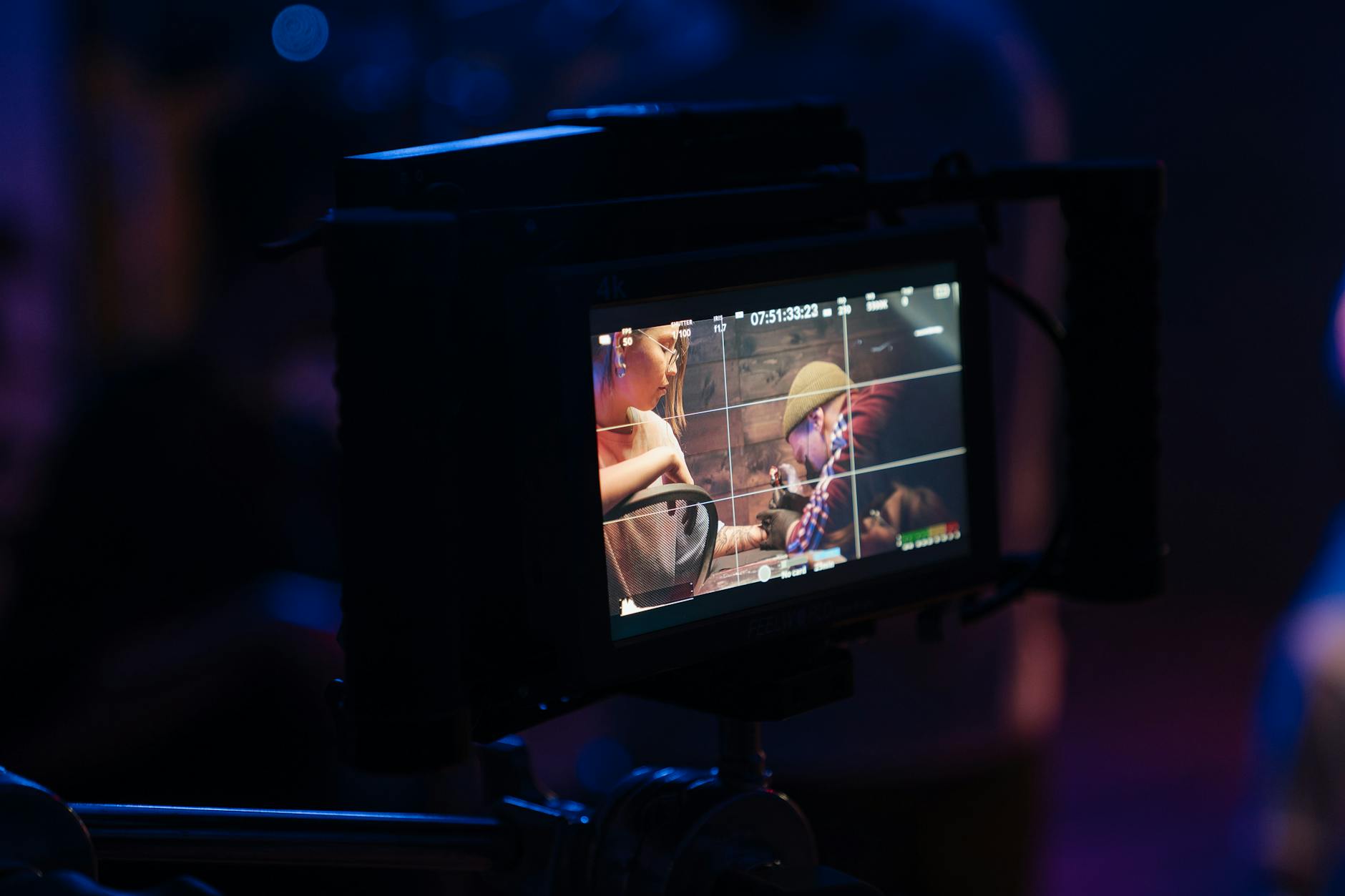
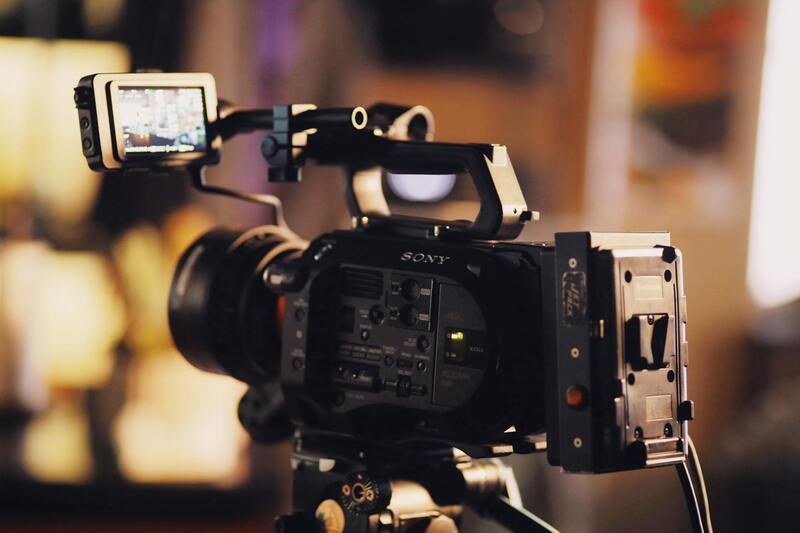
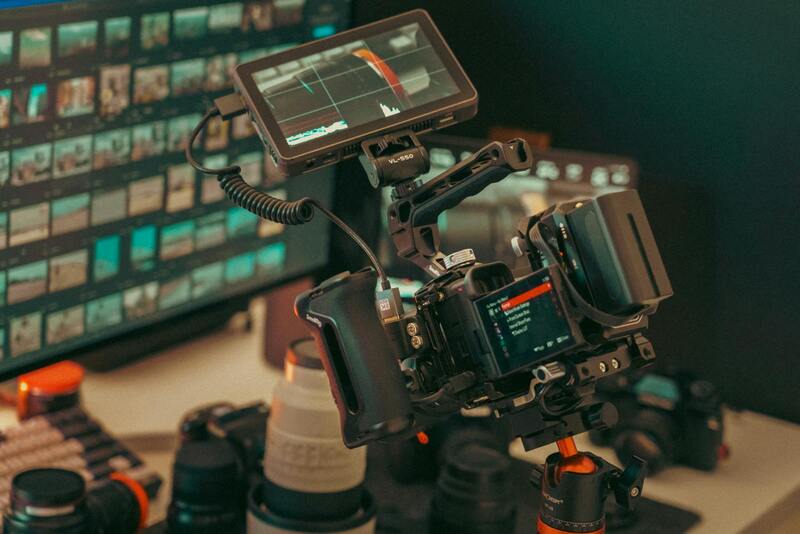
One of the foundational elements of a credible production is the selection of certified equipment and software. Utilizing high-resolution cameras, professional lighting, and industry-standard editing tools forms the backbone of a polished final product. When capturing footage, it is vital to employ techniques that ensure clear audio, appropriate framing, and steady shots—all achieved through equipment that has been reviewed and approved by expert standards.
In the post-production phase, established editing software such as Adobe Premiere Pro, Final Cut Pro, or DaVinci Resolve are commonly used to assemble footage in accordance with industry standards. Such tools offer features for color correction, audio enhancement, and the addition of graphics or animations, all of which should be integrated following approved workflows to maintain quality and consistency.
Moreover, the creation of a corporate video should strictly follow intellectual property laws. This involves securing rights to any third-party content included, such as music, images, or footage. Licensing content through authorized channels ensures that the final video is compliant with copyright regulations and avoids potential legal complications.
When incorporating graphics, animations, or text overlays, it is essential to use licensed templates or custom-created assets. These elements should be crafted or sourced from reputable providers that offer official licenses, reinforcing the authenticity and integrity of the video.
Additionally, following standardized procedures during each phase of production—pre-production planning, filming, editing, and review—helps maintain a consistent quality benchmark. Incorporating quality checks and stakeholder approvals at each stage ensures the completed content aligns with your company's standards and objectives.
In terms of distribution, leveraging official platforms such as your company's website, verified social media accounts, and authorized video hosting services enhances your video's professional image. When sharing your content, it is best practice to optimize video formats and resolutions according to platform specifications, ensuring a high-quality viewing experience for your target audience.
To uphold transparency, it is advisable to document all licensing agreements, content rights, and production procedures. This practice not only affirms the adherence to legitimate practices but also provides a clear record that supports your company's credibility and legal compliance in the creation of corporate videos.
Ensuring a Legally Sound and Authentic Production Workflow
Executing a corporate video with adherence to legitimate procedures involves a series of methodical actions that guarantee not only high-quality content but also compliance with official standards. It begins with comprehensive planning, where detailed scripts, storyboards, and shot lists are developed to align closely with your company's brand identity and messaging objectives. This meticulous groundwork ensures that each element incorporated into the video is purpose-driven and adheres to established industry practices.
During the pre-production stage, it is vital to secure all necessary rights and permissions for all assets used, including music, visual elements, and stock footage. Utilizing assets obtained from reputable sources that provide authorized licenses sustains the integrity of your project and safeguards against potential disputes arising from unverified content. Documentation of all licensing agreements and content rights should be maintained meticulously, creating an auditable trail that affirms compliance and supports your company's credibility.
In the filming and editing phases, adopting standardized procedures helps maintain consistency and professionalism. This includes verifying that all personnel involved operate under official agreements and that any on-camera individuals have provided clear consent, often through signed releases. When incorporating graphics, overlays, or animations, only licensed templates or bespoke assets produced by authorized creators should be used, ensuring that every visual element aligns with licensing stipulations and brand guidelines.
Maintaining transparency throughout the project entails thorough record-keeping of all agreements, source attributions, and approval processes. This diligent documentation not only affirms adherence to official practices but also facilitates smooth coordination during review stages by stakeholders, enabling prompt identification and rectification of any issues. Such an organized approach ensures that the final deliverable not only communicates your core messaging effectively but also stands on a foundation of authenticity and compliance.

Following industry-standard procedures in post-production further endorses the legitimacy of your corporate video. This includes meticulous editing, color correction, and sound mixing to meet professional standards, all while ensuring the final content remains true to your brand voice and objectives. Incorporating stakeholder feedback at dedicated checkpoints guarantees that the deliverable aligns with your company's standards and expectations. When preparing the video for distribution, selecting verified platforms for hosting and sharing traffic—such as your official website or authorized social media channels—helps preserve your company's professional image and reach your target audiences effectively.
Ultimately, a legitimate and responsible approach to producing a corporate video encompasses careful planning, licensing diligence, thorough documentation, and adherence to established industry protocols at every stage. These steps collectively reinforce your company's integrity, foster trust with viewers, and uphold the value of your brand in the digital landscape.
Ensuring Authenticity and Compliance in Corporate Video Production
Creating a corporate video that resonates with viewers and upholds industry standards requires a meticulous approach to authenticity and adherence to established protocols. Precision in planning and execution ensures that the final product aligns with your company's values while complying with relevant regulations governing content creation and distribution. This process begins with thorough documentation of the entire production journey, including approvals, licenses, and unique permissions for specific assets used in the video, such as copyrighted music, graphics, or proprietary footage.
Implementing standardized procedures during the post-production phase further reinforces the integrity of your corporate video. This involves detailed editing workflows, where every element—colors, sounds, and transitions—is carefully crafted to reflect your brand's identity while meeting professional standards. Multiple review stages, involving stakeholders from different departments, facilitate constructive feedback, preventing oversights and ensuring content accuracy. Documenting these approvals not only streamlines the review process but also maintains an audit trail that showcases diligent compliance.
When preparing to distribute your corporate video, it is vital to select verified platforms suited to your industry and brand expectations. Reputable hosting channels, whether your official website or licensed social media platforms, help uphold your company's professional image while reaching your target audiences effectively. Each platform may have specific guidelines concerning content, branding, and metadata, so adhering to these specifications guarantees consistency and legitimacy across all channels.
Furthermore, maintaining compliance involves regularly updating your knowledge of industry standards and evolving best practices. This might include ongoing training for your content creation team on new regulations, copyright laws, or platform-specific policies. Subscribing to official industry publications, participating in professional webinars, and engaging with accredited associations all contribute to your team’s capacity to produce legitimate, high-quality corporate videos that reinforce your company’s reputation and foster trust among viewers.
Ultimately, a disciplined approach anchored in thorough documentation, adherence to industry protocols, and continuous education leads to the creation of authentic, compliant corporate videos. This commitment not only enhances your brand’s credibility but also solidifies your standing as a responsible and transparent organization within your industry landscape.
Ensuring Distribution and Maximum Reach of Your Corporate Video
Distributing a corporate video through official and reputable channels solidifies its authority and ensures your message reaches the intended audience effectively. Choosing the appropriate platforms is essential, especially those that align with your industry standards and uphold your brand's integrity. Hosted videos on your official website serve as a primary hub for visitors seeking credible information about your company, products, or services. Embedding videos on dedicated landing pages allows for targeted messaging and seamless user engagement, while also enhancing SEO performance.
In addition to your website, leveraging licensed social media platforms offers significant advantages. Major social channels such as LinkedIn, YouTube, and Vimeo are widely recognized for their professional reach and detailed analytics capabilities. These platforms allow you to tailor your content to specific audience segments, employing targeted advertising options to extend your video's exposure. When uploading videos, ensuring compliance with each platform’s content guidelines — including specifications on aspect ratio, video length, and branding — preserves your professionalism and bolsters your company's image.

Optimizing Metadata and Video Formatting for Searchability
Effective distribution depends not only on where your videos are hosted but also on how they are optimized to be discoverable. Using accurate and relevant metadata — including targeted keywords, compelling descriptions, and appropriate tags — enhances search engine visibility. This not only improves rankings in search results but also helps your content appear in recommended video sections on platforms like YouTube and social media feeds.
Further, ensuring your videos are formatted correctly is critical. Incorporate closed captions and transcripts to improve accessibility and searchability. Employ high-resolution video formats suitable for various devices and bandwidth conditions to deliver a seamless viewing experience. These technical considerations contribute to a professional presentation that aligns with industry best practices.
Adherence to Industry Standards and Emerging Guidelines
Maintaining consistency with established industry standards involves ongoing education and compliance with evolving practices related to copyright, branding, and digital content management. Staying informed about updates from authoritative industry organizations and participating in relevant webinars or training sessions ensures your team is knowledgeable about current requirements.
Implementing a coherent content governance framework guarantees that your corporate videos adhere to all official guidelines, reflecting your company's commitment to authenticity and responsibility. This includes regularly auditing your content, ensuring that licensing agreements are current, and that any external media used conforms to the standards established for professional digital communication.

Monitoring Performance and Ensuring Compliance
Effective distribution also entails monitoring key engagement metrics such as view counts, shares, comments, and audience retention rates. These indicators provide insights into how well your content resonates with viewers and guide adjustments for future productions. Utilize platform-specific analytics tools to capture detailed user data, enabling a refined targeting strategy and content personalization.
Additionally, maintaining compliance with platform policies, federal regulations, and your company’s internal standards is vital. Regularly review your content to ensure it remains aligned with evolving legal and ethical norms. This proactive approach not only minimizes potential issues but also strengthens your company's reputation for transparency and responsibility.