

Understanding the Purpose of a Corporate Video Proposal
A corporate video proposal is a vital document in the process of securing clients and establishing a professional relationship within the multimedia production industry. It serves as a comprehensive communication tool that clearly outlines the service provider's capabilities, approach, and vision for a specific project. When presenting a corporate video proposal, the goal is to demonstrate how your expertise aligns with the client's objectives, providing reassurance of your professionalism and understanding of their needs.
This proposal functions as an official outline of the scope of work, including detailed descriptions of the video production process, deliverables, timelines, and associated costs. It acts as a roadmap for both parties, setting expectations early on and minimizing misunderstandings that could arise during project execution. As a marketing and sales instrument, a well-crafted proposal not only showcases your creative capabilities but also highlights your reliability, technical proficiency, and commitment to delivering high-quality results.
Furthermore, the proposal underscores your market understanding and attention to detail. It reassures potential clients that their investment will be managed efficiently and that their branding or message will be conveyed effectively through engaging visual content. In highly competitive markets like Miami, where diverse industries seek professional media content, a compelling proposal can differentiate your services from others and position you as an expert equipped to handle complex, dynamic projects.
By detailing your strategic approach to concept creation, scripting, filming, editing, and post-production, a corporate video proposal illustrates your comprehensive service offering. This transparency builds trust, aligns expectations, and provides the client with confidence in your ability to deliver results that meet their objectives. A thoughtfully developed proposal also demonstrates your understanding of current industry standards, technological advancements, and creative trends, reinforcing your suitability for the client's specific project needs.
In essence, a corporate video proposal acts as both a sales pitch and a professional project plan. Its clarity, thoroughness, and presentation quality significantly influence the client’s decision-making process. When tailored appropriately, it opens the door to successful collaborations, repeat business, and the cultivation of long-term professional relationships within the Miami business community and beyond.
Essential Elements for a Well-Crafted Corporate Video Proposal
Creating a comprehensive corporate video proposal requires meticulous attention to detail and strategic inclusion of key components that address the client’s needs while showcasing your expertise. A well-structured proposal not only communicates your understanding of the project but also builds confidence in your capabilities.
- Project Overview: Begin with a clear summary of the project, outlining the primary purpose, target audience, and the key messages to be conveyed. This section sets the foundation for the entire proposal, ensuring alignment from the outset.
- Objectives and Goals: Define specific, measurable objectives that the video aims to achieve. Whether it's brand awareness, product promotion, or internal communication, articulating precise targets informs the creative process and evaluation metrics.
- Creative Approach: Outline the conceptual direction, including stylistic choices, tone, and visual themes. This segment demonstrates your understanding of the client’s brand voice and industry standards, helping to differentiate your proposal from competitors.
- Production Timeline: Provide a detailed schedule covering all phases—from pre-production planning, scripting, and storyboarding to filming, editing, and final delivery. A transparent timeline reassures clients of your organization and capacity to meet deadlines.
- Budget and Resources: Present a clear budget estimate that encompasses all costs, such as equipment, personnel, post-production, and contingencies. Additionally, specify the resources you will allocate, including crew members, technology, and locations.
- Terms and Conditions: Clarify contractual elements like payment schedules, revision policies, usage rights, and cancellation clauses. Well-structured terms streamline the approval process and prevent misunderstandings.

Including supplementary elements can further enhance the proposal’s impact. These include portfolio samples, client testimonials, and case studies that exemplify your previous successes. Leveraging technology—such as proposal software—allows for interactive elements, making it easier for clients to comprehend complex details and provide feedback efficiently.
Ensuring Clarity and Professionalism in Proposal Presentation
The presentation style of your corporate video proposal significantly influences client perceptions. Use a clean, organized layout with visual aids that complement your written content. Incorporate branding elements such as logos, color schemes, and fonts consistent with your client's identity, which demonstrates professionalism and attention to detail.
Make use of visual hierarchies—headers, bullet points, and highlighted sections—to facilitate easy navigation through the proposal. This approach helps busy decision-makers quickly grasp the essential points and fosters a positive impression of your professionalism and organizational skills.
Integrating Client Feedback and Revisions Effectively
Establishing a process for incorporating client input is critical to refining your proposal and ensuring alignment throughout the project lifecycle. Encourage open communication early by clearly stating how revision requests will be handled, including the volume of revisions included and additional costs for extended adjustments.
Utilize collaborative tools or proposal software that allows clients to leave comments directly within the document. This streamlines feedback collection, minimizes misunderstandings, and accelerates the approval process, ultimately leading to a smoother project initiation.
Implementing Secure and Transparent Submission Methods
Once your corporate video proposal is fully developed, the next critical step involves choosing official channels for its submission. Utilizing proven digital platforms that are recognized within the industry ensures that your proposal reaches the intended stakeholders promptly and securely. Cloud-based proposal management systems offer a centralized location for storing, sharing, and tracking your documents, promoting transparency and accountability throughout the review process.
Traditional methods such as encrypted email communication or secure client portals provide additional layers of security, helping to safeguard sensitive project details. When transmitted via these established channels, your proposal remains confidential and protected against unauthorized access. It is essential to confirm that your chosen method complies with best practices for document security, including encryption and secure login procedures.
Documentation and Record-Keeping for Accountability
Maintaining comprehensive records of proposal submissions and communications is pivotal in managing the project lifecycle effectively. Employing dedicated document management systems enables you to log details such as submission dates, version histories, and client feedback. This practice not only fosters clarity but also creates an audit trail that facilitates future reference and accountability.
It is advisable to record acknowledgment receipts from clients or stakeholders, confirming receipt and review. Such records help prevent misunderstandings and serve as evidence of due diligence in the proposal process. Establishing standardized procedures for document handling ensures consistency and professionalism, reinforcing your organization’s commitment to transparency and reliability.
Establishing a Formal Review and Feedback Workflow
An official review process involves designated points of contact who evaluate the proposal based on established criteria. Structuring this workflow within your organization or with client representatives minimizes delays and ensures that every aspect of the proposal is scrutinized thoroughly. Clear communication channels should be set up for providing feedback, requesting revisions, or clarifying details.
Automated notification systems linked to your proposal management platform can streamline this process by alerting relevant parties when a new submission is made or feedback is received. This proactive approach accelerates decision-making, ensuring that the proposal moves seamlessly through review stages. Additionally, formal approval stages should be defined to authorize moving forward with contractual negotiations or project initiation.
Utilizing Approved Templates and Customization Options
Official proposal templates serve as standardized frameworks that uphold quality and consistency across all submissions. These templates should be adaptable to reflect specific project scopes, client branding, and regional preferences. Incorporating customizable sections allows for personalized content while maintaining uniformity in structure and professionalism.
Leveraging these templates enhances efficiency by reducing the time spent on formatting and content organization, thereby allowing you to focus more on the substantive aspects of the proposal. When deploying templates, ensure they are stored securely within your document management system, with access restricted to authorized personnel, preserving integrity and control over the content.
Legal and Contractual Protocols for Submission and Acceptance
Incorporating legally defined clauses and contractual provisions within your proposal framework safeguards all parties’ interests. Using established digital signature platforms ensures that approvals are verifiable and binding, facilitating a smooth transition to formal agreements. These platforms also maintain traceability, recording timestamps and authorization details for each signatory.
Prior to submission, proposals should include clear terms regarding acceptance procedures, timelines, and subsequent steps. Confirming receipt through official acknowledgment processes helps solidify mutual understanding and sets a professional tone for subsequent negotiations.
Employing these official methods for proposal submission, document handling, review workflows, and contractual agreements underscores your commitment to professionalism, trustworthiness, and operational excellence in delivering corporate video projects.
Effective Structuring and Presentation of Proposals
Arranging your corporate video proposal in a clear, logical manner is fundamental to maintaining professionalism and ensuring comprehension. Begin with a compelling executive summary that succinctly captures the core value proposition, setting the stage for the detailed content to follow. Use professional formatting with consistent headings, subheadings, and bullet points to guide the reader through each section seamlessly.
Visual aids such as charts, mock-ups, and sample storyboards enhance clarity and give your clients a tangible sense of the final product. Incorporate high-quality images and video snippets, especially when proposing specific styles, themes, or concepts for the project. These elements not only engage the viewer but also demonstrate your skill and aesthetic sensibilities.

Maintain a professional tone throughout your document, emphasizing your expertise and understanding of client needs. Use concise language, avoid jargon that might confuse non-specialist stakeholders, and ensure each section logically transitions to the next. Incorporate a table of contents for longer proposals, allowing clients to navigate easily to sections of interest or concern.
Another strategic element is emphasizing your unique selling points—what differentiates your video production services from competitors in Miami. Use callout boxes or sidebars to highlight your awards, certifications, or prominent local clients. This not only builds credibility but also accentuates your commitment to excellence within the regional market.
When presenting budget details, offer transparent pricing structures, including breakdowns for pre-production, production, and post-production phases. Use visual tools like infographics to make complex cost information accessible and straightforward. Clearly define each cost element and outline any potential additional expenses to foster trust and prevent misunderstandings.
Finally, conclude with a compelling call to action that guides clients toward the next step—be it scheduling a meeting, signing a contract, or providing feedback. Ensure contact information is prominently displayed and encourage open communication to answer questions or make adjustments as needed. This approach not only reflects professionalism but also demonstrates your dedication to client satisfaction and project success.
Utilizing Clear Formatting and Visuals to Enhance Proposal Presentation
In delivering a compelling corporate video proposal, the structure and visual elements play an essential role in effective communication. Employing clear headings and subheadings guides the client through the document seamlessly, highlighting key sections such as project scope, budget, timeline, and deliverables. Incorporating visuals like mock-up storyboard snippets, sample video frames, or infographics enhances understanding and retention of complex ideas.
Visual aids are particularly impactful when presenting conceptual ideas or production plans. For instance, including a timeline graphic can illustrate the workflow phases, from pre-production planning to post-production editing. Likewise, price breakdown charts foster transparency and aid clients in grasping how costs are allocated across various segments. Ensuring all visual content is high-resolution and professionally formatted reinforces your brand’s credibility and commitment to quality.

Emphasizing Client-Centric Options and Flexibility
Tailoring proposals to meet the unique needs of Miami-based clients involves highlighting adaptable production packages and flexible scheduling options. Presenting tiered service levels—ranging from basic promotional videos to comprehensive corporate branding films—empowers clients to select an option aligned with their budget and goals. Clear descriptions of each package, combined with illustrative examples, facilitate informed decision-making.
Furthermore, proposing customizable add-ons such as drone footage, bilingual narration, or expedited editing options demonstrates responsiveness to specific client ambitions. It also showcases your willingness to collaborate and adapt, fostering stronger client relationships. Explicitly articulating options for revisions, delivery formats, and post-production support reassures clients of your commitment to excellence and their satisfaction.
Developing a Persuasive and Professional Cover Letter
The cover letter section of your corporate video proposal should set a confident, professional tone while emphasizing your understanding of the client’s core objectives. Start with a succinct summary of their needs, followed by an introduction of your team’s expertise and a clear expression of enthusiasm for the project. Use concise language that conveys your confidence in delivering a high-caliber product aligned with their brand image.
Tell a compelling story about your experience working with Miami organizations or in similar industries, underscoring your familiarity with regional nuances. Highlight your competitive advantages—such as award-winning work, innovative storytelling techniques, or cutting-edge equipment—without appearing boastful. Ending with a strong call to action encourages clients to engage further, whether through a scheduled meeting, question submission, or project kickoff planning.
Effective Structuring and Presentation of Proposals
To maximize the impact of a corporate video proposal, meticulous structuring plays a vital role. A well-organized document not only showcases professionalism but also guides clients seamlessly through your offerings and ideas. Begin with a compelling executive summary that encapsulates the project’s core objectives, emphasizing your understanding of the client’s vision and needs tailored specifically to the Miami business landscape. This sets a confident tone and demonstrates your proactive approach.
Follow with a clearly defined project scope, detailing each phase from pre-production planning to post-production delivery. Include information about creative concepts, scripts, storyboarding, filming, editing, and review processes. This transparency alleviates potential concerns and illustrates your comprehensive planning capabilities.

In addition, incorporate a section dedicated to technical specifications and creative methodologies, highlighting innovative approaches and regional considerations relevant to Miami’s vibrant and diverse audience. Use visual aids such as flowcharts, timelines, and sample storyboards to make complex ideas accessible. Including client-specific customization options demonstrates flexibility and attentiveness to unique business goals.
Pricing details should be transparent and segmented, offering clarity on costs associated with various production elements and optional add-ons. Presenting a detailed breakdown fosters trust and assists clients in making informed decisions aligned with their budgets.
Finally, include a section on terms and conditions, revision policies, and estimated delivery schedules. This comprehensive approach minimizes misunderstandings and sets clear expectations. Present your proposal in a polished format using branded templates, high-quality graphics, and concise language that reflects your company’s professionalism.
Effective Structuring and Presentation of Corporate Video Proposals
When crafting a corporate video proposal tailored to Miami clients, the structure and presentation are crucial for establishing professionalism, clarity, and trust. A well-organized proposal facilitates the client's understanding and decision-making process, ensuring that all essential aspects of the project are clearly communicated.
1. Clear and Logical Layout
Begin with a comprehensive cover page that includes your company logo, contact information, and a compelling project title. Follow with a concise executive summary that encapsulates the project's purpose, objectives, and key benefits. This overview should immediately inform the client of your understanding of their needs and your strategic approach.
Divide the proposal into clearly labeled sections such as Project Scope, Creative Approach, Production Timeline, Pricing, and Terms & Conditions. Use consistent formatting, headings, bullet points, and visual cues to guide the reader through the document seamlessly.
2. Incorporate Visual Aids and Examples
Visual elements, such as flowcharts, timelines, sample storyboards, and previous work samples, are instrumental in conveying complex ideas effectively. They not only break up text-heavy sections but also demonstrate your creative capabilities and regional understanding of Miami’s diverse audience.
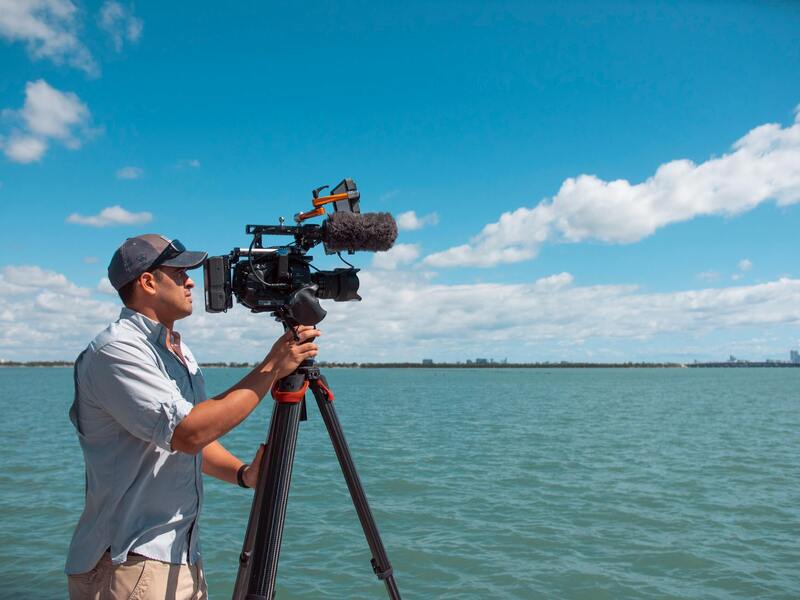
Including imagery of Cambridge’s vibrant urban settings, diverse communities, or specific Miami landmarks illustrates tailoring your content to regional characteristics. Customization options, such as branding integration and cultural resonance, should be clearly highlighted to show flexibility and client-centric service.
3. Detailed and Transparent Project Breakdown
An effective proposal presents a meticulous breakdown of each production phase, from initial concept development and scripting to filming, editing, and final delivery. Providing a timeline with milestones offers transparency and facilitates scheduling alignment.
- Pre-production Planning: Concept development, scripting, planning.
- Production: Filming on location, directing, capturing footage.
- Post-production: Editing, color grading, sound design, client review.
- Delivery & Revisions: Final output, adjustments, and approval cycles.
4. Pricing Clarity and Flexibility
Break down costs by individual production elements, such as equipment, crew, licensing, and post-production. Offer optional add-ons like drone footage or 3D animations with associated costs, allowing clients to customize their packages.
Clear pricing enhances transparency and client trust, especially for Miami-based businesses aiming for budget-conscious solutions without compromising quality. Use tables or bullet points to present these details succinctly.
5. Terms, Conditions, and Expectations
Explicitly state project timelines, revision policies, payment schedules, and delivery formats. Establishing clear expectations minimizes misunderstandings and aligns project goals with client needs. Incorporate clauses related to intellectual property rights, confidentiality, and cancellation policies.
Present this information professionally within a dedicated section, using plain language to ensure accessibility and comprehension for all clients regardless of their familiarity with production terminology.
Finalizing and Presenting Your Corporate Video Proposal Effectively
Once your comprehensive corporate video proposal for a Miami-based client is carefully crafted and meticulously tailored to meet their specific needs, the next crucial phase involves finalizing and delivering it with confidence and professionalism. Effectively presenting your proposal not only reinforces your expertise and dedication but also significantly improves your chances of securing the project. Here are some essential best practices to help you accomplish this goal.
Thorough Review and Customization
Prior to sharing, conduct a meticulous review of your proposal to ensure accuracy and completeness. Confirm that all client-specific details, such as branding elements, project objectives, and budget considerations, are correctly incorporated. Customizing the presentation to resonate with the Miami client’s industry, corporate culture, and target audience demonstrates your understanding of their unique context.
Ensure that your proposal highlights the specific benefits and value propositions tailored to the Miami market, such as discussing regional trends or emphasizing local relevance. This shows the client not only that you comprehend their needs but also that you are committed to aligning your creative vision accordingly.
Clear and Professional Delivery
Deliver your proposal through a professional and accessible format, such as a digital presentation or an interactive PDF. When presenting virtually, opt for a well-structured video conference or screen sharing session where you can guide the client through key sections, answer questions in real time, and clarify any points of uncertainty. For in-person meetings, prepare printed copies to facilitate discussion and engagement.
Supporting Materials and Visual Aids
Enhance your proposal presentation with supporting visuals such as storyboards, sample footage, or previous work snippets. Visual aids help concretize your ideas, demonstrate your creative ability, and provide tangible reassurance of your capabilities. Incorporate testimonials, case studies, or data analytics to substantiate your proposals, particularly emphasizing successes with previous Miami or similar clients.
Engaging Interaction and Feedback
Encourage an interactive dialogue during your proposal presentation. Actively solicit questions, feedback, and suggestions to demonstrate your flexibility and willingness to collaborate. Listening attentively to client concerns allows you to refine your proposal in real-time, ultimately fostering trust and rapport. Incorporate client input where possible to adjust your project scope, timeline, or deliverables, underscoring your commitment to meeting their expectations.
Follow-Up and Documentation
After your presentation, send a follow-up email summarizing the key points discussed, including any agreed-upon modifications or next steps. Attach the finalized proposal document, ensuring all parties have access to a clear, detailed record. This reinforces professionalism and helps prevent misunderstandings moving forward. Maintain organized records of all correspondence and versions of the proposal to streamline future reference and project management.
Using Technology to Streamline the Process
Leverage proposal management tools that facilitate seamless creation, presentation, and signing of your corporate video proposals. Digital signatures expedite agreements and confirm commitment, while cloud-based storage allows clients to review materials at their convenience. Interactive proposal platforms also enable real-time editing and feedback, allowing you to adapt swiftly and efficiently.