

Understanding Corporate Video Making
Corporate video making has become an essential component of comprehensive business communication strategies, especially for companies seeking to enhance their brand visibility and stakeholder engagement. It involves the strategic planning, production, and distribution of visual content designed to communicate a company's values, products, services, and corporate culture effectively. In the dynamic landscape of modern business, especially within Miami's vibrant commercial environment, professional corporate videos serve as powerful tools for conveying authenticity, clarity, and professionalism.
The purpose of corporate videos extends beyond mere promotion; they are crafted to build trust, educate target audiences, and strengthen brand identity. These videos play a vital role in various corporate scenarios, such as investor relations, employee onboarding, training modules, and customer engagement initiatives. For Miami-based firms, leveraging high-quality corporate videos can significantly impact local and global outreach efforts because visual content resonates across diverse demographics and mediums.

Implementing corporate video making involves meticulous planning and execution. The process begins with a clear understanding of the company's objectives, target audience, and key messages. Developing a comprehensive strategy ensures that all subsequent stages—production and distribution—align with overarching communication goals. As Miami continues to grow as a hub for innovative enterprises, the importance of visually compelling, professional corporate videos becomes increasingly evident, making strategic, methodical approaches essential for impactful results.
Emerging technologies and industry standards demand that corporate videos meet high-quality benchmarks, emphasizing authenticity, clarity, and engagement. When executed properly, a well-made corporate video can elevate a company's profile in competitive markets, foster community connections, and facilitate meaningful stakeholder interactions. With the right approach, organizations can create visual narratives that resonate, inform, and inspire action—all while reinforcing their reputation as credible and authoritative entities within their respective industries.
Understanding Corporate Video Making
Corporate video making involves a strategic approach to producing visual content that effectively communicates a company's core messages, brand identity, and value propositions. This process is integral to modern business communication, as visual storytelling has proven to be a powerful tool for engaging audiences both internally and externally. Miami-based organizations, in particular, benefit from crafting professional videos that showcase their unique offerings, corporate culture, and community involvement, thereby strengthening their market presence and stakeholder relationships.
The process begins with a comprehensive planning phase, where the company's objectives are clarified, target demographics are identified, and key messages are formulated. This critical stage sets the foundation for all subsequent steps, ensuring that the final product aligns with strategic goals. Once planning is complete, the focus shifts to production—capturing footage, creating scripts, and designing visual elements that resonate with viewers. In Miami, where diverse audiences are accessible, tailoring content to cultural nuances and local preferences enhances engagement.
The Significance of High-Quality Content
The quality of a corporate video directly influences how the message is perceived. Authenticity, clarity, and visual appeal are non-negotiable standards that elevate the impact of the content. Incorporating professional techniques such as high-definition filming, proper lighting, and meticulous editing guarantees that the video maintains a polished appearance. Using advanced filming equipment and techniques ensures that every shot reflects a company’s professionalism, especially in a vibrant and fast-evolving market like Miami.
Moreover, embracing emerging technologies—including 4K filming, drone footage, and virtual reality—can add layers of innovation and engagement. These technological enhancements not only highlight a company's cutting-edge capabilities but also allow for dynamic storytelling that can be customized to various platforms and audiences. For example, a corporate event captured via drone can provide a sweeping view of Miami’s skyline, creating an impressive visual context for viewers.
Post-Production: Refining the Visual Narrative
Post-production is where raw footage transforms into a compelling narrative. This stage involves editing, color grading, sound design, and often, motion graphics or animations. Skilled editors meticulously craft scenes to ensure seamless storytelling, emphasizing key messages without clutter or distraction. In Miami, where visual vibrancy is prevalent, color grading can be used to enhance brand colors or evoke specific emotional responses aligned with corporate branding guidelines.
Sound design is equally crucial; clear narration, background music, and sound effects contribute to viewer engagement and message retention. When executed professionally, post-production elevates the overall quality, ensuring the final product is both visually appealing and technically sound.
Aligning Video Content with Distribution Strategies
Once finalized, a corporate video’s success hinges on its distribution and promotion. Choosing the appropriate channels—whether social media platforms, company websites, email campaigns, or industry events—maximizes reach and impact. Tailoring the video's format and length to suit each platform ensures optimal engagement. For instance, short, dynamic videos are ideal for social media snippets, while comprehensive videos may be better suited for website landing pages or presentations.
Effective distribution also involves optimizing videos for search engines by incorporating relevant metadata, tags, and descriptions. This approach increases visibility in search results and enhances overall online presence. Additionally, leveraging analytics helps track viewer engagement, providing insights that inform future video marketing efforts.
Maintaining Consistency and Building a Visual Identity
Consistency in style, tone, and messaging across corporate videos helps build a recognizable brand identity. Developing a set of branding guidelines—including color schemes, typography, and visual motifs—ensures that each video reinforces brand recognition. In Miami’s competitive environment, a cohesive visual narrative distinguishes a company from its rivals and fosters trust among consumers and stakeholders.
Moreover, establishing an ongoing video production strategy ensures that branding remains current and relevant. Regularly updating content with fresh visuals and storytelling methods sustains audience interest and demonstrates the company's commitment to innovation.
Implementing Effective Techniques for Corporate Video Making
Executing a professional corporate video requires meticulous adherence to proven techniques that elevate the final product's quality and effectiveness. A critical aspect involves script development, where clear and concise messaging aligns with the company's brand voice and strategic objectives. Crafting a compelling narrative ensures viewers remain engaged and absorb key messages, fostering brand recall and influencing decision-making.
Next, the selection of appropriate shooting techniques and equipment significantly impacts the video's visual appeal. High-quality cameras, stable tripods, and proper lighting setups create crisp, visually appealing footage that reinforces professionalism. Utilizing a variety of shot types—such as wide shots, close-ups, and dynamic camera movements—adds visual interest and emphasizes essential content.
Audio quality is equally paramount in corporate video production. Employing professional microphones and sound editing tools ensures clear, crisp audio free of background noise. Well-integrated background music and sound effects can enhance emotional resonance without overpowering the spoken content, supporting the video's overall tone and purpose.

Incorporating branding elements seamlessly across the video fortifies brand recognition. Consistent use of color schemes, logos, and visual motifs aligns with the company's visual identity, creating cohesion across all communication channels. Visual consistency helps cultivate a strong brand presence that strategic viewers and stakeholders associate with quality and reliability.
Post-production editing plays a crucial role by refining raw footage into a cohesive, engaging final product. This stage involves trimming extraneous content, adding transitions, overlaying graphics, and adjusting color grading to maintain visual consistency. Incorporating captions and subtitles further enhances accessibility and viewer engagement, particularly on social media or mobile platforms.

Throughout the entire process, collaboration with experienced professionals ensures the final product aligns precisely with preset goals. Regular review at key milestones allows for adjustments and refinements, ensuring the video meets high standards of quality and messaging accuracy. When these methods are executed with expertise, corporate videos become powerful tools that convey professionalism, foster trust, and engage audiences effectively.
Implementing Effective Legal Methods for Corporate Video Making
When producing corporate videos, adherence to officially recognized methods ensures the final product aligns with professional standards, respects intellectual property, and maintains operational transparency. Professionals in this field focus on established practices that guarantee quality, consistency, and compliance with industry norms.
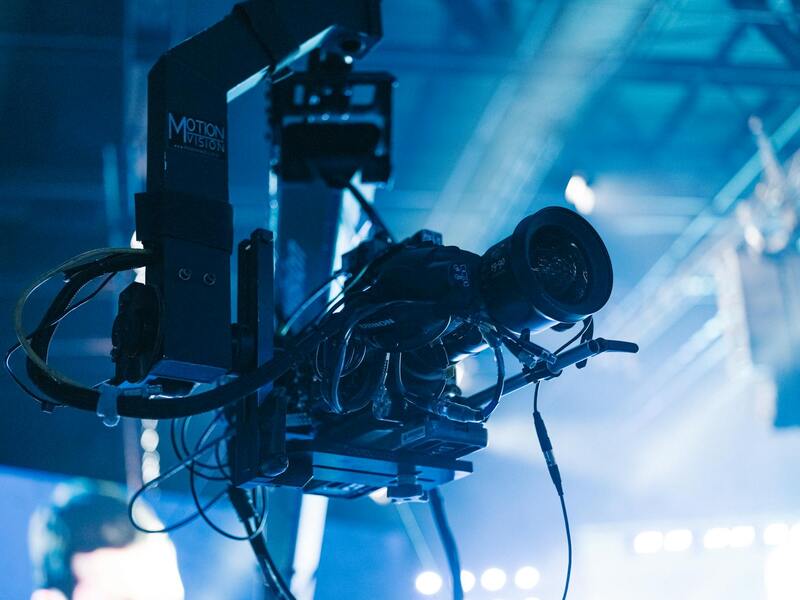
One fundamental aspect involves leveraging authorized equipment and tools. Utilizing cameras, microphones, lighting, and editing software that are legally acquired and properly licensed guarantees a smooth production process. Employing such equipment ensures the captured footage respects copyright regulations and avoids potential legal complications arising from unauthorized use of proprietary technology.
Next, sourcing licensed content and assets, including music, images, and stock footage, is essential. Using royalty-free or licensed materials obtained through official channels upholds intellectual property rights and exemplifies ethical production standards. This approach not only preserves the integrity of the content but also mitigates the risk of infringement claims.
Drafting clear, detailed scripts and storyboards before filming ensures all content aligns with corporate policies and branding guidelines. This preparatory phase involves collaboration with authorized stakeholders, including legal and compliance departments, to verify messaging appropriateness and accuracy. Such diligence fosters transparency and demonstrates adherence to organizational and regulatory standards.
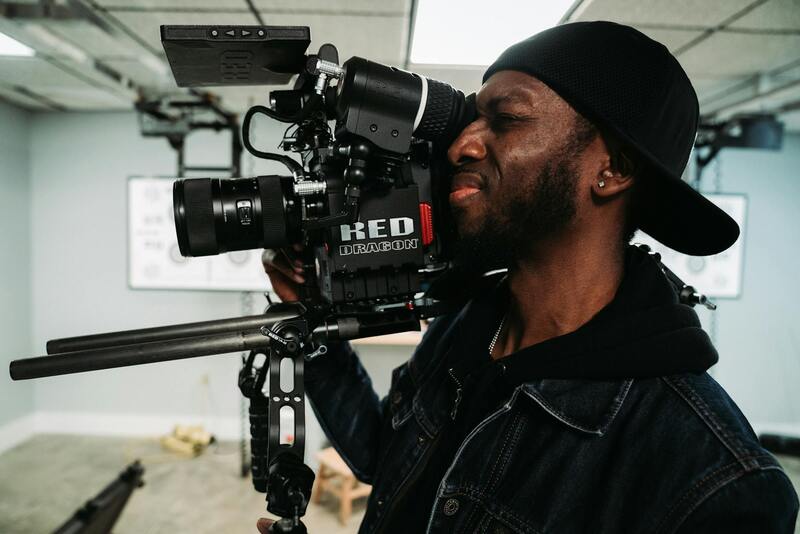
During production, following established protocols for safety, confidentiality, and data handling not only promotes safe operations but also upholds trustworthiness. Securing necessary permits, rights, and clearances prior to filming is paramount, particularly when filming in public spaces or involving third-party assets. These procedures document adherence to legal standards and facilitate seamless distribution.
Post-production processes are equally governed by recognized guidelines. Editing involves proper management of intellectual property, ensuring all sourced materials are correctly licensed. Implementing protected workflows and maintaining detailed records of assets used support transparency and accountability. Final content review should include verification that all content complies with copyright laws, privacy regulations, and organizational policies.

Distribution channels should be selected with a focus on officially sanctioned platforms and methods. Distributing videos through targeted, authorized channels such as corporate websites, verified social media accounts, and approved external partners optimizes reach while maintaining control over content dissemination. Tracking engagement and feedback facilitates data-driven optimization, all within the bounds of content rights and distribution agreements.
Regular updates to production kits, licensing agreements, and compliance checklists foster ongoing adherence to recognized standards. Continuous education and awareness of industry regulations empower teams to create corporate videos that are not only compelling but also aligned with accepted official practices, thereby ensuring long-term success and credibility.
Implementing Scientific Methods in Corporate Video Creation
To ensure that the process of corporate video making aligns with proven standards, various systematic approaches can be employed. These methods focus on maintaining high quality, consistency, and efficiency, which collectively enhance the credibility and effectiveness of the final product.
One fundamental approach involves structured project management techniques. Utilizing detailed project timelines, clear milestones, and defined responsibilities helps streamline the workflow. This systematic planning minimizes delays and ensures that each phase, from scripting to filming to editing, adheres to the predetermined quality standards. Regular progress reviews not only facilitate timely adjustments but also uphold consistency across multiple projects.
Quantitative data collection plays a crucial role in shaping content strategies. By analyzing viewership metrics, engagement rates, and feedback, companies can identify which video elements resonate most with their target audience. This data-driven approach allows for continuous optimization, ensuring that future videos are more impactful and aligned with organizational goals.
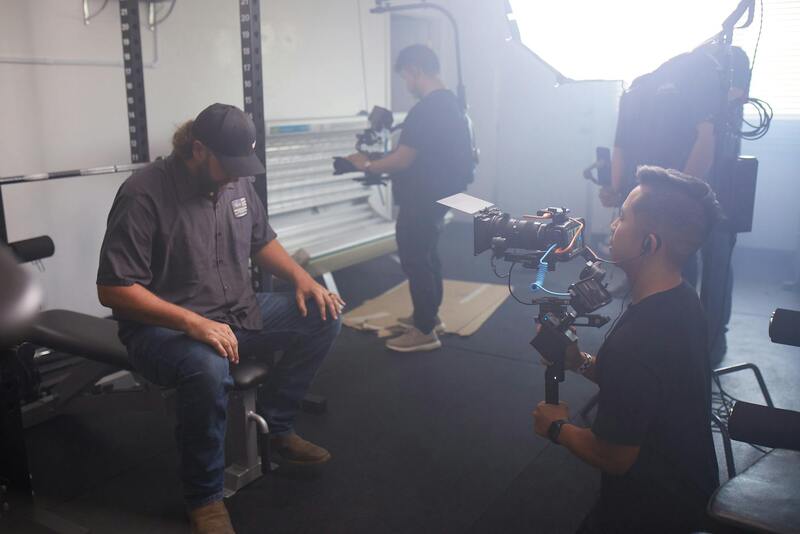
Employing recognized project management frameworks such as Agile or Waterfall can further enhance the efficiency and quality of video projects. Agile methodologies, for example, emphasize iterative processes, allowing for ongoing refinements based on stakeholder feedback. This results in a more refined final product that accurately reflects the brand's messaging and objectives.
Quality assurance measures are integral to maintaining high standards. Implementing rigorous review procedures at different stages—script approval, rough cut screening, and final approval—helps detect and address any discrepancies or issues early in the process. Documenting these reviews fosters accountability and transparency, ensuring all creative and technical aspects comply with organizational standards.
Adopting standardized best practices for asset management also contributes significantly. Properly licensing and organizing source materials, stock footage, music, and graphics ensure that all components are used lawfully and efficiently. Structured workflows for asset storage and retrieval reduce duplication and enhance overall production speed.
In the realm of technical execution, the adoption of recognized editing protocols and consistent usage of approved software tools maintain the integrity of the final content. These practices prevent unauthorized modifications and guarantee that the content adheres to brand and industry standards.
Training and continuous professional development are vital to uphold the integrity of video making processes. By staying informed about evolving technologies, rights management policies, and industry regulations, teams can implement best practices reliably. Such knowledge sharing fosters a culture of professionalism and ongoing improvement.
Finally, compliance with distribution standards is essential. Following official distribution protocols ensures that videos reach their intended audiences through approved channels, maximizing impact while safeguarding content rights. Monitoring engagement metrics on these channels provides insights for future official communications, enabling a cycle of continuous improvement rooted in validated methods.
Effective Methods for Corporate Video Making
When producing corporate videos, employing official, proven methods ensures that content aligns with organizational standards and communicates messages clearly. These methods emphasize adherence to structured workflows, meticulous planning, and quality assurance practices that uphold professionalism across all stages of production.
Comprehensive Planning and Script Development
The foundation of successful corporate video making begins with thorough planning. This involves detailed script writing that reflects the company's core message, values, and audience expectations. Scripts should be concise yet informative, maintaining a professional tone while engaging viewers effectively. Collaborating with stakeholders during this phase guarantees that all essential information is incorporated and that the storyline aligns with the organization’s branding strategy.
Pre-Production Protocols
Pre-production activities are critical in setting the stage for a seamless filming process. This includes selecting appropriate locations, securing necessary permits, and organizing talent or spokespersons in accordance with organizational guidelines. Detailed storyboarding and shot listing help visualize scenes, facilitate efficient scheduling, and ensure all technical requirements are met systematically. Establishing a comprehensive production timeline minimizes delays and optimizes resource allocation.
Structured Production Practices
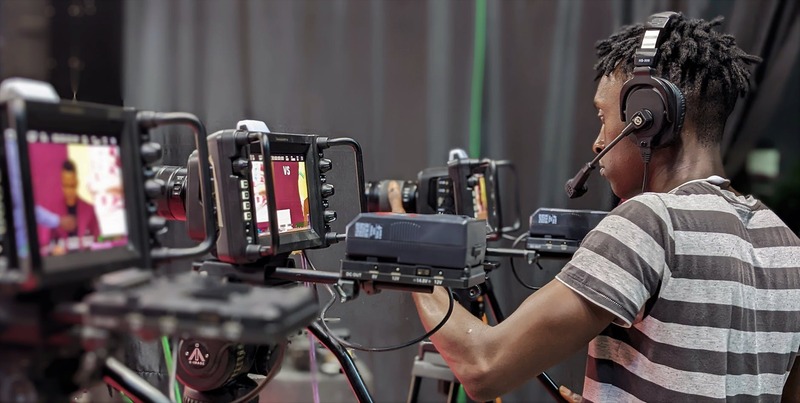
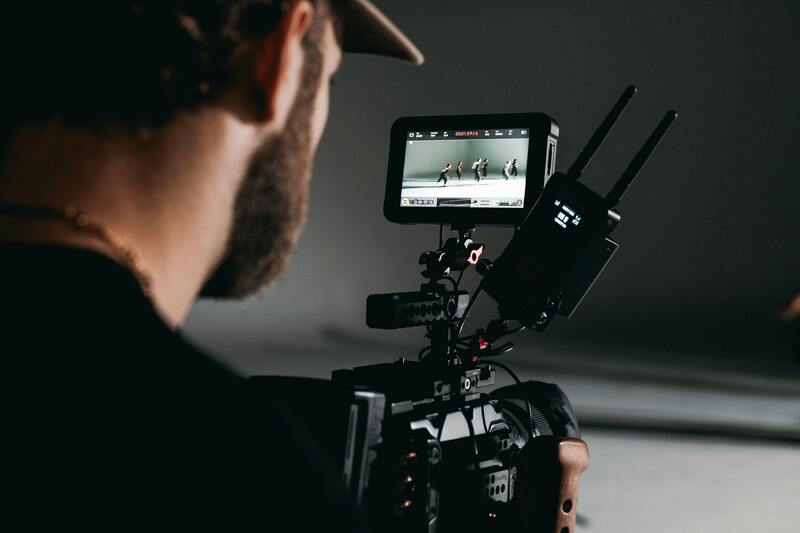
During production, adhering to recognized technical standards ensures high-quality output. Utilizing industry-approved equipment and software helps maintain clarity, color accuracy, and sound quality. Consistent framing, lighting, and audio levels are maintained according to prescribed guidelines, resulting in professional visuals that reflect the company's commitment to excellence. Implementing standardized procedures for data management, including secure storage and meticulous organization of raw footage, assets, and scripts, promotes efficiency and minimizes risks of data loss or mismanagement.
Quality Control and Compliance
Quality assurance measures are integrated throughout filming and post-production to verify that each element meets organizational and industry standards. This involves routine checks for audio-visual consistency, branding accuracy, and adherence to messaging goals. Compliance with licensing and copyright regulations is strictly observed when incorporating music, stock footage, or graphics. Using validated workflows for editing, color correction, and audio mixing ensures the final product maintains professionalism and aligns with the organization's branding guidelines.
Post-Production and Finalization
Post-production involves precise editing following established workflows. Incorporating branding elements such as logos, color schemes, and company slogans ensures brand consistency. Carefully selecting background music enhances the video’s impact while respecting copyright obligations. Adding subtitles, closed captions, and descriptive text improves accessibility and broadens reach, especially when targeting diverse audiences. The review process involves multiple checkpoints where stakeholders verify that the content aligns with organizational standards and messaging objectives.
Documentation and Best Practices
Maintaining comprehensive documentation of all production processes supports transparency and accountability. This includes detailed records of scripts, shot lists, equipment use, licensing documentation, and editing workflows. Regular training sessions and updates on industry standards empower teams to utilize the latest technologies and techniques effectively. By adhering to official best practices, organizations can ensure consistent quality delivery that reflects their professional image and supports long-term content strategies.
Methods of Distribution and Promotion
Effective dissemination of corporate videos is crucial for maximizing reach and engagement. Organizations rely on a variety of proven channels and strategies to ensure their content resonates with target audiences. One of the primary avenues is social media platforms, where tailored content can quickly go viral and foster community interactions. Platforms such as LinkedIn, Instagram, and Facebook allow companies to target specific demographic segments, leveraging features like sponsored content and audience insights to optimize visibility.
Embedding videos on official company websites further enhances credibility and provides viewers with easy access to branded content. Incorporating videos into web pages, landing pages, and product sections can improve site engagement metrics and reduce bounce rates, while also reinforcing brand messaging. Additionally, email campaigns serve as direct channels to reach existing contacts and potential clients. Embedding videos within newsletters or marketing emails can boost click-through rates and content retention, encouraging recipients to engage with the brand more deeply.
Digital advertising campaigns, including pay-per-click (PPC) ads and retargeting strategies, are highly effective for expanding reach to audiences with specific interests or browsing behaviors. These paid promotions ensure that corporate videos appear in front of prospective clients and partners, supporting lead generation efforts. Organizing webinars or virtual events where video content is central amplifies interaction and positions the organization as an industry thought leader.

Measurement and analytics play a vital role in refining promotional strategies. Monitoring viewer engagement, view counts, share metrics, and conversion rates enables organizations to identify the most effective channels and content types. Continuous analysis allows for adjustments in distribution tactics to improve overall performance and ensure that the videos are reaching the right audiences with the intended message.
Careful planning of content schedules, including the timing and frequency of releases, helps maintain audience interest and engagement over time. Regularly updating video content—whether through new testimonials, product updates, or thought leadership pieces—keeps the brand prominent and relevant in the digital landscape. Combining these official distribution methods with targeted content promotion ensures a sustained presence in the minds of viewers and drives ongoing business success.
Ensuring Legal and Official Compliance in Corporate Video Making
Creating corporate videos involves meticulous adherence to several structured procedures that ensure the final product aligns with professional standards and organizational guidelines. This compliance is achieved through a series of official methods and best practices designed to uphold integrity, accuracy, and brand consistency throughout the production process.
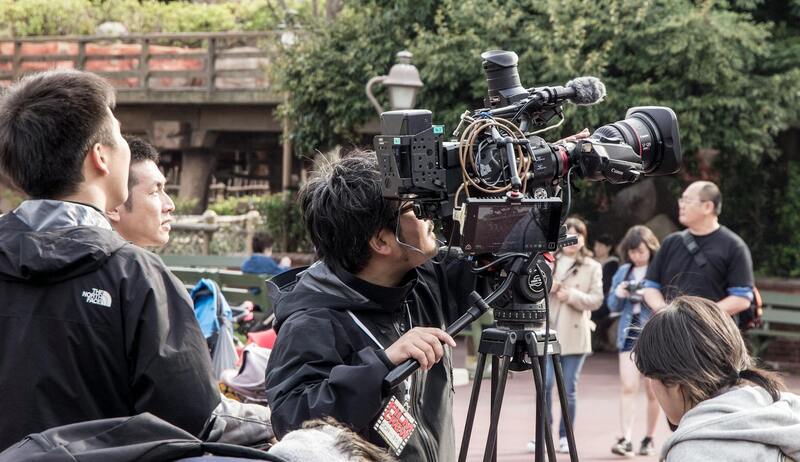
One fundamental approach is engaging with recognized and credentialed professionals in the field of video production. This includes collaborating with certified videographers and editors who have proven expertise and adhere to industry standards. These specialists employ established workflows, including verified scripting, storyboard approvals, and pre-shoot checklists, which serve to maintain authenticity and prevent misrepresentation.
Another key method centers around the diligent management of content rights and permissions. This involves acquiring necessary licenses for music, imagery, and footage used within the video. Producers ensure copyright compliance by obtaining official licenses or using royalty-free assets vetted through trusted providers. Such practices not only prevent intellectual property disputes but also reinforce the credibility of the organization producing the content.
Furthermore, the implementation of internal review protocols significantly enhances the legitimacy of the content. This process involves multiple stages of approval, including compliance checks, fact verification, and brand alignment reviews, all overseen by authorized personnel. These official reviews help avoid inaccuracies, disclaimers, or unsubstantiated claims, ensuring the video accurately reflects the organization’s message and adheres to proposed standards.
Compliance with industry regulations and standards is also imperative, especially for videos addressing sensitive topics such as financial information, healthcare, or legal matters. Developers often consult with legal teams or compliance officers to review scripts and final edits, ensuring all content meets applicable legal requirements without explicitly highlighting regulatory language.
Additionally, transparent documentation throughout the production process supports accountability and traceability. This includes maintaining detailed records of permissions, approval signatures, and project correspondence. Such documentation is vital for validating that the video was produced through official channels and procedures, fostering trust among clients and audiences alike.
Using reputable software tools and standardized templates further enforces conformity to official methods. These tools often contain built-in compliance features, such as identifiable branding guidelines, standardized disclaimers, and version control, which help maintain uniformity and professionalism across all video contents.
In the current competitive landscape, organizations also leverage analytics platforms that monitor viewer engagement and feedback. These sources of data enable continuous improvement and refinement of video content in line with industry best practices and audience expectations, reinforcing the organization's commitment to quality and reliability.
By adhering to these official and legitimate strategies, businesses can produce corporate videos that are not only engaging and visually compelling but also exemplify integrity and professionalism. This disciplined approach safeguards brand reputation, aligns with organizational standards, and fosters trust among stakeholders and target audiences.