

Understanding Corporate Video Content
Corporate video content has become an integral component of modern business communication and marketing strategies. Defined as professionally produced videos that convey a company's messages, culture, products, or services, this form of content serves multiple purposes ranging from brand awareness to employee engagement. In the highly competitive Miami market, the strategic use of corporate videos can significantly enhance a company's visibility and reputation among local audiences and prospective clients. Miami’s diverse and vibrant business environment demands compelling visual storytelling to stand out in a crowded marketplace. Corporate videos provide a dynamic way to showcase a company's unique value proposition, establish credibility, and foster trust with target audiences. They serve as versatile tools that can be integrated across various platforms, including websites, social media, trade shows, and internal communications. The importance of corporate video content extends beyond mere promotional use. It can effectively demonstrate complex concepts, demonstrate product functionalities, or narrate the company's history and mission. As consumers increasingly prefer visual content over textual information, engaging videos can boost engagement rates and drive conversions. Producing impactful corporate videos involves meticulous planning, creative execution, and strategic distribution. An well-crafted video not only communicates key messages but also reflects the company's brand personality and values, leaving a lasting impression that can influence purchasing decisions and foster loyalty. In a competitive Miami landscape, the ability to produce high-quality corporate videos that resonate with local and global audiences translates into a considerable advantage. Leveraging professional expertise in video production ensures that content aligns with business objectives, adheres to branding guidelines, and optimizes viewer engagement. Furthermore, regular updates to corporate content maintain relevance and demonstrate ongoing commitment to the company’s growth and innovation. Whether through highlighting successful projects, sharing client testimonials, or broadcasting corporate social responsibility initiatives, targeted corporate videos serve as powerful communication tools that can elevate a company's market positioning. Overall, corporate video content is a vital element of a comprehensive marketing approach. When executed properly, it amplifies messaging, humanizes the brand, and delivers measurable results through increased visibility and engagement within Miami’s competitive business environment.
Implementing Official Methods for Corporate Video Content Production in Miami
In the vibrant Miami business landscape, ensuring the production of corporate videos aligns with industry standards and official guidelines is paramount. Businesses looking to develop professional and impactful content should prioritize adherence to recognized protocols and established best practices. This involves a multifaceted approach that includes precise pre-production planning, adherence to quality benchmarks during filming, and compliance with post-production standards.

Pre-Production: Strategic Planning and Official Documentation
The journey toward a compliant corporate video begins well before filming commences. Effective pre-production involves thorough planning, including detailed project proposals, scripting, obtaining necessary permits, and securing intellectual property rights. For Miami-based productions, securing city permits ensures that filming activities conform to local regulations, especially when utilizing public spaces or iconic landmarks.
Documentation such as scripts, storyboards, shot lists, and production schedules should be meticulously prepared and stored in official records. These documents serve as vital references throughout production, ensuring all activities align with approved plans and industry standards.
Production: Maintaining Standards During Filming
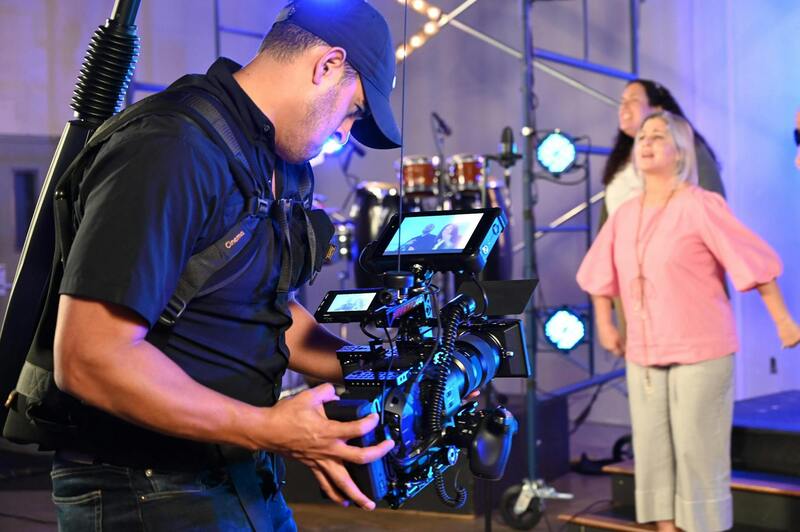
During filming, adhering to professional standards is critical. This includes employing certified equipment, following safety protocols, and maintaining a controlled environment that respects intellectual property and privacy rights. Using licensed music, stock footage, and visual assets is essential; these elements must come from legitimate vendors and be properly licensed for commercial use.
For Miami projects, respecting local protocols such as noise ordinances and restricted filming hours helps avoid violations and potential legal issues. Employing trained personnel familiar with these official procedures ensures smooth operations and compliance throughout the filming process.
Post-Production: Certifying and Documenting Final Content
The final stages of corporate video creation involve editing, color correction, sound mixing, and graphic incorporation—all under strict adherence to recognized quality benchmarks. All media assets should be properly licensed and documented, with clear records of sources and permissions.
Quality assurance processes, including peer reviews and approval workflows, must be documented and stored as part of official records. Producing multiple copies in secure formats and maintaining backup copies in accordance with data management standards safeguard the content’s integrity.
Official Distribution and Archival Practices
Distribution channels for corporate videos should follow platform-specific guidelines, especially when hosting on business websites, social media platforms, or internal networks. Ensuring compliance with platform policies and data privacy regulations guarantees responsible dissemination of content.
Archiving the final versions, along with all related documentation, in secure, accessible repositories is crucial for future reference, audits, or updates. Proper archival practices support transparency and operational continuity within the company’s content management framework.
Utilizing official methods throughout the entire lifecycle of corporate video content not only guarantees regulatory compliance but also enhances brand credibility. Miami businesses that implement standardized procedures demonstrate professionalism, foster stakeholder trust, and safeguard their content against potential disputes.
Official Methods for Content Verification and Compliance
Ensuring that corporate video content aligns with established standards involves implementing meticulous verification processes. These procedures typically start with thorough script reviews conducted by authorized personnel to confirm factual accuracy, adherence to brand messaging, and appropriateness for the target audience. Once scripts are finalized, the filming process follows strict protocols to guarantee that all visual and verbal elements comply with company policies and industry guidelines.
During production, it is vital to document all sources of media assets, including footage, graphics, and music. This documentation ensures transparency and facilitates smooth licensing management. For instance, when integrating stock footage or licensed images, official licenses or permissions should be obtained and archived in accessible repositories. This practice not only upholds compliance but also streamlines audits and future updates.
Following production, the editing phase involves multiple levels of review. Peer reviews and supervisory approvals must be documented within official workflows, ensuring that every version of the video undergoes validation before dissemination. Once approved, final deliverables should be prepared in secure, standardized formats, with backup copies stored in centralized repositories to prevent data loss.
Secure Distribution and Archiving Practices
Effective distribution of corporate videos must follow platform-specific guidelines and incorporate verified access controls. Whether the content is hosted on an intranet, social media, or embedded within a corporate website, each channel’s requirements should be addressed to prevent unauthorized access or distribution. Implementing secure login protocols and encryption when necessary guarantees content safety and appropriate visibility.
Simultaneously, maintaining a comprehensive archive of all finalized videos and related documentation is crucial. Digital asset management systems should categorize content systematically, tagging each asset with metadata such as creation date, version number, licensing details, and distribution channels. This structured approach facilitates easy retrieval, audits, and future repurposing, thereby supporting ongoing brand consistency and operational efficiency.
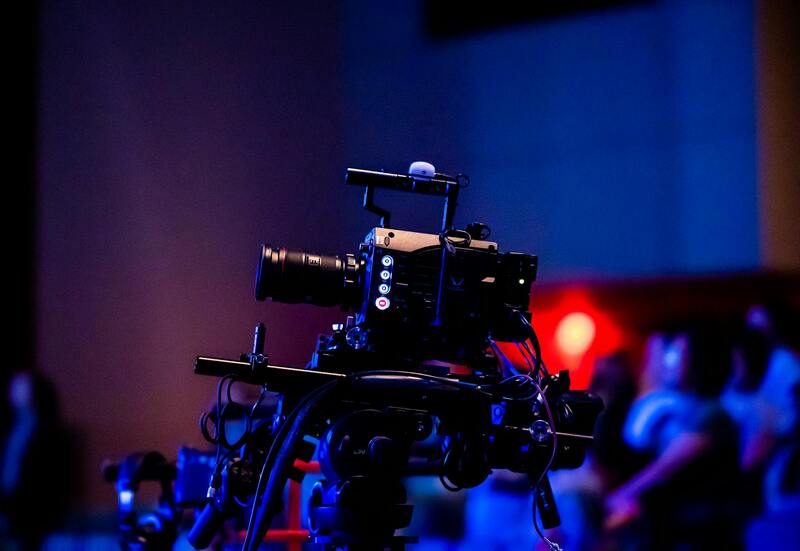
Implementing this entire legal and compliance framework demonstrates a commitment to professionalism and accountability. It reassures stakeholders and clients that content production respects established rules and industry standards, thereby reinforcing the company’s reputation for quality and integrity.
Ensuring Authenticity and Credibility in Corporate Video Content
Creating credible corporate videos requires adherence to proven methods of content verification and validation. It begins with sourcing accurate, up-to-date information from reputable internal departments and subject matter experts within the organization. Incorporating authentic testimonials, data-driven storytelling, and transparent visuals enhances the credibility of the message conveyed. When producing videos that showcase company achievements, products, or services, it's essential to cross-verify facts and figures through official records and verified sources. This approach not only mitigates misinformation but also fosters trust among viewers, stakeholders, and potential clients.
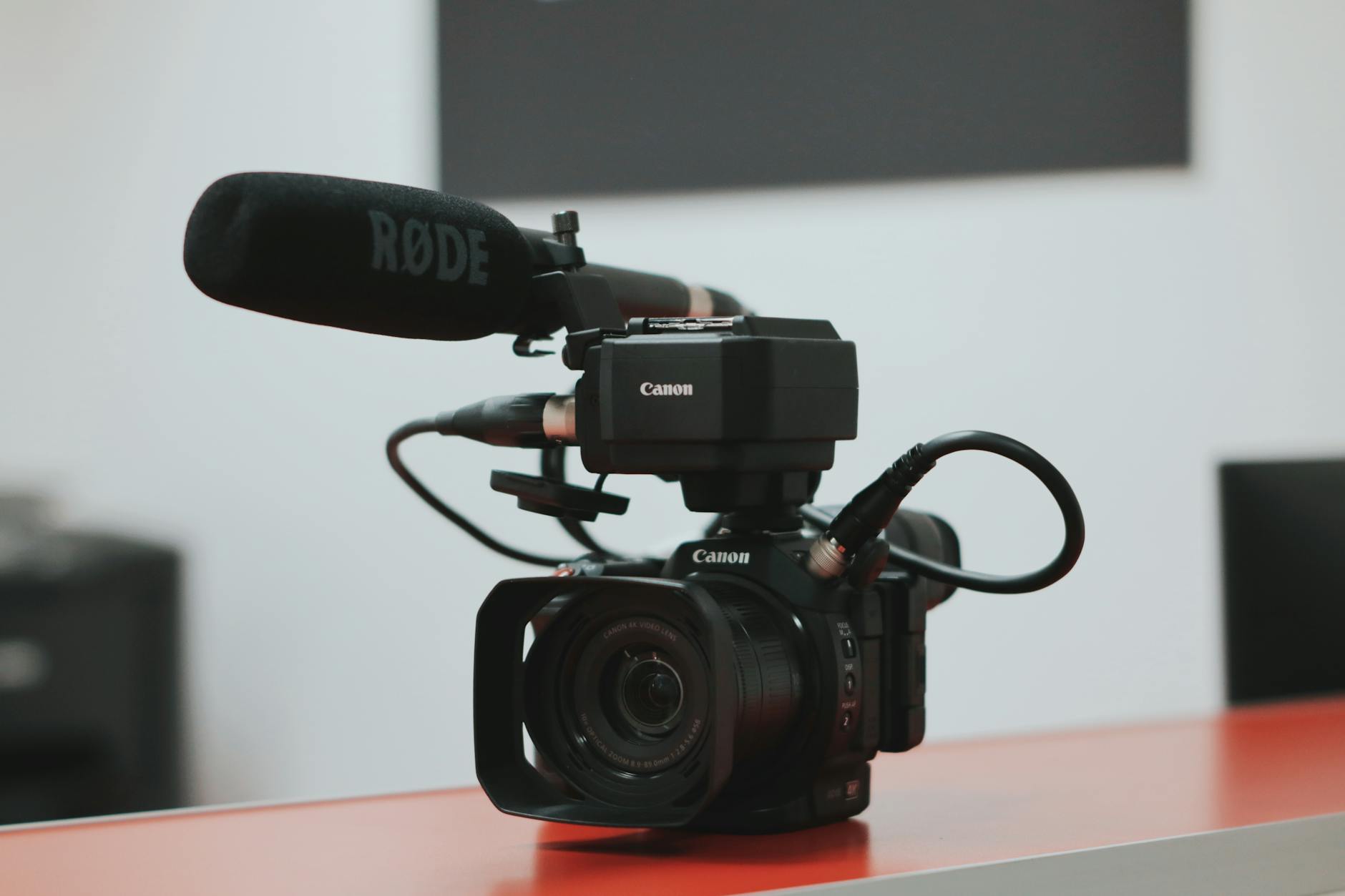
Another critical aspect is the use of professional voiceovers, high-quality visuals, and consistent branding elements that resonate with the company's identity. Employing skilled videographers, editors, and motion graphic artists ensures that the production meets industry standards. Cost-effective, yet legitimate, production techniques include utilizing in-house equipment with proper calibration or contracting established production agencies known for accuracy and professionalism. Avoiding reliance on unverified stock footage or unchecked external sources safeguards the integrity of the content and maintains compliance with industry guidelines.
In addition, corporate videos should incorporate comprehensive captions, transcripts, and metadata to improve accessibility and search engine optimization. These elements serve as validation points, providing additional context and clarity for the audience. Properly structured videos that include verifiable information and transparent presentation techniques reinforce a company's authority and reputation in their field.
Implementing Secure Content Distribution Methods
Disseminating corporate videos through secure channels is fundamental to preserving content integrity and control. Utilizing enterprise-grade digital rights management (DRM) solutions, encrypted streaming protocols, and secure authentication measures ensures that sensitive or proprietary information remains protected. Content should be hosted on reputable platforms that support access controls, such as password-restricted portals, intranet sites, or secure cloud services. This approach minimizes unauthorized sharing or duplication, maintaining the exclusivity and confidentiality of the content.

Verified access controls, like multi-factor authentication and role-based permissions, further enhance security. When distributing corporate content across various platforms, adhering to each platform’s security guidelines and embedding verification tags or watermarks can deter misuse and establish content authenticity. Additionally, tracking viewer engagement through analytics enables organizations to monitor distribution efficacy and ensure that the right audience accesses the material. These measures collectively promote responsible handling and dissemination of corporate video content.
Archiving plays a crucial role in maintaining a credible content library. Digital asset management (DAM) systems should be designed to categorize videos systematically by project, date, and purpose. Features like metadata tagging with details about content origin, licensing, and distribution rights facilitate easy retrieval and verification in the future. Implementing strict version control and audit logs ensures transparency and accountability, fostering institutional trustworthiness. Proper archival practices not only support compliance but also enable efficient updates and repurposing of content, reinforcing the company’s commitment to accuracy and reliability in their corporate messaging.
Understanding Corporate Video Content
Corporate video content plays a pivotal role in the internal and external communication strategies of modern organizations. It encompasses a wide array of video styles and formats designed to convey company values, showcase products or services, and engage stakeholders effectively. Well-crafted corporate videos serve as dynamic tools to enhance brand recognition, foster employee engagement, and attract potential clients or investors. Creating impactful corporate videos requires a precise understanding of the company's objectives, target audience, and message delivery, ensuring that each piece aligns seamlessly with overarching business goals.
Key Components of High-Quality Corporate Video Content
- Clear Messaging: The core message should be concise, relevant, and tailored to resonate with the intended audience, whether they are clients, investors, or employees.
- Professional Production Standards: High-quality visuals, crisp audio, and smooth editing contribute to credibility and audience trust.
- Authenticity and Brand Alignment: The tone, style, and content must reflect the company's identity, values, and culture.
- Engagement and Emotional Impact: Incorporating storytelling techniques and compelling visuals can evoke emotional responses that reinforce the message.
- Call-to-Action (CTA): Effective videos guide viewers towards desired actions, whether it's visiting a website, making contact, or participating in an event.
Ensuring Legitimacy Through Proven Methods
Implementing official and reputable methods in the development and distribution of corporate video content guarantees integrity and authenticity. This involves following established production standards, utilizing certified equipment, and adhering to industry best practices throughout the process. Employing verified approval workflows ensures that each piece of content undergoes comprehensive review, maintaining accuracy and consistency. Additionally, maintaining transparent documentation of the production process and licensing agreements reinforces the content's credibility.

Distribution channels also play a significant role in legitimizing corporate videos. Utilizing official platforms such as the company's verified website, secure hosting services, and branded social media profiles ensures content reaches the intended audience while safeguarding against unauthorized access. Watermarking and embedded verification tags can serve as visual markers of authenticity, discouraging misuse and unauthorized alterations. Regular analytics tracking and viewer engagement metrics help organizations monitor the reach and impact of their videos, allowing adjustments to strategies for optimal efficacy.
Best Practices for Maintaining Content Integrity
- Secure Content Storage: Store videos in encrypted digital repositories with role-based access controls, preventing unauthorized downloads or sharing.
- Consistent Version Control: Implement systematic versioning protocols to avoid confusion and ensure the latest content is always in circulation.
- Clear Licensing and Usage Rights: Document licensing agreements and usage rights comprehensively to prevent misappropriation.
- Regular Audits and Updates: Conduct periodic reviews of existing content to update outdated information and confirm ongoing compliance with branding standards.
- Verification and Authentication Measures: Embed digital signatures or watermarks that authenticate the content’s origin and integrity.
These approaches not only uphold the quality and authenticity of corporate video content but also enhance the organization’s reputation by demonstrating commitment to transparency and professionalism. Employing official channels and methods fortifies the trustworthiness of the company's visual communications, ensuring that all stakeholders receive genuine and impactful messaging.
Understanding Corporate Video Content
Corporate video content plays a pivotal role in shaping a company's internal and external communications. It serves as a dynamic tool to convey brand messages, showcase services and products, and engage with target audiences through visual storytelling. When produced and deployed correctly, corporate videos enhance brand recognition, foster trust, and reinforce the company's professional image. These videos often encompass a wide range of objectives, from training employees and onboarding new staff to marketing campaigns and investor relations, making them an indispensable component of a comprehensive communication strategy.

Legitimate Methods of Creating Corporate Video Content
Ensuring the authenticity and integrity of corporate video content involves adhering strictly to established practices that promote transparency and reliability. These methods include:
- In-house Production: Many organizations opt to create corporate videos internally using dedicated teams equipped with professional-grade equipment. This approach allows for greater control over the content, messaging, and timing, ensuring that the video remains aligned with the company's core values and branding standards.
- Engaging Certified Professionals: Collaborating with reputable videographers, production agencies, and post-production specialists guarantees quality, consistency, and compliance with industry standards. These professionals bring expertise in scripting, filming, editing, and distribution, which is critical for maintaining content credibility.
- Utilizing Approved Content Libraries: Incorporating footage from verified sources or stock media that have clear licensing agreements ensures that all visual elements are legitimate and appropriately authorized for commercial use.
- Digital Asset Management Systems: Implementing secure repositories for storing original footage, project files, and final versions helps prevent unauthorized access, duplication, or modification of corporate videos. Role-based access controls and encryption further enhance content security.
- Authentic Testimonials and Interviews: Featuring genuine employees, clients, or stakeholders in videos adds credibility. All interviews and testimonials should be sourced with proper release forms and consent, maintaining transparency about content origins.
Documented Licensing and Usage Rights
Clear documentation of licensing agreements and usage rights is fundamental to legal and responsible content creation. This includes maintaining records of licensing terms for stock footage, music, and third-party assets incorporated into corporate videos. Proper attribution and adherence to licensing restrictions uphold the content’s legitimacy and prevent potential disputes or misappropriation claims. Furthermore, establishing internal protocols for tracking licensing expiration dates and renewal requirements ensures ongoing compliance and availability of content for future use.
Content Verification and Integrity Checks
Regular verification practices reinforce content authenticity. Digital signatures and watermarks embedded within videos serve as verification markers, allowing organizations to confirm the origin and unaltered state of their footage. Conducting periodic audits of video assets ensures that stored content remains current and unmodified. When updates or revisions are necessary, version control protocols document changes and preserve original files, thereby maintaining a transparent creation history. These measures foster trust with stakeholders and demonstrate the organization’s commitment to accurate and reliable communication.
Secure Storage and Access Control
Secure storage solutions that enforce role-based access are paramount for protecting corporate video content. Encryption safeguards data against unauthorized viewing or downloads, especially when handling sensitive or proprietary information. Limiting access to authorized personnel minimizes risks of leaks, misuse, or intentional tampering. Utilizing cloud-based secure repositories with detailed access logs further enhances control and accountability, ensuring that content sharing and distribution follow approved channels.
Conclusion
Adopting official and responsible methods of corporate video content creation and management significantly boosts a company’s credibility. Transparent licensing, secure storage, verification measures, and professional collaborations collectively uphold content authenticity. These practices not only protect the organization’s brand integrity but also promote an environment of trust and accountability, reinforcing the company's reputation across all stakeholder interactions.
Understanding Corporate Video Content
Corporate video content is a powerful tool used by organizations to communicate their message effectively, build brand identity, and engage their target audience. This content type encompasses a variety of formats tailored to specific objectives—whether to inform, educate, promote, or inspire stakeholders. By leveraging high-quality visuals, compelling storytelling, and strategic messaging, corporate videos serve as a direct channel to convey complex concepts with clarity and impact, far exceeding traditional text-based communication methods.
Legal and Ethical Standards in Corporate Video Content
Adhering to recommended industry standards, organizations must ensure that their corporate videos are produced and distributed following established protocols that uphold authenticity and transparency. This involves employing verified footage obtained through official sources or original shoots, avoiding unauthorized or unverified content. Proper licensing and adherence to intellectual property rights are critical to prevent disputes and maintain credibility with stakeholders. Additionally, organizations should maintain accurate documentation of all content rights and permissions, ensuring that every element within the video aligns with ethical guidelines and organizational policies.

Official Methods for Certification and Validation
To reinforce the integrity of corporate video content, companies often utilize certification processes that authenticate the source and quality of their footage. These include certifications from third-party auditors, adherence to industry-specific standards such as ISO, and compliance with digital watermarking techniques that verify authenticity. Such measures serve to protect against unauthorized alterations and ensure that viewers receive factual and reliable information. Implementing version control systems also helps differentiate original material from edited or revised versions, maintaining a transparent creation record that fosters stakeholder confidence.
Storage Solutions and Content Security
Secure storage plays a vital role in safeguarding corporate video assets. Utilizing encrypted storage solutions with role-based access controls mitigates risks associated with unauthorized viewing or distribution. Cloud-based repositories with detailed access logs enable organizations to monitor who accesses what content and when, fostering accountability and transparency. Regular audits of stored media ensure that files remain unaltered and current. Encrypted transfer protocols further secure content during sharing or distribution, maintaining content integrity and trustworthiness throughout the entire lifecycle.
Trust and Credibility Through Responsible Practices
By adopting official, secure, and well-documented methods for video creation and management, organizations reinforce their reputation for integrity and professionalism. Transparent licensing, rigorous verification, secure storage, and controlled access not only protect valuable assets but also demonstrate a commitment to honest communication. Stakeholders increasingly value brands that prioritize ethical practices, recognizing that such diligence enhances credibility and sustains long-term relationships. Moreover, these practices establish a clear framework for content handling, which is essential for consistent brand representation across multiple channels.

Ensuring Authenticity and Ethical Standards in Corporate Video Content
Maintaining authenticity in corporate video content is essential for building lasting stakeholder trust and fostering a transparent brand image. Organizations committed to ethical representation prioritize accurate portrayals of their products, services, and corporate culture. This includes verifying the authenticity of all visual elements, ensuring that testimonials and endorsements are genuine, and avoiding manipulative editing techniques that could distort the message. Implementing strict verification protocols during content development guarantees that all material aligns with the company's true capabilities and values.

One key aspect involves transparent communication about the purpose and scope of the video. Clear disclosures about sponsorships, endorsements, or funding sources reinforce credibility. Respect for intellectual property rights is fundamental; this encompasses obtaining proper permissions for music, footage, and images used within the content, and accurately attributing sources. Proper licensing and diligent documentation during the content creation process show a company's commitment to legal and ethical standards.
Best Practices for Producing Secure and Trustworthy Corporate Videos
- Use of Verified Content: Only incorporate material that has been thoroughly reviewed and approved by relevant stakeholders to prevent misinformation or misrepresentation.
- Secure Storage and Handling: Corporate videos should be stored in encrypted systems with role-based access controls to prevent unauthorized sharing or editing. Regular audits of access logs help ensure content security.
- Clear Licensing and Usage Rights: All content must be properly licensed, with clear documentation outlining rights and limitations to prevent inadvertent infringement.
- Transparent Messaging: Messages conveyed should reflect the organization's values honestly, avoiding exaggerated claims or misleading visuals that could distort the viewer's perception.
- Compliance with Industry Standards: Adhering to recognized standards for content quality, accessibility, and data protection demonstrates a company's dedication to responsible content management.
Verifying and Validating Content Before Distribution
Prior to releasing corporate video content publicly, validation procedures should be undertaken. This involves multiple levels of review, including legal, compliance, and internal quality checks. Stakeholders must verify that the messaging aligns with corporate policies and that all claims made are substantiated by evidence. Peer reviews and third-party audits can further enhance confidence in the content’s accuracy and fairness.
Integration of feedback from various departments ensures comprehensive review and minimizes the risk of oversight. Implementing a formal approval workflow guarantees that content meets established standards for integrity, security, and professionalism before dissemination. These practices safeguard the organization's reputation and support long-term stakeholder relationships.
Documenting Ethical Standards and Content Governance
To uphold high standards, organizations should develop detailed content governance policies that specify the procedures for content creation, review, approval, and distribution. Documented guidelines serve as a reference for consistent practices across teams and projects. They include protocols for verifying source authenticity, securing content assets, and handling sensitive information.
Regular training sessions and workshops reinforce these standards, ensuring all team members understand the importance of ethical content creation. Additionally, establishing a dedicated compliance or content ethics officer provides ongoing oversight to uphold these principles. The result is a production process that prioritizes integrity, transparency, and stakeholder confidence at every stage.