

Understanding Corporate Film Makers
Corporate film makers are specialized professionals and production companies dedicated to creating compelling visual content that aligns with a company's branding and communication goals. These experts possess a deep understanding of both storytelling and technical filmmaking, enabling them to develop videos that effectively showcase a company's brand values, products, and services. Their role extends beyond mere videography; they craft narratives that resonate with target audiences, fostering engagement and conveying key messages with precision.
In the contemporary business landscape, visual communication is essential for establishing credibility, enhancing brand recognition, and supporting marketing initiatives. Corporate film makers utilize their expertise to produce a variety of video formats that serve different strategic purposes, from internal communications to public advertising campaigns. Their work involves comprehensive planning, script development, technical filming, editing, and post-production, ensuring each project adheres to high standards of quality and effectiveness.
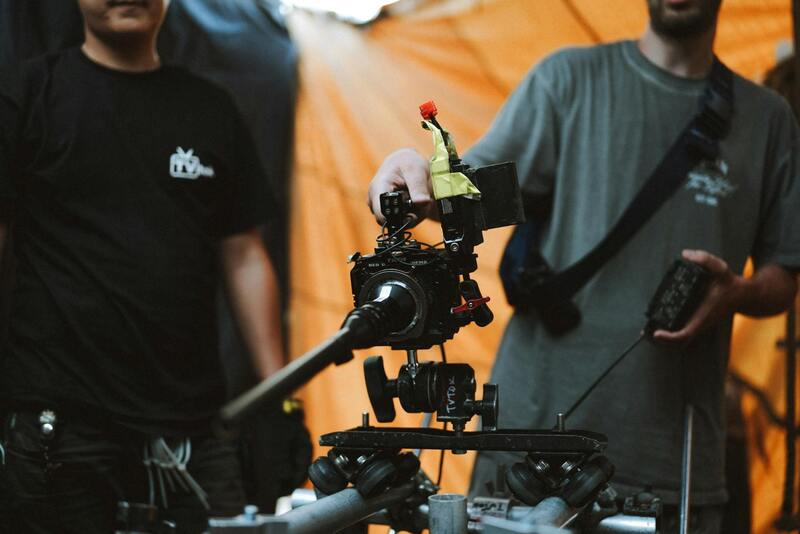
By collaborating with organizations across various industries, corporate film makers tailor their approach to meet specific messaging needs. They understand the importance of aligning video content with brand identity while considering target demographics and distribution platforms. Their goal is to create videos that not only inform but also inspire viewers, encouraging them to take desired actions such as making a purchase, engaging with the brand, or fostering loyalty.
The Critical Role of Corporate Film Makers in Business Communication
Employing professional corporate film makers ensures that the visual content produced is both engaging and credible. They bring technical expertise, creative storytelling, and strategic insights together to deliver impactful videos. This combination helps businesses communicate complex ideas clearly, highlight unique selling points, and evoke emotional responses from viewers.
Effective corporate videos created by seasoned film makers also contribute to building a consistent brand image, which is crucial for long-term reputation management. From executive interviews to product demonstrations, corporate film makers craft content that positions a business as a professional, innovative, and trustworthy entity within its industry.
The Value of Professionalism and Experience
Choosing experienced corporate film makers brings the advantage of tried-and-true methods that maximize the effectiveness of each video project. These professionals are equipped with the latest industry knowledge, high-end equipment, and a strategic approach that guarantees polished results. Their understanding of what works in corporate storytelling ensures that every visual element supports the overarching message.
In addition, corporate film makers often have extensive networks of industry contacts, talent pools, and technological resources, which streamline the production process and enhance the overall quality of the final product. Their expertise is especially valuable when dealing with tight deadlines, complex concepts, or large-scale productions.
Why Partnering with a Corporate Film Maker Matters
Partnering with a professional corporate film maker means investing in a strategic resource that elevates a company's communication efforts. Skilled film makers help define the appropriate tone, style, and message for each project, ensuring consistency across all platforms. This consistency strengthens brand recognition and credibility in the marketplace.
Furthermore, a well-crafted corporate film can serve as a versatile marketing tool, suitable for multiple channels such as social media, websites, trade shows, or internal communications. Properly produced videos also have greater potential to reach broader audiences, amplifying the business’s outreach and impact.
}Legal Framework for Corporate Film Makers
When engaging corporate film makers, it is essential to follow verified and transparent processes that uphold quality standards and industry best practices. These methods ensure that the production aligns with established norms, safeguarding all parties involved and streamlining the project from concept to delivery.
One of the most reliable approaches involves verifying the credentials and previous work of the film makers. Clients should review portfolios, seek references, and confirm the professional credentials that demonstrate adherence to industry standards. This evaluation provides assurance that the creators have substantial experience handling diverse projects and meet the technical requirements necessary for producing impactful corporate videos.
Transparent contracts are another cornerstone of legitimate collaborations. Such agreements clearly delineate the scope of work, timelines, deliverables, and payment terms. They serve as a formal record that minimizes misunderstandings, ensuring that both client and film maker operate with clarity and mutual respect. These contracts often include clauses related to intellectual property rights, confidentiality, and revisions, creating a protected environment for the production process.
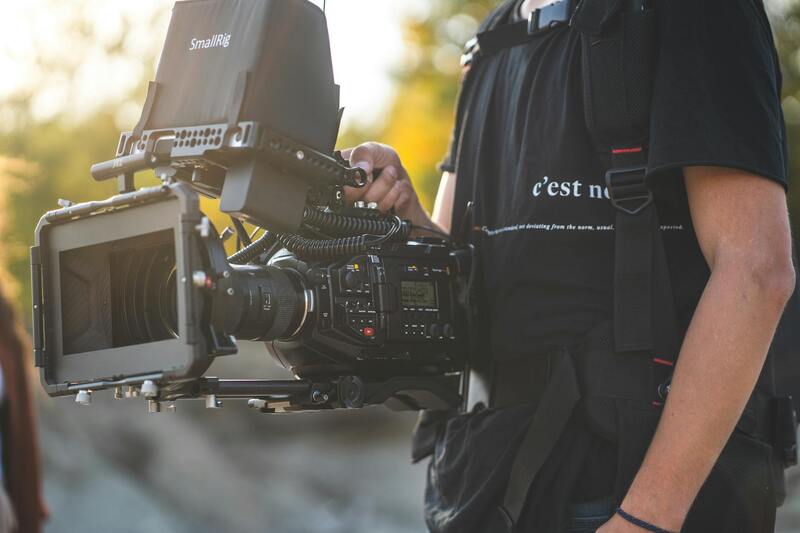
Adherence to industry regulations—such as copyright laws, licensing, and permits—further legitimizes the production process. Corporate film makers should possess the necessary licenses for using third-party content, music, and imagery, making certain that all visual and audio assets are legally obtained. This compliance not only avoids legal complications but also reinforces the integrity of the project.
Utilizing contractual milestones and upfront payment schedules based on deliverables fosters a transparent working relationship. These progress-based payments motivate timely completion and quality assurance, confirming that the project progresses according to plan. Additionally, obtaining detailed briefs, storyboards, and scripts prior to filming helps safeguard against scope creep and ensures the final content precisely aligns with organizational goals.
Verifying Ethical and Professional Standards
Employing corporate film makers who operate under recognized industry codes of conduct guarantees that the production team maintains ethical standards. This includes respecting intellectual property rights, ensuring fair treatment of talent and crew, and adhering to safety guidelines during filming. Such practices ensure a respectful and professional working environment, ultimately contributing to the quality and credibility of the final product.
Many reputable professionals also subscribe to industry associations and certification programs, which serve as additional indicators of their commitment to quality and best practices. Memberships in organizations such as the International Video Consortium or local industry groups often require adherence to ethical codes and continuous professional development.

In summary, following official and verified methods for working with corporate film makers involves thorough credential validation, transparent contractual agreements, adherence to licensing laws, and engagement with industry-standard ethical practices. These measures not only support a smooth production process but also contribute to the creation of high-quality, impactful corporate videos that effectively communicate your brand message and uphold your company’s reputation.
Understanding Corporate Film Makers
Partnering with reputable corporate film makers involves a rigorous process of selection that prioritizes professional standards, industry recognition, and a track record of delivering impactful content. These specialists are skilled in translating corporate objectives into compelling visual narratives while adhering strictly to high-quality standards. Their expertise spans across various production stages, ensuring that each phase—from pre-production planning to post-production editing—meets the industry's best practices and accountabilities.
Legitimate corporate film production teams often demonstrate compliance by undertaking continuous professional development and aligning with recognized industry benchmarks. Memberships in professional associations and certifications from esteemed bodies symbolize a commitment to ethical conduct, technical excellence, and ongoing skill enhancement. Such credentials often require members to stay updated on the latest technological advances, safety protocols, and content standards, which directly influence the quality and effectiveness of the corporate films produced.
Choosing the right corporate film makers involves assessing their professional background, client portfolio, and industry reputation through verified credentials. Companies should verify the authenticity of their claims of experience and expertise by examining case studies, client feedback, and industry awards. Transparent contractual agreements that specify scope, rights, and responsibilities further reinforce trust and clarity in the collaboration process. These formal arrangements also outline compliance with licensing and intellectual property laws, ensuring that all content created respects legal parameters.
Accredited corporate film makers adhere to ethical production practices, including respecting intellectual property rights, ensuring transparent collaboration, and prioritizing safety during filming. These standards foster a respectful working environment while safeguarding the brand reputation of the client. Maintaining a focus on compliance and professionalism typically results in a more seamless production process, ultimately delivering a polished and effective corporate video tailored to organizational goals.
Implementing Ethical and Professional Methods
- Verify credentials through industry-recognized associations and certifications
- Conduct thorough background checks on previous projects and client reviews
- Maintain transparent contractual agreements outlining scope, rights, and compliance measures
- Ensure adherence to safety standards during filming and production activities
- Foster open communication channels for ongoing collaboration and feedback
- Engage in continuous professional development and industry networking
Utilizing these verified and official methods not only minimizes risks but also enhances the quality and credibility of the final product. Working with film makers who operate within these frameworks guarantees that your brand message is communicated authentically and professionally, aligning with your company's reputation and strategic goals.
Understanding Corporate Film Makers
Corporate film makers are seasoned professionals specialized in crafting video content that effectively communicates a company's message, values, and brand identity. They possess a deep understanding of storytelling techniques, industry standards, and production processes that align with a company’s strategic objectives. These experts are committed to delivering high-quality visuals that enhance brand recognition and foster engagement across various platforms. Their expertise extends beyond filming to include pre-production planning, script development, and post-production editing, ensuring a seamless flow from concept to final delivery.
To identify credible corporate film makers, organizations must focus on their professional credentials, industry experience, and portfolio of completed projects. Certified professionals often showcase memberships in reputable industry associations and have a track record of successful corporate productions. These credentials reflect a commitment to adhering to best practices, ethical standards, and continuous professional development, all of which translate into superior quality outcomes.
Process of Corporate Film Production
The process begins with thorough planning, where objectives are clearly defined, and target audiences are identified. Collaboration between the client and the film makers ensures that the vision aligns with organizational goals. This phase includes scriptwriting, storyboard development, and logistical arrangements. Once pre-production is complete, the filming stage involves deploying skilled crews equipped with state-of-the-art gear to capture compelling footage while maintaining safety standards and respecting intellectual property rights.
Post-production is critical, involving editing, sound design, visual effects, and color correction to produce a polished final product. Throughout this process, open communication channels facilitate feedback and adjustments, ensuring the video resonates with its intended audience. The end goal is a professional corporate film that authentically reflects the company’s mission and promotes engagement with stakeholders.
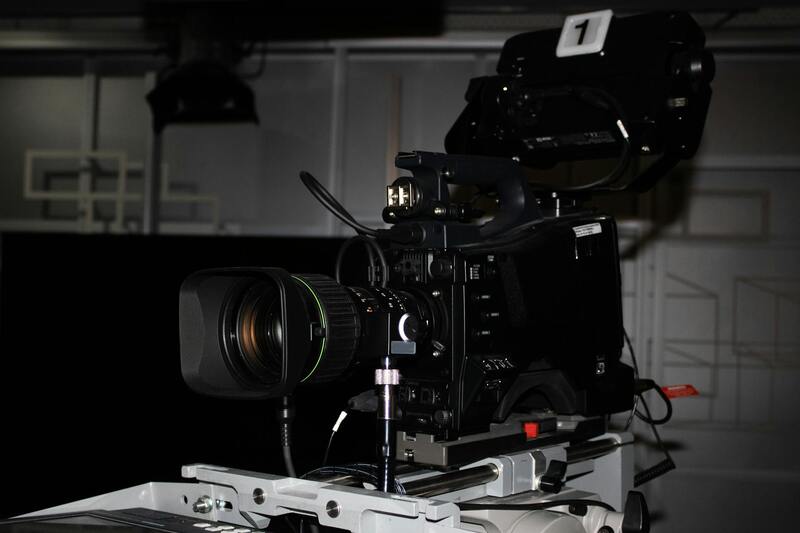
Adhering to official methods and industry standards during each phase of production minimizes risks and enhances the overall quality. Verifying credentials, conducting background checks on previous work, and ensuring contractual clarity are essential steps that establish trust and professionalism. Maintaining compliance with safety regulations and industry best practices affirms a commitment to excellence and provides peace of mind for clients investing in professional corporate video production.
Key Elements of Effective Corporate Films
- Compelling storytelling tailored to organizational goals
- High visual and audio production quality
- Consistent branding throughout the video
- Emotional resonance that connects with viewers
- Clear call-to-action or message reinforcement
Focusing on these core components ensures the creation of impactful content that not only informs but also inspires action, building stronger relationships between the brand and its audience.
Ensuring Compliance with Industry Standards and Best Practices
Engaging with corporate film makers through official and recognized channels guarantees adherence to industry regulations and standards that uphold the quality and professionalism of the production process. Certified production studios often follow stringent protocols during pre-production, production, and post-production phases, ensuring that each project meets predefined benchmarks of excellence. These methods mitigate risks such as miscommunication, resource mismanagement, or procedural errors, which could otherwise compromise the final product.
Verification of credentials is a crucial step in establishing that a corporate film maker maintains legitimate business practices and possesses the necessary technical expertise. This involves reviewing accreditation certificates, industry membership memberships, or awards that highlight a company's commitment to maintaining high standards. Moreover, a transparent contractual agreement details all aspects of the project scope, deliverables, timelines, and financial arrangements, fostering trust and clarity.
Industry Collaboration and Contractual Clarity
Choosing corporate film makers through official referrals, industry directories, or professional associations enhances the likelihood of engaging experienced and trustworthy partners. These channels often provide access to portfolios, case studies, and client testimonials that demonstrate a company's capabilities and track record. Engaging with film makers who operate transparently, provide detailed proposals, and are open to contractual negotiations ensures that all project parameters are well defined.
Contracts should explicitly specify project milestones, revision processes, intellectual property rights, confidentiality agreements, and compliance with safety procedures. Such clarity ensures that both parties share aligned expectations, reducing potential misunderstandings or conflicts during the production process. Operational transparency and detailed agreements are vital for maintaining professionalism and safeguarding the project's integrity.
Maintaining Ethical and Safe Production Environments
Legitimate corporate film makers adhere strictly to safety standards and ethical guidelines that protect everyone involved during filming activities. This includes proper risk assessments, secure equipment use, and adherence to local safety regulations, all documented through official procedures. A company's commitment to safe working conditions demonstrates its dedication to responsible production practices and enhances its reputation.
When selecting a partner, examining their safety certifications, insurance policies, and previous safety record can provide insights into their operational standards. Additionally, firms that operate within official frameworks are more likely to comply with environmental regulations and community standards, further supporting responsible and professional project execution.

Establishing Credibility Through Official Certification and Credentials
When selecting corporate film makers, verifying their official certifications and industry credentials serves as a fundamental step to ensure quality and professionalism. Legitimate production companies often hold accreditations from recognized industry bodies or associations, which affirm their commitment to standards, safety, and best practices. These certifications can include memberships in local or national film industry organizations, safety accreditation certificates, and awards recognizing excellence in videography and production. Such credentials not only demonstrate a company's expertise but also reflect their dedication to ongoing professional development and adherence to industry norms.
Reviewing a company's portfolio and past projects provides further assurance of their capabilities. Reputable corporate film makers consistently deliver projects that meet client specifications, showcase technical proficiency, and adhere to scheduled timelines. Testimonials and case studies from previous clients offer insights into their reliability and the quality of their work. Companies with an extensive track record of successful productions and satisfied clients often possess the experience necessary to handle complex projects and deliver results aligned with your brand expectations.

Analyzing Their Methodology and Production Workflow
Legitimate corporate film makers employ structured workflows that encompass every phase of production, from conceptualization to post-production. This systematic approach ensures that each project adheres to professional standards and meets client objectives efficiently. Companies should clearly outline their pre-production planning, including script development, location scouting, casting, and scheduling. During production, adherence to safety protocols, efficient resource management, and effective coordination are paramount. Post-production processes such as editing, color grading, visual effects integration, and sound design are meticulously managed to achieve the desired final product.
Transparency in methodology involves detailed proposals that specify milestones, timelines, and review points. Utilizing collaborative tools like storyboards and project management platforms allows ongoing client engagement and feedback. This openness helps prevent misunderstandings, aligns expectations, and ensures a seamless production journey. A professional corporate film maker's commitment to transparency and systematic workflow demonstrates their dedication to delivering high-quality content within agreed parameters.

Ensuring Compliance with Industry Standards and Safety Protocols
Trustworthy corporate film makers abide by established safety standards and industry regulations to safeguard everyone involved in the production process. This includes conducting thorough risk assessments prior to filming, ensuring the use of certified equipment, and implementing safety training for crew members. Companies that operate within official frameworks often hold insurance policies covering potential liabilities, which adds an extra layer of security for clients.
Furthermore, adherence to safety protocols minimizes disruptions and delays caused by accidents or unsafe conditions. Companies committed to responsible production maintain comprehensive safety records, carry relevant certifications, and are willing to share their safety policies with clients. Their focus on safe, ethical practices enhances project credibility and reflects a professional ethic rooted in integrity and accountability.
Maintaining Integrity Through Verified Methods
Engaging with credible and established corporate film makers involves utilizing proven, documented procedures that adhere to rigorous industry standards. These methods typically include comprehensive planning phases, starting with detailed project briefs that outline objectives, target audiences, and key messages. Such briefs serve as foundational documents that guide every subsequent stage of production, ensuring alignment between the corporate client and the film maker.
Pre-production activities involve meticulous script development and storyboarding, which act as visual and narrative blueprints. These tools facilitate clear communication and enable stakeholders to review and approve conceptual layouts before filming begins. This step minimizes misunderstandings and assures that the final product aligns with strategic branding goals.

Production phase relies on the use of certified equipment and experienced crew members who follow established safety protocols and operational standards. Authentic film makers maintain comprehensive documentation, including safety checklists, insurance certificates, and equipment certifications, which exemplify their commitment to professionalism and quality.
Post-production practices include rigorous editing, color grading, and sound design, all documented and aligned with project briefs. Utilization of industry-standard editing software and quality assurance procedures ensures the accuracy and refinement of the final video. Once completed, the deliverables are supplied through secure channels with detailed metadata and usage rights, emphasizing transparency and proper management of assets.
Throughout each phase, official communication channels and formal approvals safeguard project integrity. Regular progress reports, milestone reviews, and feedback sessions allow clients to oversee developments continuously, reducing the risk of deviations from the agreed scope. Such structured and documented workflows not only uphold quality but also demonstrate a commitment to ethical production practices rooted in transparency.
Emphasizing Industry Compliance and Ethical Standards
Reliable corporate film makers strictly adhere to established industry guidelines and safety protocols to ensure risk management and quality assurance. They conduct thorough risk assessments, especially when filming involves complex environments or sensitive content. Equipment use is verified against manufacturer standards, and crew members are trained in safety procedures relevant to the production location.
Insurance coverage is maintained and updated according to project scope, providing reassurance that any potential liabilities are managed responsibly. These professionals carry certifications and compliance documentation, which are available for review upon request. Maintaining comprehensive safety records and sharing safety policies demonstrate organizational commitment to responsible production and foster trust with clients.

Ensuring adherence to safety and quality standards minimizes disruptions and delays, preserving project timelines and budgets. Ethical practitioners also emphasize sustainable practices, avoiding environmental risks and minimizing their carbon footprint during shoots. Their focus on responsible production practices enhances overall project credibility by aligning with both industry expectations and client values.
Incorporating these verified, methodical approaches in every stage of production underscores their reliability. This disciplined and transparent methodology not only guarantees the delivery of compelling corporate films but also strengthens the reputation of the film maker in the industry. Clients can confidently rely on such practitioners for projects that demand professionalism, safety, and integrity, ultimately ensuring that the project outcomes meet or exceed expectations.
Advanced Methods for Hiring Legitimate Corporate Film Makers in Miami
Securing the services of reputable corporate film makers involves meticulous verification processes that focus on proven operational standards and industry recognition. To ensure you're collaborating with seasoned professionals, it’s essential to examine their portfolio of completed projects, client testimonials, and industry awards. A comprehensive portfolio exemplifies their ability to produce diverse corporate videos, from promotional clips to full-scale documentaries, demonstrating their versatility and expertise.
Professionalism is further reflected in their adherence to established production standards, which includes detailed planning, adherence to scheduled timelines, and transparent communication throughout the project lifecycle. The scope of their work often accounts for comprehensive pre-production activities such as scripting, storyboarding, and location scouting, alongside smooth execution during filming and post-production editing. These details contribute significantly to the overall quality and impact of the final product.

Evaluating Credentials and Industry Affiliation
Another crucial method for vetting legitimate corporate film companies involves reviewing their industry certifications and professional affiliations. Memberships in recognized organizations signal their commitment to industry standards and ongoing professional development. Certifications from reputable production associations often indicate adherence to safety and quality benchmarks, essential for corporate productions where brand reputation and compliance are paramount.
Potential clients should also seek references or case studies that detail past collaborations, highlighting the outcomes achieved. Contacting previous clients provides firsthand insights into the firm's reliability, creativity, and ability to meet project specifications under deadlines and budget constraints. Such due diligence is integral to forming a credible partnership.
Official Documentation and Legal Assurance
Verifying the legal standing of a corporate film maker is achieved through reviewing official documentation, including business licenses, insurance certificates, and contractual agreements. Insurance coverage ensures that any unforeseen liabilities or damages are managed appropriately, safeguarding the interests of both parties. Licensing confirms that the film maker operates legally within Miami's jurisdiction, respecting local regulations applicable to filming permits, copyrights, and intellectual property rights.
Furthermore, transparent contractual terms detailing scope of services, deliverables, payment schedules, and rights management help prevent misunderstandings. A reputable firm provides clear documentation and is willing to discuss contractual specifics, reflecting their professionalism and accountability.
Utilizing Industry-Specific Platforms and Resources
Official industry directories and online platforms specializing in production companies serve as valuable resources for discovering verified corporate film makers. These platforms often list verified practitioners who comply with established criteria, including client ratings and professional credentials. Additionally, attending industry expos and networking events allows direct interaction with trusted professionals, facilitating an informed selection process based on personal rapport and demonstrated expertise.
Assessing Ethical and Sustainable Practices
Finally, understanding a corporate film maker's commitment to ethical and sustainable practices is paramount. Responsible filmmakers prioritize environmentally conscious methods during shoots, such as minimizing waste and reducing carbon footprints. They also demonstrate respect for local communities and regulations, fostering a positive working environment. Confirming these practices through direct inquiries or official statements reinforces confidence in partnering with a reputable, responsible entity that aligns with contemporary corporate values.