

Understanding Business Video Production
Business video production has become an essential element in contemporary corporate communication strategies, especially within dynamic markets such as Miami. This process involves the crafting of professional video content tailored to serve various commercial objectives, ranging from brand promotion to client engagement. Unlike casual videography, business video production emphasizes strategic messaging, high production values, and targeted distribution to maximize impact.
For local Miami companies, leveraging business video production offers a significant opportunity to differentiate themselves in a competitive landscape. Visual storytelling through professionally produced videos can enhance brand visibility by presenting company values, product features, or service offerings compellingly. Additionally, engaging videos resonate more deeply with audiences, fostering emotional connections and encouraging brand loyalty. In an area like Miami, where diversity and cultural vibrancy are integral to community identity, tailored video content can effectively reflect local nuances, attract diverse demographic segments, and communicate messages in culturally relevant ways.
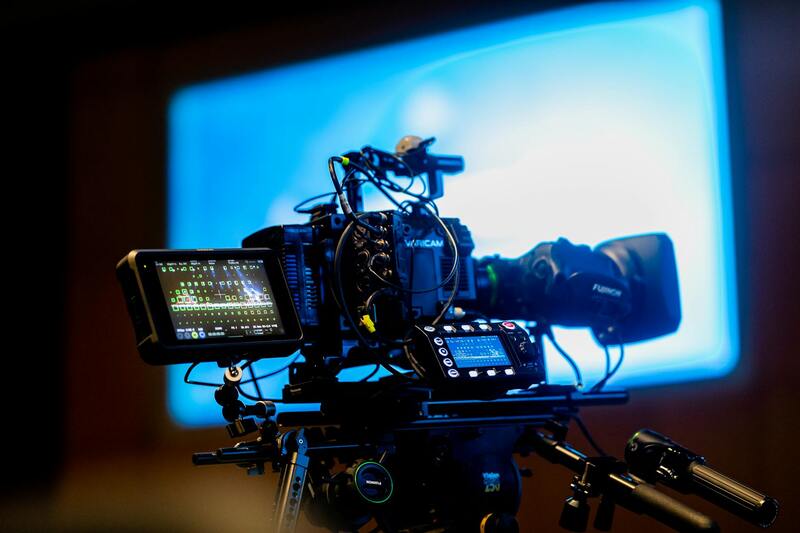
Furthermore, the importance of business video production extends beyond marketing. Internal communications, training, and corporate reports also benefit from professionally produced videos that can clarify complex information, improve employee onboarding, or document company milestones. The versatility of business video content underpins its role as a versatile asset within comprehensive corporate communication plans.
Investing in professional video production elevates a business’s credibility and can influence purchasing decisions. Professional videos project a polished, authoritative image that assures clients of a company’s commitment to quality and excellence. This perception becomes particularly vital for Miami-based businesses aiming to compete locally and attract national or international clients.
Effective business videos are crafted through meticulous planning and execution, involving script development, storyboarding, filming, editing, and distribution. When executed by experienced professionals, these projects ensure clear messaging, visual appeal, and optimal engagement. As Miami continues to attract diverse industries—including tourism, real estate, fashion, and technology—business video production serves as a critical tool to communicate offerings, values, and expertise compellingly across digital platforms and traditional media channels.
Understanding Business Video Production
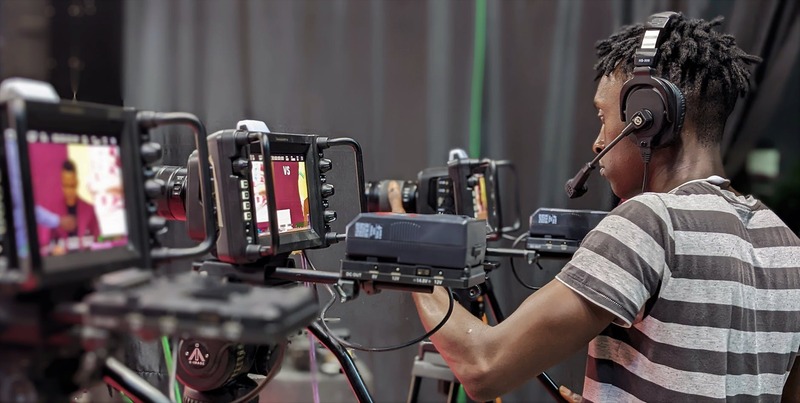
Effective business video production is a meticulous process that combines strategic planning with technical expertise to create compelling visual content. It involves several critical stages, each designed to ensure the final product communicates the intended message clearly and engagingly. These stages include concept development, scriptwriting, storyboarding, filming, editing, and distribution. Collaborating with seasoned professionals in each phase guarantees that the content aligns with brand objectives and resonates with the target audience.

Core Components of Business Video Production
- Pre-production: This phase involves detailed planning, including defining the video’s purpose, target audience, messaging, and budget. Script development and storyboarding are crucial steps to visualize the narrative flow and establish shot lists.
- Production: Execution of the filming process requires the right equipment, suitable locations, and experienced personnel. Attention to lighting, sound quality, and framing ensures the footage meets professional standards.
- Post-production: Editing combines the footage into a cohesive story, adding effects, transitions, and branding elements. Color correction and sound design enhance visual appeal, while animations or graphics can further communicate complex ideas effectively.
Importance of Professional Equipment and Techniques
Utilizing high-grade cameras, lighting setups, and sound recording devices is paramount in producing videos that stand out. Advanced editing software enables precise control over visual effects and sound synchronization, resulting in a polished, professional appearance. Moreover, techniques such as multi-camera recording and drone cinematography can add dynamic perspectives and cinematic quality to the final product.
Tailoring Content to Business Goals
Every business video should be purpose-driven, whether it aims to boost brand awareness, generate leads, or educate employees. Customization involves aligning the message with the company's core values and industry standards while considering the preferences of the target demographic. For Miami-based companies, this might include incorporating local cultural elements or highlighting regional achievements to foster authenticity and relatability.
Distribution Strategies for Maximum Reach
Effective distribution amplifies the impact of produced videos. Sharing content across multiple channels—including websites, social media platforms, email campaigns, and industry events—ensures broad visibility. Optimizing videos for search engines through relevant keywords and engaging thumbnails enhances discoverability. An integrated approach that combines online and offline methods can significantly elevate a company's visibility in competitive markets, especially within the vibrant Miami business landscape.
Understanding Business Video Production
Business video production represents a strategic approach to creating visual content that effectively communicates a company's message, values, and offerings to its target audience. This process involves a series of methodical steps designed to ensure that the final product aligns precisely with organizational goals, branding standards, and market expectations. From initial concept development to final distribution, each phase demands meticulous planning, technical expertise, and creative insight.
Pre-Production Planning and Conceptualization
The foundation of a successful business video begins with comprehensive planning. This stage involves collaborating with key stakeholders to define clear objectives, identifying the target audience, and determining the core message of the video. Developing a detailed storyboard or script ensures that every scene, tone, and visual element contributes meaningfully to the overall narrative. Budget considerations, scheduling, and resource allocation are also addressed during this phase, setting the stage for a smooth production process.
Execution: Filming and Production
During the filming stage, technical precision and artistic judgment converge to translate the script into compelling imagery. This phase requires experienced videographers using high-quality cameras and lighting equipment to capture clear, professional footage. Sound quality plays a critical role, necessitating advanced microphones and ambient noise control. Multiple takes and perspectives can be employed to enhance visual storytelling, while complementary techniques such as drone cinematography or green screen usage add dynamic effects and versatility. A well-organized production schedule ensures all scenes are captured efficiently, adhering to the predetermined timeline and budget constraints.
Post-Production Refinement
Post-production involves editing the raw footage into a cohesive, engaging narrative aligned with the initial objectives. Skilled editors utilize sophisticated software to color grade, add visual effects, incorporate branding elements, and synchronize sound. This phase also includes reviewing draft versions with stakeholders, making revisions, and ensuring the final product meets quality standards. Sound design, background music, and subtitles are integrated to enhance accessibility and viewer engagement. The aim is to deliver a polished, professional video that resonates with viewers and drives desired actions.
Strategic Distribution to Maximize Reach
The distribution phase transforms the finished video into a powerful marketing tool by targeting the appropriate channels for maximum exposure. An integrated approach entails sharing content across a company's website, social media outlets, email campaigns, and digital advertising platforms. Optimization techniques, such as incorporating relevant keywords into video descriptions and crafting attention-grabbing thumbnails, improve search visibility and viewer engagement. Offline methods, including presentations at industry events or in-office displays, complement online efforts, reinforcing brand presence within the regional market. Consistent analysis of performance metrics enables ongoing refinement to bolster reach and impact.
Effective Methods for Ensuring Business Video Production Quality
Implementing high standards in business video production not only elevates the professionalism of the content but also ensures it resonates authentically with the target audience. One of the most reliable ways to achieve this is through meticulous pre-production planning. This phase involves detailed scripting, storyboarding, and clearly outlining the objectives to ensure every shot and scene aligns with the company's messaging. Utilizing comprehensive shot lists and production schedules minimizes errors and keeps the project on track, optimizing time and resource management.

Another critical element is selecting experienced production crew members. Skilled videographers, directors, and lighting specialists bring technical expertise that guarantees professional quality footage. Their understanding of camera angles, lighting techniques, and sound engineering significantly enhances a video's visual and audio fidelity. This expertise ensures that the finished product is not only visually appealing but also clear and engaging.
Investing in quality equipment or choosing a production partner with access to professional-grade tools plays a pivotal role in capturing high-definition video content. Premium cameras, stabilizers, audio recording devices, and lighting equipment contribute to crisp visuals and pristine sound quality, which are essential for conveying professionalism and credibility in a business context.
Post-Production Quality Control
The post-production phase is where the raw footage is transformed into a polished narrative. Employing experienced editors who utilize top-tier editing software ensures seamless cuts, color grading, and the integration of branding elements that reinforce your company's visual identity. Detailed review sessions involving stakeholders allow for constructive feedback and necessary revisions, ensuring the final product aligns with strategic goals.
Sound design is equally vital; synchronized audio, background music, and sound effects should complement the visual content without overpowering it. Incorporating accessibility features such as subtitles broadens the reach of your videos, making them more inclusive.
Ensuring Consistency and Brand Alignment
A consistent visual style across all business videos helps reinforce your brand identity. Developing comprehensive brand guidelines — including color palettes, logo usage, and tone of voice — will streamline the production process and maintain message uniformity. Regular quality audits and feedback loops uphold high standards and adapt the content as needed to respond to evolving market trends or company objectives.

In addition to internal review procedures, leveraging standards such as controlled lighting environments, consistent framing techniques, and standardized audio levels ensures each video maintains a professional appearance. This rigorous approach minimizes the risk of technical issues and enhances overall viewer engagement.
Finally, staying current with emerging trends and technological advancements in video production can contribute to continual improvement. This proactive attitude supports the creation of innovative, high-quality content that keeps your brand competitive and relevant in the digital landscape.
Implementing Post-Production Techniques for Business Success
Post-production is a critical phase in business video production that elevates raw footage into a compelling final product. This stage involves a series of meticulous processes designed to refine visual and audio elements, ensuring the video aligns with strategic objectives and effectively communicates the intended message. Skilled editors employ advanced editing software to cut and arrange footage precisely, creating a cohesive narrative flow. Color grading is also fundamental, enhancing visual consistency and mood, which reinforces brand identity and appeals to the target audience.
Sound editing complements visual enhancements by balancing audio levels, removing unwanted noise, and adding sound effects or background music that support the video's tone. Incorporating clear and legible subtitles enhances accessibility, allowing a broader audience to engage with the content and increasing overall reach. Additionally, visual effects and motion graphics can be integrated judiciously to emphasize key messages or data points, making the content more engaging without overwhelming the viewer.

During this stage, quality assurance processes are vital. Review sessions involve multiple stakeholders assessing the video against brand standards and strategic goals. Feedback loops allow for necessary adjustments, whether that means refining visual effects, adjusting audio levels, or clarifying messaging. By adhering to these rigorous review procedures, businesses ensure that the final video output is polished and effective.
Modern editing methodologies also incorporate techniques to optimize videos for various digital platforms, tailoring aspect ratios and resolutions to enhance performance across channels such as social media, websites, or presentations. As technological advancements continue to emerge, staying abreast of new tools and editing trends positions businesses to produce innovative and high-impact content. This proactive approach fosters continuous improvement, helping brands maintain a competitive edge within the dynamic digital environment.
Remember that post-production is not only about polishing visuals and sound but also about embedding a strategic narrative that resonates with your audience. Clear storytelling, aligned with your brand values, ensures that every second of the video contributes to building trust, enhancing brand recognition, and driving desired actions. Investing in high-quality post-production services reflects a commitment to excellence and can significantly influence the overall success of your marketing and communication efforts.
Official and Reliable Methods for Business Video Production
Succeeding in business video production requires adherence to proven steps that emphasize quality, professionalism, and strategic content creation. Employing systematic methods ensures that each project aligns with your brand objectives and reaches your target audience effectively. First, comprehensive planning involves defining clear goals, understanding the target demographic, and outlining the message you aim to communicate. This phase includes scripting, storyboarding, and selecting the appropriate format that resonates with your audience and supports your marketing strategy.
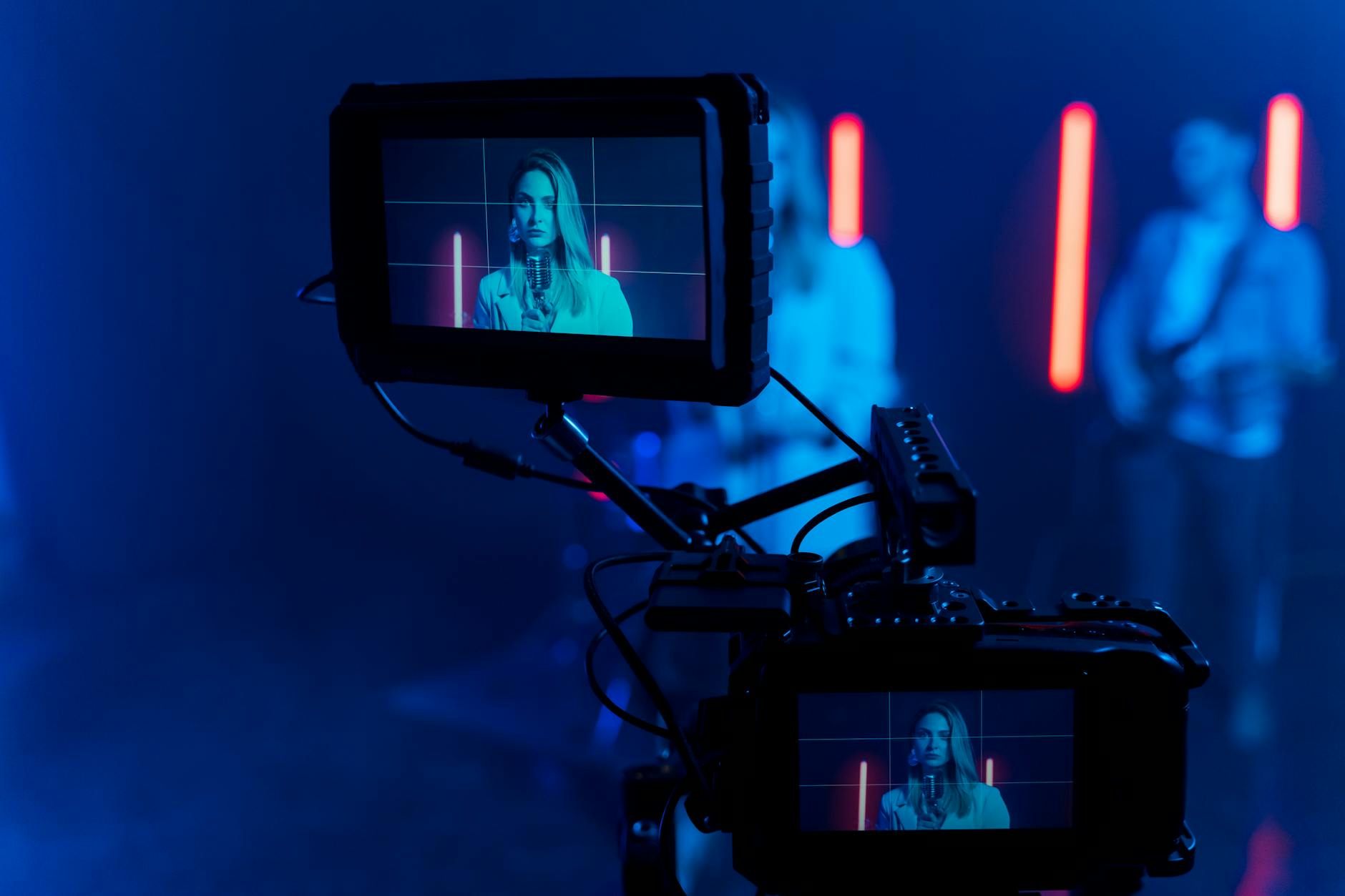
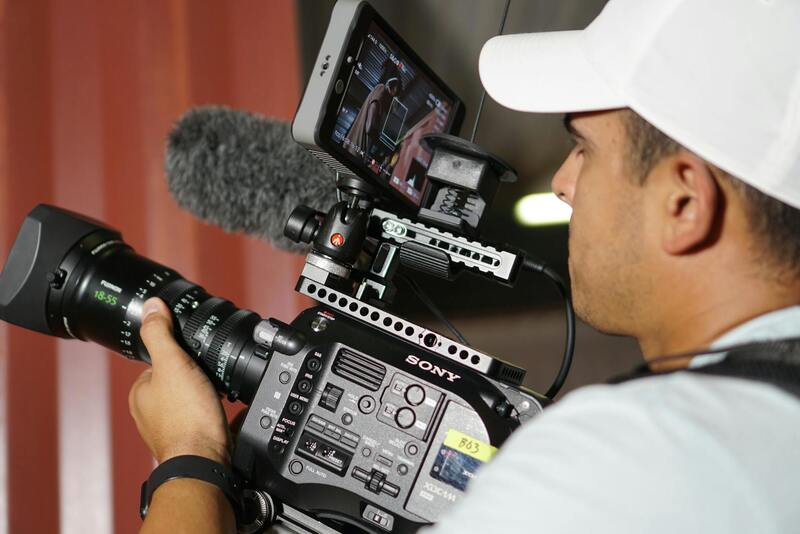
Next, selecting the right personnel and equipment is essential. Working with experienced professionals, including videographers, producers, and scriptwriters, helps produce polished content that meets industry standards. Utilizing high-quality equipment ensures clear visuals, crisp audio, and professional-grade effects that reinforce your brand’s image.
Pre-production activities also encompass securing necessary permits, casting, location scouting, and scheduling, which streamline the execution phase. These steps minimize disruptions and maintain the timetable, ultimately reducing unforeseen costs.

The production stage involves capturing footage in accordance with the storyboard and script, ensuring adherence to agreed-upon quality standards. Employing proper lighting, sound recording, and camera techniques enhances the visual appeal and clarity of the message.
Post-production processes such as editing, color correction, sound editing, and visual effects are critical. Employing a structured review cycle ensures the content aligns with your brand identity and strategic goals. Involving multiple stakeholders for feedback helps refine the video, resolves inconsistencies, and elevates the final product.
To uphold credibility and produce content that genuinely impacts viewers, using off-the-shelf software that complies with industry standards is advisable. These tools facilitate seamless editing, secure storage, and efficient collaboration among team members.
Finally, distribution methods must be carefully chosen based on where your target audience is most active. Whether through social media channels, corporate websites, or email campaigns, each platform may require specific formats and resolutions. Ensuring compatibility across devices and optimizing videos for multiple platforms maximizes reach and engagement.
Utilizing analytics and tracking tools provides insights into viewer behavior and campaign performance. These data points inform future content strategy, ensuring each video project delivers measurable results while maintaining adherence to industry best practices.
Implementing Legitimate Business Video Production Safely and Effectively
Executing a business video production with the utmost professionalism and adherence to best practices is essential for establishing credibility and achieving strategic goals. Projects should be managed through clearly defined procedures that prioritize transparency and accountability, ensuring that each phase aligns with the company's standards and compliance requirements.
Start by assembling a dedicated team comprising experienced videographers, scriptwriters, and project managers who are well-versed in corporate communication. Detailed pre-production planning is crucial, involving comprehensive scriptwriting, storyboard development, and scheduling. This thorough approach guarantees that every element of the production process supports the intended message and aligns with your corporate identity.
Operationally, utilizing recognized industry-standard equipment and software ensures technical excellence. These tools facilitate high-quality visual and audio output, contributing to a professional presentation that resonates with your audience. Regular maintenance and calibration of equipment are essential to preserve optimal performance.
Throughout the production process, maintaining rigorous quality control measures is vital. This includes ongoing reviews of raw footage, sound recordings, and visual settings to prevent errors or inconsistencies. Collaboration with stakeholders and incorporating their feedback fosters a final product that accurately reflects your brand values and strategic messaging.
Post-production activities should follow industry-approved editing standards. Using trusted editing software allows for seamless integration of visual effects, color correction, sound mixing, and motion graphics. Establishing a structured review process with multiple review cycles helps refine the content and resolve discrepancies before the final delivery.
Distribution strategies should be selected based on comprehensive understanding of the target audience's preferred platforms and viewing habits. Ensuring videos are optimized for various devices and formats maximizes reach and engagement. Employing data analytics tools to monitor viewer interaction provides valuable insights for continuous improvement of future content.
Adherence to approved methods in each stage of production not only safeguards your company’s reputation but also enhances the effectiveness of your business communications. By following these best practices, your organization can produce compelling, impactful videos that support your strategic initiatives while maintaining a strong commitment to professionalism and industry standards.
Legal and Ethical Methods to Showcase Your Business Through Video
Effective business video production hinges on utilizing techniques that adhere to established standards and practices, ensuring your content remains credible and resonates well with your target audience. Employing strategies such as sourcing authentic footage, maintaining transparency in representation, and respecting intellectual property rights are fundamental. These methods foster trust and bolster your brand’s authority in your industry.
Utilizing Stock Footage and Licensed Content
One legitimate approach involves the use of stock footage and licensed media. Platforms that provide high-quality, royalty-free or appropriately licensed video clips enable businesses to incorporate visual elements without infringing on copyrights. This not only ensures compliance but also offers a cost-effective solution for enhancing production value.

Engaging Professional Videographers and Production Teams
Collaborating with experienced, credentialed video production professionals guarantees that your content is created in alignment with industry standards. Certified videographers and editors follow best practices for filming, sound recording, and post-production editing, ensuring a polished final output. Their expertise helps navigate legal considerations such as location permits and model releases, further safeguarding your project.
Securing Proper Permissions and Releases
Obtaining clearances through signed releases from individuals appearing in videos and locations used is vital. These documents affirm that you have the right to showcase people and property in your videos, preventing potential disputes. Maintaining organized records of all permissions is a best practice that solidifies the legitimacy of your content.
Adhering to Privacy and Data Protection Regulations
Respecting privacy laws and data protections ensures your business videos align with relevant legal frameworks. This involves anonymizing sensitive information when necessary, securing consent for any personal data included, and following regional guidelines. Such diligence reflects a commitment to ethical standards and enhances your credibility.
Implementing Industry-Standard Editing Practices
Post-production work should observe recognized editing guidelines, including accurate color grading, balanced sound mixing, and transparent motion graphics. Using reputable editing software and methods guarantees consistency and quality. Establishing review protocols with stakeholders minimizes errors and ensures the content faithfully represents your brand and messaging.
Developing Transparent and Accurate Content
Content authenticity is critical. Storytelling that accurately portrays your products, services, and corporate values fosters trust. Avoid misleading representations or exaggerated claims, and instead focus on factual storytelling supported by genuine visuals and data. This integrity in presentation boosts customer confidence and enhances your reputation.

Summary of Best Practices for Ethical Video Production
- Use licensed and properly sourced footage and media.
- Partner with verified, experienced production professionals.
- Secure all necessary permissions and releases.
- Respect privacy laws and data regulations.
- Follow established editing standards for quality and transparency.
- Create content that is truthful, clear, and representative of your brand values.
By adhering to these legitimate methods, your business can craft impactful video content that not only elevates your marketing efforts but also maintains a reputation built on integrity and professionalism. Proper planning and execution within these frameworks will ensure your videos serve as effective tools for engagement and growth in a competitive market.