

Understanding Corporate Production Videos
Corporate production videos are professionally created visual content specifically designed to serve a company's marketing, branding, training, or internal communication needs. These videos play an essential role in shaping the perception of a brand, conveying complex messages clearly, and engaging diverse audiences. They encompass various formats, including promotional videos, product launches, corporate documentaries, training modules, and event coverage, each tailored to meet specific business objectives.
Through strategic storytelling and high-quality visuals, corporate production videos help organizations communicate their mission, value proposition, and achievements in a compelling manner. When executed with precision, these videos can enhance brand credibility, foster trust, and motivate stakeholders—be they clients, employees, or investors.

In the context of business marketing, corporate videos serve as powerful tools to increase audience engagement across digital platforms, including websites, social media, and email campaigns. They also support internal objectives by providing training content, safety protocols, or company updates that improve organizational communication channels. The integration of professionally produced videos into a company’s overall strategy underscores a company’s commitment to quality and transparency.
Benefits of Using Corporate Videos for Businesses
- Enhanced Brand Visibility: Videos draw attention and increase the time visitors spend on websites or social media pages, fostering deeper engagement.
- Clear Communication: Complex messages, values, and missions are conveyed more effectively through visual storytelling.
- Improved Conversion Rates: Engaging videos can boost lead generation and sales by showcasing products or services dynamically.
- Internal Communication Efficiency: Transparent, accessible, and well-produced videos streamline training and employee engagement.
- Content Longevity: Well-crafted videos can be repurposed across multiple platforms, maintaining relevance over time.
Key Elements of Effective Corporate Production Videos
Creating impactful corporate videos involves a combination of strategic planning, high-quality production techniques, and precise messaging. The essential components include:
- Storytelling: A compelling narrative that resonates with the target audience and clearly communicates the core message.
- Professional Visuals: High-resolution imagery, thoughtful composition, and engaging visuals that maintain viewer interest.
- Sound Design: Clear voiceovers, fitting background music, and sound effects that enhance the viewing experience.
- Brand Consistency: Visual and thematic elements aligned with the company's branding guidelines.
- Call-to-Action: Clear directives encouraging viewers to take the desired next step.
Planning and Pre-production Process
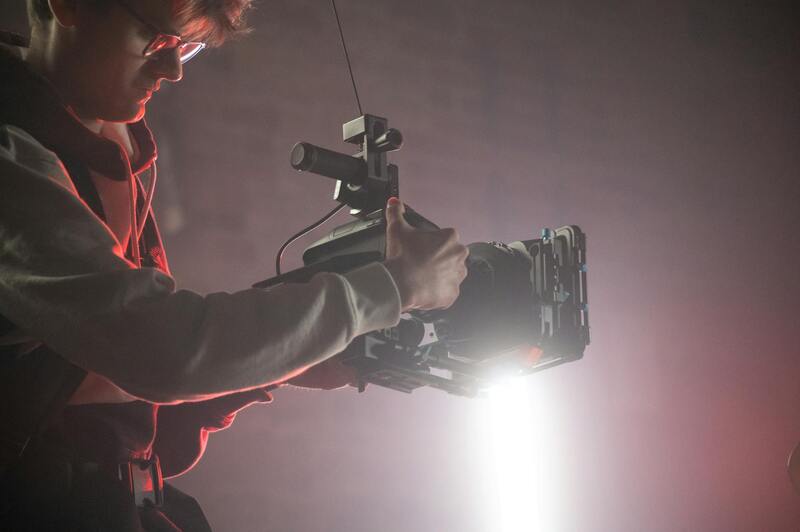
Developing a corporate production video begins with meticulous planning. This stage involves defining clear objectives aligned with the company's strategic goals, whether it's brand awareness, product launching, or employee training. Establishing a target audience is crucial to tailor the messaging and style effectively. During pre-production, scripting plays a pivotal role, helping craft a narrative that resonates while ensuring that key messages are communicated concisely. Storyboarding further visualizes the flow, sequence, and camera angles, providing a roadmap for the shoot.
Budgeting is also addressed in this phase, considering the scope of the project, desired quality, and technical requirements. Selecting suitable locations, participants, and necessary equipment are integral tasks to set a solid foundation for filming. Securing permits and scheduling shoots consider logistical variables, reducing potential disruptions. Collaborating with scripts, shot lists, and production schedules ensures a streamlined process, saving time and resources.
This proactive approach diminishes the risk of unforeseen issues during production, confirms that the core message remains intact, and guarantees that all team members are aligned on expectations. An organized pre-production plan lays the groundwork for high-quality videography and facilitates smoother execution of subsequent phases.
Production Techniques for Corporate Videos
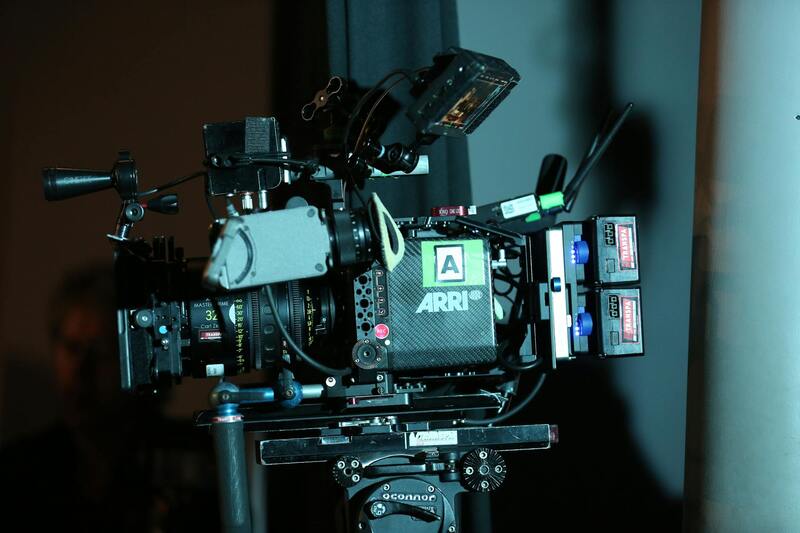
Executing professional corporate videos demands mastery of production techniques that enhance visual storytelling and ensure a polished final product. High-resolution cameras are crucial assets, capable of capturing crisp images with accurate color representation. For indoor shoots, controlled lighting setups—such as key lights, fill lights, and diffusers—eliminate shadows and highlight subjects effectively, creating a professional appearance.
On-location shoots benefit from the use of stabilized camera equipment like gimbals or dollies, which facilitate smooth motion shots that add dynamism without distracting camera shake. Utilizing multiple camera angles provides visual variety, giving editors more options for dynamic editing and maintaining viewer engagement.
Sound quality often surpasses visuals in impact, making the deployment of directional microphones, lavaliers, and boom mics essential. These tools help isolate voices and reduce background noise, ensuring clarity for voiceovers and interviews.
To add visual interest and reinforce branding, techniques such as color grading and consistent framing are employed. B-roll footage—supplementary visuals that support the main narrative—enhances storytelling, adding depth and context.
Adopting drone photography expands potential shot compositions, especially for establishing shots or capturing expansive scenes, lending a cinematic quality to corporate videos.
Post-Production and Editing
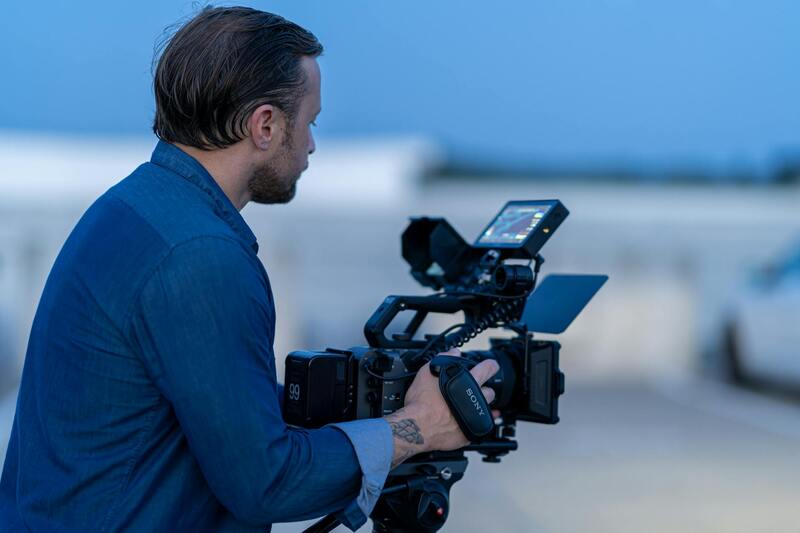
Once filming concludes, the post-production phase translates raw footage into a compelling story. Editing employs professional software like Adobe Premiere Pro, Final Cut Pro, or DaVinci Resolve, which offer extensive tools for cutting, sequencing, and refining visuals and sound.
Color correction and grading are vital to ensure visual consistency, evoke the desired mood, and align with the brand palette. Sound editing involves balancing audio levels, removing unwanted noise, and adding sound effects or music tracks that complement the narrative.
Graphic overlays, subtitles, and visual effects (VFX) can be integrated to amplify messaging clarity and aesthetic appeal. Consistent branding elements—logos, fonts, and color schemes—are embedded throughout the video to reinforce identity.
Throughout editing, attention to pacing ensures content remains engaging, avoiding unnecessary details or repetitive segments. Final outputs are created in various formats to optimize compatibility across platforms, from social media to corporate presentations.
Incorporating feedback from stakeholders at this stage ensures the final product meets strategic goals and maintains high professional standards, ready for seamless distribution.
Understanding Corporate Production Videos
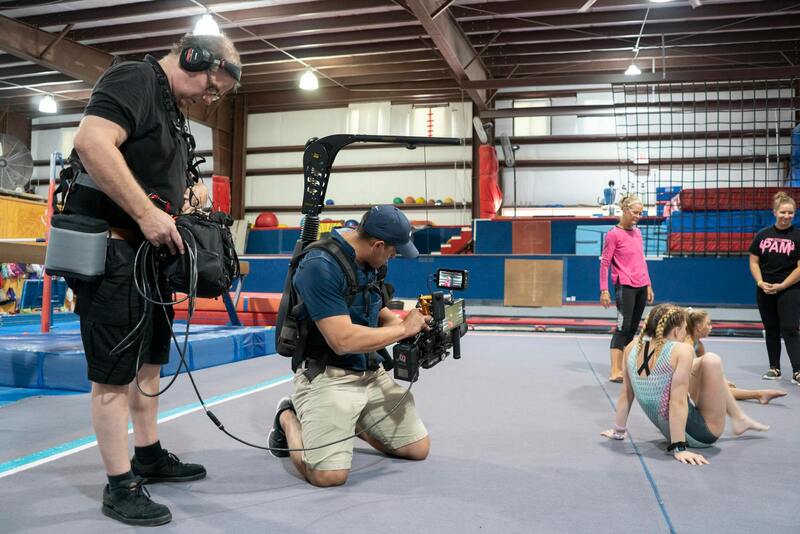
Corporate production videos serve as a vital communication tool for businesses aiming to present their brand, products, and messages professionally. These videos are not merely recordings; they are meticulously crafted narratives designed to resonate with target audiences and reinforce brand values. An effective corporate production begins with comprehensive planning, ensuring that each element—from scripting to visual execution—aligns with strategic objectives. The process involves a detailed understanding of the target demographic, key messaging points, and the desired call-to-action, all of which influence storytelling, visuals, and overall tone. High-quality production values—such as professional lighting, sound, and camera work—are essential to convey credibility and engage viewers. These videos can be used across multiple channels, including websites, social media, trade shows, and internal communications, amplifying their outreach and impact. It’s crucial that production teams adhere to best practices in planning, filming, and editing to produce content that not only looks polished but also effectively communicates the intended message, ultimately fostering trust and credibility among viewers.
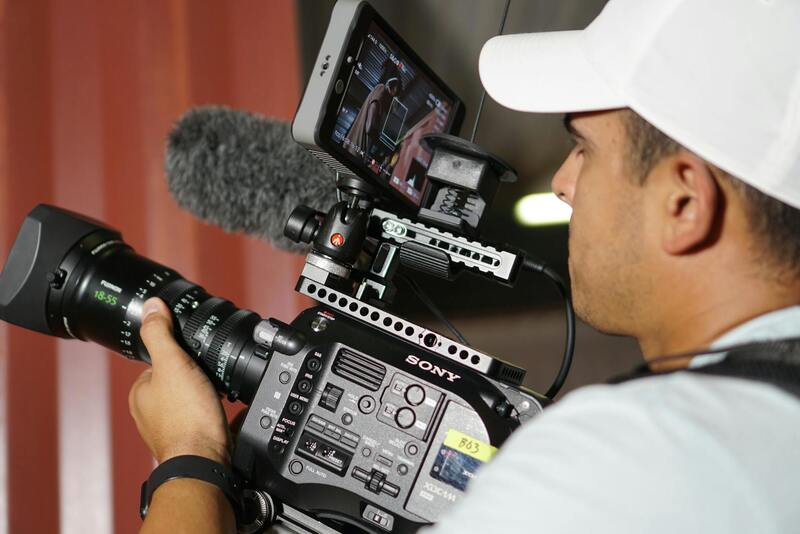
Employing official and well-established methods in the creation process ensures that every stage—from pre-production to distribution—is executed with precision and expertise. This disciplined approach involves comprehensive scripting that outlines the narrative flow and key messages, the selection of suitable locations, professional casting if necessary, and the use of state-of-the-art equipment. During filming, techniques such as controlled lighting, dynamic camera angles, and clear audio capture contribute to the overall production quality. Adhering to these established methods guarantees that visual and auditory elements work harmoniously to produce content that commands attention and communicates professionalism.
Benefits of Using Corporate Videos for Businesses
Incorporating corporate videos into marketing strategies delivers multiple advantages. They enable clear and engaging communication of complex ideas, enhance brand recognition, and foster emotional connections with viewers. Corporate videos also facilitate training, onboarding, and internal communication, ensuring message consistency across teams. Professionally produced content boosts credibility, setting a business apart from competitors. Moreover, videos have proven to increase engagement rates on digital platforms, leading to higher conversion and retention. To achieve these benefits, companies should focus on high production standards, compelling storytelling, and strategic distribution channels that maximize reach and impact.
Production Techniques for Corporate Videos
Mastering the technical aspects of corporate production videos involves several essential techniques that contribute significantly to the final product's professionalism and efficacy. High-quality visuals and crisp audio are foundational, achieved through the use of advanced equipment like 4K cameras, stabilizers, and professional lighting setups. Implementing dynamic camera movements, such as smooth tracking shots or controlled zooms, adds visual interest and helps convey energy or focus, depending on the message.
Avoiding common pitfalls, such as shaky footage or inconsistent lighting, is vital for maintaining viewer engagement. This requires meticulous planning during the shoot, including setting appropriate lighting schemes that highlight subjects without creating harsh shadows or overexposed areas. Sound quality is equally important; employing lapel or shotgun microphones for clear voice capture ensures that dialogue is easily understood, even in noisy environments.
During production, directorial oversight plays a critical role in capturing authentic performances and ensuring all key messaging points are visually reinforced. The use of multiple camera angles provides flexibility during editing and allows for more dynamic storytelling, which resonates better with audiences. A well-organized shot list, aligned with the storyboard or script, streamlines the filming process and minimizes costly reshoots.
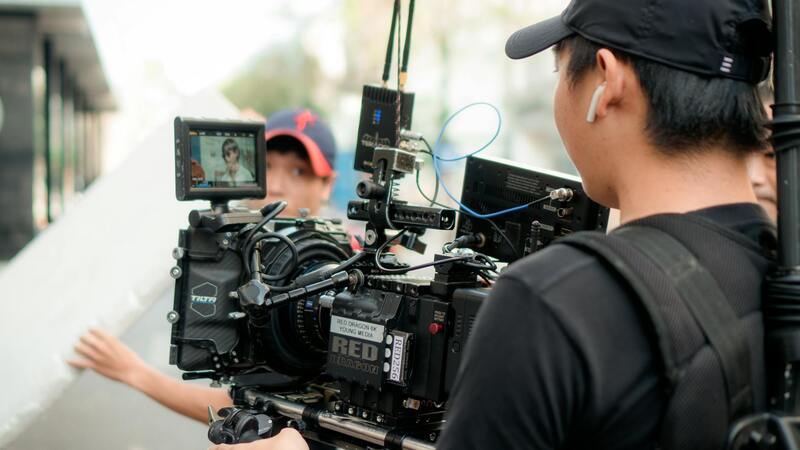
Post-production is where footage is polished to achieve a cohesive and impactful narrative. Skilled editing incorporates transitions that maintain visual flow, color grading to ensure consistency, and sound design to enhance clarity and emotional tone. Incorporating branded elements, such as logos and color schemes, helps reinforce brand identity throughout the video.
Special attention to pacing is necessary; a well-edited corporate video should hold viewers' attention without unnecessary delays or abrupt cuts. Incorporating subtitles or captions ensures accessibility and improves viewer comprehension, especially on social media platforms where silent autoplay is common. Additionally, sound mixing balances dialogue, music, and effects to produce a harmonious audio experience that complements the visual storytelling.

Adopting these production techniques guarantees that your corporate video communicates professionalism while engaging your target audience effectively. Each step, from setup to post-production, aligns with industry best practices and leverages cutting-edge tools to produce content that stands out in competitive markets.
Production Techniques for Corporate Videos
Creating a high-caliber corporate production video demands careful selection and application of specific filming techniques that elevate the final product. The choice of equipment plays a critical role; high-definition cameras capable of capturing crisp, detailed visuals are essential. For professional results, employing stabilizers such as gimbals or dollies ensures smooth footage, reducing the distraction of shaky images. Additionally, the strategic use of lenses allows producers to achieve particular visual effects—wide-angle shots showcase expansive environments, while macro lenses can highlight intricate details of products or features.
Lighting setup significantly influences the mood and clarity of corporate videos. Three-point lighting remains a foundational approach, providing balanced illumination that highlights subjects effectively and minimizes unwanted shadows. For more dynamic content, supplementary lighting techniques such as accent or backlighting can enhance visual interest or create depth. Consistent and accurate color rendering is achieved through well-planned lighting, which also aids in reducing post-production correction efforts.
Sound quality directly impacts viewer engagement; external microphones, such as lapels or shotgun mics, capture cleaner dialogues and reduce ambient noise. In controlled environments like studios or offices, soundproofing measures can further enhance audio clarity. During scenes requiring multiple perspectives, directional microphones can isolate the desired sound source, ensuring crisp dialogue and clear narration. Strategic directing during filming ensures that actors or interviewees are positioned effectively, maintaining eye lines and natural movements that contribute to a convincing narrative.
Employing these production techniques helps establish a polished and engaging corporate video. Carefully orchestrated camera movements, deliberate lighting choices, and pristine sound recording all contribute to a compelling final product that communicates messages with clarity and authority.
Understanding Corporate Production Videos
Corporate production videos are professionally crafted visual narratives that serve to communicate a company's message, showcase products or services, and enhance brand perception. They are tailored to address specific corporate goals, ranging from marketing campaigns and training modules to investor presentations and event coverage. These videos are characterized by high production standards, a clear focus on the target audience, and alignment with the company's strategic messaging. Crafting a compelling corporate video requires meticulous planning, creative storytelling, and expert execution to ensure the final product resonates effectively with viewers.
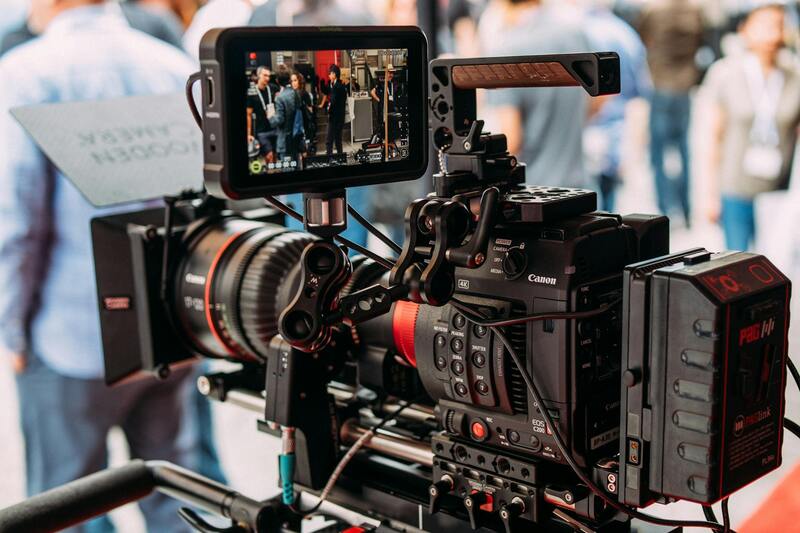
In today's digital landscape, a corporate production video is a powerful tool that helps organizations stand out in competitive markets. When produced with expertise, these videos can significantly influence viewer perceptions and drive engagement, making them essential components of a comprehensive corporate communication strategy.
Benefits of Using Corporate Videos for Businesses
The strategic use of corporate videos offers numerous advantages for businesses aiming to expand their reach and strengthen their market position. Notably, they improve audience engagement by providing visually appealing and digestible content. Videos foster a strong emotional connection, making complex messages easier to understand and remember. They also enhance SEO performance by increasing website dwell time and encouraging sharing on social media, which broadens brand exposure.
- Improved brand recognition and recall
- Enhanced credibility and professionalism
- Increased customer trust and loyalty
- Better communication of complex ideas
- Boosted online visibility and organic reach
Furthermore, corporate videos serve as adaptable content that can be repurposed across multiple platforms—website, social media, trade shows, and internal communications—maximizing the return on investment. Their ability to convey themes succinctly and compellingly ensures that messages are communicated efficiently, fostering positive perceptions and facilitating conversions.
Key Elements of Effective Corporate Production Videos
Creating impactful corporate videos hinges on several essential components that come together during production. The narrative should be clear, engaging, and aligned with the brand voice. Visual elements like professional lighting, compelling cinematography, and attractive graphics contribute to overall appeal. High-quality audio ensures clarity, helping convey messages without distraction. Additionally, incorporating authentic testimonials or user stories increases credibility and relatability.
Strategic scripting, tight editing, and thoughtful pacing are also vital. Every frame should serve a purpose, whether to highlight a product feature or to evoke an emotional response. Incorporating a call-to-action at the end guides viewers toward desired outcomes, whether that’s visiting a website, signing up for a service, or attending an event. All these elements contribute to a cohesive and persuasive corporate video that meets business objectives.
Planning and Pre-production Process
The journey to a successful corporate production video begins with meticulous planning during the pre-production phase. It involves setting clear objectives, identifying the target audience, and establishing key messages. Budget considerations, resource allocation, and timeline development are crucial to keep the project on track. During this stage, creative concepts and storyboards are developed to visualize the narrative flow and visual style.
Stakeholder collaboration ensures alignment on content, branding standards, and technical requirements. Securing locations, casting talent, and assembling a dedicated crew—such as videographers, lighting technicians, and sound engineers—are also integral steps. A well-organized pre-production process minimizes unforeseen challenges during filming and ensures all elements are prepared to facilitate a smooth production phase.

The pre-production phase is critical for setting expectations, defining deliverables, and establishing a clear vision. It also involves coordinating logistics, such as obtaining permits and scheduling shoots to maximize efficiency. Successful pre-production minimizes costly errors, ensures compliance with branding standards, and sets the stage for creative storytelling.
Production Techniques for Corporate Videos
During production, applying advanced techniques is essential to capture visually compelling and high-quality footage. A key aspect is lighting control; using professional lighting setups enhances the clarity, mood, and professionalism of the video. Techniques such as three-point lighting provide even illumination, while accent and backlighting add depth and dimension.
Camera work is equally important. Employing stable camera movements with tripods or gimbals ensures smooth shots, while strategic angles and framing emphasize key messages. Utilizing different shot types—close-ups, medium shots, and wide angles—creates visual variety and maintains viewer interest. For interviews or testimonials, ensuring proper framing and eye contact fosters authenticity and engagement.
- Consistent color grading to enhance visual tone
- Use of professional microphones for crisp audio
- Incorporation of motion graphics and visual effects for emphasis
- Dynamic camera movements to add energy
- Controlled environment settings for minimized noise and distractions
Sound design—including ambient sound, background music, and voice clarity—directly influences the professional finish of corporate videos. Proper audio setup, such as using lapel or shotgun microphones, captures clear dialogues and narration, minimizing background noise. Posture and delivery also play roles in creating a natural, relatable presentation.
Understanding Corporate Production Videos
Corporate production videos serve as a vital communication tool that helps organizations articulate their missions, showcase products or services, promote brand values, and foster customer engagement. These videos typically encompass a variety of formats, including promotional clips, training videos, corporate testimonials, and event coverage. The primary goal is to deliver clear, compelling messages through high-quality visuals and professional storytelling techniques. Given their strategic importance, these videos require meticulous planning, expert execution, and post-production refinement to ensure they meet organizational objectives and resonate effectively with target audiences.
Benefits of Using Corporate Videos for Businesses
Implementing corporate videos offers multiple advantages that can significantly impact overall business performance. Firstly, they enhance communication clarity, allowing complex messages to be conveyed succinctly and visually. Video content is inherently more engaging than text-based information, increasing viewer retention and interaction rates. Additionally, videos provide a versatile platform for storytelling, enabling companies to build emotional connections with their audience. They are also highly shareable across digital channels, boosting brand visibility, and fostering audience trust. Furthermore, professional corporate videos contribute to a consistent brand image, reinforcing organizational values and establishing authority within the industry. These visual tools can be leveraged across diverse platforms, including websites, social media, internal communications, and trade exhibitions, making them indispensable in contemporary corporate marketing strategies.
Key Elements of Effective Corporate Production Videos
Creating impactful corporate videos hinges on several core components that collectively enhance the quality and effectiveness of the final product:
- Clear Messaging: The core message should be concise, targeted, and aligned with organizational goals.
- Professional Scriptwriting: Scripts must be engaging, informative, and designed to evoke emotional responses.
- Visual Quality: High-resolution footage, well-composed shots, and strategic framing elevate the video’s professionalism.
- Sound Clarity: Crisp audio, balanced background music, and clear narration contribute significantly to viewer engagement.
- Consistent Branding: Use of brand colors, logos, and stylistic elements creates a cohesive visual identity.
- Call-to-Action (CTA): Effective incentives guide viewers toward desired responses, such as visiting a website or contacting sales teams.
Planning and Pre-production Process
Effective corporate videos commence with detailed planning and pre-production activities that lay the groundwork for a successful shoot. This phase involves defining objectives, identifying target audiences, and establishing key messages. Script development follows, ensuring that content aligns with branding guidelines and communication goals. A comprehensive storyboard maps out visual sequences, camera angles, and scene transitions, facilitating clear visualization for the entire team. Additionally, selecting suitable locations, securing necessary permits, and coordinating talent and crew are critical tasks during this stage. Budgeting considerations and scheduling production timelines are also addressed to ensure a smooth workflow. Pre-production lays the foundation for efficient execution, minimizing disruptions and optimizing resource utilization during filming.
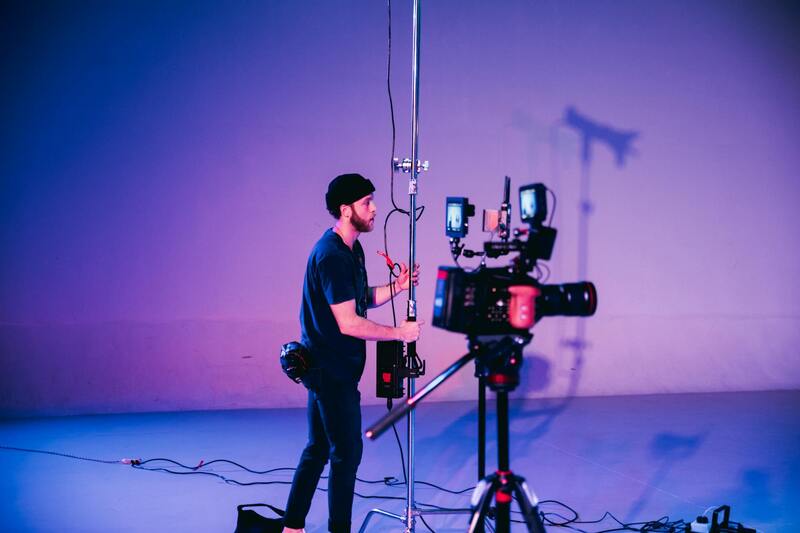
Ensuring Compliance with Official and Industry-Standard Methods
When producing a corporate production video, adhering to recognized and established methods is essential to guarantee the final product aligns with professional standards and communicates effectively. These methods involve a comprehensive approach that includes meticulous planning, experienced execution, and structured post-production processes. It is crucial to engage with credentialed professionals who utilize state-of-the-art equipment and follow industry best practices, ensuring the video’s technical quality and brand consistency.
One of the primary official methods involves thorough pre-production processes. This includes detailed scriptwriting that captures the core messages accurately, storyboarding that visualizes every scene for clarity, and location scouting to secure suitable settings that support the narrative. Additionally, obtaining the necessary permits and ensuring all legal considerations surrounding locations, talent, and music rights are addressed prevents complications during the project. Collaborating with certified production teams ensures adherence to safety standards and quality benchmarks, which ultimately enhances the professional appeal of the corporate video.
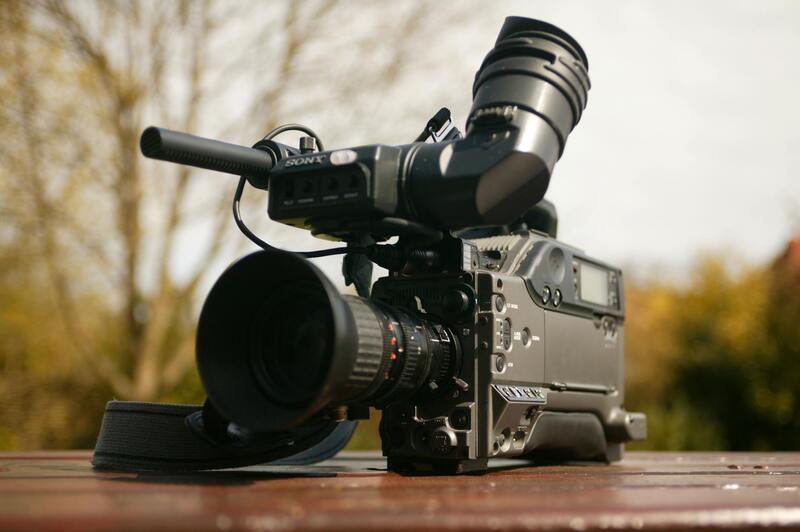
During the production phase, employing industry-approved filming techniques such as multi-camera setups, professional lighting, and stabilizing equipment results in high-quality visuals. Such equipment helps to achieve crisp footage with balanced lighting, even in challenging environments. Selective use of cinematic camera angles and smooth motion contributes to a polished look that resonates with corporate audiences.
Sound quality is equally critical. Utilizing field microphones, lapel mics, and acoustic treatment ensures clarity and minimizes background noise. These practices elevate the overall professionalism of the video, making the message clear and engaging for viewers. Additionally, documenting scenes thoroughly with detailed shot lists promotes consistency across takes and simplifies editing, lending a cohesive flow to the narrative.
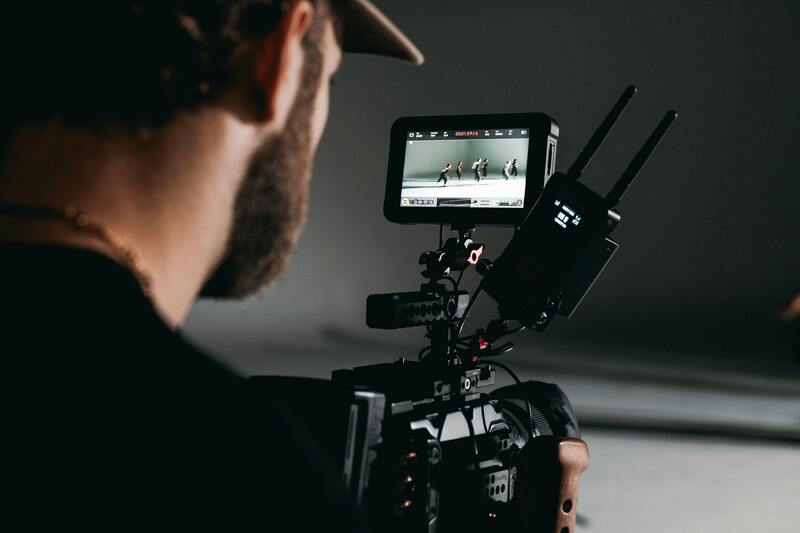
Post-production is a vital stage where raw footage is transformed into a compelling storytelling asset. Employing advanced editing software and techniques—such as color grading, sound mixing, and visual effects—ensures the video maintains a high production value. Clear, precise editing highlights important information, maintains viewer engagement, and aligns with branding standards. Incorporating motion graphics, text overlays, and animations can further emphasize key messages and calls-to-action, providing a professional touch rooted in recognized editing practices.
Distribution channels also play a significant role in maintaining proper usage rights. Utilizing platforms like corporate websites, professional social media networks, and targeted email campaigns ensures controlled and strategic dissemination of the video content. Each platform's specifications, such as video format, length, and resolution, are followed to optimize viewing experience across devices and maximize engagement. Respecting content licensing and intellectual property rights during this phase preserves the authenticity and credibility of the corporate message.
In managing these aspects, organizations align production efforts with recognized industry standards and best practices, ensuring their corporate videos serve as powerful tools for branding, marketing, and internal communication objectives. This disciplined approach guarantees the video’s effectiveness, professionalism, and compliance with established practices, reinforcing the company’s reputation and fostering viewer trust.