

Understanding Video Interview Production
Video interview production encompasses the comprehensive process of capturing, editing, and delivering high-quality interview content for a variety of professional, media, and corporate applications. This process extends beyond simple recording, involving meticulous planning, technical setup, and post-production adjustments to ensure the final product effectively communicates the intended message. The significance of well-produced video interviews lies in their ability to engage viewers, convey credibility, and support branding efforts across multiple platforms.
At its core, video interview production integrates several key stages—each vital to achieving a polished, impactful result. From initial planning and equipment setup to in-depth editing, the goal remains consistent: to produce a seamless, professional video that enhances the narrative and resonates with the intended audience. Whether used for corporate marketing, educational purposes, or media reporting, high-caliber production standards are essential to foster trust and authority.
The Role of Video Interview Production
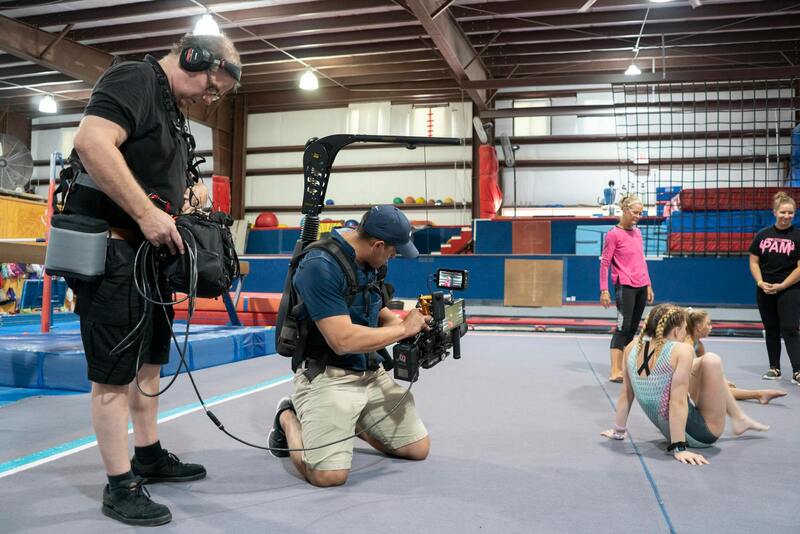
Quality video interview production plays a pivotal role in shaping perceptions and delivering compelling stories. It involves careful coordination of multiple technical and creative elements to capture authentic and engaging footage. This includes selecting appropriate locations, setting up lighting schemes, managing sound quality, and directing the interview flow. The final product should not only look visually appealing but also sound clear and convey the interviewee's message authentically.
In professional contexts, such as corporate communications or media interviews, the production quality directly affects audience trust and credibility. As digital content continues to dominate, the demand for polished, engaging interview videos increases, making expert production techniques more vital than ever.
The Significance of Proper Production Methods
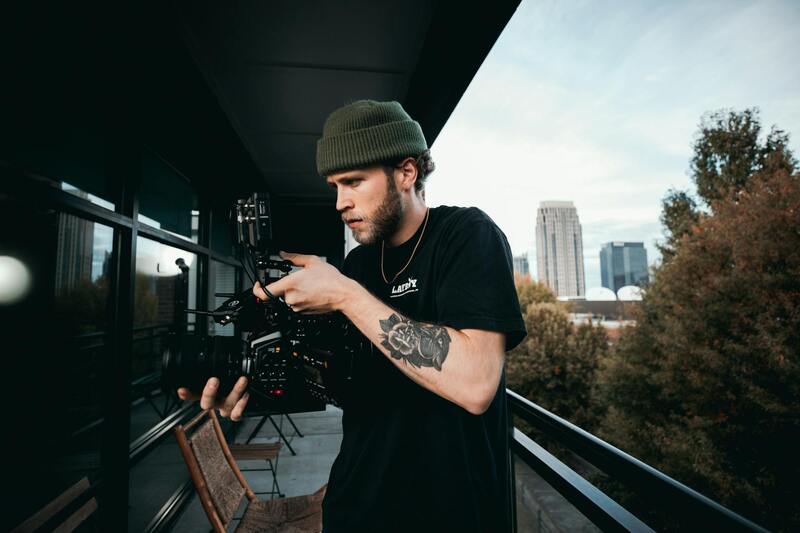
Adopting legitimate production methods ensures that interview videos meet industry standards for clarity, stability, and overall presentation. It reduces the need for extensive post-editing and minimizes disruptions during filming. Properly executed production workflows include initial project planning, equipment checks, and adherence to shooting protocols. These measures help create a cohesive final product that effectively communicates the interview’s core message and maintains viewer engagement.
In addition, professional production techniques foster a consistent visual style and ensure legal compliance regarding content rights and permissions. This meticulous approach helps organizations and media outlets deliver trustworthy and impactful interview content across various distribution channels.
Equipment Selection and Setup
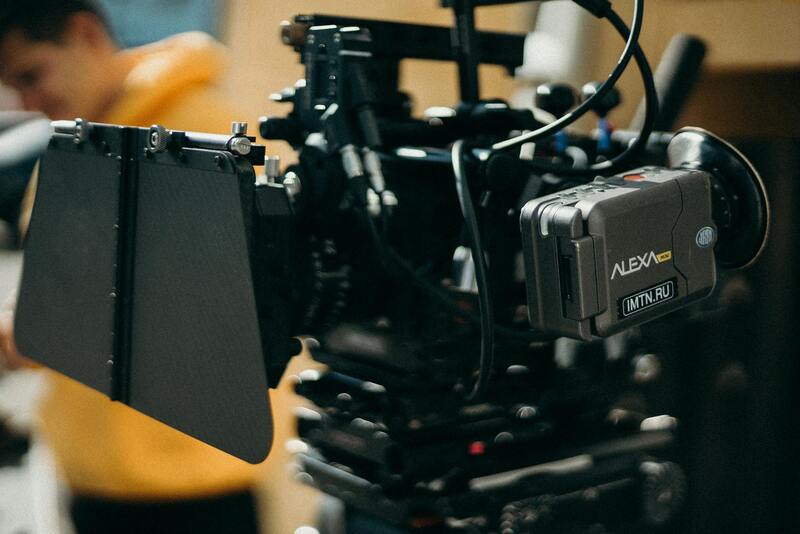
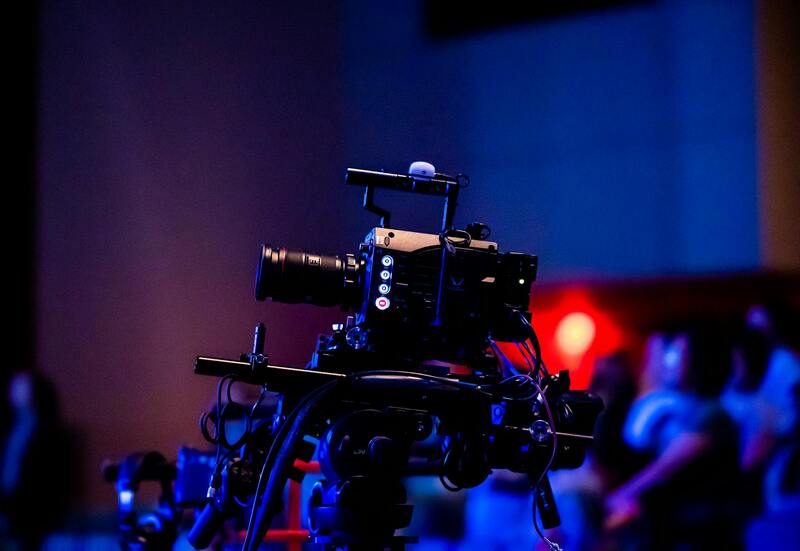
Choosing the right equipment is fundamental to achieving high-quality video interview production. This involves selecting the appropriate cameras, microphones, and lighting gear to capture clear visuals and crisp audio. High-definition cameras with adjustable settings are preferred for their versatility and image quality, allowing for optimal focus, color balance, and stabilization during the shoot.
Microphones should be chosen based on the interview environment. Lavalier microphones, also known as lapel mics, are ideal for capturing direct speech with minimal background noise, offering mobility and discretion. Shotgun microphones are effective for capturing audio from a distance and are suitable for larger or noisier locations. Ensuring proper placement and synchronized recording with the camera system enhances overall sound clarity.
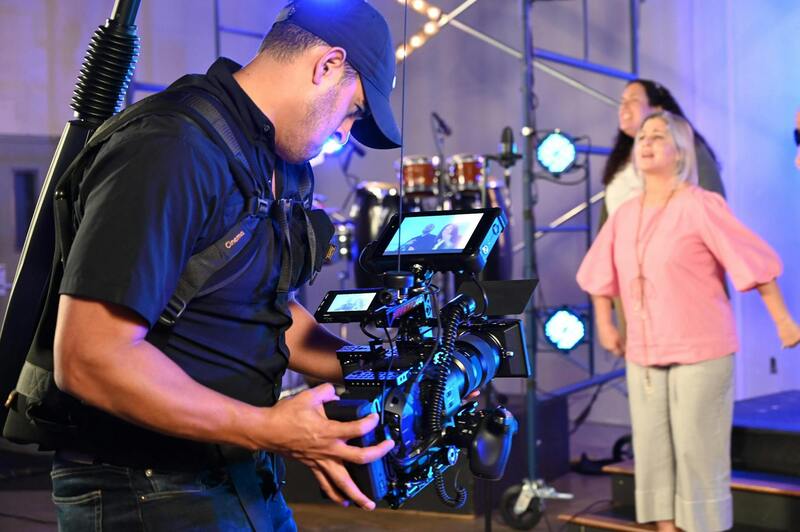
Lighting setup plays a crucial role in the visual quality of the footage. Soft, diffused lighting minimizes harsh shadows and provides even illumination across the interviewee's face. Key lights, fill lights, and backlights are typically used in a three-point lighting configuration to create a professional and appealing look. Additionally, portable lighting kits with adjustable brightness and color temperature can adapt to different shooting environments, ensuring consistent lighting standards.
Lighting and Sound Techniques
Implementing effective lighting and sound techniques requires careful planning and execution. For lighting, the goal is to enhance facial features without creating distractions. Diffusers and reflectors soften the light and reduce glare, while dimmers allow precise control over brightness levels. Positioning lights at 45-degree angles from the subject helps achieve natural-looking highlights and shadows. It is also vital to minimize ambient light interference that can cause inconsistencies in the footage.
Sound management involves not only choosing high-quality microphones but also controlling the environment to reduce background noise. Using soundproofing materials or conducting recordings in quiet locations enhances audio clarity. Microphone placement should be close enough to the interviewee to capture their voice clearly but positioned to avoid visual obstructions on camera. Conducting sound checks prior to filming ensures levels are appropriate, avoiding distortion or inaudibility.
Filming and Conducting Interviews
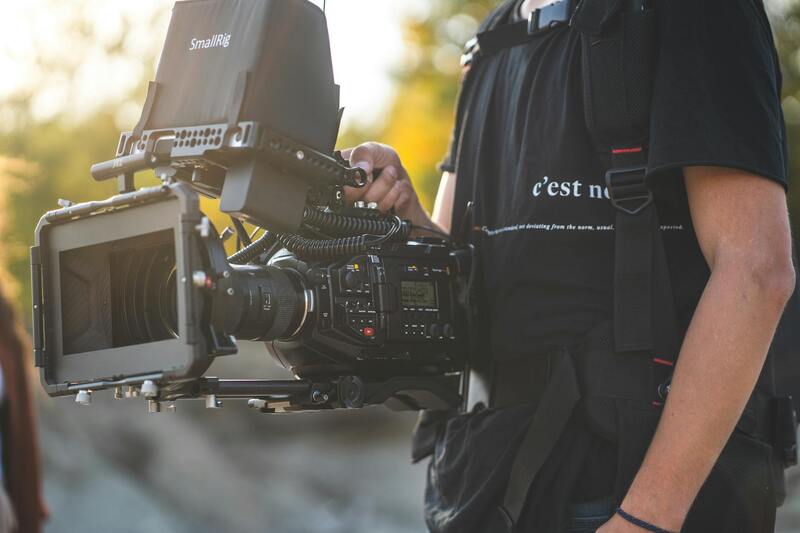
During the filming process, establishing a professional atmosphere is essential for authentic and engaging interviews. This involves guiding the interviewee through the session, providing clear instructions, and creating a comfortable environment that encourages natural responses. Framing the shot with proper composition—such as maintaining eye-level camera angles and appropriate headroom—enhances viewer engagement.
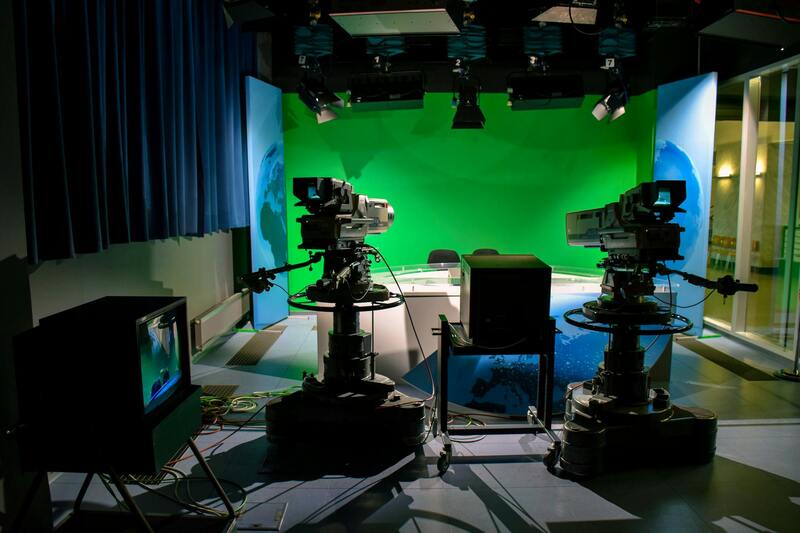
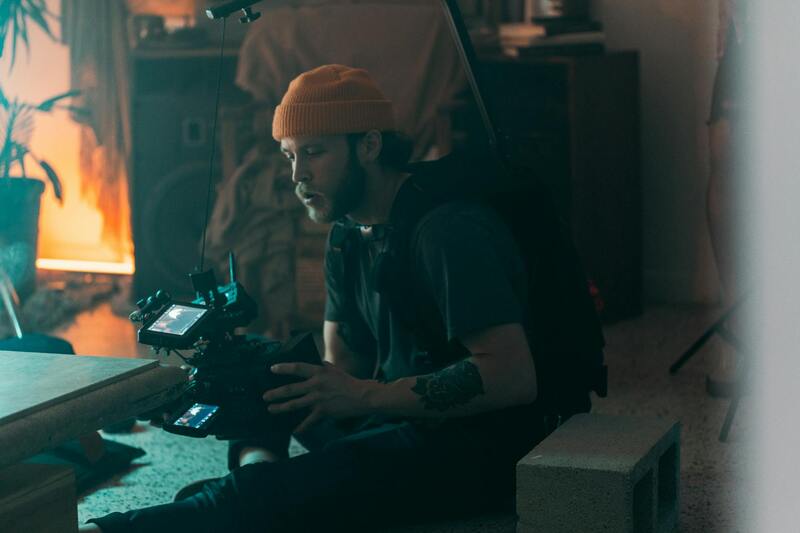
Multiple takes might be necessary to capture the best delivery, but it's equally important to be flexible and adapt to the interviewee's style and comfort level. Maintaining clear communication throughout the shoot helps avoid unnecessary retakes and ensures that the final footage aligns with the desired message. Utilizing monitor screens allows directors to observe framing, focus, and audio quality in real time, making adjustments as needed.
Post-Production Editing
Once filming concludes, editing plays a vital role in shaping the final product. Color correction and grading ensure visual consistency and enhance the aesthetic appeal. Audio editing includes removing background noise, balancing levels, and adding compression if necessary to ensure clarity across different playback devices.
Cutting unnecessary segments, adding transitions, and integrating graphics or subtitles can improve the viewer's understanding and engagement. Maintaining a seamless flow between segments preserves the interview’s narrative and keeps the audience interested. Utilizing professional editing software facilitates precise adjustments to both picture and sound, resulting in a polished, impactful final product.
Optimizing Video for Distribution
Final videos should be formatted appropriately for various platforms, considering aspect ratios, resolution, and compression settings to optimize playback quality and file size. Employing aspect ratios like 16:9 for wider screens or square formats for social media ensures compatibility across different devices.
Adding metadata, including relevant titles and descriptions, aids discoverability. Thumbnail customization and strategic placement of keywords in descriptions and tags enhance visibility in search results. Ensuring accessibility through closed captions or subtitles broadens the reach and complies with content accessibility standards.
Legal and Ethical Considerations
Ensuring all content used within the video interview adheres to established rights and permissions safeguards the integrity of the production. This includes securing clearances for any third-party footage, music, or images incorporated into the final product. Obtaining consent from interviewees regarding their appearance and statements is paramount, alongside documenting permissions and releases for reference.
Maintaining transparency regarding the use of recording equipment, especially in sensitive environments or private settings, demonstrates professionalism and fosters trust. Additionally, safeguarding personal data and managing content distribution responsibly aligns with ethical standards for video interview production.
Ensuring Proper Footage Security and File Management
Effective video interview production necessitates meticulous handling of the recorded material. Once filming is complete, all footage should be promptly backed up onto secure storage devices such as encrypted external drives or cloud-based platforms with restricted access. This prevents data loss and protects sensitive content from unauthorized viewing. Implementing a structured file naming system enhances organization, allowing easy retrieval and version control. For example, including date, project name, and scene number in file titles helps streamline post-production workflows. Additionally, maintaining detailed logs of each recording session, including calibration settings and context notes, supports a smoother editing process. Securely transferring files from shooting locations to editing stations requires encrypted channels to prevent interception. Whether utilizing physical transfer methods or online file-sharing services, consistent security protocols must be followed. This ensures the integrity of the original recordings and maintains confidentiality when dealing with private or proprietary information. During post-production, consider employing digital rights management (DRM) tools to restrict unauthorized copying or distribution of the final product. When sharing drafts or final versions with clients or stakeholders, use secure, permission-based platforms that enable controlled access. Regularly updating your data protection measures in line with current best practices further fortifies your production against potential vulnerabilities. This proactive approach guarantees that the content remains protected throughout every stage—from initial capture to final delivery.
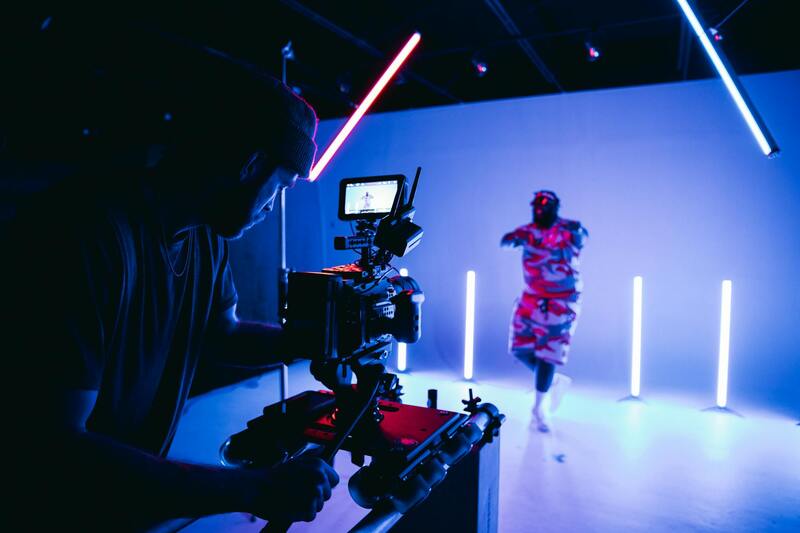
Implementing Clear Content Review Processes
Before finalizing and distributing any video interview, it is essential to establish a comprehensive review protocol. This involves multiple stages of evaluation by key stakeholders, including producers, legal advisors, and interviewees, if applicable. Initial rough cuts should be shared internally to gather feedback on content accuracy, tone, and relevance. This early review allows for adjusting pacing, correcting audiovisual issues, and ensuring the overall message aligns with project goals. Subsequently, a more formal review process can be conducted, focusing on compliance aspects such as consent, privacy considerations, and accuracy of representations. Documented feedback should be incorporated systematically to refine the final edition. The review process also includes verification of metadata, captions, and translations, if applicable, ensuring accessibility and searchability. Final approval should be documented to uphold accountability and transparency. By instituting a structured review system, production teams can significantly reduce errors and improve the quality of the finished product, ultimately reflecting professional standards and reliability.
Understanding Video Interview Production
Effective video interview production hinges on meticulous planning and execution, especially when aiming for a polished, professional result. Each step, from initial concept to final distribution, demands attention to detail to ensure content resonates with viewers and fulfills the intended purpose. Quality production not only enhances the credibility of the interview but also maximizes viewer engagement and satisfaction.
Pre-Production Planning and Planning
Thorough pre-production planning is the foundation of successful video interviews. This phase involves defining clear objectives, understanding the target audience, and outlining key messages. Developing a detailed shot list, script, or interview outline ensures all necessary topics are covered systematically. Additionally, selecting appropriate locations that align with the interview theme and logistical considerations helps in creating a conducive environment for filming.
Scheduling is crucial, taking into account the availability of interviewees and crew, alongside optimal lighting conditions. Arranging necessary permits or permissions for specific locations should be confirmed ahead of time. Creating a production calendar helps coordinate all moving parts, reducing last-minute issues and ensuring smooth execution.
Equipment Selection and Setup
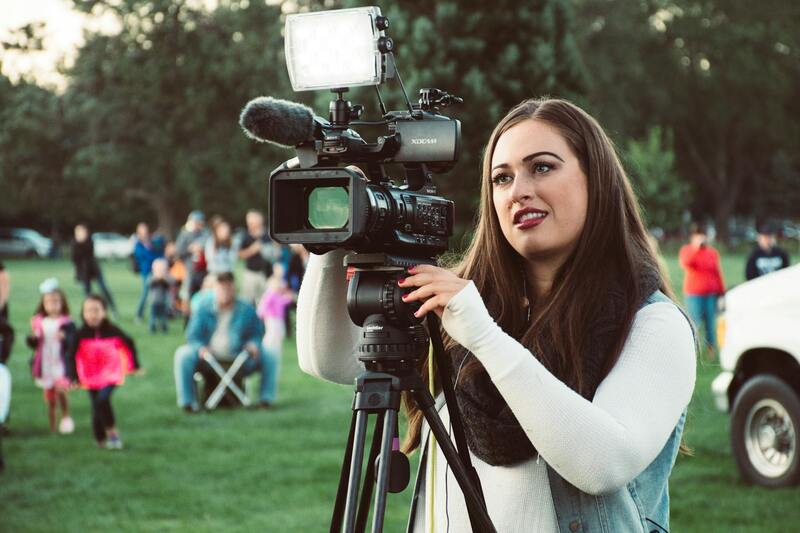
Equipment choice significantly impacts the clarity and professionalism of the final product. High-quality cameras with appropriate resolution and frame rates are essential to capture detailed visuals. Tripods or stabilizers ensure steady shots, minimizing distracting movements. Good lighting equipment, such as softboxes or LED panels, ensures the subject is well-lit, highlighting facial features and reducing shadows.
Audio quality is equally critical, with professional microphones—lapel, shotgun, or handheld—being preferred over built-in camera microphones. Using headphones to monitor audio ensures clarity and detects issues like background noise or interference during filming. Proper setup involves testing all equipment beforehand, adjusting angles, and ensuring everything functions correctly before beginning the shoot.
Audio and Lighting Setup Tips
- Use directional microphones to focus on the interviewee's voice, reducing ambient noise.
- Employ soft, diffuse lighting to create a flattering, even look, avoiding harsh shadows.
- Position lights to eliminate backlighting and ensure the subject stands out from the background.
- Test audio levels and lighting conditions in the environment before filming the interview.
- Have backup batteries and equipment ready to address technical issues swiftly.
Final Thoughts on Role of Quality in Video Interviews
Attention to detail at each stage of production—right from pre-visualization to equipment setup—ensures the creation of engaging, professional-quality video interviews. Proper preparation minimizes on-site errors and enhances the overall production value, reinforcing the credibility and impact of the final content. Employing the best practices in planning, equipment setup, and technical execution paves the way for delivering impactful interviews that meet high standards and audience expectations.
Understanding Video Interview Production
Video interview production requires meticulous attention to detail, from initial planning through final editing, to deliver content that is compelling, professional, and aligned with specific goals. It involves multiple stages, each contributing to the overall quality and effectiveness of the interview footage. Recognizing the significance of each phase ensures that the final product accurately captures the interviewee’s message, maintains viewer engagement, and upholds high standards of production value.
Pre-Production Planning and Planning
Successful video interviews start with comprehensive pre-production planning. This phase involves defining clear objectives for the interview, understanding the target audience, and establishing the desired tone and style. Planning includes selecting suitable locations that enhance visual appeal and sound quality while minimizing environmental distractions. Budget considerations, scheduling, and crew coordination are also essential components, ensuring that all logistical aspects align with the project timeline.
Developing a detailed shot list and interview script helps streamline the process, allowing for efficient on-site execution. Additionally, securing permits or permissions for shooting locations, particularly in public or private spaces, ensures smooth production without interruptions. Collaboration with the interviewee to prepare topics and questions further enhances the flow and relevance of the conversation.
Equipment Selection and Setup
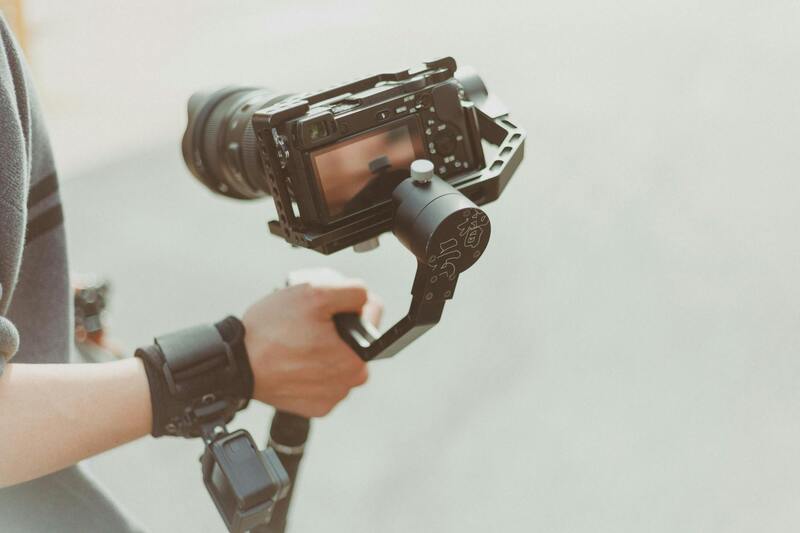
Choosing the right equipment is crucial for capturing crisp visuals and clear audio. High-definition cameras with reliable codecs provide the image quality necessary for professional productions. Tripods, stabilizers, and gimbals assist in achieving steady shots free from shakiness. Lens selection should cater to the interview setting—wide-angle lenses work well for capturing full-body shots in dynamic environments, while portrait lenses are preferable for close-ups.
Audio equipment should feature professional microphones, such as lapel or shotgun microphones, to ensure clarity and eliminate background noise. Audio recorders or mixers allow for real-time sound monitoring, and using headphones during filming helps detect issues immediately. Properly positioning microphones relative to the interviewee optimizes sound pickup and minimizes interference.
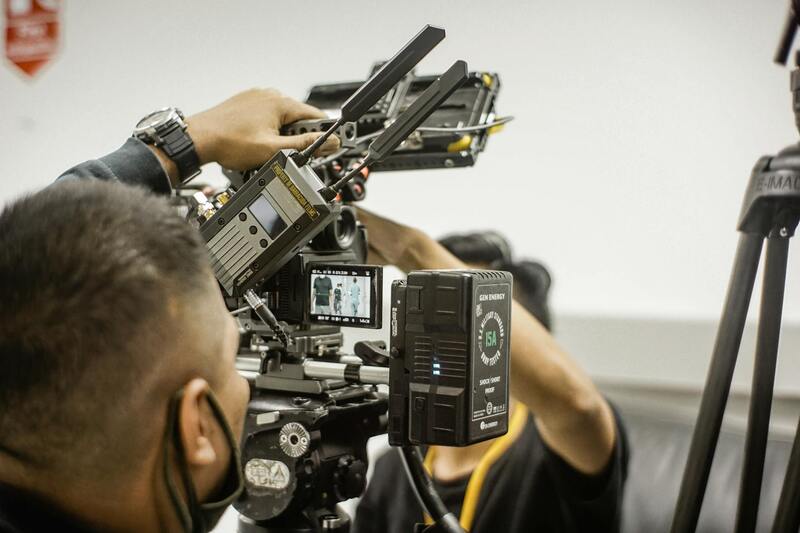
Lighting setup plays a critical role in producing visually appealing content. Soft, diffuse lighting reduces shadows and creates a flattering appearance, especially for close-up shots. Key lights, fill lights, and backlights should be strategically positioned to illuminate the subject evenly and separate them from the background. Employing reflectors or light modifiers can enhance the quality of lighting, ensuring consistent results regardless of environmental conditions.
Lighting and Sound Techniques
Lighting techniques are aimed at fostering professionalism and ensuring the subject stands out prominently. It’s advisable to avoid harsh, direct lighting, favoring softboxes or diffusers that mellow the light and eliminate unflattering shadows. Positioning lights at a 45-degree angle to the subject’s face, along with a fill light on the opposite side, creates depth and dimension. Eliminating background clutter and controlling ambient light further improves the visual focus on the interviewee.
Sound techniques involve capturing clear, interference-free audio. Directional microphones, such as lapel or shotgun types, concentrate on the speaker’s voice while minimizing surrounding noise. Ensuring the environment is quiet and free from echoes contributes to the clarity of the recording. Conducting sound checks before filming guarantees levels are balanced and free from distortion. Backup batteries, redundant audio recordings, and monitoring equipment are crucial to prevent technical failures during the shoot.
Filming and Conducting Interviews
Engaging interviewees takes skillful direction. Creating a relaxed atmosphere encourages natural responses, which enhances the authenticity of the footage. Framing shots properly—such as using the rule of thirds—helps in crafting visually appealing compositions. For standard interviews, a medium close-up shot focusing on the face and upper body typically works best, conveying emotion and engagement effectively.
During filming, maintaining eye contact with the interviewee and providing gentle prompts or cues can help elicit insightful responses. Using multiple camera angles, including wide shots and close-ups, offers flexibility in post-production editing and adds visual interest. Capturing genuine reactions and avoiding overly scripted responses ensures the content remains relatable and compelling for viewers.
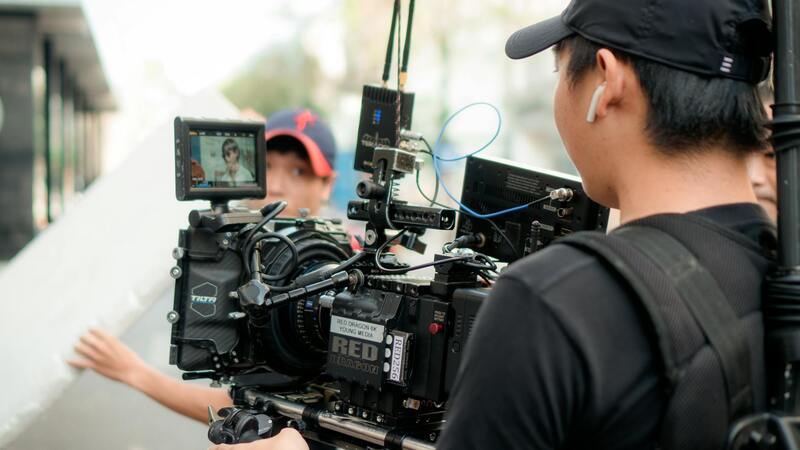
Effective communication and clear instructions from the director help in managing the interview flow. Encouraging the interviewee to speak naturally while maintaining focus on key points results in dynamic and impactful content. Technical adjustments, such as changing camera angles or rechecking audio levels, should be performed seamlessly to avoid disrupting the interview’s rhythm.
Legal and Ethical Considerations
When producing a professional video interview, adhering to sound legal and ethical standards is vital to protect all parties involved and uphold the integrity of the content. Ensuring consent from interviewees prior to filming confirms that individuals are aware of how their footage will be used, which fosters transparency and trust. Signed releases or model consent forms are often employed to formalize this agreement, outlining the scope of usage, distribution, and rights associated with the footage.
Proper attribution and acknowledgment of contributions are equally important. If any third-party content—such as music, images, or proprietary material—is incorporated, securing necessary permissions or licenses is essential to prevent copyright infringement. Incorporating royalty-free media or original content can circumvent potential issues and ensure compliance with intellectual property regulations.
Transparency in disclosing the purpose of the interview and how the footage will be shared helps align expectations and uphold ethical standards. This is particularly crucial when interviews involve sensitive topics, as respectful handling and confidentiality agreements demonstrate professionalism and consideration. For example, anonymizing certain details or securing written agreements about sensitive content can prevent misunderstandings or conflicts later on.
Maintaining honesty during post-production is also critical. Honest editing practices, such as avoiding misrepresentation through manipulated footage or selective editing that distorts the interviewee’s intent, contribute to credible and trustworthy content. When editing, make sure to preserve the context and message conveyed during the interview, avoiding any alterations that might mislead viewers or misrepresent the interviewees.
Data Privacy and Security
Handling interview data with strict confidentiality safeguards the privacy of participants. Digital storage solutions should be secure, with access limited to authorized personnel. Additionally, implementing encrypted file transfer protocols and maintaining comprehensive records of consent forms ensures accountability and adherence to data protection standards.
Ethical Interviewing Practices
- Respect for interviewee autonomy and comfort during the shoot
- Providing clear information about how the footage will be used and distributed
- Avoiding coercive or manipulative questioning techniques
- Ensuring truthful representation of the interview content
By following these comprehensive guidelines, video interview production not only yields high-quality content but also builds trust and maintains the highest professional standards in the industry.
Legal and Ethical Considerations in Video Interview Production
Ensuring that video interview productions adhere to proper mechanisms is essential for maintaining professional standards and respecting the rights and dignity of all participants. The process involves implementing official measures for consent, content management, and distribution, which safeguard the integrity of the production while adhering to established industry practices.
Official Consent and Documentation
One of the primary steps in legitimate video interview production is obtaining documented consent from interviewees. This involves providing clear information about the purpose of the interview, how the footage will be used, and the rights of the participant. Written agreements or consent forms should be signed, explicitly outlining these details. This process not only clarifies expectations but also creates a record that can be referred to if questions about usage or rights arise later.
Proper Content Handling and Distribution
Official methods for managing interview content involve adherence to distribution policies that respect intellectual property rights and privacy concerns. Content should be edited transparently, without manipulation that could alter the interviewee’s intended message. When sharing or publishing these videos, it’s vital to ensure accurate representation, maintaining the context and authenticity of the original footage.
Secure Data Storage and Access Control
Safeguarding the digital assets associated with interview recordings through secure storage practices is critical. Using encrypted drives and secure cloud storage solutions helps prevent unauthorized access. Limiting access to authorized personnel ensures that sensitive information remains protected and minimizes the risk of unlawful dissemination or mishandling.
Adherence to Industry Standards and Best Practices
Following recognized procedures, such as conducting interviews in appropriate environments and maintaining respectful communication, enhances the quality and credibility of the production. Employing official tools and documented workflows demonstrates a commitment to transparency and professionalism. Regularly updating team protocols to align with evolving standards ensures ongoing compliance and improvement.
Ethical Conduct and Respect
Respecting interviewee autonomy involves creating a comfortable environment, providing clear information, and avoiding coercive techniques. Transparent communication about the purpose and potential uses of the footage fosters trust. Ensuring that the content is presented truthfully and accurately reflects the conversation is essential for ethical integrity.
Implementing Secure and Standardized Post-Production Processes
After capturing high-quality interview footage, the focus shifts to post-production, where careful editing and adherence to established procedures ensure the final product is polished, professional, and ethically sound. This phase is crucial for maintaining the integrity of the content while optimizing it for various distribution channels.
Establishing a Consistent Workflow
A structured post-production workflow involves several sequential steps: importing and backing up raw footage securely, organizing clips systematically, and creating detailed editing scripts or storyboards. Using standardized editing protocols helps ensure consistency across projects, which enhances overall production quality and facilitates easier collaboration among team members.
Editing with Accuracy and Respect
The editing process should reflect the original interview's tone and intent, avoiding alterations that might distort the message. Careful trimming and sequencing are vital to create a coherent narrative while preserving the authenticity of the interview. Subtle adjustments to color grading, audio fidelity, and visual transitions should enhance clarity without over-processing or manipulating content beyond reasonable improvement.
Incorporating Metadata and Documentation
Embedding comprehensive metadata within video files aids in managing media assets efficiently, especially when handling multiple projects. Documentation detailing editing decisions, permissions, and any modifications ensures transparency and accountability, demonstrating a commitment to ethical production practices.
Final Quality Assurance and Review
Before distribution, it’s essential to thoroughly review the final video to ensure it adheres to all technical, ethical, and content standards. This review involves checking for audio and visual quality, verifying the accuracy of representations, and confirming that all involved parties’ rights and permissions are respected. Conducting peer reviews or cross-checks is an effective way to identify any potential issues before public release.
Encoding and Format Optimization
Optimizing videos for various platforms involves encoding the content in formats that reliably maintain quality across different devices and bandwidth conditions. Common methods include selecting appropriate codecs, resolutions, and bitrates tailored to the target distribution channels, such as websites, social media, or broadcast. Proper formatting ensures that videos load efficiently and display clearly, contributing to a positive viewer experience.
Distribution Strategies and Ethical Sharing
Once finalized, the interview videos should be distributed through official channels that align with the original purpose and permissions granted. Utilizing secure sharing methods, such as authenticated access or password-protected links, helps control distribution and restricts unauthorized viewing. When sharing publicly, embedding appropriate captions, descriptions, and context maintains transparency and ensures viewers receive accurate information.
It is equally important to keep detailed records of distribution methods and permissions to demonstrate accountability and compliance with established standards. Regular assessment of the reach and impact of videos can inform future production and sharing practices, fostering continuous improvement and upholding a high standard of professionalism.