
Understanding Video Interviews Production
Video interviews have become an indispensable tool for organizations seeking to communicate their message effectively across various platforms. They serve as a dynamic medium for capturing expert insights, sharing success stories, and enhancing brand visibility. In corporate settings, professional video interviews facilitate internal communications, executive messages, and training modules. Media outlets utilize interviews to provide authoritative commentary, enrich news coverage, and produce compelling documentary content. Marketing teams leverage this format to build audience engagement, showcase client testimonials, and demonstrate product features. The versatility of video interviews supports a broad spectrum of purposes, from establishing thought leadership to supporting recruitment efforts.
Leveraging high-quality video interviews offers tangible benefits, such as increased viewer engagement, improved message retention, and expanded reach through digital channels. They enable organizations to present authentic narratives that resonate with target audiences, fostering transparency and trust. Furthermore, professionally produced interviews reflect a commitment to quality that enhances brand credibility. As virtual communication becomes increasingly prevalent, the demand for well-produced video interviews continues to grow, necessitating expert production to ensure clarity, professionalism, and impactful storytelling.
In practice, these productions are typically utilized for internal corporate communications to motivate and inform staff, for external marketing campaigns aimed at customer acquisition, or for media appearances that elevate organizational profile. The increasing popularity of online content has amplified the importance of polished, engaging video interviews, making the production process a critical factor in achieving desired communication outcomes. Whether used in live settings or recorded for later dissemination, a well-executed video interview project combines strategic planning, skilled technical work, and creative storytelling to deliver meaningful content that captivates viewers and drives engagement.
Choosing the Right Location and Setting
Securing an appropriate location is a critical step in ensuring the professionalism and visual appeal of a video interview. The setting should align with the interview’s purpose and audience expectations, reflecting the brand’s identity or the message’s tone. For corporate communications, a clean, uncluttered environment with good lighting helps convey authority and clarity. For more casual or creative topics, flexible settings that allow for a relaxed atmosphere can foster authentic dialogue and spontaneous interactions.
When selecting a location, consider factors such as ambient noise, lighting conditions, and background distractions. An environment with minimal external disturbances prevents interruptions during recording and enhances overall video quality. If shooting in an office or business setting, coordinate with relevant staff to ensure spaces are available, tidy, and conducive to filming. For remote or outdoor interviews, scouting locations beforehand helps identify potential challenges like glare, weather conditions, or uncontrolled noises.
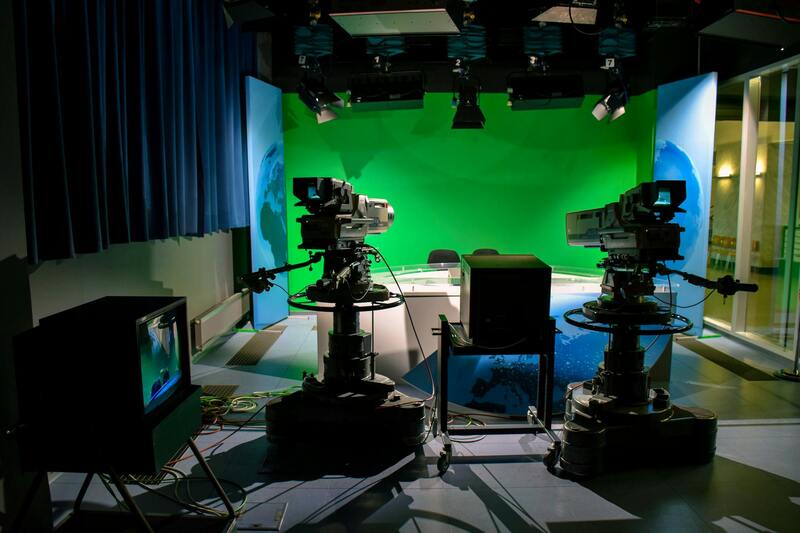
Creating a designated area within the chosen setting can improve consistency across multiple shoots. Using a dedicated interview space reduces background noise, controls lighting, and minimizes disruptions. Incorporate branding elements or visual cues aligned with your organization’s identity to strengthen the visual narrative. In addition, consider the spatial arrangement to facilitate comfortable camera angles for the subject and interviewer, enabling natural interactions without awkward framing or obstructions.
For video interviews conducted in versatile settings, portable backdrops and lighting kits can transform ordinary environments into professional-looking studios. Ensuring proper setup and setup tools are in place is essential for achieving high-quality footage. Furthermore, proximity to power sources and internet connectivity checks are vital to prevent technical issues during the shoot. These details guarantee smooth filming sessions and a seamless post-production process.
Technical Considerations for Optimal Settings
- Lighting: Use soft, even lighting to avoid harsh shadows and ensure the subject’s face is well-illuminated.
- Acoustics: Opt for soundproof or acoustically treated spaces to eliminate echo and background noise.
- Background: Choose neutral, uncluttered backgrounds that don’t distract viewers from the interview content.
- Space: Provide ample room for camera operators and crew to maneuver without feeling constrained.
By meticulously selecting and preparing the location, you enhance the overall production quality, making the interview more engaging and believable. High production values reflect positively on your organization’s commitment to professionalism and authenticity, which resonates strongly with viewers across all digital platforms.
Ensuring Quality Through Proper Equipment and Technical Setup
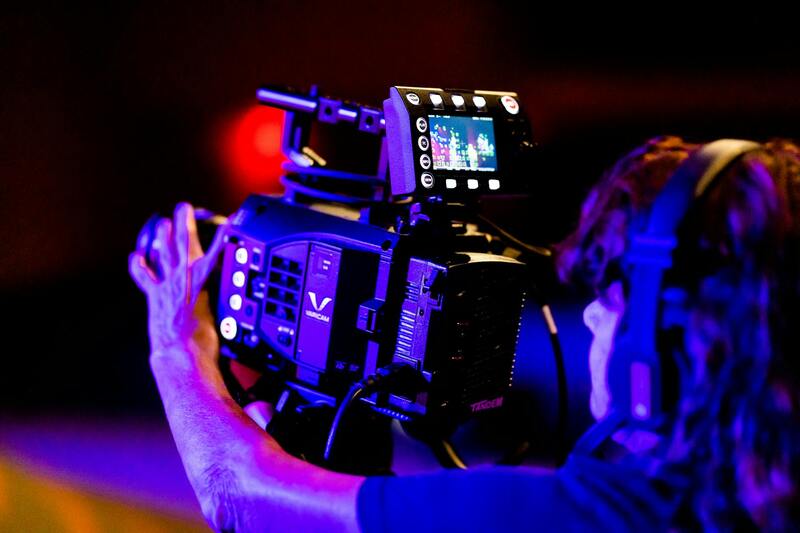
Achieving a professional-grade video interview depends heavily on meticulous equipment selection and an optimized technical setup. High-quality audiovisual output relies not only on the camera and microphone choices but also on the correct configuration tailored to the specific environment of the shoot. Selecting the right camera entails considering resolution capabilities, frame rate options, and technical features like image stabilization and autofocus, ensuring crisp visuals even in dynamic settings. Employing multiple cameras can provide diverse angles, adding visual interest and flexibility in editing.
Microphone selection is equally crucial, with lavalier, shotgun, or condenser microphones typically used depending on the interview context. Clearing auditory clarity demands proper placement of microphones relative to the subject to minimize ambient noise and echo. Integrating audio mixers and headphones allows real-time monitoring and adjustment, preventing discrepancies that could compromise the final product.
Lighting configuration plays a pivotal role in capturing flattering and engaging footage. Employ softboxes, ring lights, or LED panels to produce even, diffused light that reduces shadows. Key lighting should be positioned at a 45-degree angle to the subject, complemented by fill lighting to soften shadows, and a backlight to separate the subject from the background. Portable lighting kits offer flexibility for on-location shoots, enabling seamless adaptation to varying environments.
Acoustic considerations go beyond equipment—they involve selecting quiet, acoustically treated spaces and managing room arrangements to mitigate echo and background interference. Soundproofing panels, carpets, and curtains can significantly enhance audio quality. Additionally, conducting thorough checks of power outlets and internet stability prior to filming prevents disruptions that could affect the recording process.
Advanced technical setup also involves pre-shoot testing. Setting in parameters such as white balance, frame rates, and audio levels in advance ensures consistent quality across sessions. Using reliable recording media and backups protects against data loss, and periodically reviewing shot footage allows adjustments before concluding the shoot. By implementing these strategic measures, production crews can significantly enhance the final output’s clarity and visual appeal.
Incorporating these practices into your video interviews production process ensures that content is compelling, visually appealing, and clear. Every technical detail, from equipment choice to environment setup, converges to produce interviews that resonate with audiences, reflecting the professionalism of your organization while maintaining high standards of quality. Recognizing the importance of precision in these areas sets the foundation for successful video storytelling across all digital platforms.
Ensuring Authenticity and Credibility Through Proper Methods
Maintaining authenticity and credibility in video interviews is paramount for creating content that resonates with audiences and upholds professional standards. Achieving this involves a combination of diligent preparation, adherence to recognized practices, and execution methods that guarantee the integrity of the footage captured.
One of the foundational steps is meticulous interviewee verification. This includes confirming identities and credentials through official documentation or verifiable references. Conducting pre-interview research on the interviewee’s background ensures that questions are relevant and accurate, fostering a genuine dialogue that reflects their expertise or perspectives without misrepresentation. During the interview, stakeholders should employ transparent questioning techniques, avoiding leading or suggestive questions that could distort responses.
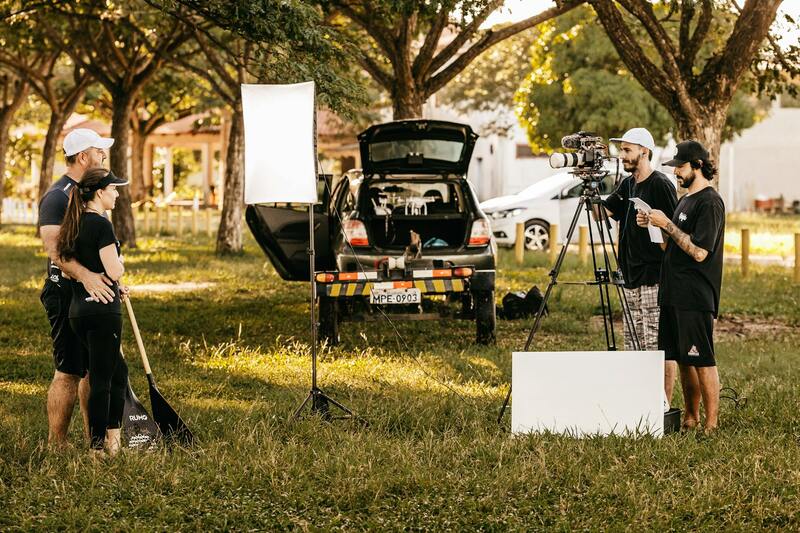
Recording methods also play a crucial role in maintaining authenticity. Utilizing high-quality, professional-grade cameras and microphones ensures that visual and audio components are clear and precise, minimizing distortions or misinterpretations. Proper lighting setups prevent shadows or glare that might obscure facial expressions or details, which are often vital for conveying sincerity.
Post-production workflow further consolidates credibility. Implementing rigorous editing standards—such as avoiding unwarranted cuts or alterations—preserves the integrity of the spoken content. Using raw footage in final versions or providing supplementary materials like transcript overlays enhances transparency for viewers. Likewise, tagging or branding the content in a manner consistent with the official organization reinforces its authenticity.
Another key aspect is implementing replicable procedures for content validation. Establishing a review process involving multiple team members ensures the accuracy and fairness of the final product. This may involve cross-verification against original recordings or incorporating feedback from trusted stakeholders before publication.
The preservation of this integrity hinges on adhering to best practices across all phases of the production process—from initial planning through final dissemination. Leveraging verified sources, maintaining transparency, and deploying precise technical methods collectively foster an environment where the audience can trust the content, aligning with the highest standards of professionalism.
Understanding Video Interviews Production
Producing compelling and authentic video interviews requires meticulous attention to various technical and organizational aspects. This process encompasses everything from initial planning to the final distribution, ensuring that each stage aligns with established professional standards. Critical elements such as precise equipment selection, strategic location choice, and comprehensive workflow management contribute significantly to the integrity of the finished product. Emphasizing transparency and adherence to best practices throughout the entire process not only enhances the credibility of the interview content but also solidifies trust with your target audience.
Pre-Production Planning and Script Development
Before filming begins, detailed planning sets the foundation for a successful interview. Developing a clear script or outline helps steer the conversation, ensuring that key topics are covered without ambiguity. The planning phase involves identifying the core message, drafting questions that uphold fairness and depth, and establishing a timetable for shooting sessions. This stage also includes coordinating with interviewees, obtaining necessary permissions, and preparing supplementary materials if needed. Proper planning minimizes disruptions during production and guarantees that the content remains focused and relevant.
Creating a Structured Framework
- Outline main topics and question pathways
- Define the interview’s objectives and desired outcomes
- Schedule filming at accessible and appropriate locations
- Coordinate with all stakeholders to confirm availability and roles
Script Finalization and Review
- Ensure questions are clear, unbiased, and designed to elicit informative responses
- Review scripts with the interviewee to align expectations
- Incorporate feedback and make necessary adjustments
Choosing the Right Location and Setting
Selecting an appropriate environment is vital for producing professional video interviews. The location should facilitate optimal lighting and acoustics, minimizing background noise and visual distractions. Indoor settings with controlled lighting often yield the most consistent results, while outdoor venues require additional soundproofing measures. The backdrop should be aligned with the tone and branding of the interview, whether formal or casual. Considerations such as space for equipment, ease of access for crew and interviewees, and privacy are crucial to create a seamless filming experience.
Equipment Selection and Technical Setup
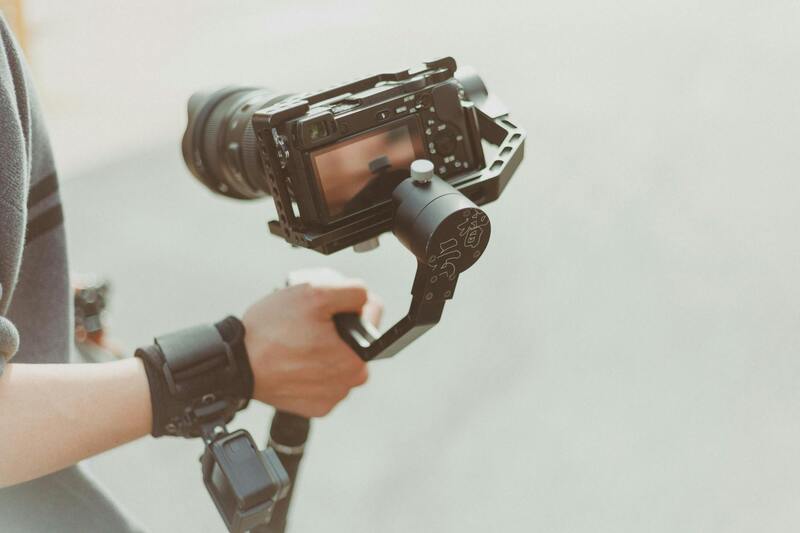
Using high-quality, reliable equipment is fundamental to capturing clear, impactful video interviews. This includes professional-grade cameras capable of recording in high definition or 4K resolution, along with external microphones to guarantee crisp audio. Proper lighting kits, such as softbox or ring lights, help eliminate shadows and highlight facial expressions without causing glare. Stabilization tools like tripods or gimbals ensure steady shots, enhancing visual stability. Additionally, backup devices and storage solutions should be in place to prevent data loss. A well-planned technical setup also involves testing all equipment before the shoot to troubleshoot potential issues.
Technical Procedures for Optimal Results
- Conduct pre-shoot equipment checks, including battery levels and storage capacity
- Adjust lighting and camera settings for the specific environment
- Position cameras at eye level or slightly above for a natural perspective
- Use lapel or shotgun microphones to capture clear dialogue
- Monitor audio and video feeds continuously during filming
- Record ambient sounds separately to enhance post-production audio editing
Understanding Video Interviews Production
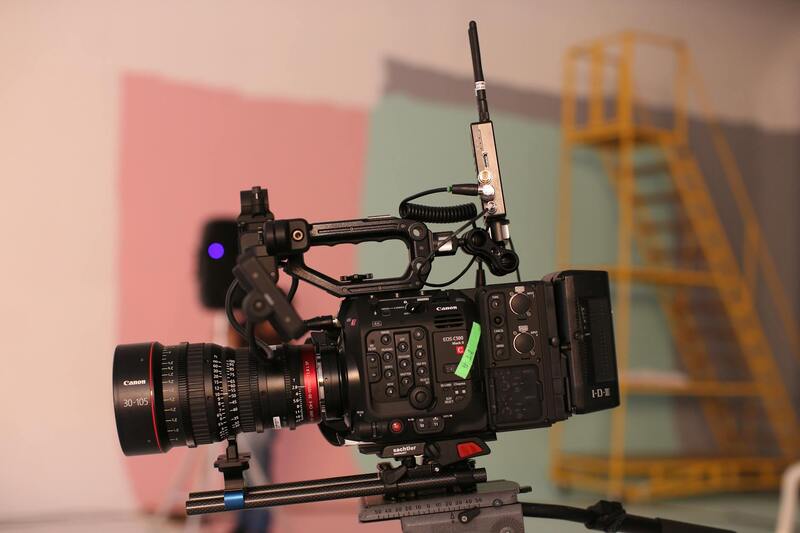
Producing compelling video interviews requires careful attention to each phase of the process, from initial planning to final distribution. The foundation of a successful production lies in meticulous pre-production planning, where objectives are clarified, and a comprehensive script is developed to guide the filming process. Selecting an appropriate location is equally vital, as it influences the visual aesthetic and overall professionalism of the interview. Technical considerations include choosing suitable camera and audio equipment, ensuring proper lighting, and setting up a stable filming environment. Effective filming techniques focus on framing, camera angles, and capturing natural interactions, all aimed at delivering authentic and engaging content. Post-production involves editing the footage to enhance visual and audio quality, adding graphics or branding, and preparing the final product for dissemination across relevant platforms. Mastering these components ensures that each interview not only aligns with the intended message but also resonates strongly with viewers.
Pre-Production Planning and Script Development
The success of any video interview heavily depends on thorough pre-production planning. Establishing clear objectives helps shape the content, tone, and style, ensuring that the visual narrative aligns with the overall messaging. Developing a detailed script, or at least a structured outline, guides the flow of questions and key points, maintaining coherence throughout the interview. This script should accommodate natural conversation flows while emphasizing critical themes, enabling interviewees to express themselves comfortably.
Additionally, logistical considerations play a crucial role. Confirming schedules, securing the necessary permits or permissions for locations, and arranging for voice-overs or b-roll footage are all essential steps that streamline the production. A well-organized plan minimizes delays on filming days, enhances communication among crew members, and sets clear expectations for everyone involved.
Key Elements in Script Development
- Identifying core messages and goals
- Drafting open-ended questions to encourage detailed responses
- Aligning questions with interviewee expertise and experience
- Creating a logical sequence that builds narrative momentum
- Incorporating prompts for visuals or supplementary content
Choosing the Right Location and Setting
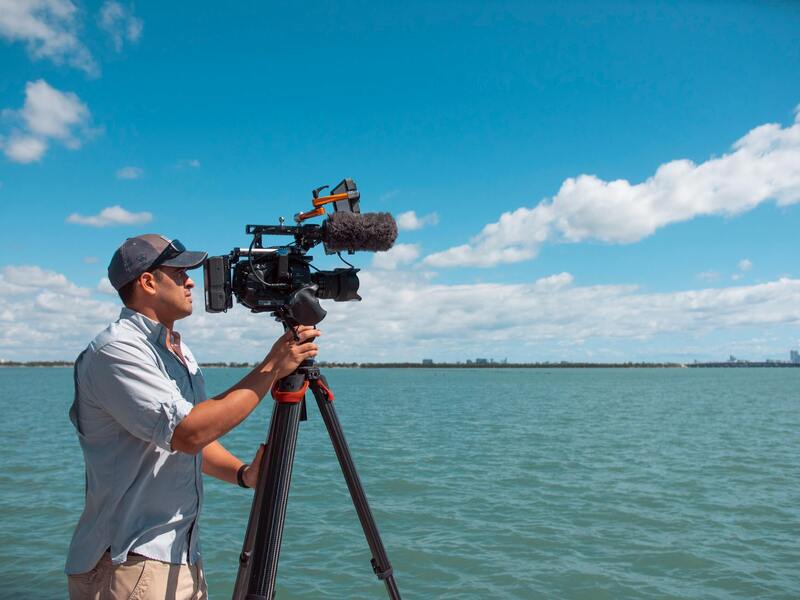
Choosing an appropriate venue is fundamental to capturing high-quality video interviews. The location should reflect the tone and message of the interview, whether that’s a formal corporate setting or a casual environment. Factors such as natural lighting availability, background noise levels, and physical space for equipment and crew must be carefully evaluated.
Designing the setting involves arranging furniture and decor to avoid distractions and create a visually appealing frame. Considering acoustics is equally important; employing soundproofing materials or selecting quiet environments helps ensure clear audio. Accessibility is another aspect—easy access for interviewees and crew reduces setup time and minimizes disruptions during filming. Ultimately, a well-chosen location enhances visual storytelling and bolsters the interview’s professionalism.
Location Selection Tips
- Opt for quiet, controlled environments to minimize background noise
- Ensure sufficient natural light or plan for supplemental lighting
- Design the space to complement the interviewee and theme
- Verify power supply and technical connectivity
- Check accessibility for all participants and equipment
Equipment Selection and Technical Setup
Choosing the right technical tools forms the backbone of producing high-quality video interviews. Professional-grade cameras capable of shooting in high definition or 4K resolution ensure crisp, vibrant visuals. Complementing this with external microphones, such as lavalier or shotgun mics, captures clear dialogue, which is critical for viewer engagement and understanding.
Lighting equipment, such as softboxes or ring lights, eliminates shadows and accentuates facial expressions, adding depth and warmth to the footage. Stabilization devices—tripods, gimbals, or steadicams—prevent shaky shots, maintaining visual stability throughout the shoot. Backup batteries, storage drives, and power sources should be prepared to avoid data loss and ensure continuous operation.
Conducting thorough pre-shoot checks is vital: test all devices, confirm settings suited to the environment, and establish calibration protocols for consistent results. This upfront preparation translates into efficient filming sessions and visually polished output.
Technical Checklist for Video Interviews
- High-definition or 4K cameras with adjustable settings
- Quality microphones suited to environment and dialogue
- Proper lighting gear for balanced illumination
- Stabilization equipment to prevent motion blur
- Spare batteries, memory cards, and power backups
- Monitoring devices to oversee real-time audio and video feeds
Technical Setup and Execution During Filming
Once the planning phase is complete, executing the filming process with precision and professionalism is paramount. This phase involves carefully managing technical components and capturing compelling footage that authentically reflects the interview subject's message. To achieve optimal results, a systematic approach to technical setup and recording is essential.
Final Equipment Checks
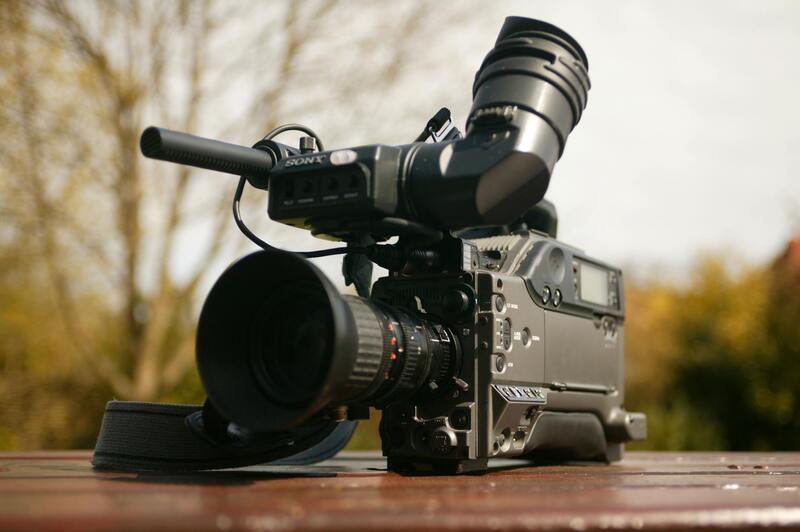
Prior to beginning filming, conduct a comprehensive checklist review to ensure all equipment functions correctly. Confirm camera angles, focus, and resolution settings—preferably in high definition or 4K—to maintain visual clarity. Test audio levels with the chosen microphones, adjusting gain settings to avoid clipping or background noise. Verify lighting arrangements to ensure even illumination without harsh shadows, which might distract viewers or distort facial expressions.
Lighting Techniques for a Professional Look
Proper lighting not only enhances visual quality but also reveals subtle facial cues crucial for engaging storytelling. Soft, diffuse lighting sources such as softboxes or ring lights create flattering illumination that reduces shadows and highlights natural features. Position lights at 45-degree angles to the subject to facilitate depth and dimension. Avoid overexposure or underexposure by adjusting light intensity and camera exposure settings for balanced illumination throughout the interview.
Sound Quality and Acoustic Environment
Clear dialogue remains the backbone of successful video interviews. Use high-quality lavalier or shotgun microphones, ensuring proper placement to capture the subject’s voice directly while minimizing ambient noise. Conduct acoustic assessments of the filming space — soft furnishings, curtains, and other sound-absorbing materials can significantly reduce echo and reverberation. During recording, monitor audio levels in real-time to identify and address audio anomalies immediately.
Camera Angles and Framing
Establishing consistent camera angles enhances the interview’s professionalism. Typically, a medium close-up shot frames the subject from the chest up, allowing viewers to connect with facial expressions. Use multiple camera angles if possible, including wide shots and close-ups, to add visual interest during editing. Maintain eye-level camera placement to foster a sense of connection and engagement with viewers.
Stability and Movement
Utilize stabilization equipment to eliminate jitters and maintain a steady shot. Tripods are standard for static perspectives, while gimbals or steadicams allow for smooth camera movement when dynamic shots are desired. Avoid unnecessary camera movements, which can distract viewers or diminish the quality of the footage. Encouraging the interviewee to remain still and natural in their movements further enhances visual consistency.
Monitoring and Real-Time Adjustments
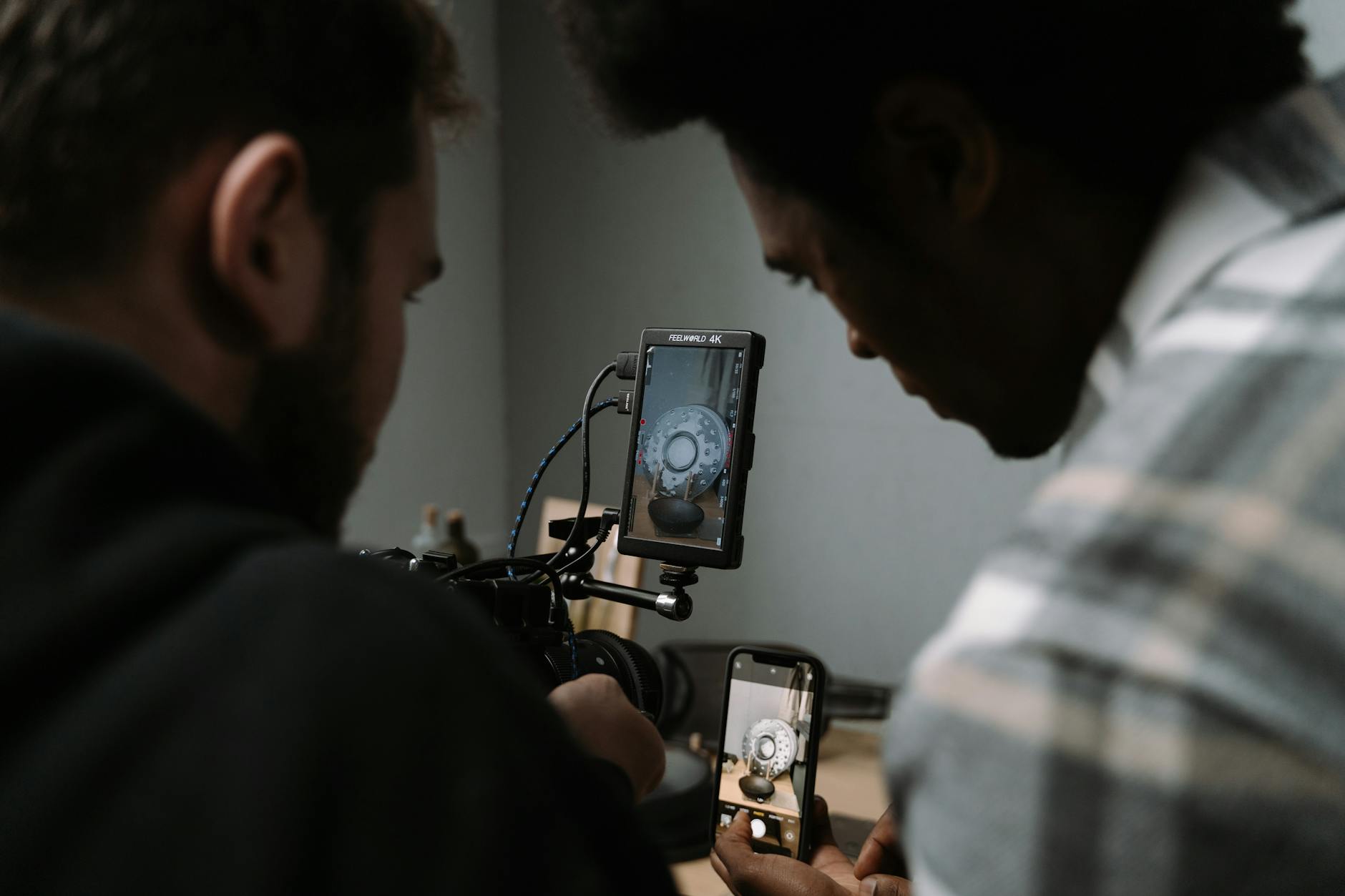
Employ real-time monitoring devices to oversee both audio and video feeds during filming. This practice helps identify issues such as focus drift, audio feedback, or lighting inconsistencies promptly, allowing on-the-spot adjustments. Maintaining communication with the interviewee and crew ensures everyone is aligned, leading to a seamless recording experience.
Ensuring Proper Distribution and Promotion of Video Interviews
Optimizing the reach and impact of professionally produced video interviews requires strategic distribution and targeted promotional efforts. This ensures the content reaches the intended audience effectively, maximizes engagement, and enhances brand visibility within the regional market and beyond.
Official Distribution Channels
- Corporate Websites and Blogs: Embedding video interviews on official sites helps in establishing authority and providing visitors with valuable, multimedia content when they browse relevant topics or services.
- Social Media Platforms: Sharing snippets, behind-the-scenes footage, or highlights across channels like LinkedIn, Facebook, Instagram, and Twitter can significantly increase viewer engagement and facilitate organic sharing.
- YouTube and Video Hosting Sites: Hosting the full interview on well-established platforms improves discoverability, offers SEO benefits, and provides detailed analytics to gauge viewer interaction.
- Email Campaigns: Incorporating video content into newsletters or targeted email blasts ensures your message reaches engaged subscribers directly, encouraging shares and feedback.
Effective Promotion Strategies
- Leverage Regional Influencers and Industry Leaders: Collaborations or endorsements can amplify your message to broader audiences familiar with local content creators or business figures.
- Optimize Video Metadata: Crafting compelling titles, detailed descriptions, and relevant tags enhances searchability on video platforms and search engines, attracting organic traffic.
- Use Paid Media for Extended Reach: Sponsored posts, targeted ads, and promoted videos on social media can significantly boost visibility among niche or specific demographic groups.
- Embed Videos in Press Releases and Articles: Integrating multimedia content within journalistic or industry-related articles increases engagement and provides additional context.
Measuring Success and Analytics
Tracking performance metrics such as view counts, viewer retention rates, engagement levels, and social shares offers insights into audience preferences and content effectiveness. These data points inform future production strategies, ensuring continuous improvement and alignment with audience interests.
Maintaining Consistent Branding and Messaging
All distribution and promotional materials should align with your brand’s identity, voice, and messaging standards. Consistent visuals, tone, and call-to-actions reinforce brand recognition and foster trust among viewers.