

Understanding Testimonial Videos and Their Value
Testimonial videos have emerged as a powerful tool for businesses seeking to establish trust, showcase credibility, and connect authentically with their target audience. These videos capture real customers sharing their genuine experiences with a product or service, providing prospective clients with insights grounded in real-world usage. Unlike traditional advertising methods that often focus solely on promoting features, testimonial videos emphasize personal stories and honest evaluations, which resonate more deeply with viewers.
The primary purpose of testimonial videos is to build social proof. When potential customers see relatable individuals endorsing a brand, their confidence in making a purchase or engaging with a service increases significantly. These videos function as persuasive, visual endorsements that bridge the gap between skepticism and trust.
From a marketing perspective, testimonial videos are invaluable assets because they add an authentic voice to a brand’s narrative. They serve to humanize your business, making it more approachable and trustworthy. Whether featured on a company website, social media platforms, or during presentations, these videos play a crucial role in elevating a brand’s credibility.
Beyond marketing, testimonial videos can also enhance search engine rankings. Optimized video content encourages longer website visits and higher engagement rates, both of which are favorable signals to search engines. This dual benefit of building trust and boosting online visibility makes testimonial videos an essential component of a comprehensive marketing strategy.
Creating an effective testimonial video requires careful planning. Identifying satisfied customers willing to share their experience, preparing thoughtful interview questions, and ensuring high production quality are all critical steps. The authenticity of the content, combined with professional presentation, guarantees that the message is compelling and believable.
Moreover, testimonial videos are versatile assets that can be tailored for various marketing channels. They can be short clips for social media, longer in-depth stories for your website, or even part of a broader video campaign. These adaptable formats allow businesses to leverage testimonial videos across multiple touchpoints, maximizing their impact.
In the vibrant Miami market, leveraging testimonial videos can be particularly effective due to its diverse population and thriving local economy. Authentic testimonials from local clients resonate well with the community and can significantly influence prospective customers’ buying decisions.
Implementing a consistent strategy for collecting, producing, and distributing testimonial videos ensures sustained trust and brand engagement. Regularly updating testimonials keeps your content fresh and relevant, reinforcing your business's reputation for quality and customer satisfaction.
Investing in professional testimonial video production ensures that each story is presented clearly and convincingly. High production standards—clear audio, sharp visuals, and engaging storytelling—are essential to capture viewers' attention and convey authenticity.
Ultimately, testimonial videos are a dynamic and reliable way to showcase customer satisfaction, differentiate your brand from competitors, and foster long-term customer loyalty. As part of a comprehensive marketing toolkit, they empower Miami businesses to communicate their value effectively and attract new clients with credibility and confidence. Crafting compelling testimonial videos requires selecting the most effective approach to resonate with your target audience. Each method offers unique advantages and can be tailored to suit specific marketing objectives. Each approach demands careful planning during production to capture high-quality visuals and crisp audio, which are paramount for viewer engagement. Integrating professional lighting, sound equipment, and stable camera setups ensures the testimonials appear credible and polished. The narrative arc should be thoughtfully constructed to highlight the challenge, solution, and results, emphasizing the client's satisfaction and your company's role in their success. Adopting a storytelling perspective during filming can make testimonials more relatable and memorable. Directing clients to share specific details about their positive experiences, along with encouraging candid responses, boosts the authenticity of each story. Post-production editing is equally crucial; selecting the strongest soundbites, adding engaging visuals, and incorporating subtle branding elements can enhance the video's overall impact. Incorporating varied testimonial formats within a cohesive video marketing strategy broadens reach across multiple platforms. For social media, shorter clips with impactful soundbites can generate immediate interest, while longer, detailed videos serve well on your website or during presentations. Consistency in branding, message, and quality assures audiences perceive your business as trustworthy and professional. Partnering with a dedicated video production team familiar with the nuances of testimonial video creation ensures each project aligns with your branding standards and marketing goals. Skilled producers understand how to elicit authentic client stories and translate them into visually compelling content that effectively communicates your value proposition to the Miami market. Ultimately, a strategic combination of these testimonial video formats, crafted with attention to production quality and storytelling finesse, can significantly elevate your brand’s credibility. Investing in professional testimonial video production not only showcases customer satisfaction but also differentiates your business amid a competitive landscape, paving the way for sustained growth and loyal client relationships. Different Approaches to Testimonial Video Production

Establishing Clear and Consistent Allowances for Testimonial Video Creation
When producing testimonial videos, adhering to established and transparent processes is essential for maintaining credibility and ensuring that the content genuinely reflects client experiences. This begins with obtaining explicit permission from participants, clarifying how the footage will be used, and securing their consent through written agreements. Such agreements should delineate rights concerning the footage's distribution across various platforms and specify any necessary revisions or edits.

To uphold a professional standard, organizations may implement standardized questionnaires or interview guides, ensuring that key messaging points are consistently addressed across testimonial videos. These materials help facilitate a natural flow during filming, reducing the likelihood of misunderstandings and ensuring that the final product aligns with brand messaging.
Implementing Ethical Content Acquisition Strategies
Creating testimonial videos through direct, face-to-face interviews remains the most straightforward approach for capturing authentic stories. When in-person filming is not feasible, high-quality remote recording tools can be employed, provided they meet professional standards for audio and video clarity. In all cases, obtaining explicit clearances for the use of client testimonials, including their image and voice, is paramount. This consistency not only fosters trust but also aligns with transparent business practices.

It is recommended that businesses establish a standardized protocol for collecting and archiving testimonial content. This includes maintaining meticulous records of consent forms, permissions, and any correspondence that explicitly authorizes the use of testimonial footage. Such organization simplifies future edits, repurposing efforts, and ensures compliance with any evolving policies or standards.
Maximizing Content Legitimacy with Strategic Editing and Distribution
Post-production editing plays a key role in refining testimonial videos to meet professional standards without compromising authenticity. Careful selection of soundbites, seamless integration of branding elements, and appropriate visual enhancements contribute to portraying testimonials in a compelling yet sincere manner. When editing testimonial videos, it is crucial to preserve the original intent of the clients’ stories and avoid manipulations that could misrepresent the experience.

Distribution strategies should emphasize transparency about how testimonial videos are used, including clear disclosures when content is part of sponsored marketing efforts. Sharing testimonial videos across your website, social media channels, and email campaigns should be done with respect to the context in which the client consented to their story being shared, ensuring ongoing trust and credibility.
Ensuring Proper Use Through Secure and Authorized Methods
Maintaining the integrity of testimonial videos hinges on employing methodical and verifiable approaches to content collection and dissemination. Original footage must be obtained through direct consent channels, which typically involve formal agreements or documented permissions. These are instrumental in establishing a clear record of authorization, thereby safeguarding the content against potential disputes or misunderstandings. Preserving documented consent not only demonstrates transparency but also streamlines the process for future edits or repurposing, as there is a tangible proof of agreement from the client.
Additionally, it is best practice to incorporate explicit disclosures regarding how testimonial videos will be used across various marketing channels. Transparency about content utilization, especially when showcasing testimonials on public platforms such as websites and social media, establishes an environment of trust with clients. Businesses should outline these intentions beforehand, ensuring clients are aware of the reach and purpose of their shared stories.
Implementing Robust Internal Protocols
Developing comprehensive internal guidelines for testimonial video production is critical to uphold consistent quality and compliance standards. These protocols should specify the steps for securing permissions, outline standards for documenting client consent, and detail procedures for storing and handling testimonial content securely. When all team members adhere to these practices, it minimizes risks associated with content misuse and reinforces a company's commitment to ethical storytelling.
It is also advantageous to implement a verification process before publishing testimonial videos. This may involve a final review to confirm that permissions are documented, all client disclosures are clear, and the content accurately reflects the original client story. By inserting multiple layers of review, businesses reduce the chance of inadvertent misrepresentation and bolster the credibility of the testimonials shared.
Leveraging Secure Platforms for Content Storage
Storing testimonial footage on secure, access-controlled platforms provides an additional layer of content security and control. Encrypted cloud storage or dedicated servers with strict access policies ensure that only authorized personnel can view or modify sensitive client material. This approach prevents unauthorized use or accidental exposure, which could compromise both client trust and brand reputation.
Furthermore, implementing regular audits of stored content helps verify adherence to permissions and clearance statuses. Such diligence guarantees that all testimonial content used in marketing efforts has been acquired and stored following established approval processes. Consistent oversight and disciplined management of testimonial media cultivate a responsible approach to content utilization, ultimately supporting sustainable brand relations and customer confidence.
Implementing Authentication and Validation Protocols for Testimonial Videos
Executing secure methods to validate the authenticity of testimonial videos is essential for maintaining trust with your audience. Businesses should establish rigorous processes that ensure each testimonial is verifiable and accurately represents the client's experience without manipulation or embellishment. This involves collecting official documentation such as signed release forms, permission letters, or consent confirmations that directly link the client to the specific testimonial content. Such documentation should be stored securely and be readily accessible for review purposes, creating a traceable trail that supports the authenticity claim.
Another effective practice is the use of pre-recorded verification statements, where clients explicitly confirm their participation and consent beforehand. This can be facilitated through secure online portals or encrypted communication channels that record and timestamp consent confirmations, adding a layer of accountability. It is also important to implement a comprehensive review process before publishing any testimonial video. This involves verifying the client’s identity, confirming the scope of their consent, and ensuring that the content accurately reflects their original experience. Multiple review stages, including legal or compliance checks where applicable, help prevent inadvertent misrepresentation.

Beyond initial verification, maintaining the integrity of testimonial content over time is equally crucial. Regular audits of stored testimonial assets can ensure ongoing compliance with recorded permissions and consent statuses. Any updates or edits should be documented meticulously, and clients should be re-contacted for re-affirmation if significant changes are made. Employing encryption technologies during storage and transmission of testimonial data further enhances security, preventing unauthorized access or alterations.
In addition, it’s beneficial to limit access to testimonial footage strictly to authorized personnel involved in the production or distribution process. Using role-based access controls on content management platforms ensures that only qualified staff can handle sensitive client media. This systematic approach not only safeguards client data but also reinforces the brand matrix for transparency and honesty.

As part of an overarching content strategy, it's vital that businesses continually educate their teams about the importance of adhering to verified footage protocols. Training staff in ethical content management, including handling sensitive client information and adhering to verification procedures, sustains high standards of integrity within testimonial video production. This disciplined approach encourages a culture of accountability, which ultimately enhances brand reputation and client confidence in your testimonial initiatives.
Official and Legitimate Methods for Incorporating Testimonial Videos
In the realm of professional testimonial video production, it is essential to adhere strictly to established procedures that respect clients' rights and accurately reflect their experiences. The foundation of a credible testimonial begins with securing explicit, documented consent from each participant before filming begins. This consent should clearly outline how the footage will be used, the scope of distribution, and the duration of usage, ensuring clients are fully aware of the potential reach and purpose of the testimonial. Such documentation often takes the form of signed release forms or approval agreements, which become part of the project's official records.

When gathering testimonial footage, employing verified methods of recording consent—such as written agreements, digital signatures through secured platforms, or recorded verbal consent with accompanying documentation—ensures clarity and legal safety. These methods provide tangible evidence that clients have willingly participated and that their testimonials are authorized for public use. It also helps prevent misunderstandings or disputes regarding the content’s use, fostering trust and transparency between the business and its clients.
During the editing process, maintaining meticulous records of all consent-related documentation is crucial. This includes retaining copies of signed releases, correspondence pertaining to approval, and any amendments agreed upon during editing or post-production. These records serve as robust proof of compliance, demonstrating that the testimonials are used ethically and with proper authorization.
In terms of distribution, employing secure platforms for hosting and sharing testimonial videos can further ensure that their use remains within the scope of authorized parameters. Encrypted file transfer methods or access controls restrict unauthorized viewing or sharing, reinforcing the integrity of the process. Additionally, providing clients with access to their testimonial videos prior to public release allows for final approval, further cementing the legitimacy of the content and honoring the clients’ right to oversee their testimonial’s presentation.
Engaging in thorough documentation and employing verified methods of consent not only upholds the ethical standards of testimonial video production but also enhances the credibility of the business. This approach demonstrates a commitment to honesty and transparency, which resonates well with prospective clients and strengthens overall brand reputation.
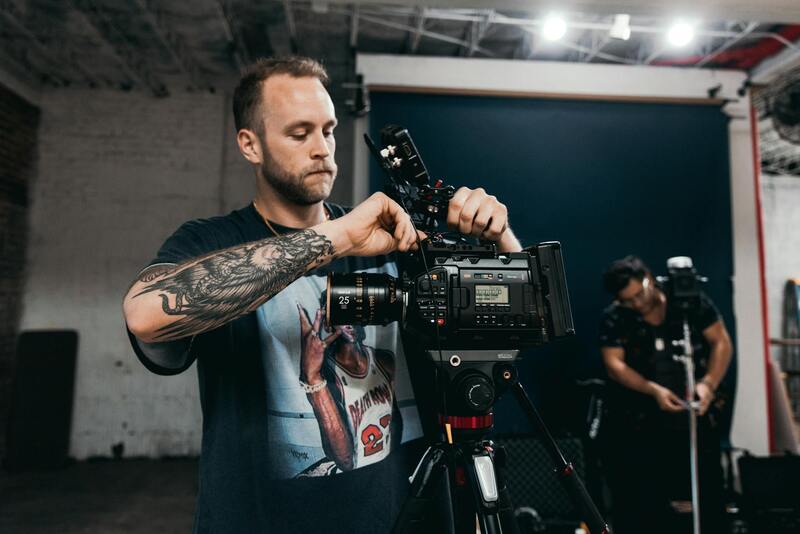
Furthermore, sourcing testimonials through official channels—such as directly requesting feedback via formal surveys or structured interview setups—ensures authenticity and verifiable origin. Relying on vetted sources minimizes the risk of fabricated or misrepresented testimonials, maintaining the integrity of the content. Conducting interviews or collecting written testimonials through controlled environments also allows for better oversight and verification, reinforcing the legitimacy of the testimonial.
Overall, implementing these official procedures—comprehensive consent documentation, secure handling and storage, controlled distribution, and verified sourcing—creates a robust framework for legitimate testimonial video practices. This disciplined approach not only aligns with best practices but also ensures that the testimonials serve as trusted tools for marketing and brand storytelling, safeguarding both the client’s interests and the business’s reputation in Miami's competitive marketplace.
Official Methods for Verifying Testimonials' Authenticity
Ensuring the authenticity of testimonial videos is a key component of producing content that resonates with audiences and fosters trust. One proven approach is to gather testimonials directly through structured interviews with clients or satisfied customers. Conducting these interviews in controlled environments allows production teams to verify the testimonial's origin and contextual accuracy, reinforcing its legitimacy.
Another effective method involves implementing formal documentation processes. Signed consent forms or verified digital signatures are standard practices that clearly establish a customer's approval to use their testimonial. These documents specify the scope, duration, and usage of the testimonial content, providing a solid record that supports transparency and fairness. In addition to signed forms, recording verbal consent or obtaining written testimonials via official communication channels adds layers of verification.

Utilizing vetted sources such as official surveys or structured feedback forms further ensures authenticity. These sources enable businesses to collect candid and verifiable customer experiences that accurately reflect genuine satisfaction or highlights. Controlled collection environments—like online feedback portals managed by the client or production team—allow for oversight, limiting the chance of misrepresentation.
Secure Storage and Controlled Distribution
Once testimonials are obtained, securely storing the content in encrypted digital systems safeguards the information from unauthorized alterations. Such practices help maintain the testimonial’s credibility over time. Controlled distribution protocols, where access to testimonial content is limited to authorized marketing team members, ensure the material is used appropriately and as intended.
Maintaining Transparency and Credibility
The strategic integration of these verified sources and official documentation methods culminates in testimonial videos that uphold a high standard of integrity. When viewers recognize the transparent process behind the content, their trust increases, positively impacting brand reputation. Prioritizing authenticity through these legitimate channels resonates well with an audience that values honesty and verifiable experiences.
Implementing a comprehensive verification process not only adheres to best practices but also enhances the perceived value of the testimonial content. It becomes a trusted narrative that supports the brand's reputation, especially within competitive markets like Miami where reputation is everything. The combination of structured interviews, consent verification, and secure content handling establishes a robust framework that assures viewers of the content’s legitimacy, strengthening overall marketing efforts for local businesses seeking to leverage testimonial videos effectively.
Implementing Verified Methods for Testimonial Video Production
To ensure the authenticity and reliability of testimonial videos, businesses in Miami should employ strict, proven approaches that uphold transparency and foster viewer trust. This involves obtaining direct consent from satisfied clients before filming, confirming their understanding of how the video will be used and shared. Such a process should be documented with signed releases, outlining the scope and purpose of the testimonial, which provides a clear record aligned with professional standards.
Another critical aspect is verifying the client's identity and their experience with the product or service. This verification can be achieved through corroborative documentation or preproduction interviews that detail their involvement and satisfaction, thereby adding a layer of accountability. Additionally, recording the exact wording or key points discussed during the testimonial ensures the message remains truthful and consistent.
Secure Content Handling and Distribution
Handling testimonial footage with integrity involves maintaining a secure workflow throughout the editing, storage, and distribution stages. Using encrypted digital systems minimizes unauthorized access, protecting the content’s authenticity. Controlled distribution protocols restrict access to authorized marketing personnel only, ensuring the footage is utilized appropriately and in line with the client's expectations.
Such protocols also include watermarking or digital signature techniques, which serve as evidence of ownership and original source. When distributing testimonials online or through other channels, using secure hosting platforms and access logs helps monitor content usage, preventing misrepresentation or unauthorized sharing.
Authenticity Through Transparent Processes
Transparency is fundamental in producing credible testimonial videos. This includes openly sharing the context of the testimonial, such as the interview setting, the questions asked, and the degree of editing involved. Disclosing if a testimonial has been edited to enhance clarity or impact is essential for maintaining viewer trust.
Moreover, providing viewers with background information about the client, including their professional credentials or affiliation, can bolster credibility, especially in a competitive Miami market where reputation is highly valued. These practices not only confirm the legitimacy of the testimonial but also demonstrate a commitment to honesty that resonates with discerning audiences.
Implementing a Robust Verification Framework
Establishing a comprehensive verification framework encompasses several layers—from initial client consent to final content review. This involves drafting clear guidelines for testimonial collection, training staff on ethical interviewing techniques, and routinely auditing content for compliance. Documenting each step ensures consistency and reinforces the integrity of the testimonial process.
By employing these official and legitimate methods, Miami businesses can produce testimonial videos that stand out for their authenticity and trustworthy messaging. These practices not only enhance the perceived value of the testimonials but also solidify the client relationship by demonstrating respect and adherence to professional standards, ultimately reinforcing brand reputation within a vibrant local market.