

Understanding Commercial Video Production in Miami
Commercial video production in Miami represents a vital strategic tool for businesses aiming to elevate their brand visibility, engage their target audience, and drive sales through compelling visual storytelling. This specialized form of video creation involves the development of promotional videos tailored to showcase products, services, or corporate messages with a high degree of professionalism and creativity. In a competitive market like Miami, where businesses thrive amidst a vibrant and diverse economic landscape, the importance of high-quality commercial videos cannot be overstated.
Commercial videos serve multiple marketing objectives, including brand awareness, product launches, corporate communications, and customer engagement campaigns. By harnessing the power of visuals combined with strategic messaging, companies can create memorable impressions that resonate with viewers and motivate action. Miami’s multicultural environment and dynamic business scene make it an ideal location for producing diverse and engaging commercial content, attracting top talent and state-of-the-art facilities.
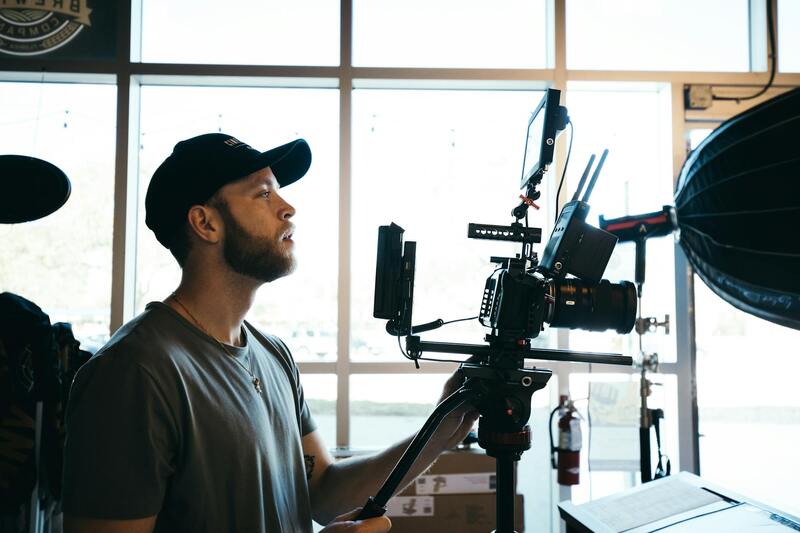
Understanding the intricacies of commercial video production begins with recognizing its role as a sophisticated communication channel. It involves a comprehensive process including planning, scripting, filming, editing, and distribution. Professional production teams in Miami employ cutting-edge technology and creative expertise to craft videos that align perfectly with business goals and audience expectations.
In the context of Miami, where tourism, real estate, fashion, and entertainment industries flourish, the demand for visually stunning and strategically sound commercial videos is especially pronounced. These videos not only showcase products or services but also reflect the unique identity of Miami, capturing its vibrancy, cultural diversity, and innovative spirit. As a result, a well-executed commercial video can significantly enhance a company's market positioning and contribute to sustained growth in this lively economic hub.
Investment in professional commercial video production is not just about visuals; it’s about telling a compelling story that connects emotionally with viewers and persuades them to take desired actions. From small startups to large corporations, leveraging Miami’s extensive multimedia resources ensures that each commercial video can stand out in the crowded digital space, ultimately helping businesses to meet their marketing objectives with precision and impact.
Legal and Licensing Considerations in Miami
Engaging in commercial video production within Miami requires adherence to a series of established legal and licensing protocols that safeguard the rights of all parties involved. These procedures include securing the appropriate permits for shooting locations, especially in iconic or publicly accessible areas where city regulations govern filming activities. Permission from property owners or relevant municipal authorities must be obtained to prevent any disruptions or delays during the production phase.
When capturing footage that involves recognizable private properties, individuals, or protected sites, it is essential to acquire model releases, property releases, and any necessary consents. These documents serve to confirm that the production team has the right to use the footage commercially, thus avoiding potential disputes. Ensuring these releases are thoroughly executed is pivotal in maintaining the integrity of the final product and streamlining the distribution process.
Miami’s vibrant scenes often involve capturing aspects of the city’s cultural, historic, or trademarked locations such as Miami Beach, Wynwood Walls, or Little Havana. Utilizing such iconic locales often requires specific permits that are obtained through city departments or relevant authorities. Coordinating with local government offices and following their guidelines minimizes the risk of encountering legal issues that could hinder the project’s delivery or dissemination.
Copyright considerations also play a profound role in commercial video production. All music, footage, and images used must either be original, licensed, or in the public domain. Licensing agreements should clearly specify the scope of usage, geographic reach, and duration to ensure compliance and avoid infringement claims. Additionally, opting for royalty-free or custom-created music is often a reliable strategy to streamline licensing complexities.
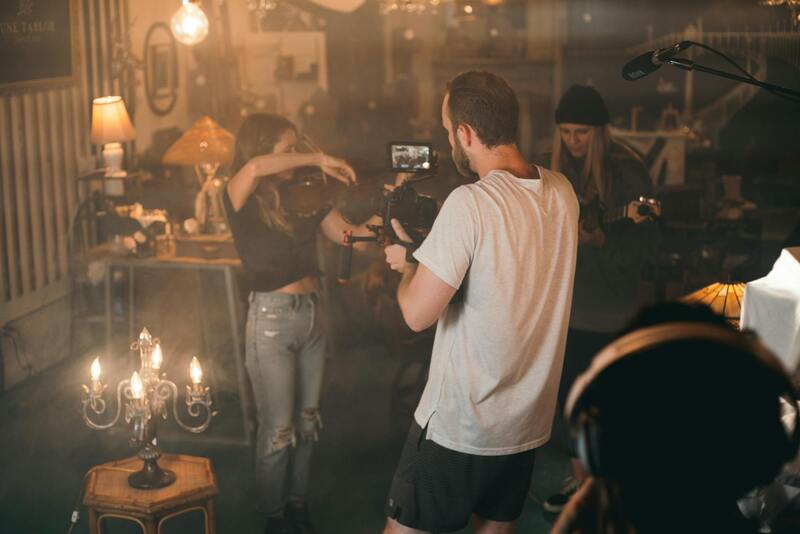
Engaging with legal consultants or experienced production managers knowledgeable about Miami’s regulatory landscape can significantly simplify this process. Their expertise ensures that all legal protocols are met from the outset, supporting a smooth production schedule and safeguarding the investment in high-quality commercial content.
Securing Permits and Licenses for Iconic Miami Locations
The allure of filming amidst Miami’s renowned landmarks—be it the shimmering sands of Miami Beach, the colorful murals of Wynwood Walls, or the bustling streets of Little Havana—adds undeniable value to a commercial video. To utilize these settings effectively, producers must navigate the process of obtaining the necessary permits from local authorities or relevant city departments. This involves submitting detailed production plans, specifying dates and times, and providing insurance documentation to protect public safety and property.
Navigating Miami’s permitting landscape typically requires coordination with multiple agencies, including the city’s film office and transportation department. Early engagement is crucial, as permit approval timelines can vary based on the complexity of the shoot and the location’s prominence. By adhering strictly to city guidelines and submitting comprehensive applications, production teams can avoid interruptions and ensure their filming activity aligns with city regulations.
Beyond permits, securing licenses for copyrighted material is essential. Every element incorporated into the commercial, from background music to stock footage, should be either licensed appropriately, in the public domain, or custom-created. License agreements must clearly spell out the scope, geographic reach, and duration of use, reducing the risk of licensing disputes. Using royalty-free or original music compositions can streamline this process and support seamless integration within the production timeline.
Understanding the importance of proper licensing is especially critical when incorporating recreational, historic, or trademarked locations that may have specific restrictions or require additional permissions. Working closely with legal consultants or experienced production managers familiar with Miami’s regulatory framework can significantly smooth the legal aspects of production, allowing for a focus on creativity and storytelling.
Understanding Commercial Video Production in Miami
Miami's dynamic landscape offers unparalleled opportunities for commercial video production, making it a prime location for brands looking to elevate their marketing efforts. The city’s vibrant culture, diverse architecture, and scenic backgrounds serve as an ideal backdrop for compelling visual storytelling. Effective commercial production in Miami requires a keen understanding of local nuances, including permitting processes, location restrictions, and the city's unique aesthetic appeal. Collaborating with professionals familiar with Miami’s regulatory environment ensures that footage is captured efficiently and compliantly, paving the way for a seamless post-production process. Recognizing the importance of aligning production activities with city regulations is vital to avoid disruptions and maintain a professional reputation. From securing appropriate permits for iconic locations to respecting community guidelines, adhering to official procedures safeguards the integrity of the project while showcasing Miami’s diverse environments. Production teams should also be aware of the city's strict guidelines regarding drone footage, street closures, and even the use of historical sites, which often require additional permissions. Understanding these parameters allows creative teams to plan effectively, balancing artistic vision with regulatory compliance. With a thorough grasp of Miami’s production landscape, companies can leverage the city’s best assets to craft commercials that resonate authentically with local and global audiences alike.
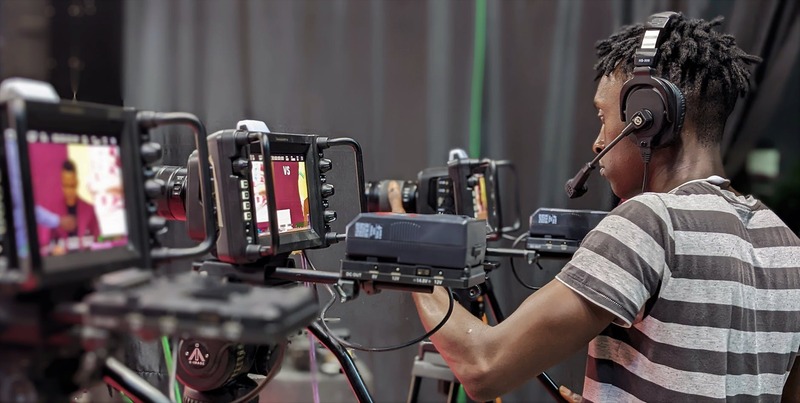
Moreover, the competitive landscape of Miami's production industry emphasizes the importance of partnering with experienced agencies capable of navigating the city’s specific requirements. A well-established local crew possesses not only technical expertise but also the necessary contacts to streamline processes like permit acquisition, location scouting, and equipment logistics. They understand the nuances of Miami's neighborhoods, ensuring that every shot aligns with community standards and expectations. This familiarity helps prevent unforeseen delays and fosters smooth coordination across all production stages. Leveraging local insights can also enhance creative storytelling by incorporating authentic elements unique to Miami, creating a more compelling and relatable commercial. As Miami continues to grow as a hub for innovative media projects, investing in professional local expertise becomes increasingly essential for ensuring high-quality results that meet both creative ambitions and regulatory standards.
Legal and Licensing Considerations in Miami
Producing commercial videos in Miami requires adherence to a range of regulatory procedures designed to ensure smooth execution and compliance with local standards. Securing the necessary permits and licenses prior to filming is a foundational step that safeguards the project against potential disruptions. These permits typically involve approvals for location use, especially when shooting in publicly accessible areas or iconic landmarks that form the visual identity of Miami. Administrative processes often involve coordination with city or county departments, which can vary depending on the site and extent of the shoot.
Understanding the specific requirements for each location is crucial. For instance, shooting in areas such as South Beach, Wynwood, or downtown Miami may entail different permit applications and approval timelines. Working with a production agency experienced in Miami’s permit landscape can streamline this process, leveraging established relationships with local authorities and knowledgeable staff familiar with compliance standards. This proactive approach minimizes the risk of delays or unforeseen obstacles that can impact production schedules.
In addition to location permits, other legal considerations include equipment usage regulations, drone operation licenses if aerial shots are involved, and permissions for workforce accommodations. It’s essential to thoroughly research any restrictions related to noise levels, fire safety, and environmental impact, especially when filming near sensitive sites or residential neighborhoods. Ensuring all necessary insurance coverage is in place can also mitigate liabilities and demonstrate responsibility in managing potential risks during the shoot.
Engaging with local authorities early in the planning phase—through professional production services—helps clarify requirements and deadlines associated with permits and licenses. This strategic approach allows for thorough compliance while also enabling creative teams to focus intensively on delivering compelling content without administrative disruptions.
Additional Regulatory Considerations
- Intellectual Property: Protecting any trademarks, copyrighted content, or branded materials used in the commercial is vital.
- Privacy Concerns: Obtaining releases from individuals appearing on camera ensures proper consent and avoids potential legal issues.
- Environmental Policies: Following Miami’s environmental guidelines during outdoor shoots helps preserve local ecosystems and fulfills regulatory expectations.
Consistency with these legal and licensing procedures not only prevents costly delays but also demonstrates respect for the city’s regulations and community standards. For brands seeking to showcase Miami’s vibrant culture and scenic beauty, respecting these formalities ensures that their projects are both impactful and compliant, fostering positive relationships with local stakeholders and audiences alike.
Legal and Licensing Considerations in Miami
When undertaking commercial video production in Miami, adhering to official legal and licensing procedures is essential to ensure a seamless process. This compliance not only safeguards the project’s progress but also upholds the integrity of the final product. Specific permits are often required for outdoor filming in public spaces, such as parks, streets, or historical landmarks. These permits are issued by local authorities who review the nature of the shoot, the expected duration, and the potential impact on the community. Engaging with the Miami Film Office or respective licensing bodies early in the planning stages ensures all necessary paperwork is submitted and approved well before the production begins.
In addition, securing the appropriate rights for copyrighted music, branded content, or proprietary visuals used within the commercial is critical. This involves obtaining synchronization licenses and clearances for any third-party intellectual property integrated into the video, preventing copyright infringements that could disrupt distribution or lead to financial penalties. It’s advisable to work with licensing professionals who can guide the team through the complexities of rights management, especially when using popular music or recognizable trademarks.
Privacy considerations also play a significant role. Usage releases from individuals appearing in the video are necessary to confirm consent, particularly when filming in crowded public venues. These releases protect against potential legal claims related to image rights, ensuring the commercial can be used across various platforms without restrictions. For aerial shots captured via drone, adherence to FAA regulations and local guidelines is mandatory, often requiring specific permits and operator certifications.
Environmental regulations in Miami encourage responsible filming practices. Productions should plan to minimize disruptions to local communities and ecosystems, especially when filming in sensitive areas. This might involve restrictions on noise levels, waste disposal, and the use of environmentally friendly equipment. Often, official documentation confirms that all activities are aligned with Miami’s environmental commitments, fostering good relationships with local authorities and residents.
To streamline legal compliance, detailed documentation and proper record-keeping are vital. This includes maintaining copies of permits, rights clearances, releases, and insurance certificates. Clear communication with all stakeholders, including local agencies and vendors, helps prevent misunderstandings and ensures everyone is aligned on legal responsibilities.
By diligently following formal licensing protocols and securing all necessary permissions, production teams can focus on creating compelling content that highlights the unique appeal of Miami. This approach not only guarantees regulatory adherence but also strengthens trust with local communities and authorities, paving the way for future successful collaborations. Ultimately, the careful management of legal requirements enhances the overall quality and impact of the commercial video, ensuring it resonates positively with target audiences while respecting the city’s standards and regulations.
Understanding Commercial Video Production in Miami
Miami stands out as a premier location for commercial video production due to its vibrant atmosphere, diverse scenery, and robust infrastructure. When producing commercial videos in this dynamic city, leveraging local regulations and resources ensures a seamless process from pre-production to delivery. Miami offers an array of professional studios, skilled crew members, and cutting-edge equipment, all strategically positioned to support high-quality content creation. A nuanced understanding of the city’s technical landscape and compliance standards enhances the efficiency of the production, resulting in compelling visuals that resonate with both local and international audiences. Utilizing the local talent pool and infrastructure not only streamlines shooting schedules but also introduces authentic regional elements that enrich the storytelling. Whether capturing Miami’s iconic skyline, vibrant street life, or scenic waterfronts, aligning with a production partner well-versed in Miami’s operational landscape is essential.
Key Elements of a Successful Commercial Video
- Clear Objective: Articulating the core message and target audience guides the entire production process.
- Creative Concept: Developing a compelling storyline or visual theme that differentiates the brand.
- Professional Team: Engaging experienced directors, cinematographers, and technicians ensures high production value.
- Quality Equipment: Utilizing state-of-the-art cameras, lighting, and sound gear captures crisp footage that aligns with modern standards.
- Efficient Planning: Well-structured schedules and detailed shot lists maintain workflow momentum and prevent delays.
- Post-Production Excellence: Skilled editing, color grading, and sound design create a polished final product.
Choosing a Miami Production Agency
Selecting the right partner involves assessing their portfolio, local market experience, and understanding of Miami’s unique environment. An agency with proven expertise in commercial projects can streamline the coordination with local authorities, secure necessary permits efficiently, and deliver a tailored approach that aligns with your brand’s identity. Familiarity with Miami’s diverse settings, from urban landmarks to scenic coastal areas, empowers agencies to craft visually stunning content that captures the city’s essence. Additionally, choosing a production team that values clear communication and offers transparent pricing helps establish a collaborative and stress-free working relationship.
The Production Process Step-by-Step
- Concept Development: Defining project goals and creating the initial idea.
- Pre-Production Planning: Scriptwriting, storyboarding, casting, location scouting, and securing permits.
- Scheduling: Establishing timelines that coordinate all departments and personnel.
- Filming: Executing the shoot with professional crew, often leveraging Miami’s scenic locales.
- Post-Production: Editing footage, adding visual effects, sound mixing, and finalizing the product.
- Distribution: Deploying the video across targeted channels for maximum impact.
Cost Factors and Budgeting for Commercial Videos
Effective budgeting considers various elements, including scope, location complexity, equipment rental, talent fees, and post-production costs. Miami’s diverse environments may influence expenses—urban settings might be more accessible, whereas shooting in specific scenic areas could require additional permits. Budget allocation should also account for contingencies related to weather or unforeseen delays. An experienced production partner can help map out realistic costs, identify potential savings, and recommend priorities to optimize ROI. Transparency in cost estimation ensures clarity, preventing surprises that could impact project momentum.
Legal and Licensing Considerations in Miami
Adhering to official procedures is fundamental for smooth production operations in Miami. Prior to filming, securing all necessary permits from city authorities and property owners is crucial. This process involves submitting detailed plans, scripts, and location agreements to relevant departments, which review for compliance with Miami’s regulations. Intellectual property rights, such as music licensing and image rights, must be meticulously managed to avoid infringement issues. Insurance documentation covering liabilities and damages forms an integral part of legal compliance, providing protection against unforeseen incidents. Additionally, releasing signed consent forms from individuals appearing on camera safeguards privacy and ownership rights.
Maintaining meticulous records of all communications, permits, and licenses ensures seamless audits and future collaborations. Working closely with local officials and industry legal experts can facilitate the licensing process, reducing delays and enabling the creative team to focus on content quality. Proper legal groundwork not only guarantees adherence to municipal policies but also reinforces community trust, fostering long-term productive relationships within Miami’s vibrant business ecosystem.
Ensuring Compliance and Effective Permitting in Miami Commercial Video Production
Executing commercial videos within Miami requires diligent attention to official procedures that uphold the renowned city’s standards for media production. While creativity drives your project, adhering to established permit and licensing protocols ensures uninterrupted filming and protects against unforeseen disruptions. Collaboration with local authorities and industry professionals can streamline this process, fostering a productive workflow that aligns with Miami’s vibrant environment.
Securing Necessary Permits and Location Releases
Before breaking ground on your Miami commercial shoot, it is essential to identify all permits required by municipal departments. This typically involves submitting a detailed project plan, including scripts, storyboards, and filming schedules, along with location-specific documentation. Miami’s city regulations necessitate formal approval for public space filming, drone operations, and use of private properties. Engaging with local agencies early in the planning stages allows for timely review and approval, mitigating delays.
Additionally, obtaining location releases from property owners is critical when filming on private land. This legal document grants permission to film and often details restrictions or conditions tied to the property usage. Properly executed release forms protect your production from future disputes and facilitate a smoother shoot.
Managing Intellectual Property Rights Effectively
Intellectual property considerations play a pivotal role in commercial video production. Securing music licenses for soundtracks used within the video is paramount; this process involves obtaining permissions from rights holders or licensing agencies. Using copyrighted material without proper authorization can lead to costly re-edits or legal notices. Similarly, securing releases for images, logos, or artwork captured or displayed in the video ensures compliance and clarifies ownership rights.
Insurance and Documentation for Seamless Production
Comprehensive insurance coverage—such as liability, equipment protection, and personnel coverage—is vital to mitigate risks associated with outdoor shoots, technical failures, or accidents. Maintaining detailed records of all permits, licenses, releases, and insurance certificates simplifies audits and ensures readiness for any inspections.
Collaborating with Local Experts for Efficiency
Engaging local legal experts or production consultants who are familiar with Miami’s regulations can significantly expedite the licensing and permitting process. Their expertise ensures all paperwork complies with city codes, and their established contacts with officials can facilitate faster approvals. Furthermore, working with experienced production agencies in Miami often includes streamlined procedures for permits, insurance, and licensing, allowing your creative team to focus on producing compelling content.
Maintaining Proper Records and Building Community Trust
Keeping meticulous documentation, including permits, approval notices, and correspondence, supports smooth operations and sets the foundation for future projects. Respecting community guidelines and fostering transparent relationships with local authorities also underscores your commitment to responsible content creation. Such practices enhance your reputation, build trust with Miami’s business community, and ensure ongoing access to filming locations and community support.