
Updated: October 27, 2026
It will probably rain, and that is fine
Miami's wet season typically runs from May through October. During this time, an afternoon storm is not uncommon; it is, in fact, the normal pattern. Rain arrives quickly, often in heavy downpours, and typically passes within the hour. Hurricane season overlaps much of the same period, making it essential for outdoor celebrations to have a weather plan rather than relying on optimism.
The good news is that rain does not ruin a wedding film. In fact, some of the best footage comes from the moments when plans change. What ruins the film is having no plan, so the hour when everyone is deciding what to do is an hour of nothing being filmed. This guide covers building a contingency plan, protecting the equipment, and using the weather to enhance the film rather than fighting it.
Build the plan when you book the venue
The weather plan should address venue concerns before video-related issues. Establish these points before signing any agreements.
- What is the indoor alternative, specifically, and does it hold the full guest count seated
- How long does the changeover take, and who does it
- What time is the decision made, and by whom
- Is there covered outdoor space, which is often the best option of all
- What does the alternative space look like, which matters for the film and is worth visiting
- Are there extra costs for the changeover or for a tent held on standby
The decision-time question is the one that gets skipped and causes the most disruption. Someone has to be empowered to call it, at a defined hour, based on the forecast, and everyone including the vendors has to be told the moment it is made. Without that, the decision drifts and the whole timeline slides. How the video team fits into that coordination is covered in the article on working with your planner and vendors.
Visit the backup space
Couples typically visit the terrace and the lawn. Fewer couples visit the ballroom, which will be used if it rains. As you explore, examine the ceiling height, lighting, windows, and wall decorations. If the space is unappealing, it's important to know this before the event day rather than at four in the afternoon.
Timing around the pattern
During the wet season, storms typically develop in the afternoon and dissipate in the late afternoon or early evening. This is a pattern rather than a strict rule, and it can be useful for planning purposes.
Practical adjustments:
- Schedule outdoor portraits earlier in the day instead of mid-afternoon.
- Keep the ceremony earlier when the format allows.
- Build flexibility into the portrait session so it can be adjusted if a better opportunity arises.
- Plan for the golden hour, but don't build the entire film around it, as cloud cover could eliminate it entirely.
- Prepare a shortened version of the outdoor shot list so that twenty minutes of clear sky can be used efficiently.
That last point is more critical than any equipment decision. Storms eventually pass. If the team knows exactly which six shots to prioritize when the rain stops, a brief interruption is sufficient. However, if the shot list needs to be discussed while the sky clears, the opportunity to act may be lost.
Protecting equipment
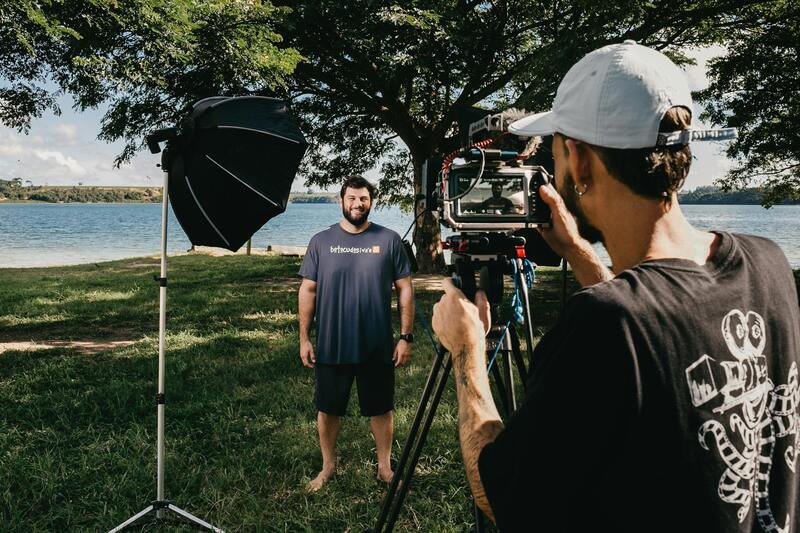
Cameras and water do not mix well, and the humidity here can cause issues even without rain.
- Rain covers for every camera that may go outside, not just the main one
- Wind and rain protection on microphones, since audio equipment is at least as vulnerable
- Towels and cloths in quantity, because wiping a lens repeatedly with a damp cloth achieves nothing
- Sealed cases for anything staged outdoors before use
- Acclimatisation time when moving between air conditioning and outdoor humidity, which fogs lenses within seconds
- Silica gel in cases, replaced regularly through the season
- Backup bodies kept dry and separate, so a failure does not end the coverage
The acclimatization point in Miami leads to more missed shots than actual rain does. A camera brought directly from a cold room into a humid garden cannot function properly for several minutes. These minutes are often precisely when something significant is happening.
Rain can create great footage, especially if you plan for it.
Once the practical arrangements are in place, weather can become an asset. Rain provides images that a clear day cannot:
- Clear umbrellas provide shelter without blocking faces and photograph beautifully.
- Wet surfaces reflecting light, especially in the evening.
- Dramatic skies before and after a storm often show the best light of the day.
- Guests crowded under cover, creating genuine, unposed moments.
- The run for shelter is invariably one of the most joyful sequences in the film.
Have a few clear umbrellas available, regardless of the forecast. They are inexpensive, easy to store, and can transform a problem into a set of memorable images. Ask the planner to keep them somewhere easily accessible, rather than in a van.
The couple sets the tone
How the day is remembered depends largely on how the couple reacts in the moment. Couples who accept the situation and go outside anyway often end up with the most memorable footage. This isn't a filming technique, but it's worth mentioning in advance. A decision made in a good mood during the planning stage can carry over into the day.
Hurricane season and the major decisions
Storm season brings up more than just concerns about afternoon showers. Key questions include postponement terms, vendor policies, and travel arrangements for out-of-town guests. Ensure that every vendor, including the video team, clearly outlines their postponement procedures and formalize these agreements in writing. Additionally, investigate whether event insurance is available and what specific coverage it provides. These considerations matter during the booking stage and should be approached as a routine part of event planning rather than a pessimistic outlook.
How we plan for it
When you book, we ask about your weather plan, not a week before. We visit the backup space along with the primary one to ensure coverage works in either location. A shortened priority shot list is agreed upon in advance, so a twenty-minute clear spell is used immediately without further debate.
Every camera is equipped with rain protection, and microphones come with wind and rain covers. Additionally, we include acclimatization time in our schedule when moving between air-conditioned environments and outdoor settings. We also carry clear umbrellas as standard issue, as they are often useful beyond just rainy days.
Tell us your venue and date and we will build the contingency into the plan from the start. More on celebration filming in the videography blog, or get in touch through the contact page.
The short version
Settle the indoor alternative, the changeover time and who makes the call when you book the venue, and visit the backup space. Schedule outdoor portraits earlier in the day during wet season, and agree a short priority shot list so a clear spell can be used immediately. Protect equipment, and allow acclimatisation time between air conditioning and humidity. Keep clear umbrellas on hand.
If it rains, go outside anyway. This is the footage that people watch the most.